HEALTH GUIDE / SAFETY INFORMATION
Pain support at home for older adults: when to enquire about a home visit first
For older adults facing limited mobility or chronic pain, home-based care is an increasingly considered option. This article explores when it is appropriate to enquire about home visit services, what families should prepare beforehand, and safety considerations.
Quick answer: When older adults struggle with mobility, chronic pain, or clinic visits, families may consider enquiring about home visit services. Before consultation, prepare a medication list, symptom records, and home environment details, and seek emergency care immediately for severe pain or red flag symptoms.
CLEAR PRICES
Interested in a treatment? You are always welcome to ask.
We clearly list our current single, trial and package prices so you can explore at your own pace. You are always welcome to message us on WhatsApp about any service, timing or arrangement.
| Category and service | Content / terms | Public price (HK$) | Booking note | Enquire |
|---|---|---|---|---|
| Hair & scalp | Scalp health and hair-loss support | AI scalp analysis, deep follicle cleansing and oil-control support | Trial offerPackageTrial 380; 6 sessions 3,480; 12 sessions 5,760; 20 sessions 8,600; 30 sessions 11,400 | Average per session for 6/12/20/30: 580/480/430/380 | Ask on WhatsApp |
| Hair & scalp | Hair acupuncture with herbal medicine | Scalp acupuncture with 3 days of decoction-free herbal medicine | Single visitPackageSingle 580; 6 sessions 3,180; 12 sessions 5,760; 20 sessions 8,600; 30 sessions 11,400 | Average per session for 6/12/20/30: 530/480/430/380 | Ask on WhatsApp |
| Hair & scalp | Integrated hair support programme | Acupuncture, herbal medicine and follicle activation; packages include shampoo and serum | Single visitPackageSingle 1,260; 8 sessions 8,640; 16 sessions 15,680; 20 sessions 18,600; 30 sessions 26,400 | Average per session for 8/16/20/30: 1,080/980/930/880 | Ask on WhatsApp |
| Weight management | Full-body acupoint embedding | Full-body acupoint embedding; packages include proportionate days of herbal support | Single visitPackageSingle 980; 10 sessions 7,800; 20 sessions 14,600; 30 sessions 20,400 | Average per session for 10/20/30: 780/730/680 | Ask on WhatsApp |
| Facial acupuncture | Brightening V-face (Essential) | Facial acupuncture, meridian support and swelling management | Trial offerPackageTrial 480; 10 sessions 5,200; 20 sessions 9,600; 30 sessions 13,500 | Average per session for 10/20/30: 520/480/450 | Ask on WhatsApp |
| Facial acupuncture | Firming and refining (Advanced) | Enhanced facial acupuncture for firmness and fine-line concerns with a moisturising mask serum | Trial offerPackageTrial 780; 10 sessions 9,000; 20 sessions 16,600; 30 sessions 23,400 | Average per session for 10/20/30: 900/830/780 | Ask on WhatsApp |
| Pain care | Extracorporeal shockwave therapy | Deep inflammation support and fascial relaxation | Prince Edward: 250 per area; Kwun Tong: 250 for 1 area, 450 for 2, 600 for 3 | Clinic-specific pricing; confirm location before booking | Ask on WhatsApp |
| Pain care | Manual therapy | TCM bone-injury assessment, manual alignment and tui na techniques | Single visitSingle 580 | Suitability is confirmed after assessment | Ask on WhatsApp |
| Pain care | Acupuncture with manual therapy | Acupuncture with manual structural support | Single visitSingle 680 | Suitability is confirmed after assessment | Ask on WhatsApp |
| TCM regulation | Acupuncture with herbal medicine | TCM consultation, whole-body acupuncture and 3 days of decoction-free herbal medicine granules | Single visitSingle 580 | Confirm clinician availability and service arrangement when booking | Ask on WhatsApp |
The real-world challenges of chronic pain and home care in older adults
As people age, many older adults face joint degeneration, muscular strain, and chronic pain. For those with limited mobility or frailty, frequent trips to medical facilities for follow-ups or pain management impose significant physical and psychological burdens on both older adults and their caregivers. Understanding the scope and role of home-based pain support has thus become essential for balancing care needs with quality of life.
However, home visit services should not blindly replace routine outpatient care. Instead, they serve as supportive and transitional assistance for older adults who cannot easily travel. Knowing the appropriate timing, assessing the older adult's true physical condition, and maintaining clear communication with professional healthcare teams form the foundation of safe and effective care.
In everyday life, chronic pain among older adults is frequently accompanied by reduced physical activity, muscle deconditioning, and psychological anxiety. Persistent discomfort not only diminishes self-care capacity but also heightens the risk of social isolation. The value of home-based pain support lies in bringing professional assessment and nursing directly into the living environment, helping seniors maintain basic functional independence in a familiar space while alleviating the physical exhaustion of frequent transit for caregivers.
| Evaluation Dimension | Home Visit Service Suitable Context | Conditions Requiring Hospital/Clinic Priority |
|---|---|---|
| Mobility & Stamina | Older adults experiencing severe travel difficulty or fall risk due to chronic pain, joint degeneration, or frailty. | Older adults with independent mobility, or when clinic diagnostic equipment (X-ray, MRI) is essential. |
| Pain Nature & Episodes | Stable home conditioning and care guidance for chronic muscular strain, degenerative joint pain, or post-surgical recovery. | Sudden severe acute pain, severe headache, chest pain, breathing difficulty, or acute post-trauma pain. |
| Neurological & Systemic Signs | Absence of neurological emergency signs; primary focus on limb ache, stiffness, and restricted daily activities. | Accompanying lower limb weakness, numbness, bowel/bladder incontinence, saddle anesthesia, or unexplained persistent fever. |
| Family Preparation | Complete medication list, medical history summary, and home environment records prepared for professional compliant evaluation. | Undiagnosed acute conditions or rapid unexplained health deterioration without prior medical assessment. |
When is it appropriate to enquire about home visit services? Key evaluation contexts
Not every pain condition is immediately suited for home-based treatment. Families considering home visits should objectively evaluate the older adult's daily activity level, the impact of pain on daily life, and the practical difficulties of travelling. For instance, if severe joint pain or unsteady gait turns every clinic visit into a high-fall-risk or exhausting ordeal, enquiring about home services holds high practical value.
Furthermore, home visit services allow professionals to directly observe the home environment and activity routes, enabling targeted recommendations. This encompasses not only pain management consultations but also home fall-prevention, daily posture adjustments, and coordination with conventional medical care.
During the evaluation process, families must carefully weigh the older adult's physical endurance against the necessity of outpatient diagnostic procedures. If a senior can still travel safely with assistive devices and requires advanced diagnostic imaging facilities such as X-rays or magnetic resonance imaging (MRI) for a definitive diagnosis, routine outpatient clinics remain indispensable. Conversely, when a condition has entered a relatively stable phase of chronic management and outdoor transportation is exceedingly difficult, enquiring about elderly home visit physiotherapy or home visit tcm and pain treatment can effectively mitigate the extra risks associated with frequent travel.
Health and environmental checklists to prepare before enquired consultations
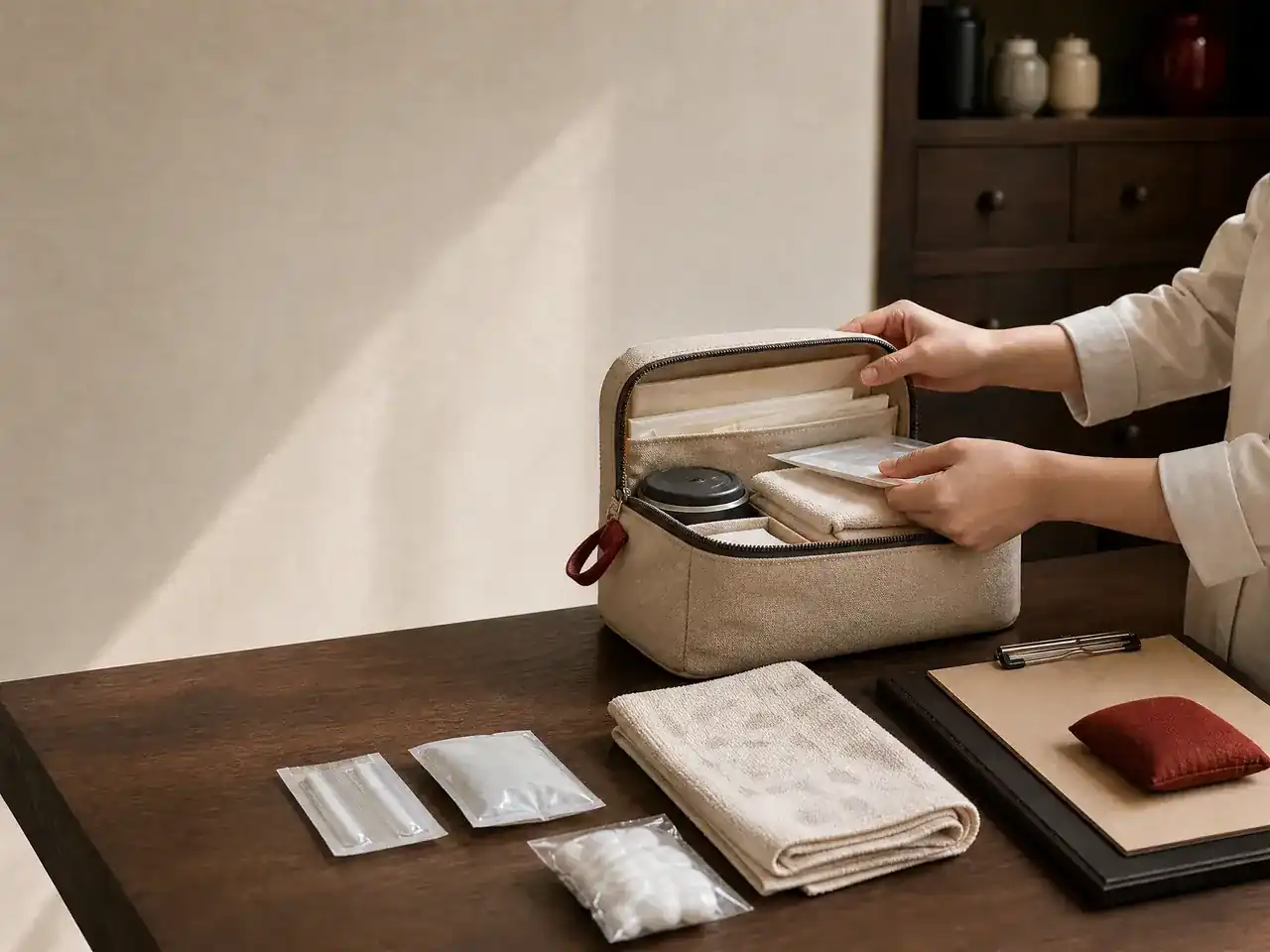
To enable home medical or physiotherapy teams to accurately understand the older adult's condition, families should systematically organize relevant information before booking or enquiring. Such preparation enhances both the suitability assessment and initial communication efficiency.
Families are advised to prepare four core records: first, the specific pain locations, episode frequency, and triggering factors; second, a complete list of all current western medications, herbal remedies, and supplements; third, previous medical diagnoses and orthopedic or internal medicine history; and fourth, the older adult's main activity zones and potential fall hazards at home. These records assist professional teams in initial safety screening and triage.
In addition, specific details of the domestic environment—such as whether bathroom grab bars are installed, whether loose rugs present slipping hazards, and whether lighting is adequate—serve as essential references during home evaluations. When families organize and document these details in advance, professional teams can gain a comprehensive overview upon first contact and formulate practical, tailored home care strategies.
Traditional Chinese Medicine and healthcare regulation in Hong Kong: Ensuring safety and credentials
In Hong Kong, Chinese medicine practice and registration are strictly regulated under the Chinese Medicine Ordinance. Whether visiting a fixed clinic or seeking home-visit TCM and pain treatments, families have the right and responsibility to verify practitioners' professional credentials and official registration status.
According to the Chinese Medicine Regulatory Office (CMRO) of the Department of Health, all legally practicing Chinese medicine practitioners must hold valid practicing certificates. Verifying the legitimacy and compliance of service providers when seeking home healthcare is a vital safeguard against improper practices and delayed conventional medical care. Hingtang reminds families that complementary therapies cannot replace necessary conventional medical evaluations.
When evaluating various traditional therapies, families should also maintain realistic expectations. International authoritative bodies such as the National Center for Complementary and Integrative Health (NCCIH) note that herbal remedies and complementary care must closely coordinate with conventional medicine, and all current pharmaceutical drugs, herbal products, and dietary supplements must be honestly disclosed to all attending healthcare providers to prevent herb-drug interactions or masked symptoms.
Coordination with conventional care and essential red flag warning signs
The core principle of home pain support for older adults is safety first and structured triage. Home-based support such as TCM and physiotherapy must closely coordinate with conventional healthcare systems and must never delay the diagnosis of acute or severe conditions in pursuit of home convenience. If an older adult experiences sudden severe pain, unexplained rapid weight loss, persistent fever, neurological deficits (such as bowel/bladder incontinence, progressive lower limb weakness or numbness), or acute trauma from a severe fall, they must seek immediate emergency medical care.
Through rational health information, transparent service enquiries, and rigorous safety safeguards, families and professional teams can jointly establish a home care environment that balances dignity, comfort, and safety.
Institutions such as the National Health Service (NHS) emphasize that for various chronic and acute back or joint pains, recognizing red flag warning signs is essential for protecting older adults. Any pain accompanied by neurological abnormalities must never blindly await home-based nursing care; modern medical imaging and clinical emergency evaluations must be sought immediately.
Family caregiver support and multidisciplinary communication strategies
Caregiving for older adults with chronic pain is a long-term responsibility that requires robust support systems and clear communication strategies. Family members often experience caregiver burnout, physical strain, and emotional stress when managing complex medication schedules, mobility assistance, and medical appointments simultaneously. Establishing a structured communication channel with visiting healthcare professionals helps alleviate this burden by setting realistic care goals, understanding prognosis limitations, and learning safe transfer techniques.
Furthermore, effective interdisciplinary communication ensures that traditional therapies, physical rehabilitation, and conventional medical treatments operate in harmony rather than in isolation. When families, general practitioners, physiotherapists, and registered Chinese medicine practitioners share transparent clinical information, the older adult receives holistic support that prioritizes safety, optimizes functional recovery, and respects personal dignity throughout the aging process.
Effective communication strategies for home-visit healthcare: sharing medical history and daily care goals
When arranging home-visit pain support or physiotherapy for older adults, establishing clear and structured communication with the visiting healthcare team is paramount. Unlike standard clinical visits where time is often restricted, home visits offer a unique observational window for practitioners to assess the living environment and interact directly with family caregivers. Families should prepare a comprehensive overview of the senior's medical background, including prior orthopaedic diagnoses, cardiovascular conditions, previous surgical histories, and any documented record of falls or mobility limitations. Sharing these details transparently ensures that visiting professionals can tailor their assessments and support strategies to the senior's exact physical capacity, avoiding any discrepancy between therapeutic expectations and actual functional realities.
Beyond clinical history, effective communication involves discussing realistic lifestyle goals and day-to-day functional challenges with the practitioner. Caregivers should actively raise questions regarding how the older adult can safely perform light daily movements, manage fatigue during physical exertion, and properly utilize assistive devices such as walking frames, canes, or geriatric chairs. Documenting specific daily triggers—such as whether discomfort intensifies during morning stiffness, prolonged sitting, or transition movements—provides actionable insights for the visiting care team. This collaborative dialogue empowers families to understand the rationale behind specific supportive suggestions and helps integrate professional guidance seamlessly into the senior's everyday routine.
Furthermore, maintaining transparent communication requires keeping all participating medical providers informed of any concurrent conventional treatments, prescribed pharmaceuticals, herbal remedies, and nutritional supplements. In accordance with clinical guidelines from health authorities such as the National Center for Complementary and Integrative Health (NCCIH), disclosing all active substances prevents potential herb-drug interactions or masked symptoms. Families should also establish a reliable protocol for recording ongoing responses to home-based care, noting any gradual improvements or unexpected changes in pain patterns. This continuous feedback loop ensures that the care plan remains safe, adaptable, and fully aligned with the senior's overall health trajectory.
Home environment modifications and fall prevention for older adults with chronic pain
For older adults managing chronic pain and mobility limitations, the home environment plays a critical role in determining daily safety, comfort, and independence. Pain often compromises balance, muscle strength, and reaction time, thereby significantly elevating the risk of domestic falls and subsequent injuries. Evaluating and modifying the living space is an essential proactive measure that families can undertake alongside professional home-visit consultations. Key areas of focus include removing tripping hazards such as loose rugs, electrical cords, and cluttered pathways across primary daily walking routes, ensuring that hallways and bedrooms maintain clear and unobstructed access at all times.
Adequate lighting and strategic bathroom modifications are equally vital components of comprehensive home safety for seniors with chronic pain. Poor illumination, particularly along corridors and staircases during nighttime hours, greatly increases stumble risks. Installing motion-activated nightlights, high-contrast light switches, and secure handrails along stairways provides crucial physical support. In bathroom areas—frequently identified as high-risk zones due to wet surfaces—installing grab bars near toilets and showers, non-slip flooring mats, and stable shower chairs can dramatically reduce physical strain and accidental slips during daily hygiene routines.
In addition to physical modifications, optimizing furniture arrangement and seating ergonomics supports daily comfort and reduces unnecessary strain on painful joints. Chairs with adequate back support, appropriate seat heights, and sturdy armrests enable seniors to sit down and stand up with minimal physical exertion. Beds should also be evaluated for correct height to facilitate effortless transfers. By systematically addressing these environmental factors, families can create a secure, supportive habitat that complements professional home-visit interventions and safeguards the overall well-being of older adults.
Continue reading
Explore the corresponding service or information page at your own pace.
Related articles
Frequently asked questions
Can home-based pain support completely replace hospital outpatient clinics?
No. Home care provides convenient supplementary nursing, pain conditioning, and daily activity guidance, but cannot replace hospital imaging diagnostics or emergency medical care. When needed, conventional medical assessment remains essential.
What information should families prepare before enquiring about home visit TCM or physiotherapy?
Families should prepare pain locations and episode patterns, a complete list of current medications and herbal products, past medical history, and home environmental characteristics to facilitate professional assessment and safety triage.
How can one ensure the legitimacy and safety of home visit TCM or medical services?
In Hong Kong, TCM practice is regulated by the Chinese Medicine Ordinance. Families should proactively verify practitioner registration and practicing certificates with service providers, ensuring compliance with the Chinese Medicine Regulatory Office (CMRO).
Under what circumstances should older adults seek immediate medical care instead of waiting for home visits?
If an older adult exhibits sudden severe pain, lower limb weakness or numbness, bowel/bladder incontinence, altered mental status, or severe accidental trauma, do not wait for home visits; seek emergency department care immediately.
Can “elderly home visit physiotherapy guide” be used as a personal diagnosis?
No. This article provides general information and preparation ideas only. Individual circumstances need appropriate assessment around history, tests, functional impact and safety.
What can I prepare before asking about “elderly home visit physiotherapy guide”?
You can note symptom timing, approaches already tried, current medicines, test information and your main questions. Seek appropriate conventional medical assessment first for severe or worsening signs.
Related topics
Sources
Want to understand the next step around your situation?
You are welcome to share your question, preferred time and existing information. We will explain the service scope and arrangements clearly.