Home visit service | Coverage and suitability require confirmation
Home Visit Stroke Rehabilitation
Recovery after stroke is often gradual and requires safe, coordinated support. Harmonia TCM can provide information about possible home-visit Chinese medicine assessment and care, with attention to symptoms, functional capacity, home safety, caregiver support and medical red flags. This page is for home-visit coverage reference only and does not indicate a branch outside our clinic area. Harmonia TCM’s clinic is in Kwun Tong.
Quick answer: Stroke home visit rehabilitation may help people who have difficulty travelling receive Chinese medicine assessment, symptom-focused support and home care guidance. It may include acupuncture considerations, constitution-focused advice and coordination with existing rehabilitation plans. Coverage, timing, fees and suitability must be confirmed by the clinic case by case.
View pricesSubmit details for home-visit enquiry
CLEAR PRICES
Interested in a treatment? You are always welcome to ask.
We clearly list our current single, trial and package prices so you can explore at your own pace. You are always welcome to message us on WhatsApp about any service, timing or arrangement.
| Category and service | Content / terms | Public price (HK$) | Booking note | Enquire |
|---|---|---|---|---|
| Hair & scalp | Scalp health and hair-loss support | AI scalp analysis, deep follicle cleansing and oil-control support | Trial offerPackageTrial 380; 6 sessions 3,480; 12 sessions 5,760; 20 sessions 8,600; 30 sessions 11,400 | Average per session for 6/12/20/30: 580/480/430/380 | Ask on WhatsApp |
| Hair & scalp | Hair acupuncture with herbal medicine | Scalp acupuncture with 3 days of decoction-free herbal medicine | Single visitPackageSingle 580; 6 sessions 3,180; 12 sessions 5,760; 20 sessions 8,600; 30 sessions 11,400 | Average per session for 6/12/20/30: 530/480/430/380 | Ask on WhatsApp |
| Hair & scalp | Integrated hair support programme | Acupuncture, herbal medicine and follicle activation; packages include shampoo and serum | Single visitPackageSingle 1,260; 8 sessions 8,640; 16 sessions 15,680; 20 sessions 18,600; 30 sessions 26,400 | Average per session for 8/16/20/30: 1,080/980/930/880 | Ask on WhatsApp |
| Weight management | Full-body acupoint embedding | Full-body acupoint embedding; packages include proportionate days of herbal support | Single visitPackageSingle 980; 10 sessions 7,800; 20 sessions 14,600; 30 sessions 20,400 | Average per session for 10/20/30: 780/730/680 | Ask on WhatsApp |
| Facial acupuncture | Brightening V-face (Essential) | Facial acupuncture, meridian support and swelling management | Trial offerPackageTrial 480; 10 sessions 5,200; 20 sessions 9,600; 30 sessions 13,500 | Average per session for 10/20/30: 520/480/450 | Ask on WhatsApp |
| Facial acupuncture | Firming and refining (Advanced) | Enhanced facial acupuncture for firmness and fine-line concerns with a moisturising mask serum | Trial offerPackageTrial 780; 10 sessions 9,000; 20 sessions 16,600; 30 sessions 23,400 | Average per session for 10/20/30: 900/830/780 | Ask on WhatsApp |
| Pain care | Extracorporeal shockwave therapy | Deep inflammation support and fascial relaxation | Prince Edward: 250 per area; Kwun Tong: 250 for 1 area, 450 for 2, 600 for 3 | Clinic-specific pricing; confirm location before booking | Ask on WhatsApp |
| Pain care | Manual therapy | TCM bone-injury assessment, manual alignment and tui na techniques | Single visitSingle 580 | Suitability is confirmed after assessment | Ask on WhatsApp |
| Pain care | Acupuncture with manual therapy | Acupuncture with manual structural support | Single visitSingle 680 | Suitability is confirmed after assessment | Ask on WhatsApp |
| TCM regulation | Acupuncture with herbal medicine | TCM consultation, whole-body acupuncture and 3 days of decoction-free herbal medicine granules | Single visitSingle 580 | Confirm clinician availability and service arrangement when booking | Ask on WhatsApp |
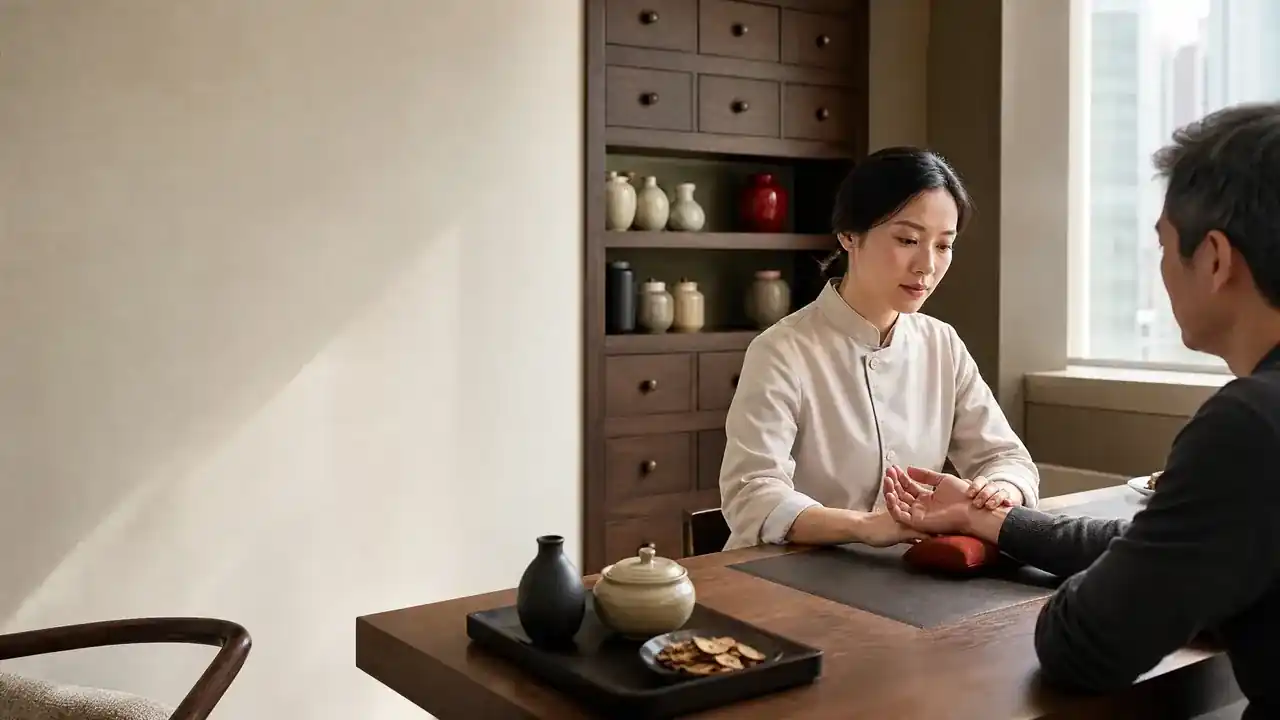
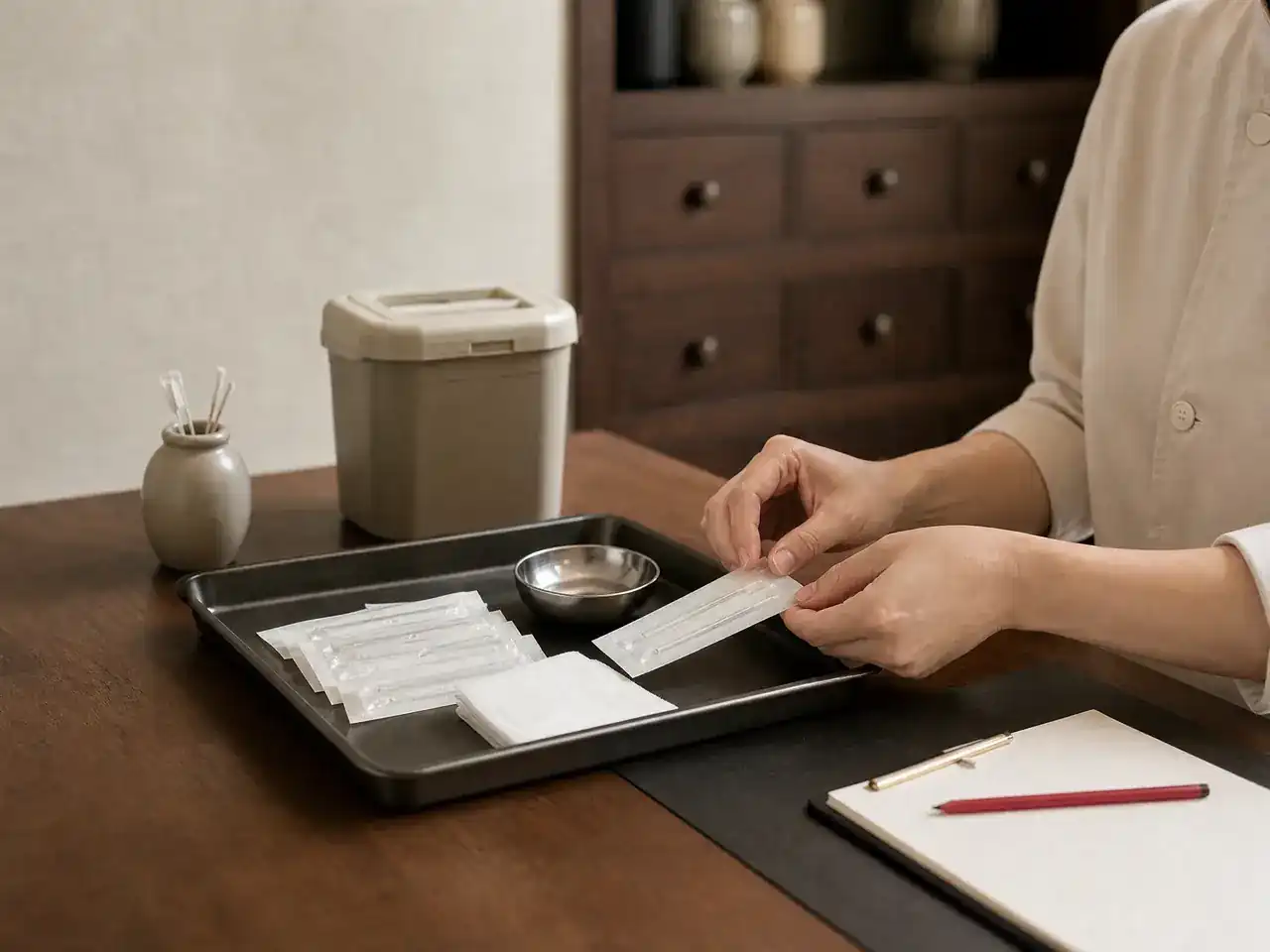
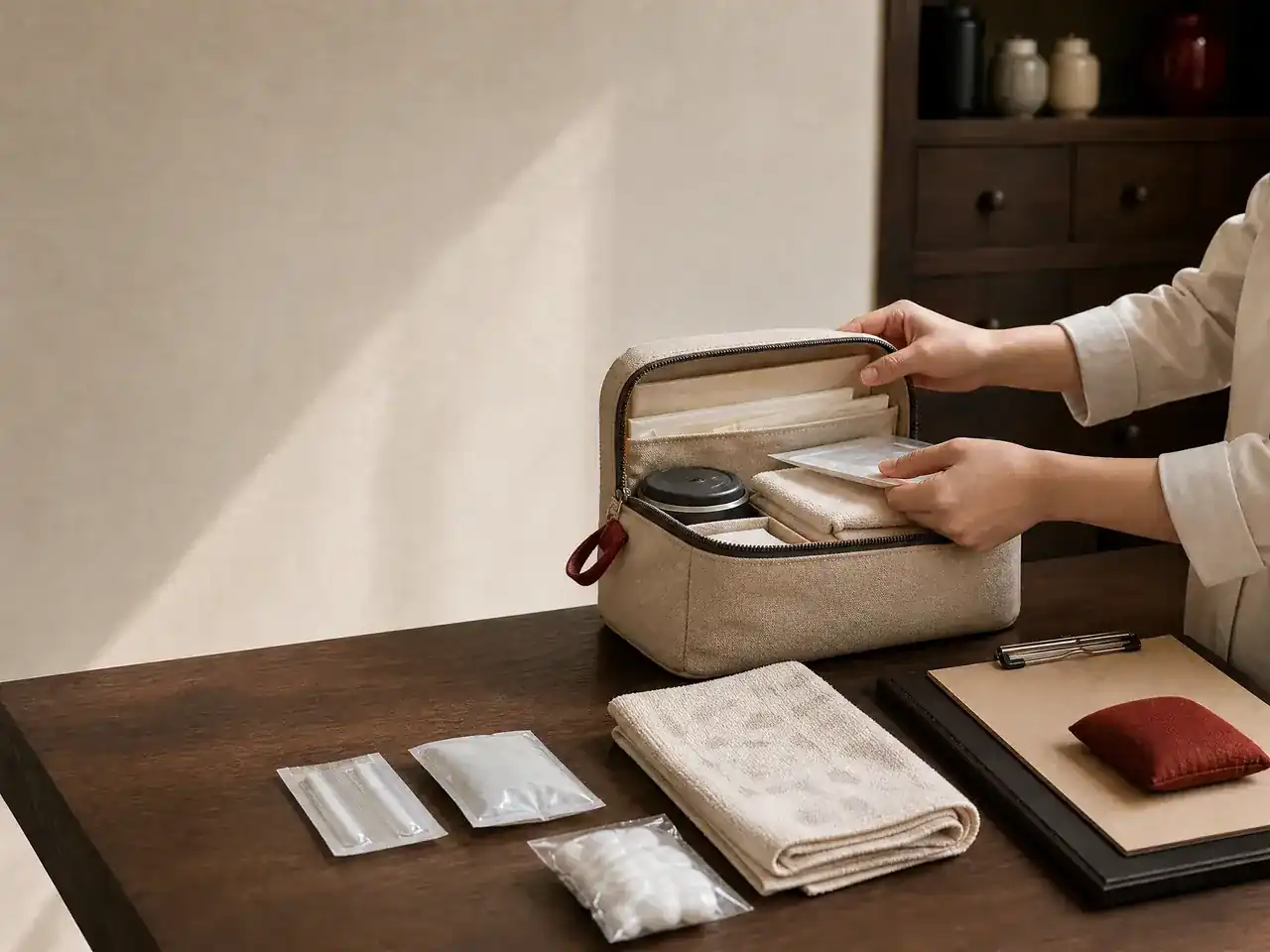
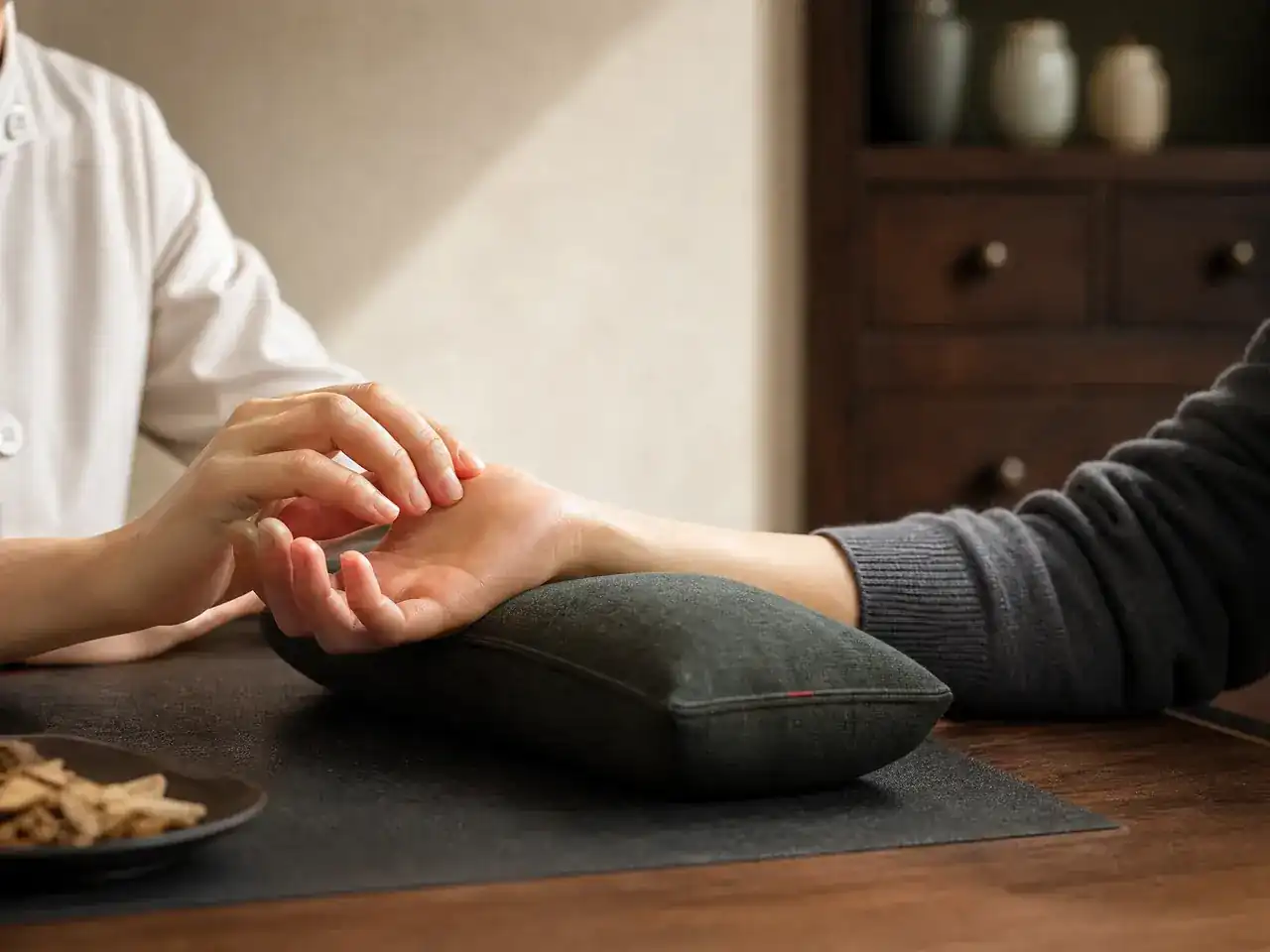
Stroke home visit rehabilitation: understanding goals, stability and the home setting
Stroke home visit rehabilitation is not a single treatment and should not be viewed as a replacement for emergency care, medical follow-up or the rehabilitation plan prescribed by the hospital team. A careful home-visit approach starts by understanding where the person is in the recovery journey: whether the acute stroke has been medically managed, whether the person has been discharged, what follow-up appointments have been arranged, and what the current physical, cognitive and communication needs are. In Chinese medicine, the assessment may also look at pain, stiffness, numbness, sleep, appetite, bowel function, fatigue, mood and the person’s overall constitution.
For many families, the value of a home visit is practical. The practitioner can observe how the person sits, stands, transfers from bed to chair, moves around the living area, and relies on a caregiver or walking aid. These observations may reveal issues that are not obvious in a clinic room, such as lack of space, slippery flooring, unsafe furniture placement, shoulder pulling during transfers, or excessive fatigue after a short activity. The aim is to understand what kind of support is realistic and safe at home.
Harmonia TCM’s clinic is in Kwun Tong. The information below provides information for possible home-visit coverage only; it does not imply that Harmonia TCM has a branch in any other district, and it does not guarantee that a home visit can be arranged immediately. Home-visit coverage, available dates, fees, travel feasibility, practitioner availability and clinical suitability all require individual confirmation. If the stroke-related condition is unstable or if new neurological symptoms appear, urgent medical assessment should come before any home-visit arrangement.
How a Chinese medicine assessment may look at post-stroke needs
Chinese medicine uses a different assessment framework from conventional medicine. After stroke, a registered Chinese medicine practitioner may consider patterns involving qi and blood circulation, the channels and sinews, phlegm-dampness, blood stasis, internal deficiency, or imbalance affecting recovery capacity. These terms belong to the Chinese medicine diagnostic system and should not be treated as a substitute for imaging, neurological diagnosis, vascular risk assessment or medical management. A responsible assessment takes both frameworks seriously: the Chinese medicine pattern is considered alongside the person’s medical history, current medication, blood pressure and blood sugar control, and the existing rehabilitation plan.
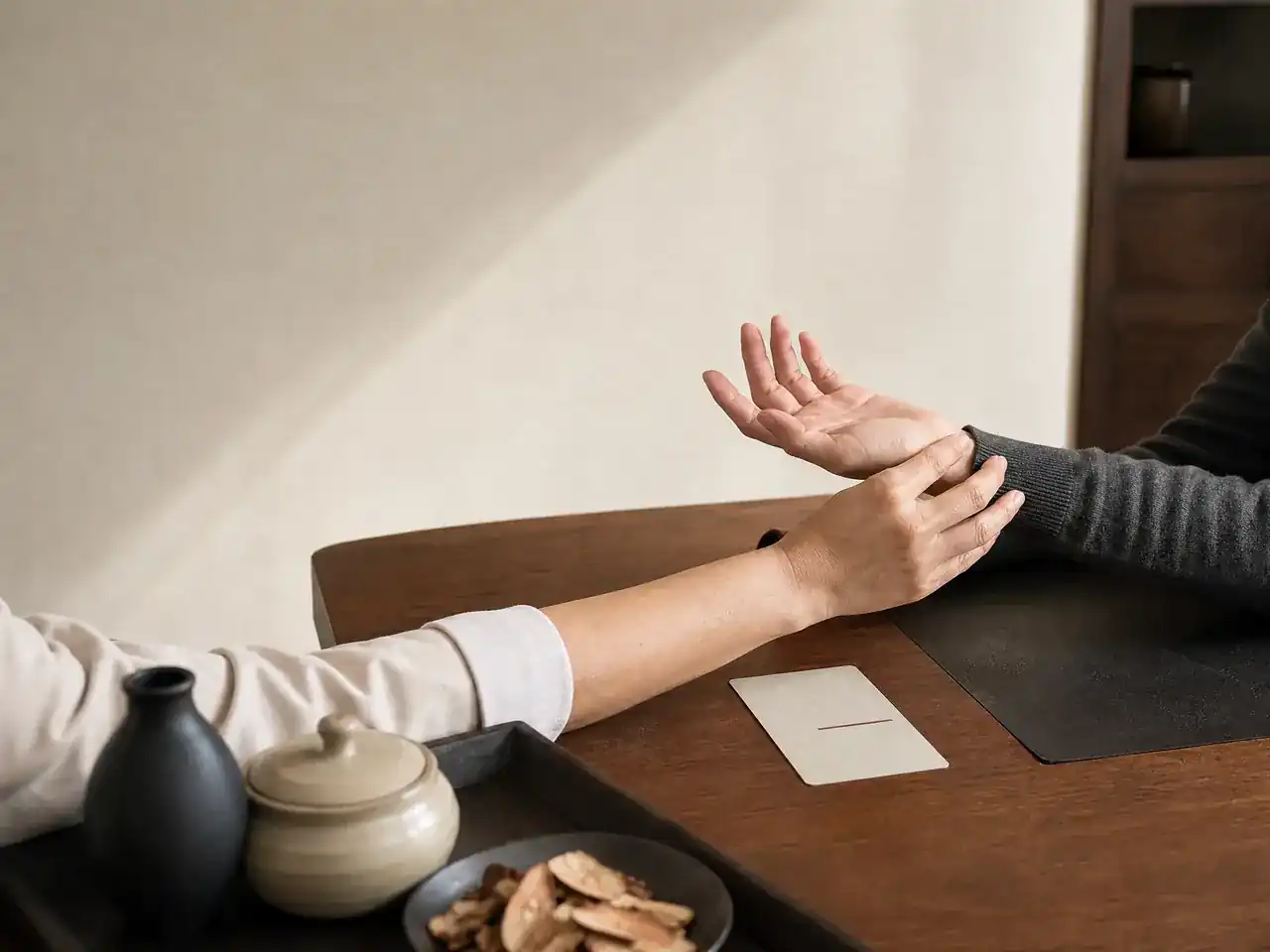
During a home visit, the practitioner may ask about the date and type of stroke if known, the discharge summary, recent hospital instructions, current symptoms, swallowing ability, fall history, medication list, and any warning signs that have appeared recently. Observation may include facial expression, speech clarity, posture, limb movement, muscle tightness, shoulder protection, skin condition, level of alertness, and whether the person can follow instructions. Pulse and tongue assessment may also be used where appropriate, together with discussion of sleep, appetite, digestion, bowel habits and emotional state.
Safety is a major part of the assessment. A person who is taking anticoagulant or antiplatelet medication, has unstable blood pressure, has frequent falls, has skin infection, has severe swallowing problems, or cannot safely maintain a position may need modified care, a deferred session or medical review before Chinese medicine treatment is considered. The purpose of the assessment is not to force treatment, but to decide whether support can be offered safely and how it should fit with the broader recovery plan.
| Assessment area | What may be reviewed at home | Possible care direction |
|---|---|---|
| Mobility and posture | Sitting balance, standing tolerance, transfers, walking stability and affected-side protection | Home safety advice, gentle activity planning and caregiver guidance within safe limits |
| Pain, stiffness and sensation | Shoulder pain, hand tightness, leg stiffness, numbness, cold sensation or discomfort during movement | Acupuncture may be considered where suitable, together with gentle manual or acupressure guidance |
| Constitution and recovery capacity | Sleep, appetite, bowel habits, fatigue, mood, temperature preference and general resilience | Constitution-focused advice, lifestyle pacing and, where appropriate, individualised herbal consideration |
| Activities of daily living | Dressing, washing, toileting, eating, bed-chair transfer and caregiver assistance needs | Practical support for safe routines, without replacing occupational therapy |
| Risk and contraindications | Medication risks, bleeding tendency, infection, unstable symptoms, cognition and home environment | Treatment modification, postponement, referral or advice to seek medical assessment |
Possible Chinese medicine support options after stroke
Depending on the individual assessment, Chinese medicine support may include acupuncture, auricular therapy, acupressure instruction, gentle manual techniques, external care advice, lifestyle guidance or constitution-focused herbal medicine. Acupuncture is sometimes used as an adjunctive approach for post-stroke issues such as pain, muscle tightness, altered sensation, fatigue or difficulty coordinating movement. However, responses vary, and treatment should be selected according to the person’s condition, positioning tolerance, bleeding risk, skin integrity and ability to communicate discomfort.
Herbal medicine, if considered, requires particular caution after stroke because many people are taking long-term medication such as antiplatelet agents, anticoagulants, blood pressure medicines, lipid-lowering medicines, diabetes medicines or heart rhythm medication. The practitioner should be told the full medication list and any history of bleeding, bruising, liver or kidney disease, allergies or recent hospital changes. Self-prescribed tonics, online formulas or family remedies may create unnecessary risk, especially for older adults or those taking multiple medications.
Home care advice may include pacing daily activity, protecting the affected shoulder, arranging safer transfer habits, planning rest periods, observing fatigue, and supporting nutrition and sleep. These measures can complement functional retraining when they remain within the limits set by the medical and rehabilitation team. If a physiotherapist or occupational therapist has already provided specific exercises, the Chinese medicine practitioner should avoid contradicting those instructions and should work around them in a supportive manner.
Functional retraining and activities of daily living at home
Functional retraining after stroke often depends on repeated, well-paced and safe practice. The home environment is where many recovery challenges become visible. A person may be able to perform a movement once during a clinic assessment but struggle to repeat it safely when tired, when the bathroom is narrow, when the bed height is unsuitable, or when the caregiver is unsure how to assist. A home visit allows the practitioner to observe these real-life limits and discuss how Chinese medicine support may be integrated without creating additional strain.
Activities of daily living are central to independence and dignity. Dressing, washing, eating, toileting, transferring, turning in bed and walking short distances may all require modified technique, caregiver support and patience. Chinese medicine care may help address pain, stiffness, fatigue or sleep issues that affect participation, but it should not replace structured rehabilitation for hand function, gait, balance, swallowing, speech or cognition. If the person is already receiving therapy, the home-visit plan should be positioned as an adjunct rather than a competing programme.
It is also important not to push beyond safe limits. If dizziness, chest discomfort, breathlessness, sudden weakness, confusion, severe headache or new speech difficulty occurs during activity, the activity should stop and medical advice should be sought urgently. Caregivers should avoid pulling the affected arm, rushing transfers, or insisting on a task when the person is exhausted. A calm, consistent routine often supports recovery better than occasional overexertion.
Who may be more suitable for a home visit, and who may need medical review first
A home-visit format may be considered for people who have difficulty travelling to a clinic, need a wheelchair or walking aid, become exhausted by transport, require caregiver support, or need the practitioner to understand the home environment before giving practical advice. It may also be helpful when family members want guidance on safer daily routines and would like to discuss how Chinese medicine support could fit around hospital rehabilitation, community therapy or caregiver responsibilities.
A home visit is not automatically suitable for every post-stroke situation. If the person has new or worsening neurological symptoms, repeated falls, uncontrolled blood pressure, fever, suspected infection, severe swallowing difficulty, recent head injury, marked drowsiness, chest pain or breathing difficulty, medical assessment should take priority. In some cases, the clinic may advise attending the Kwun Tong physical clinic instead of arranging a home visit, especially if a more controlled clinical environment is appropriate and the person can travel safely.
When making an enquiry, families can help by preparing clear information: age, stroke date, discharge summary if available, main diagnosis, current medication, mobility level, swallowing status, cognitive or communication concerns, home district, whether there is a lift, and whether a caregiver can be present. This does not guarantee acceptance of a home visit, but it helps the clinic decide whether the request is within coverage, whether the person appears stable enough for assessment, and what further information is needed before any arrangement is made.
Working alongside doctors, therapists and caregivers
Stroke recovery often involves a team: doctors, nurses, physiotherapists, occupational therapists, speech therapists, dietitians, social workers and family caregivers. Chinese medicine support is most appropriate when it is integrated thoughtfully into this wider care plan. It may focus on symptom relief, constitution, fatigue, sleep, appetite, pain, stiffness and practical daily care, while respecting the medical role of diagnosis, vascular risk management, medication decisions and specialist rehabilitation planning.
People who have had a stroke often also have risk factors such as high blood pressure, diabetes, atrial fibrillation, high cholesterol, smoking history or previous transient ischaemic attack. These conditions require ongoing medical management. A Chinese medicine practitioner may provide lifestyle and constitution-focused advice, but medication changes should not be made without the prescribing doctor’s guidance. Stopping or altering prescribed medicine without medical advice can be dangerous.
Caregivers play an important role in the success and safety of home-based support. They can describe daily patterns that the patient may not remember, provide medication information, help with positioning, and observe changes after a session. A home visit can also be a chance to explain what to monitor, when to stop an activity, when to seek medical care, and how to keep expectations realistic. Recovery may be gradual; the aim is to support steady participation and safety rather than promise a specific outcome.
Frequently asked questions
How soon after a stroke can home visit rehabilitation be considered?
Timing alone is not enough to decide. The key questions are whether the acute stroke has been medically managed, whether the person is clinically stable, what the discharge and follow-up plan says, and whether the home environment is safe for assessment. If there are new or worsening neurological symptoms, medical care should come before any home visit. If the person has been discharged and needs supportive care, the family may contact the clinic with detailed information for case-by-case review.
Can Chinese medicine replace physiotherapy or occupational therapy after stroke?
No. Chinese medicine support should not replace structured rehabilitation provided by physiotherapists, occupational therapists, speech therapists or medical teams. It may be considered as an adjunct for issues such as pain, stiffness, fatigue, sleep, appetite or constitution, and it may help the family think through safer home routines. Functional retraining, gait work, hand practice, swallowing therapy and communication rehabilitation should follow the relevant professional guidance.
Is acupuncture safe for someone taking blood thinners?
It depends on the person’s medication, dose, bleeding history, skin condition and overall health. Blood-thinning or antiplatelet medication does not automatically mean acupuncture is impossible, but it does require more caution and full disclosure. The practitioner may choose a conservative approach, avoid certain techniques, monitor for bruising, or advise postponement and medical consultation where appropriate.
Does Harmonia TCM provide home visits in every district?
Home-visit coverage is not automatic and must be confirmed for each enquiry. It depends on district, transport, date, practitioner availability, expected duration, home safety and clinical suitability. Harmonia TCM’s clinic is in Kwun Tong, and this page is a coverage reference for possible home visits only. It does not indicate a branch outside Kwun Tong or immediate appointment availability.
Should a caregiver be present during the visit?
In most post-stroke home visits, having the main caregiver present is strongly advisable. The caregiver can help explain the medical history, medication routine, daily activity limits, transfer needs and safety concerns. They can also hear the practitioner’s guidance directly, which is important if the patient has memory, communication, mobility or understanding difficulties.
What information should we prepare before contacting the clinic?
Useful information includes the patient’s age, stroke date, discharge summary or follow-up documents, current medication list, major symptoms, blood pressure or blood sugar concerns, mobility level, swallowing status, cognitive or communication issues, home district, whether there is lift access, and whether a caregiver can be present. If a physiotherapy or occupational therapy plan exists, sharing it can help the practitioner consider how Chinese medicine support may fit in safely.
Related topics
Sources
Enquire about stroke home visit rehabilitation coverage
If the patient has completed acute medical care and you would like to understand whether home-visit Chinese medicine support may be suitable, please provide the key details for clinic review. Coverage, timing, fees and suitability must be confirmed individually. If there are urgent or worsening symptoms, seek medical care first.