HEALTH GUIDE / SAFETY INFORMATION
How to ask about home-visit fees: a transparent framework for content, travel and suitability
When arranging home-visit healthcare services for immobile older adults, postoperative convalescents, or individuals managing chronic pain, clarifying the fee structure, service scope, and operational details is an essential foundational step to safeguard patient rights and clinical safety. This article establishes a comprehensive, transparent inquiry framework designed to help readers and family caregivers systematically evaluate service components, travel surcharges, equipment standards, and home environment suitability prior to booking professional traditional Chinese medicine or home-care services in Hong Kong.
Quick answer: When inquiring about home-visit medical or healthcare services, patients and families should directly and systematically ask about base consultation fees, breakdowns of specific treatment items such as acupuncture or tuina, transparent travel and equipment surcharges, and verification of whether practitioners hold official legal registration under Hong Kong's Chinese Medicine Ordinance. Clear and upfront communication prevents misunderstandings and ensures secure, compliant care.
CLEAR PRICES
Interested in a treatment? You are always welcome to ask.
We clearly list our current single, trial and package prices so you can explore at your own pace. You are always welcome to message us on WhatsApp about any service, timing or arrangement.
| Category and service | Content / terms | Public price (HK$) | Booking note | Enquire |
|---|---|---|---|---|
| Hair & scalp | Scalp health and hair-loss support | AI scalp analysis, deep follicle cleansing and oil-control support | Trial offerPackageTrial 380; 6 sessions 3,480; 12 sessions 5,760; 20 sessions 8,600; 30 sessions 11,400 | Average per session for 6/12/20/30: 580/480/430/380 | Ask on WhatsApp |
| Hair & scalp | Hair acupuncture with herbal medicine | Scalp acupuncture with 3 days of decoction-free herbal medicine | Single visitPackageSingle 580; 6 sessions 3,180; 12 sessions 5,760; 20 sessions 8,600; 30 sessions 11,400 | Average per session for 6/12/20/30: 530/480/430/380 | Ask on WhatsApp |
| Hair & scalp | Integrated hair support programme | Acupuncture, herbal medicine and follicle activation; packages include shampoo and serum | Single visitPackageSingle 1,260; 8 sessions 8,640; 16 sessions 15,680; 20 sessions 18,600; 30 sessions 26,400 | Average per session for 8/16/20/30: 1,080/980/930/880 | Ask on WhatsApp |
| Weight management | Full-body acupoint embedding | Full-body acupoint embedding; packages include proportionate days of herbal support | Single visitPackageSingle 980; 10 sessions 7,800; 20 sessions 14,600; 30 sessions 20,400 | Average per session for 10/20/30: 780/730/680 | Ask on WhatsApp |
| Facial acupuncture | Brightening V-face (Essential) | Facial acupuncture, meridian support and swelling management | Trial offerPackageTrial 480; 10 sessions 5,200; 20 sessions 9,600; 30 sessions 13,500 | Average per session for 10/20/30: 520/480/450 | Ask on WhatsApp |
| Facial acupuncture | Firming and refining (Advanced) | Enhanced facial acupuncture for firmness and fine-line concerns with a moisturising mask serum | Trial offerPackageTrial 780; 10 sessions 9,000; 20 sessions 16,600; 30 sessions 23,400 | Average per session for 10/20/30: 900/830/780 | Ask on WhatsApp |
| Pain care | Extracorporeal shockwave therapy | Deep inflammation support and fascial relaxation | Prince Edward: 250 per area; Kwun Tong: 250 for 1 area, 450 for 2, 600 for 3 | Clinic-specific pricing; confirm location before booking | Ask on WhatsApp |
| Pain care | Manual therapy | TCM bone-injury assessment, manual alignment and tui na techniques | Single visitSingle 580 | Suitability is confirmed after assessment | Ask on WhatsApp |
| Pain care | Acupuncture with manual therapy | Acupuncture with manual structural support | Single visitSingle 680 | Suitability is confirmed after assessment | Ask on WhatsApp |
| TCM regulation | Acupuncture with herbal medicine | TCM consultation, whole-body acupuncture and 3 days of decoction-free herbal medicine granules | Single visitSingle 580 | Confirm clinician availability and service arrangement when booking | Ask on WhatsApp |


Why do home-visit healthcare services need a transparent fee inquiry framework?
For older adults with limited mobility, individuals recovering from surgeries, or patients enduring persistent chronic pain, opting for home-visit traditional Chinese medicine (TCM) or rehabilitation services eliminates the physical burden and exhaustion of traveling to external clinics, allowing them to receive professional care within the familiar comfort of their residence. However, home-visit healthcare inherently involves variable travel times, geographic distances, and the unique logistical requirements of private homes, making fee structures significantly more complex than standard outpatient clinic visits. Many patients and families focus exclusively on the final lump-sum quote during initial inquiries without examining individual cost components, which frequently leads to subsequent questions regarding exact service hours, treatment boundaries, or unexpected surcharges.
In Hong Kong, the practice and professional registration of Chinese medicine are subject to stringent legal regulation. According to the regulatory framework established by the Chinese Medicine Regulatory Office of the Department of Health, all practitioners offering clinical services must maintain valid statutory registration, ensuring their professional qualifications, ethical conduct, and clinical scopes adhere strictly to the Chinese Medicine Ordinance. Therefore, when evaluating home-visit pricing, transparency must extend far beyond numerical cost estimates. It must encompass the legal credentials of the practitioner, adherence to strict infection control and sterile equipment standards, and a clear demarcation of therapeutic boundaries. Harmonia TCM emphasizes that robust regulatory compliance and pricing transparency form the bedrock of enduring patient trust and clinical safety.
Establishing a structured, systematic inquiry framework empowers consumers by protecting their right to informed decision-making while upholding high professional standards. Different clinical conditions, ranging from specialized acupuncture sessions to localized tuina manipulation, require distinct time commitments, preparation protocols, and specialized disposable consumables. Mastering effective questioning techniques enables patients and their families to navigate complex healthcare information efficiently, communicate seamlessly with service providers, and ensure that every home-visit session is conducted within a safe, fully compliant, and transparent operational environment.
| Inquiry Dimension | Core Questions | Transparent Communication Advice |
|---|---|---|
| Base Fee Structure | Are consultation and treatment fees separate? What is the standard duration per visit? | Request a written breakdown of rates and understand overtime charges. |
| Travel & Surcharges | Are there extra travel fees for remote areas or outlying islands? How are parking fees handled? | Provide exact address details in advance to confirm travel surcharges. |
| Professional Registration | Are visiting practitioners legally registered Chinese medicine practitioners in Hong Kong? | Verify credentials through official practitioner registries and home visit pricing guidelines. |
| Equipment & Hygiene | Are sterile consumables and treatment tools included in the quoted fee? | Confirm that all equipment complies with infection control and hygiene safety standards. |
How to break down and inquire about base fees and treatment items
The primary step when arranging home-visit healthcare is to dissect and understand the foundational fee structure. Many professional organizations separate initial consultation fees from specific treatment charges or utilize comprehensive bundled pricing models. Readers and family members should explicitly inquire about the standard duration allocated per visit, the precise list of treatment modalities included in the base price—such as cupping, gua sha, acupuncture, or targeted therapeutic tuina—and the clear hourly or per-minute calculation rules applied if a session exceeds its scheduled timeframe due to complex clinical needs.
Beyond evaluating single-session costs, understanding long-term treatment budgeting is equally vital for comprehensive financial planning. While individual home visits offer exceptional scheduling flexibility, chronic pain management, degenerative conditions, or postoperative rehabilitation frequently require a sustained series of therapeutic sessions over several weeks. Inquiring whether the healthcare organization offers structured multi-visit packages or transparent phased planning helps families manage household budgets effectively, mitigating any financial discrepancies arising from asymmetric information.
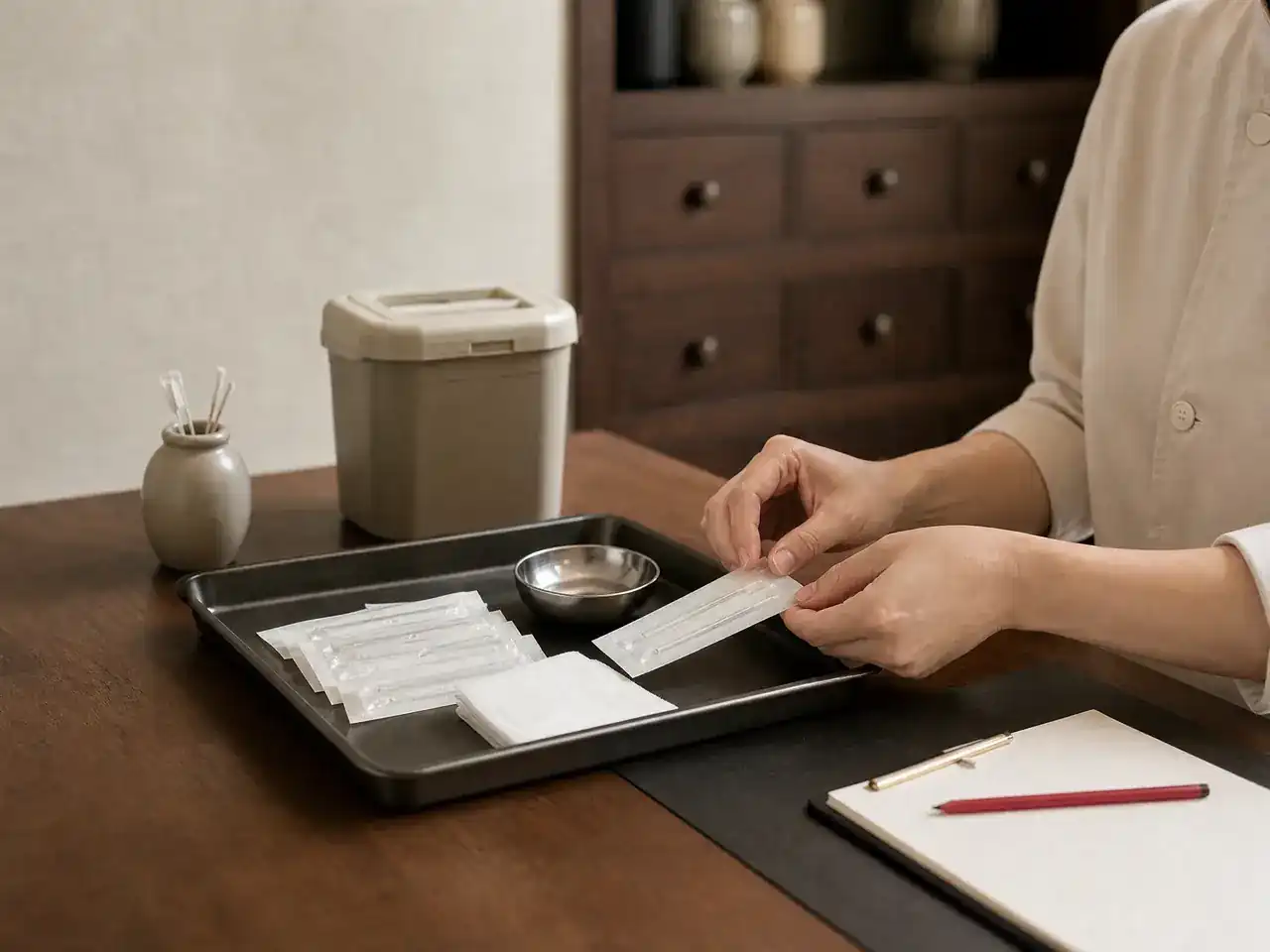
Furthermore, inquirers must verify whether quotations incorporate all necessary medical consumables, therapeutic mediums, and sterile instruments. Professional healthcare providers maintain uncompromising standards regarding hygiene and infection control. Whether single-use sterile acupuncture needles, disposable protective sheets, or specialized topical liniments incur separate charges must be clarified prior to appointment confirmation, ensuring that the entire service delivery remains transparent, predictable, and completely free from hidden fees.
Key communication points for travel distance, remote areas, and surcharges
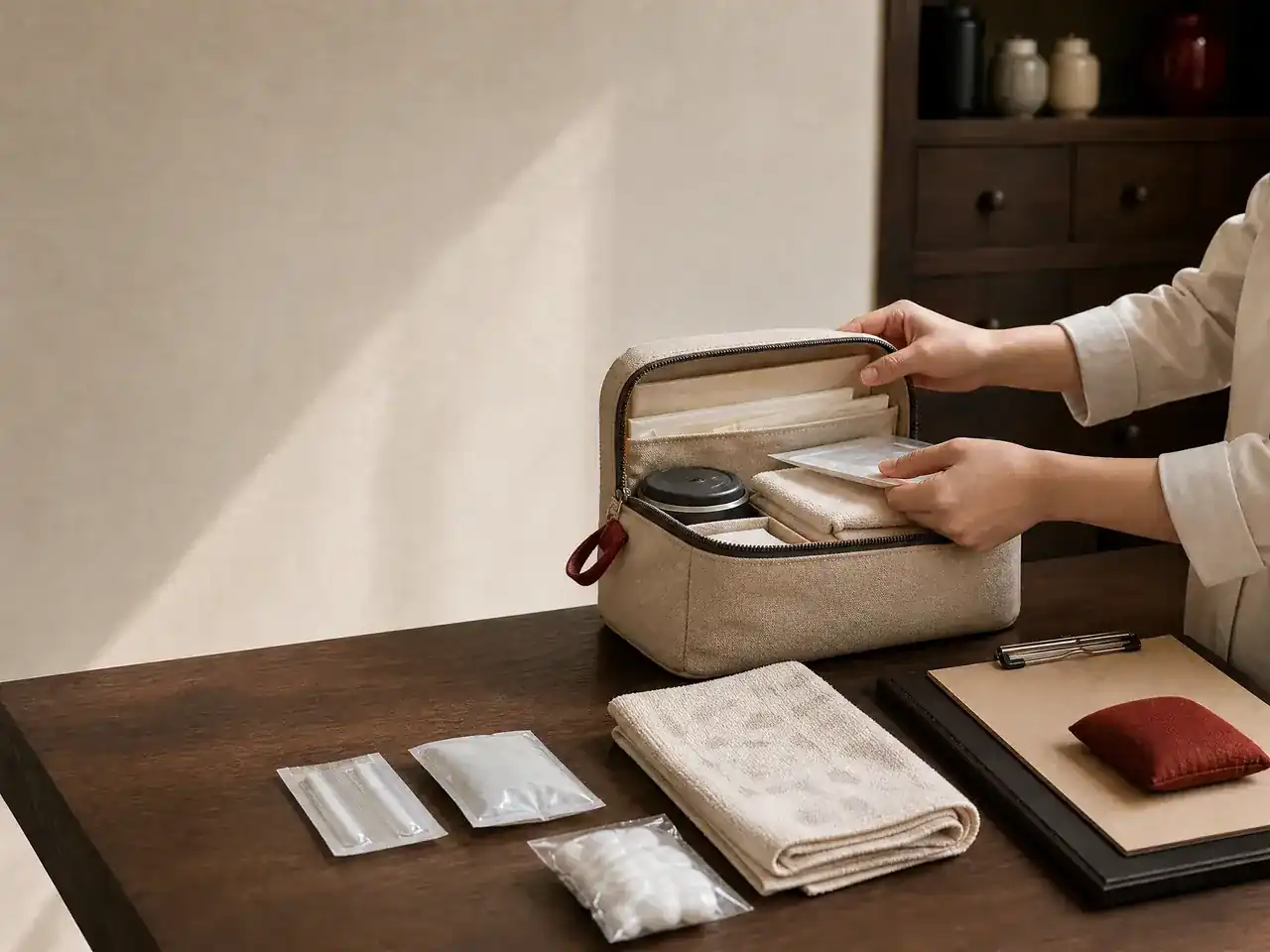
One of the most defining distinctions between home-visit care and traditional clinic consultations is the inherent logistical cost of transportation. Healthcare practitioners must pack and transport specialized medical equipment, diagnostic tools, and sanitary supplies directly to the patient's residence. Consequently, travel time, geographic distance, and transit complexity directly influence operational overhead. During initial consultations, clients should proactively provide comprehensive address details, building accessibility information (such as elevator availability and walking distance from public transit), and specify whether the location falls within outlying islands or remote rural districts.
In addition to standard travel distances, certain institutional policies may implement specific surcharges for late-night appointments, holiday visits, or severe weather conditions, such as when Typhoon Signal No. 8 or the Black Rainstorm Warning is in effect. Clarifying these potential contingency surcharges in advance and incorporating them into the overarching budget prevents administrative friction and misunderstandings on the day of the scheduled visit. Transparent communication regarding logistical arrangements demonstrates a high standard of professional responsibility.
Clear discussion of travel fees also allows families to collaborate effectively with service coordinators to identify optimal visiting hours and transit routes, particularly for residential locations with complex transportation links. Such proactive planning ensures punctual practitioner arrival, unhurried clinical interactions, and a calm, stress-free therapeutic environment for the patient.
Suitability assessment of home environment and patient physical condition
While transparent fees and travel arrangements are critical, evaluating whether the domestic environment is physically suitable for clinical procedures is an equally indispensable phase of preparation. Certain interventions, such as acupuncture, moxibustion, or therapeutic massage, require adequate, stable floor space, appropriate lighting, and a comfortable surface—such as an adjustable bed or a firm couch—where the patient can rest securely. Describing the physical layout of the home during the initial inquiry enables professional staff to determine whether specialized portable equipment or additional ergonomic supports are necessary.
Equally critical is the professional assessment of the patient's immediate physical and mental stability. If an individual presents with acute fever, severe unmanaged pain, acute systemic infection, altered mental status, or rapidly deteriorating health parameters, home-visit care may be entirely inappropriate. Harmonia TCM emphasizes that home healthcare must always prioritize patient safety above administrative convenience, and should never be utilized as a substitute for urgent medical intervention when acute red-flag symptoms are present.
Family members should prepare comprehensive medical histories, recent medication records, and a clear summary of current symptoms prior to contacting healthcare providers. Transparently sharing these clinical details allows practitioners to accurately judge whether home-visit therapy is clinically appropriate for the specific case, thereby delivering tailored recommendations and robust safety guidance.
Using a transparent inquiry framework to protect rights and medical safety
In summary, a robust and comprehensive inquiry framework for home-visit healthcare encompasses four fundamental dimensions: foundational fee structures and time allocations, specific treatment modalities and consumable inclusions, geographical travel distance and surcharge breakdowns, and the verified statutory credentials of the practitioners. Documenting these details in written or digital formats provides patients and their families with an unambiguous reference point, ensuring that every financial outlay is fully transparent and accountable.
When selecting healthcare services, individuals must always place clinical safety and legal compliance as the highest priority. Consumers possess both the right and the responsibility to inquire about practitioner registration status and cross-reference official medical registries. Under no circumstances should patients compromise on statutory safeguards or hygiene standards in pursuit of unverified promotional discounts or exaggerated claims.
Through thorough preliminary communication and rational needs assessment, patients can successfully receive safe, comfortable, and professional healthcare support within their own homes, while establishing a trusting and collaborative relationship with their clinical care team to foster sustainable physical recovery and long-term wellness.
Continue reading
Explore the corresponding service or information page at your own pace.
Related articles



Frequently asked questions
When inquiring about home-visit traditional Chinese medicine services, how can patients verify the professional credentials of the practitioner?
Patients and family members should directly ask the service provider whether the practitioner holds a valid Practising Certificate issued by the Chinese Medicine Council of Hong Kong. You can independently verify legal registration status through the official list of registered Chinese medicine practitioners maintained by the Chinese Medicine Regulatory Office of the Department of Health. Statutory registration is the foundational prerequisite for safeguarding patient rights, professional accountability, and clinical safety.
What items are typically included in home-visit service quotations, and how can hidden fees be prevented?
Standard professional quotations generally cover basic clinical consultation, professional health assessment, and specific treatment modalities delivered during the home visit. To prevent unexpected expenses, clients should request a comprehensive written or electronic quotation breakdown prior to appointment confirmation, explicitly clarifying whether travel surcharges, remote district fees, herbal medicine costs, or single-use sterile consumables are included.
How should transportation surcharges be managed when the residence is located in remote or outlying districts?
Clients should proactively disclose exact address details, housing estate specifications, and local transit conditions during the initial inquiry stage. Reputable healthcare organizations maintain transparent distance-based or district-based surcharge schedules, allowing families to evaluate all potential transit costs upfront and preventing billing disputes upon practitioner arrival.
Can home-visit healthcare services replace regular medical check-ups or hospital-based clinical diagnosis?
No. Home-visit services are designed to provide convenient supportive care, chronic symptom management, and rehabilitative assistance in a domestic setting; they are not intended to replace formal diagnostic evaluations, emergency care, or comprehensive medical examinations. If a patient experiences acute, severe, or rapidly worsening health symptoms, immediate hospital emergency care or professional medical triage must be sought without delay.
Can “home visit pricing guide” be used as a personal diagnosis?
No. This article provides general information and preparation ideas only. Individual circumstances need appropriate assessment around history, tests, functional impact and safety.
What can I prepare before asking about “home visit pricing guide”?
You can note symptom timing, approaches already tried, current medicines, test information and your main questions. Seek appropriate conventional medical assessment first for severe or worsening signs.
Related topics
Sources
Want to understand the next step around your situation?
You are welcome to share your question, preferred time and existing information. We will explain the service scope and arrangements clearly.