TCM Care
Stroke sequelae and rehabilitation (TCM)
Stroke sequelae can have a profound impact on a patient's daily life. At Harmonia TCM, we provide personalized stroke rehabilitation support through Traditional Chinese Medicine, tailored to the patient's constitution and specific condition. Our goal is to assist patients in improving their quality of life and restoring physical and mental balance.
Quick answer: Common stroke sequelae include limb weakness, speech difficulties, and swallowing problems. TCM care utilizes methods such as acupuncture and herbal medicine to provide stroke rehabilitation support based on the patient's constitution. This approach aims to improve the flow of Qi and blood in the meridians, assisting patients in restoring balance in their lives.
CLEAR PRICES
Interested in a treatment? You are always welcome to ask.
We clearly list our current single, trial and package prices so you can explore at your own pace. You are always welcome to message us on WhatsApp about any service, timing or arrangement.
| Category and service | Content / terms | Public price (HK$) | Booking note | Enquire |
|---|---|---|---|---|
| Hair & scalp | Scalp health and hair-loss support | AI scalp analysis, deep follicle cleansing and oil-control support | Trial offerPackageTrial 380; 6 sessions 3,480; 12 sessions 5,760; 20 sessions 8,600; 30 sessions 11,400 | Average per session for 6/12/20/30: 580/480/430/380 | Ask on WhatsApp |
| Hair & scalp | Hair acupuncture with herbal medicine | Scalp acupuncture with 3 days of decoction-free herbal medicine | Single visitPackageSingle 580; 6 sessions 3,180; 12 sessions 5,760; 20 sessions 8,600; 30 sessions 11,400 | Average per session for 6/12/20/30: 530/480/430/380 | Ask on WhatsApp |
| Hair & scalp | Integrated hair support programme | Acupuncture, herbal medicine and follicle activation; packages include shampoo and serum | Single visitPackageSingle 1,260; 8 sessions 8,640; 16 sessions 15,680; 20 sessions 18,600; 30 sessions 26,400 | Average per session for 8/16/20/30: 1,080/980/930/880 | Ask on WhatsApp |
| Weight management | Full-body acupoint embedding | Full-body acupoint embedding; packages include proportionate days of herbal support | Single visitPackageSingle 980; 10 sessions 7,800; 20 sessions 14,600; 30 sessions 20,400 | Average per session for 10/20/30: 780/730/680 | Ask on WhatsApp |
| Facial acupuncture | Brightening V-face (Essential) | Facial acupuncture, meridian support and swelling management | Trial offerPackageTrial 480; 10 sessions 5,200; 20 sessions 9,600; 30 sessions 13,500 | Average per session for 10/20/30: 520/480/450 | Ask on WhatsApp |
| Facial acupuncture | Firming and refining (Advanced) | Enhanced facial acupuncture for firmness and fine-line concerns with a moisturising mask serum | Trial offerPackageTrial 780; 10 sessions 9,000; 20 sessions 16,600; 30 sessions 23,400 | Average per session for 10/20/30: 900/830/780 | Ask on WhatsApp |
| Pain care | Extracorporeal shockwave therapy | Deep inflammation support and fascial relaxation | Prince Edward: 250 per area; Kwun Tong: 250 for 1 area, 450 for 2, 600 for 3 | Clinic-specific pricing; confirm location before booking | Ask on WhatsApp |
| Pain care | Manual therapy | TCM bone-injury assessment, manual alignment and tui na techniques | Single visitSingle 580 | Suitability is confirmed after assessment | Ask on WhatsApp |
| Pain care | Acupuncture with manual therapy | Acupuncture with manual structural support | Single visitSingle 680 | Suitability is confirmed after assessment | Ask on WhatsApp |
| TCM regulation | Acupuncture with herbal medicine | TCM consultation, whole-body acupuncture and 3 days of decoction-free herbal medicine granules | Single visitSingle 580 | Confirm clinician availability and service arrangement when booking | Ask on WhatsApp |
Understanding Stroke Sequelae and Their Impact
Stroke sequelae refer to the various physical, cognitive, or emotional impairments that remain after a stroke has occurred. The severity of these sequelae varies from person to person, depending on the area and extent of brain damage. Common symptoms include hemiplegia (paralysis of one side of the body), limb numbness, expressive language difficulties, and swallowing disorders. Patients may also experience emotional changes such as depression or anxiety. These changes not only affect the patient's ability to live independently but also present significant challenges for family caregivers.
From the perspective of Traditional Chinese Medicine (TCM), stroke sequelae are often related to the disordered flow of Qi and blood, as well as blockages in the meridians. TCM considers that the occurrence of a stroke is frequently characterized by an underlying deficiency combined with superficial excess. This means the patient may have a pre-existing constitution of Qi and blood deficiency or liver and kidney insufficiency. When combined with external pathogenic factors or emotional fluctuations, this leads to poor circulation of Qi and blood, ultimately triggering a stroke. Therefore, the focus of TCM recovery is on regulating the constitution and unblocking the meridians to improve the patient's overall condition.
The Philosophy and Methods of TCM Recovery
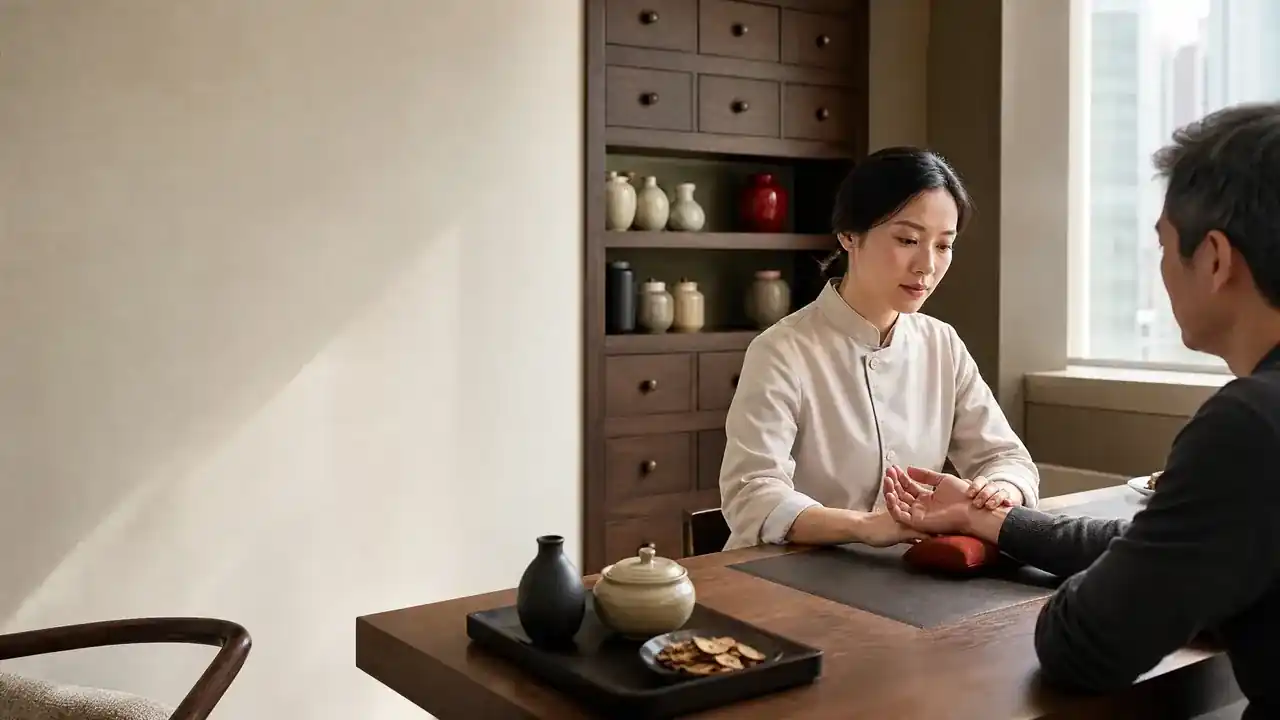
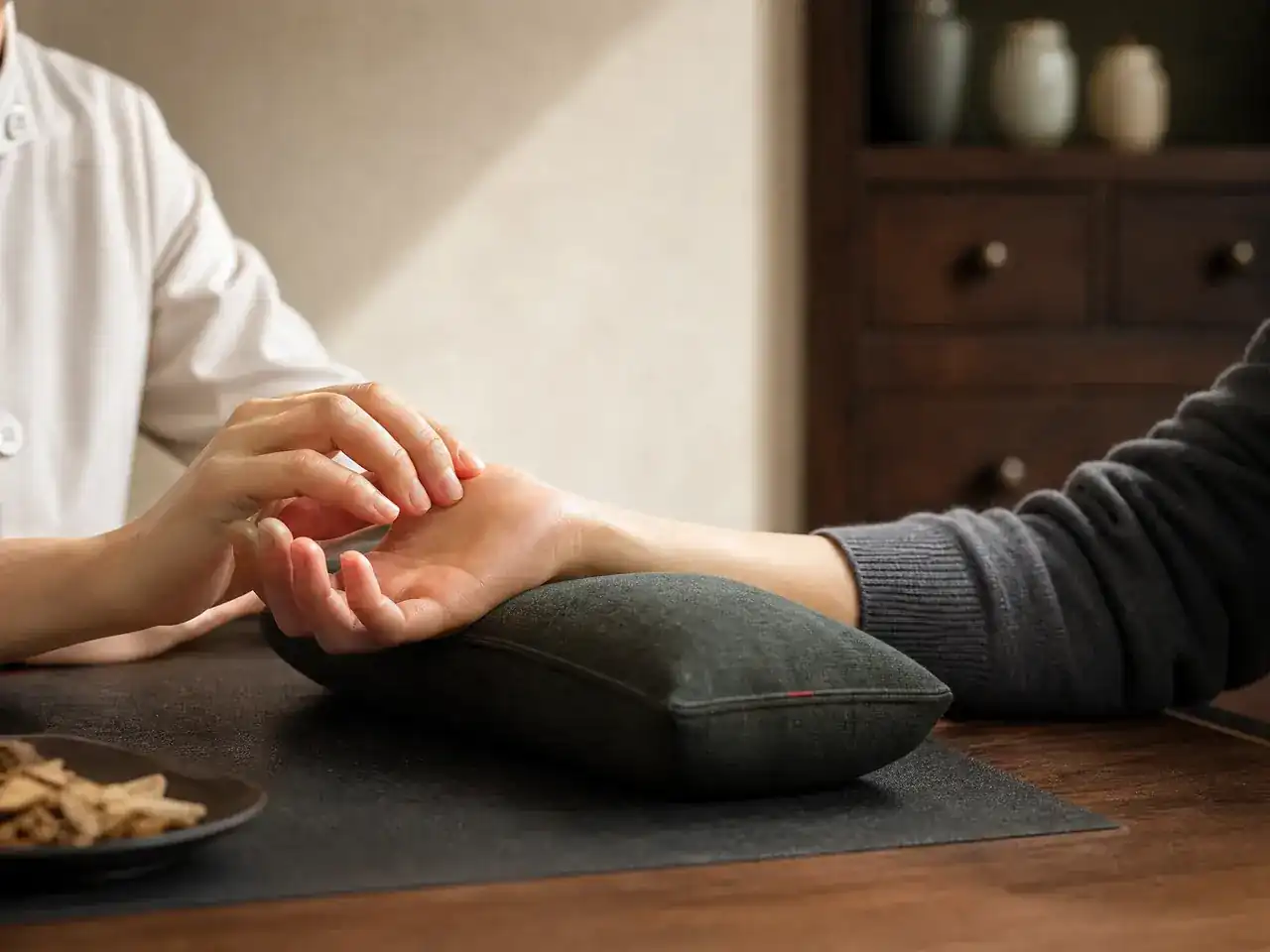
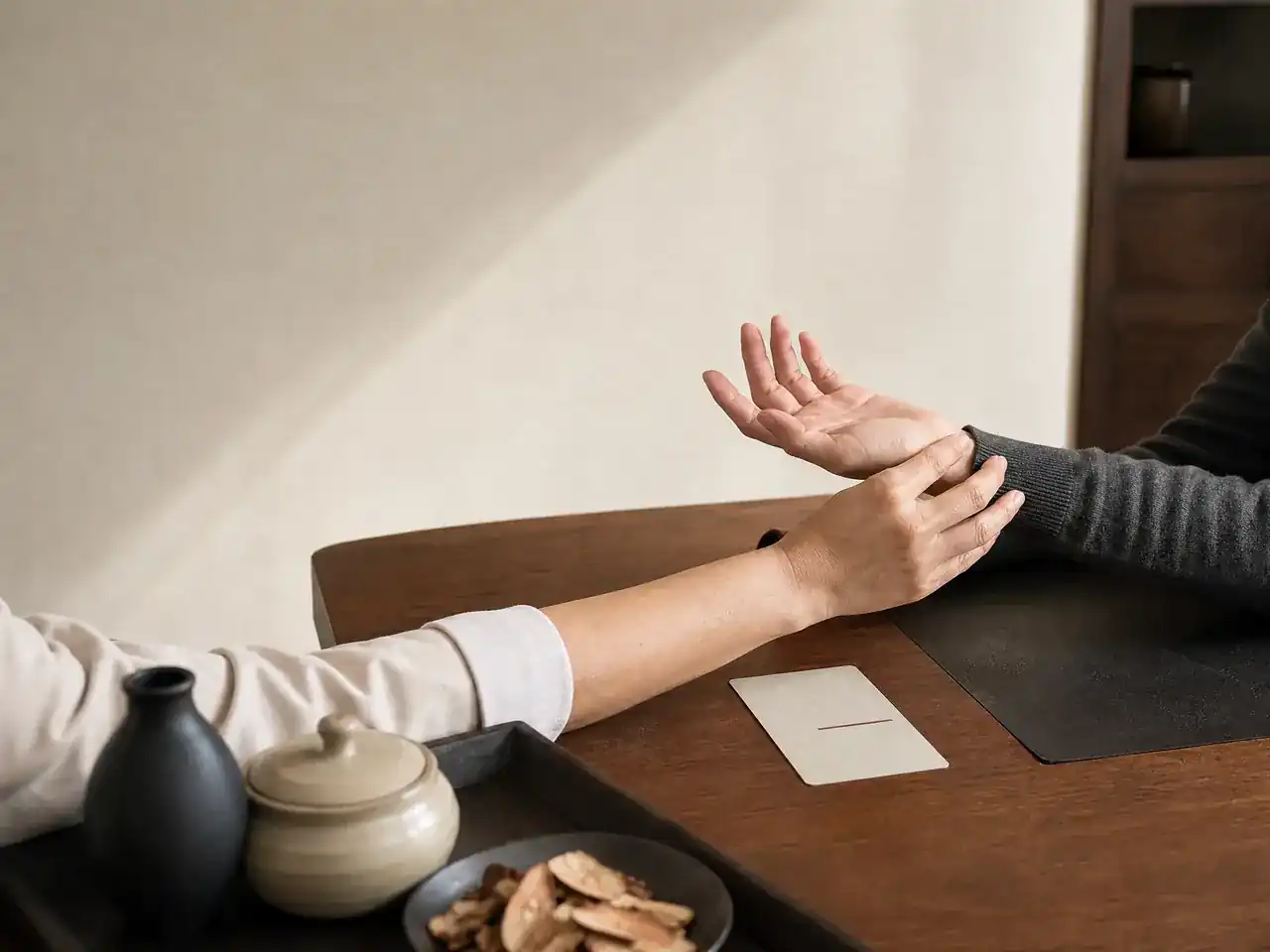
TCM recovery emphasizes 'syndrome differentiation and treatment,' which means developing a personalized care plan based on each patient's specific symptoms and constitutional characteristics. For patients with stroke sequelae, a TCM practitioner will conduct a detailed assessment using the four diagnostic methods: observation, auscultation and olfaction, inquiry, and pulse-taking. This helps evaluate the abundance or decline of Qi and blood, the function of the Zang-Fu organs, and the patency of the meridians. This holistic medical philosophy focuses not only on the localized recovery of limb function but also on the balance of the overall physical and mental state.
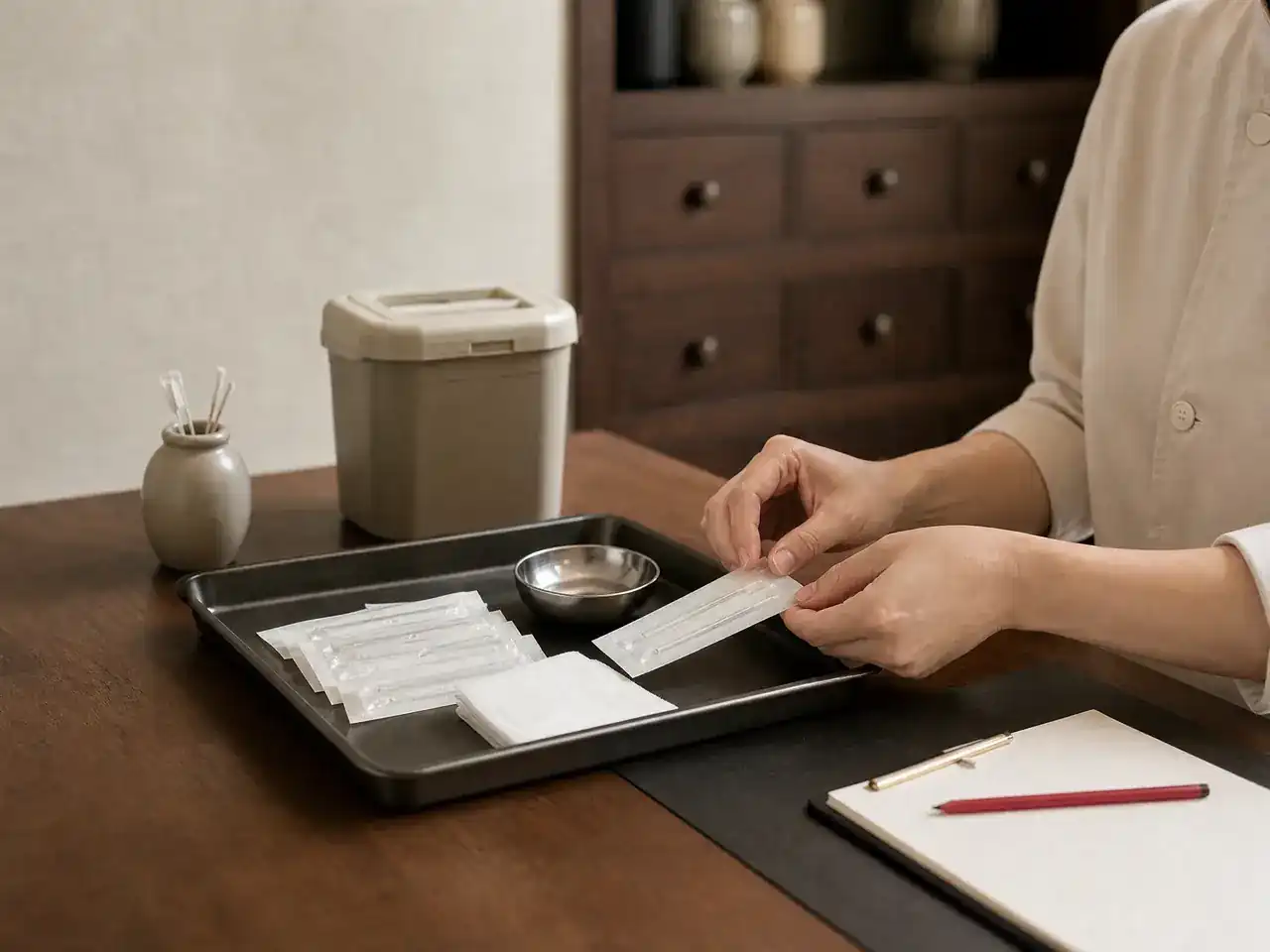
Common TCM care methods include acupuncture, oral herbal medicine, and Tui Na (Chinese therapeutic massage). Acupuncture is widely used in stroke rehabilitation. By stimulating specific acupoints, it aims to unblock the meridians and harmonize Qi and blood, thereby assisting in the improvement of limb mobility and sensory function. Herbal medicine is prescribed based on the patient's constitution, utilizing herbs that have the effects of tonifying Qi and invigorating blood, calming the liver and suppressing Yang, or resolving phlegm and unblocking collaterals to regulate organ functions. Tui Na can help relax muscles and improve local blood circulation.
Common TCM Assessments for Stroke Rehabilitation
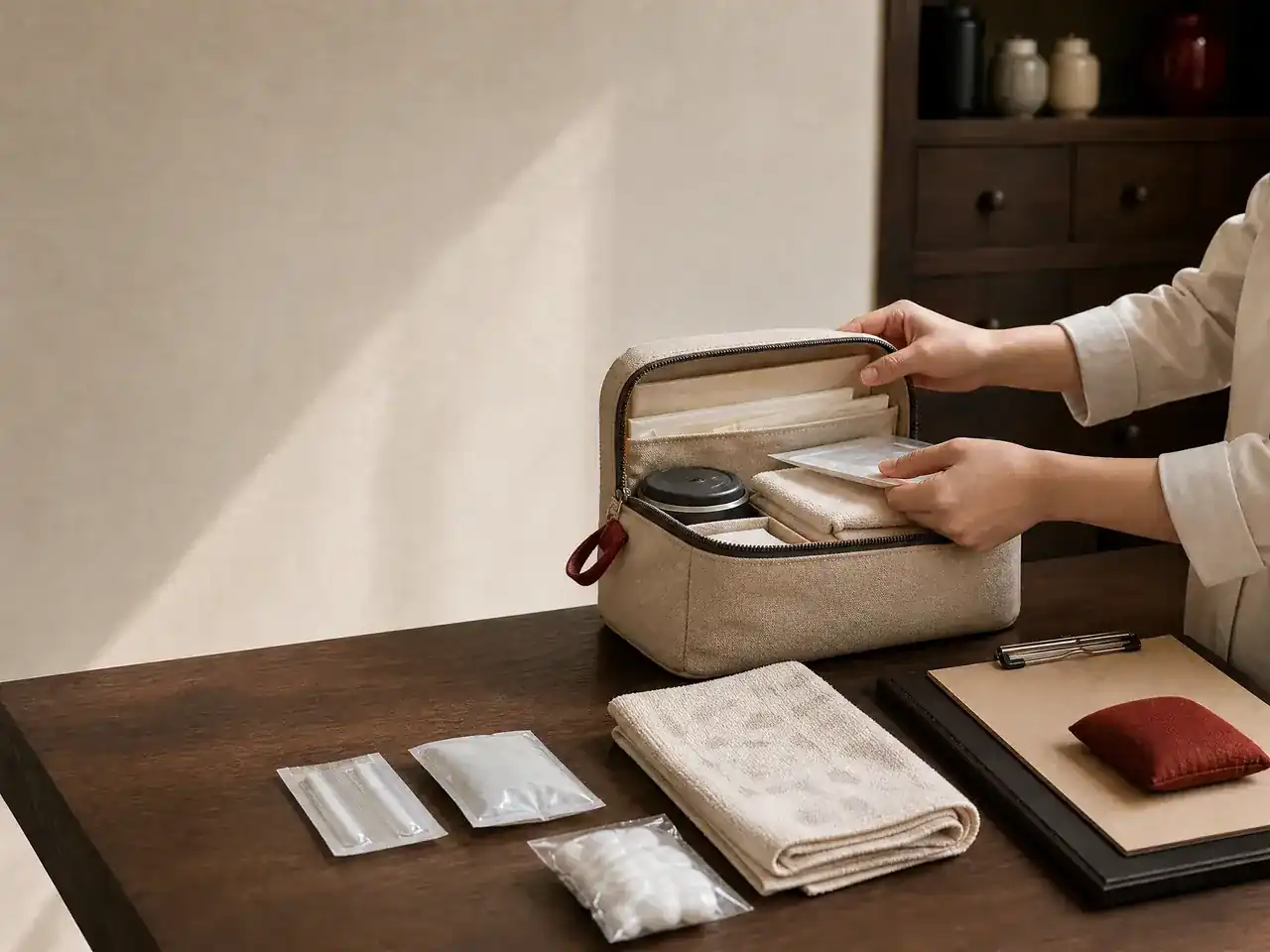
Before commencing TCM care, a comprehensive assessment is indispensable. The TCM practitioner will gather detailed information about the patient's stroke history, current Western medical treatment plans, and difficulties encountered in daily life. This helps ensure that the TCM recovery plan can complement existing conventional treatments and avoid potential risks.
During the assessment process, the TCM practitioner will pay special attention to the patient's mobility, language expression, and swallowing function. By observing the patient's gait, limb strength, and joint range of motion, the practitioner can more accurately determine the extent of meridian blockage. Furthermore, understanding the patient's emotional state and sleep quality is also a crucial part of the assessment, as these factors have a profound impact on the overall rehabilitation progress.
Integrating TCM Care with Conventional Treatment
Rehabilitation from stroke sequelae is a lengthy process that requires multifaceted cooperation. TCM care should be viewed as a complementary approach to conventional medicine, rather than an alternative. While receiving TCM recovery support, patients must continue to follow the treatment recommendations of their Western medical doctors, including taking prescribed medications on time and participating in physical and occupational therapy. An integrated approach combining Chinese and Western medicine can provide patients with more comprehensive care.
When seeking TCM care, patients or their families should proactively provide the TCM practitioner with complete medical records, including a list of all Western medications currently being taken. This helps the TCM practitioner avoid potential drug interactions when prescribing herbal medicine. Concurrently, patients should also inform their attending Western medical doctor that they are receiving TCM care to ensure smooth information flow among the healthcare team and safeguard the patient's safety.
Daily Care and Nourishment for Stroke Sequelae
In addition to receiving professional medical intervention, daily care and nourishment are equally important for stroke rehabilitation. Family members play a key role in the caregiving process and should encourage patients to maintain a positive and optimistic mindset while assisting them in engaging in appropriate daily activities. This not only helps maintain limb function but also boosts the patient's self-confidence.
Regarding diet, TCM recommends that patients with stroke sequelae consume light, easily digestible foods, avoiding excessive intake of rich, greasy, or spicy and stimulating items. Depending on the patient's constitution, they may appropriately consume foods that have the effects of strengthening the spleen and tonifying Qi, or nourishing the liver and kidneys. Furthermore, maintaining a regular daily routine, avoiding overexertion, and preventing emotional agitation are also important measures to prevent stroke recurrence.
| Care Direction | Common Symptoms | TCM Philosophy | Daily Recommendations |
|---|---|---|---|
| Qi Deficiency and Blood Stasis | Limb weakness, pale complexion, shortness of breath and fatigue | Tonify Qi, invigorate blood, unblock collaterals | Moderate activity, avoid overexertion, gentle diet |
| Liver and Kidney Insufficiency | Limb numbness, dizziness and tinnitus, soreness and weakness of waist and knees | Nourish liver and kidneys, strengthen bones and sinews | Maintain adequate sleep, avoid emotional fluctuations |
| Wind-Phlegm Blocking Collaterals | Slurred speech, swallowing difficulties, heaviness in limbs | Resolve phlegm, unblock collaterals, extinguish wind | Light diet, avoid greasy and cold/raw foods |
| Hyperactivity of Liver Yang | Headache and dizziness, red face and eyes, irritability | Calm liver, suppress Yang, clear heat | Maintain a peaceful mind, avoid spicy and stimulating foods |
Service Arrangements and Precautions at Harmonia TCM
Harmonia TCM is committed to providing professional TCM care services for patients with stroke sequelae. We understand that every patient's condition is unique; therefore, a detailed in-person assessment by a registered Chinese medicine practitioner is required before formulating any TCM recovery plan. This information outlines common considerations and assessment directions. If you would like to discuss what may suit you or how an appointment can be arranged, please contact us.
Please note that Harmonia TCM's only physical clinic is located in Kwun Tong. the information provided here is intended as general guidance and does not imply the existence of branches in other districts. For patients with mobility issues, we may offer clinic visits or home visit coverage arrangements, but the specific service scope and feasibility depend on the actual situation. We recommend that patients or their families contact us first to learn about the latest service details and appointment arrangements.
Frequently asked questions
How can TCM care help with stroke sequelae?
TCM care aims to unblock meridians and harmonize Qi and blood through methods like acupuncture and herbal medicine, providing complementary support to improve limb function, language ability, and overall constitution in patients with stroke sequelae. However, effects vary by individual and should be used as an adjunct to conventional treatment.
How soon after a stroke can I start TCM recovery?
Generally, once the patient's vital signs are stable, TCM recovery intervention can be considered. However, the specific timing must be jointly assessed by the attending Western medical doctor and a registered Chinese medicine practitioner to ensure safety and suitability.
Does acupuncture treatment for stroke sequelae hurt?
During acupuncture, you may feel a mild sensation of soreness, numbness, distension, or heaviness, known as 'De Qi.' This is a normal response. Most patients can tolerate this sensation, but if you feel uncomfortable, you should inform the practitioner immediately.
Will taking Chinese herbal medicine interact with my Western medications?
Interactions between Chinese and Western medications are indeed possible. Therefore, when receiving TCM care, you must provide the practitioner with a complete list of your Western medications and follow their instructions. It is usually recommended to take Chinese and Western medicines at least two hours apart.
Does Harmonia TCM provide home visit TCM recovery services?
Harmonia TCM's only physical clinic is located in Kwun Tong. For patients with mobility issues, we may offer clinic visits or home visit coverage arrangements, but actual availability and specific arrangements must be confirmed by the clinic. Please contact us first to inquire.
Can TCM care guarantee a complete recovery?
Recovery from stroke sequelae is a complex process, and TCM care cannot guarantee a complete recovery or zero risk. Its goal is to provide complementary support to improve quality of life and physical function. Patients should maintain reasonable expectations and cooperate with conventional treatments.
Related topics
Sources
Learn More About Stroke Rehabilitation Support
If you would like to know whether Harmonia TCM's care services are suitable for your stroke sequelae condition, please contact us to arrange an initial assessment at our Kwun Tong clinic.