TCM Care
Nasal allergy (allergic rhinitis)
Nasal allergy, or allergic rhinitis, is common in Hong Kong, causing symptoms like sneezing, runny nose, and congestion that disrupt daily life. At Harmonia TCM, we provide detailed constitutional assessments from a Traditional Chinese Medicine perspective to explore suitable care plans, aiming to help you restore balance in your life.
Quick answer: In TCM, nasal allergy (allergic rhinitis) is often related to deficiencies in the lung, spleen, and kidney, along with external pathogenic invasions. A registered TCM practitioner at Harmonia TCM will assess your specific constitution through traditional diagnostic methods and explore appropriate care plans to help soothe your discomfort.
View pricesLearn About Consultations
CLEAR PRICES
Interested in a treatment? You are always welcome to ask.
We clearly list our current single, trial and package prices so you can explore at your own pace. You are always welcome to message us on WhatsApp about any service, timing or arrangement.
| Category and service | Content / terms | Public price (HK$) | Booking note | Enquire |
|---|---|---|---|---|
| Hair & scalp | Scalp health and hair-loss support | AI scalp analysis, deep follicle cleansing and oil-control support | Trial offerPackageTrial 380; 6 sessions 3,480; 12 sessions 5,760; 20 sessions 8,600; 30 sessions 11,400 | Average per session for 6/12/20/30: 580/480/430/380 | Ask on WhatsApp |
| Hair & scalp | Hair acupuncture with herbal medicine | Scalp acupuncture with 3 days of decoction-free herbal medicine | Single visitPackageSingle 580; 6 sessions 3,180; 12 sessions 5,760; 20 sessions 8,600; 30 sessions 11,400 | Average per session for 6/12/20/30: 530/480/430/380 | Ask on WhatsApp |
| Hair & scalp | Integrated hair support programme | Acupuncture, herbal medicine and follicle activation; packages include shampoo and serum | Single visitPackageSingle 1,260; 8 sessions 8,640; 16 sessions 15,680; 20 sessions 18,600; 30 sessions 26,400 | Average per session for 8/16/20/30: 1,080/980/930/880 | Ask on WhatsApp |
| Weight management | Full-body acupoint embedding | Full-body acupoint embedding; packages include proportionate days of herbal support | Single visitPackageSingle 980; 10 sessions 7,800; 20 sessions 14,600; 30 sessions 20,400 | Average per session for 10/20/30: 780/730/680 | Ask on WhatsApp |
| Facial acupuncture | Brightening V-face (Essential) | Facial acupuncture, meridian support and swelling management | Trial offerPackageTrial 480; 10 sessions 5,200; 20 sessions 9,600; 30 sessions 13,500 | Average per session for 10/20/30: 520/480/450 | Ask on WhatsApp |
| Facial acupuncture | Firming and refining (Advanced) | Enhanced facial acupuncture for firmness and fine-line concerns with a moisturising mask serum | Trial offerPackageTrial 780; 10 sessions 9,000; 20 sessions 16,600; 30 sessions 23,400 | Average per session for 10/20/30: 900/830/780 | Ask on WhatsApp |
| Pain care | Extracorporeal shockwave therapy | Deep inflammation support and fascial relaxation | Prince Edward: 250 per area; Kwun Tong: 250 for 1 area, 450 for 2, 600 for 3 | Clinic-specific pricing; confirm location before booking | Ask on WhatsApp |
| Pain care | Manual therapy | TCM bone-injury assessment, manual alignment and tui na techniques | Single visitSingle 580 | Suitability is confirmed after assessment | Ask on WhatsApp |
| Pain care | Acupuncture with manual therapy | Acupuncture with manual structural support | Single visitSingle 680 | Suitability is confirmed after assessment | Ask on WhatsApp |
| TCM regulation | Acupuncture with herbal medicine | TCM consultation, whole-body acupuncture and 3 days of decoction-free herbal medicine granules | Single visitSingle 580 | Confirm clinician availability and service arrangement when booking | Ask on WhatsApp |

Understanding Nasal Allergy (Allergic Rhinitis)
Nasal allergy, medically known as allergic rhinitis, is a common allergic reaction of the respiratory tract. When the nasal mucosa comes into contact with allergens such as dust mites, pollen, animal dander, or mold, the immune system overreacts, leading to inflammation in the nasal cavity. Common symptoms include frequent sneezing, a clear runny nose, nasal congestion, and itching in the nose, eyes, or throat. These symptoms not only affect breathing but can also disrupt sleep quality, thereby impacting daytime energy levels and work performance.
In Traditional Chinese Medicine (TCM) theory, nasal allergy is often classified as 'Bi Qiu' (nasal congestion and discharge). TCM believes that the occurrence of this condition is frequently related to a weakness in an individual's constitution, particularly Qi deficiency in the lung, spleen, and kidney organs. When the body's vital Qi is insufficient and its defensive functions are weakened, it becomes susceptible to invasion by external pathogens such as wind-cold or wind-heat. This leads to the impairment of lung Qi dissemination and blockage of the nasal passages. Therefore, the focus of TCM care for nasal allergy is on strengthening the body's resistance and eliminating pathogens by regulating organ functions.
Similar concerns can involve different symptoms, priorities and safety considerations. An assessment therefore considers your actual situation rather than relying on a service label alone.
TCM Constitutional Assessment for Nasal Allergy
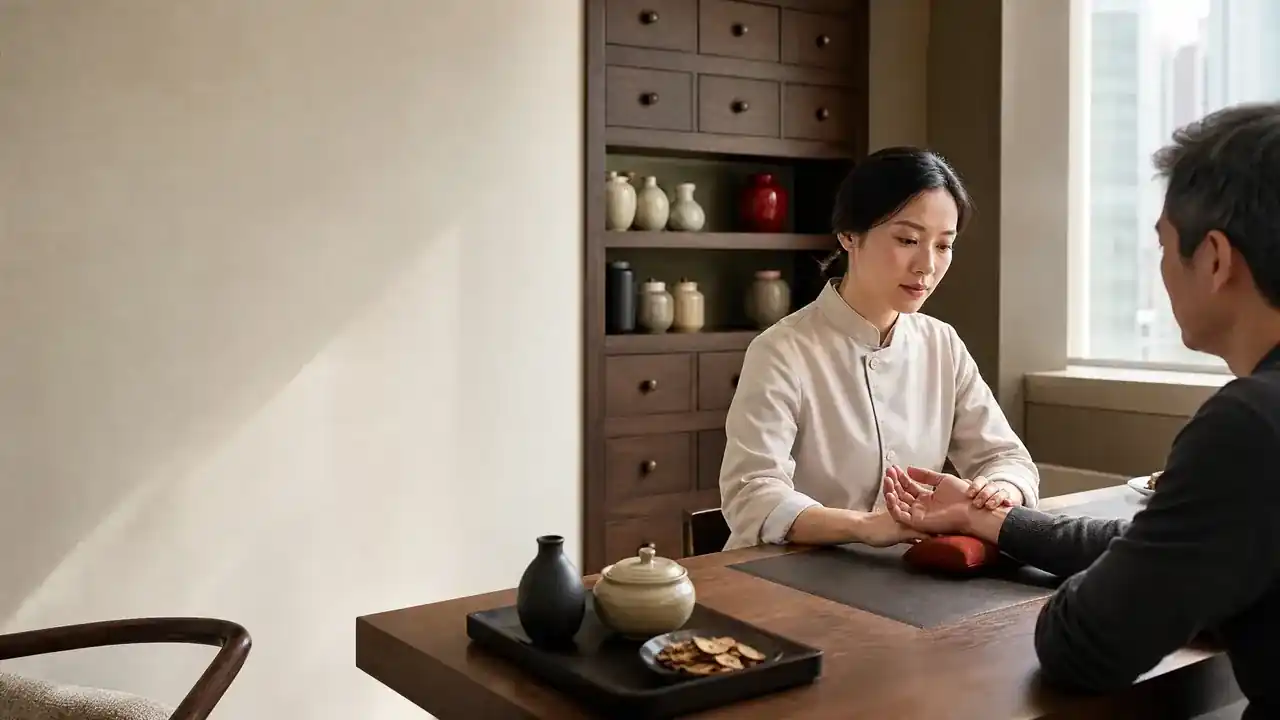
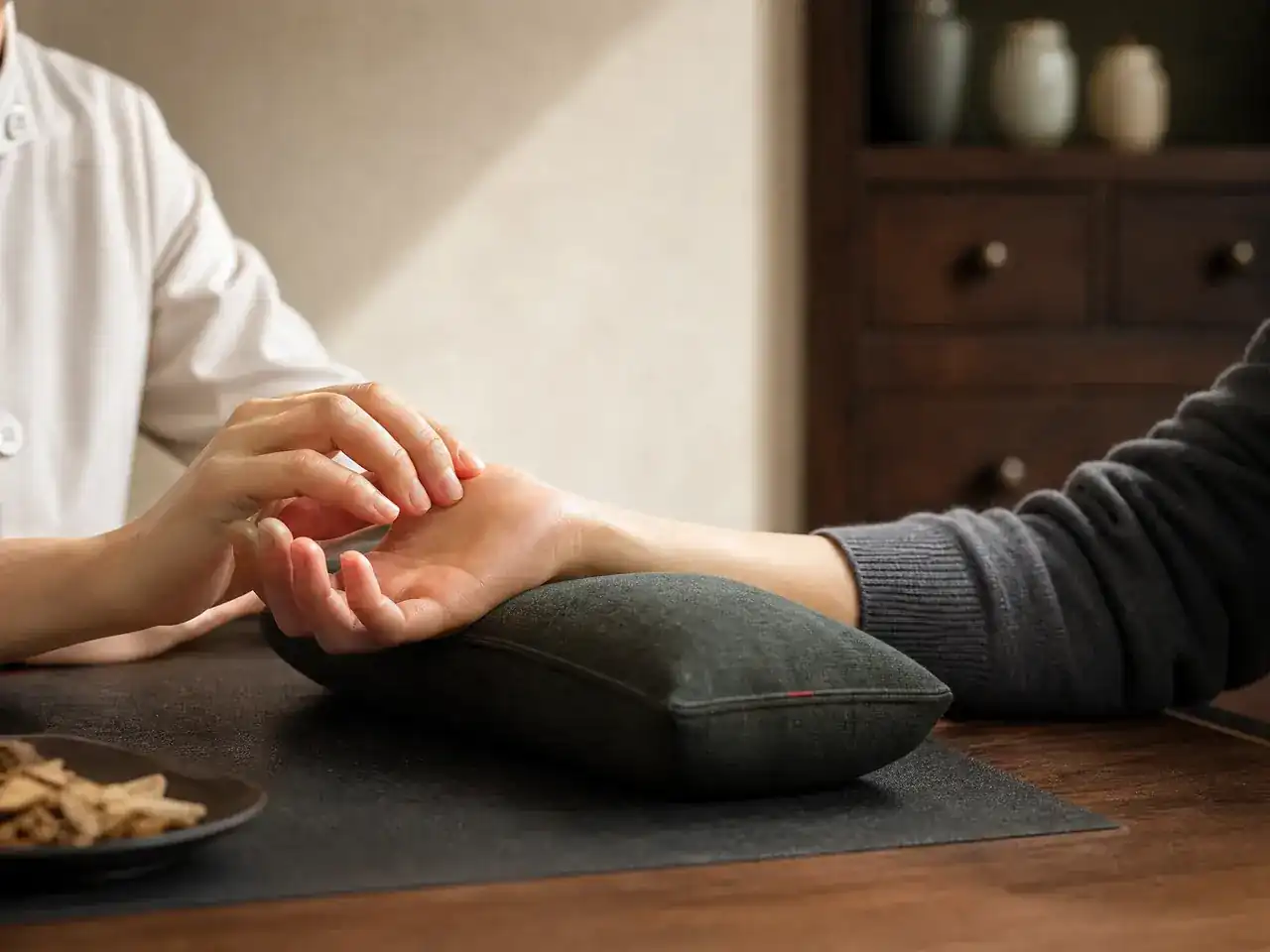
The specific symptoms and constitution of each individual with a nasal allergy can vary significantly. At Harmonia TCM, our registered TCM practitioners will conduct a detailed assessment of your physical condition using the four traditional diagnostic methods: observation, auscultation and olfaction, inquiry, and pulse taking. This involves observing your complexion and tongue, listening to your breathing and voice, asking about your symptom characteristics, lifestyle, and medical history, as well as feeling your pulse. Through this comprehensive evaluation, the practitioner can identify your constitutional type, such as whether it belongs to lung Qi deficiency with cold, spleen Qi deficiency, or kidney Yang deficiency.
Accurate constitutional identification is the foundation for developing a personalized care plan. For instance, a patient with lung Qi deficiency and cold may experience frequent sneezing immediately upon exposure to cold wind. A patient with spleen Qi deficiency might also have a poor appetite and tire easily. Meanwhile, someone with kidney Yang deficiency may suffer from a chronic clear runny nose accompanied by an aversion to cold and cold extremities. Understanding these subtle differences helps the TCM practitioner provide you with more appropriate advice and care.
Directions of TCM Care for Nasal Allergy
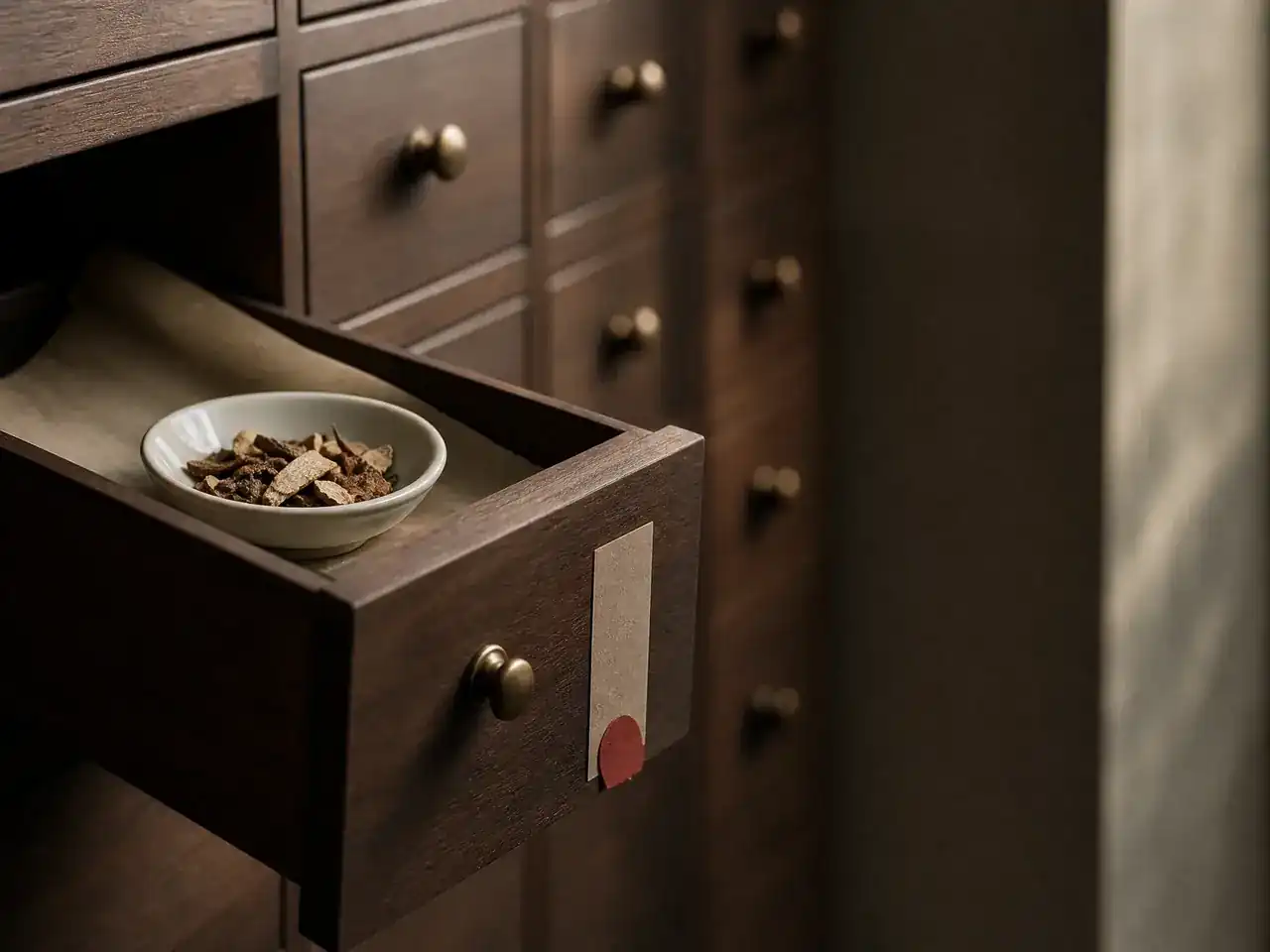
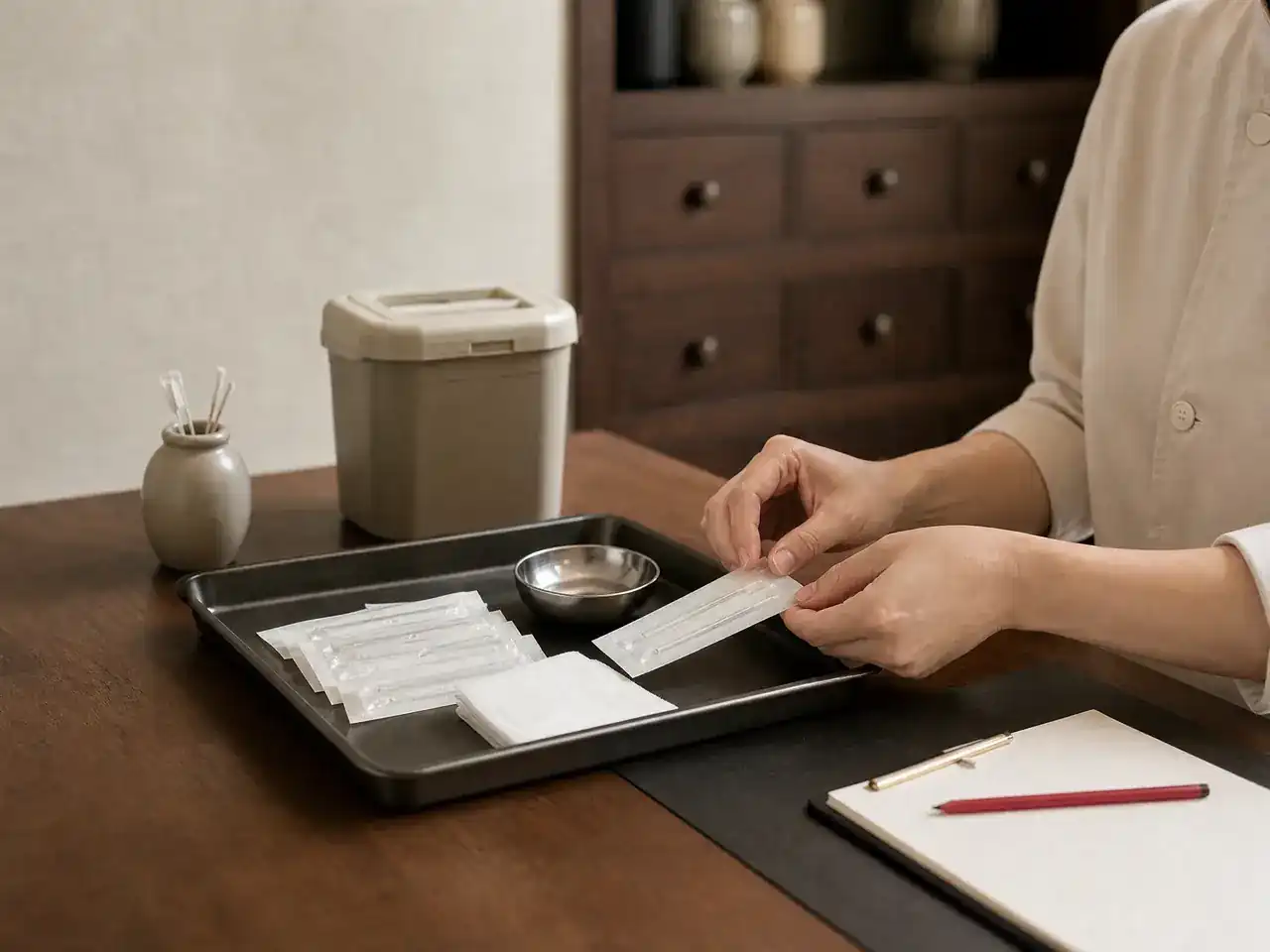
Based on a detailed constitutional assessment, the TCM practitioner will discuss suitable care directions with you. TCM offers various methods for managing nasal allergies, commonly including the internal use of Chinese herbal medicine, acupuncture, Tianjiu (moxibustion with herbal patches), and Tui Na (therapeutic massage). The internal use of herbal medicine aims to regulate the organs from within, prescribing appropriate herbs based on your constitution to achieve effects such as warming the lungs and dispersing cold, strengthening the spleen and replenishing Qi, or warming and tonifying kidney Yang. Acupuncture involves stimulating specific acupoints, such as Yingxiang, Yintang, and Hegu, with the aim of clearing the meridians, harmonizing Qi and blood, and soothing nasal discomfort.
In addition to clinical care, the TCM practitioner will also provide lifestyle and dietary recommendations. For example, patients may be advised to keep warm in their daily lives and avoid direct exposure to air conditioning. In terms of diet, it may be recommended to reduce the intake of raw and cold foods to prevent further damage to the Yang Qi of the spleen and stomach. These comprehensive care measures are designed to help the body restore balance and reduce the frequency and severity of nasal allergy flare-ups.
Common Constitutions and Manifestations in Nasal Allergy
To help you better understand the TCM classification of nasal allergies, below are some common constitutional types and their primary manifestations. Please note that this is intended as general guidance, and an actual constitutional assessment must be performed by a registered TCM practitioner.
| Constitutional Type | Primary Symptoms | Accompanying Symptoms | Care Direction |
|---|---|---|---|
| Lung Qi Deficiency with Cold | Easily triggered by cold wind or temperature changes, itchy nose, sneezing, clear nasal discharge | Prone to catching colds, shortness of breath, pale complexion | Warm the lungs, disperse cold, replenish Qi, and secure the exterior |
| Spleen Qi Deficiency | Severe nasal congestion, clear or sticky white nasal discharge, longer duration of flare-ups | Poor appetite, easily fatigued, soft stools | Strengthen the spleen, replenish Qi, ascend the clear, and resolve dampness |
| Kidney Yang Deficiency | Chronic flare-ups, continuous clear nasal discharge, worse in the morning and evening | Aversion to cold, cold extremities, soreness and weakness in the lower back and knees | Warm and tonify kidney Yang, secure and absorb kidney Qi |
| Latent Heat in the Lung Meridian | Nasal congestion, thick yellow nasal discharge, burning sensation in the nasal cavity | Dry mouth, throat discomfort, easily irritable | Clear heat, disseminate lung Qi, and unblock the nasal passages |
Daily Management and Environmental Control
In addition to seeking professional TCM care, daily management and environmental control are equally important for managing nasal allergies. Keeping the home environment clean, regularly washing bed sheets and duvet covers, and using anti-dust mite bedding can help reduce exposure to allergens. During pollen seasons or when air pollution is severe, wearing a mask outdoors and minimizing time spent outside is advisable. Furthermore, maintaining good indoor air circulation and appropriately using air purifiers can also improve the air quality of your living environment.
Establishing good lifestyle habits also helps strengthen your constitution. Maintain a regular routine, avoid staying up late, and ensure you get adequate sleep. Moderate exercise, such as walking, yoga, or Tai Chi, can promote blood circulation and enhance cardiopulmonary function. Regarding diet, maintain balanced nutritional intake, eat plenty of fresh vegetables and fruits, and avoid excessive consumption of spicy, greasy, or stimulating foods. These daily efforts, combined with professional TCM care, can provide more comprehensive support for your health.
Frequently asked questions
How long does it take for TCM care for nasal allergy to show results?
The effectiveness and time required for TCM care vary depending on the individual's constitution, the severity of the condition, and lifestyle habits. Generally, TCM focuses on fundamentally regulating the constitution, which is a gradual process. Some patients may feel symptom relief within a few weeks, while others may require several months of continuous care. A registered TCM practitioner will provide a more specific expected timeline based on your situation.
Can acupuncture help soothe nasal allergies?
Acupuncture is one of the commonly used methods in TCM care. By stimulating specific acupoints, acupuncture aims to clear the meridians and harmonize Qi and blood. Many patients report that acupuncture helps soothe nasal allergy symptoms such as congestion and a runny nose. However, the suitability of acupuncture must be assessed by a registered TCM practitioner, as it may not be appropriate for everyone.
Do I need to follow any dietary restrictions during TCM care?
Dietary habits have a significant impact on your constitution. TCM practitioners usually advise patients with nasal allergies to reduce their intake of raw and cold foods, such as cold drinks, ice cream, and sashimi, to avoid damaging the Yang Qi of the spleen and stomach. Additionally, spicy, greasy, or highly allergenic foods should be minimized. The practitioner will tailor specific dietary recommendations based on your constitutional assessment.
Can children receive TCM care for nasal allergies?
Yes, children can also receive TCM care. The practitioner will use gentle methods based on the child's age, constitution, and symptoms, such as prescribing herbal medicines suitable for children or performing pediatric Tui Na (massage). Always consult a registered TCM practitioner for professional advice before arranging any care for a child.
What is Tianjiu, and does it help with nasal allergies?
Tianjiu is a traditional TCM external therapy usually performed during specific solar terms (such as the Sanfu or Sanjiu days). It involves applying warm and pungent herbal patches to specific acupoints to warm the meridians, disperse cold, and strengthen the body's resistance. For nasal allergy patients with a cold and deficient constitution, Tianjiu may be a suitable complementary care method. Please consult a practitioner to see if Tianjiu is appropriate for you.
Can I take Chinese herbal medicine if I am currently taking Western medication (like antihistamines)?
Taking Chinese and Western medications simultaneously may cause interactions. To ensure safety, please inform the registered TCM practitioner of all medications you are currently taking, including Western drugs and supplements. The practitioner will assess the situation and may recommend a specific time interval between taking the two types of medication or adjust the herbal prescription accordingly.
Related topics
Sources
Find the Right Nasal Allergy Care Plan for You
Nasal allergy (allergic rhinitis) shouldn't be a constant disruption in your life. The registered TCM practitioners at Harmonia TCM are ready to conduct a detailed constitutional assessment and explore a personalized TCM care plan for you. This information outlines common considerations and assessment directions. If you would like to discuss what may suit you or how an appointment can be arranged, please contact us. Harmonia TCM's only physical clinic is located in Kwun Tong; the information here is intended as general guidance.