TCM Care
Hair loss (including female hair loss)
Hair loss, including female hair loss, is a common concern that may be related to constitution, stress, and lifestyle factors. Harmonia TCM provides detailed assessments from a Chinese medicine perspective to explore suitable care options.
Quick answer: In Traditional Chinese Medicine, hair loss (including female hair loss) is often associated with deficiencies in Qi and blood, liver and kidney imbalances, or damp-heat accumulation. At Harmonia TCM, our registered practitioners conduct thorough assessments to understand your constitution and discuss whether TCM approaches, such as herbal medicine or acupuncture, are appropriate for you. Please note that suitability must be confirmed by a practitioner.
CLEAR PRICES
Interested in a treatment? You are always welcome to ask.
We clearly list our current single, trial and package prices so you can explore at your own pace. You are always welcome to message us on WhatsApp about any service, timing or arrangement.
| Category and service | Content / terms | Public price (HK$) | Booking note | Enquire |
|---|---|---|---|---|
| Hair & scalp | Scalp health and hair-loss support | AI scalp analysis, deep follicle cleansing and oil-control support | Trial offerPackageTrial 380; 6 sessions 3,480; 12 sessions 5,760; 20 sessions 8,600; 30 sessions 11,400 | Average per session for 6/12/20/30: 580/480/430/380 | Ask on WhatsApp |
| Hair & scalp | Hair acupuncture with herbal medicine | Scalp acupuncture with 3 days of decoction-free herbal medicine | Single visitPackageSingle 580; 6 sessions 3,180; 12 sessions 5,760; 20 sessions 8,600; 30 sessions 11,400 | Average per session for 6/12/20/30: 530/480/430/380 | Ask on WhatsApp |
| Hair & scalp | Integrated hair support programme | Acupuncture, herbal medicine and follicle activation; packages include shampoo and serum | Single visitPackageSingle 1,260; 8 sessions 8,640; 16 sessions 15,680; 20 sessions 18,600; 30 sessions 26,400 | Average per session for 8/16/20/30: 1,080/980/930/880 | Ask on WhatsApp |
| Weight management | Full-body acupoint embedding | Full-body acupoint embedding; packages include proportionate days of herbal support | Single visitPackageSingle 980; 10 sessions 7,800; 20 sessions 14,600; 30 sessions 20,400 | Average per session for 10/20/30: 780/730/680 | Ask on WhatsApp |
| Facial acupuncture | Brightening V-face (Essential) | Facial acupuncture, meridian support and swelling management | Trial offerPackageTrial 480; 10 sessions 5,200; 20 sessions 9,600; 30 sessions 13,500 | Average per session for 10/20/30: 520/480/450 | Ask on WhatsApp |
| Facial acupuncture | Firming and refining (Advanced) | Enhanced facial acupuncture for firmness and fine-line concerns with a moisturising mask serum | Trial offerPackageTrial 780; 10 sessions 9,000; 20 sessions 16,600; 30 sessions 23,400 | Average per session for 10/20/30: 900/830/780 | Ask on WhatsApp |
| Pain care | Extracorporeal shockwave therapy | Deep inflammation support and fascial relaxation | Prince Edward: 250 per area; Kwun Tong: 250 for 1 area, 450 for 2, 600 for 3 | Clinic-specific pricing; confirm location before booking | Ask on WhatsApp |
| Pain care | Manual therapy | TCM bone-injury assessment, manual alignment and tui na techniques | Single visitSingle 580 | Suitability is confirmed after assessment | Ask on WhatsApp |
| Pain care | Acupuncture with manual therapy | Acupuncture with manual structural support | Single visitSingle 680 | Suitability is confirmed after assessment | Ask on WhatsApp |
| TCM regulation | Acupuncture with herbal medicine | TCM consultation, whole-body acupuncture and 3 days of decoction-free herbal medicine granules | Single visitSingle 580 | Confirm clinician availability and service arrangement when booking | Ask on WhatsApp |
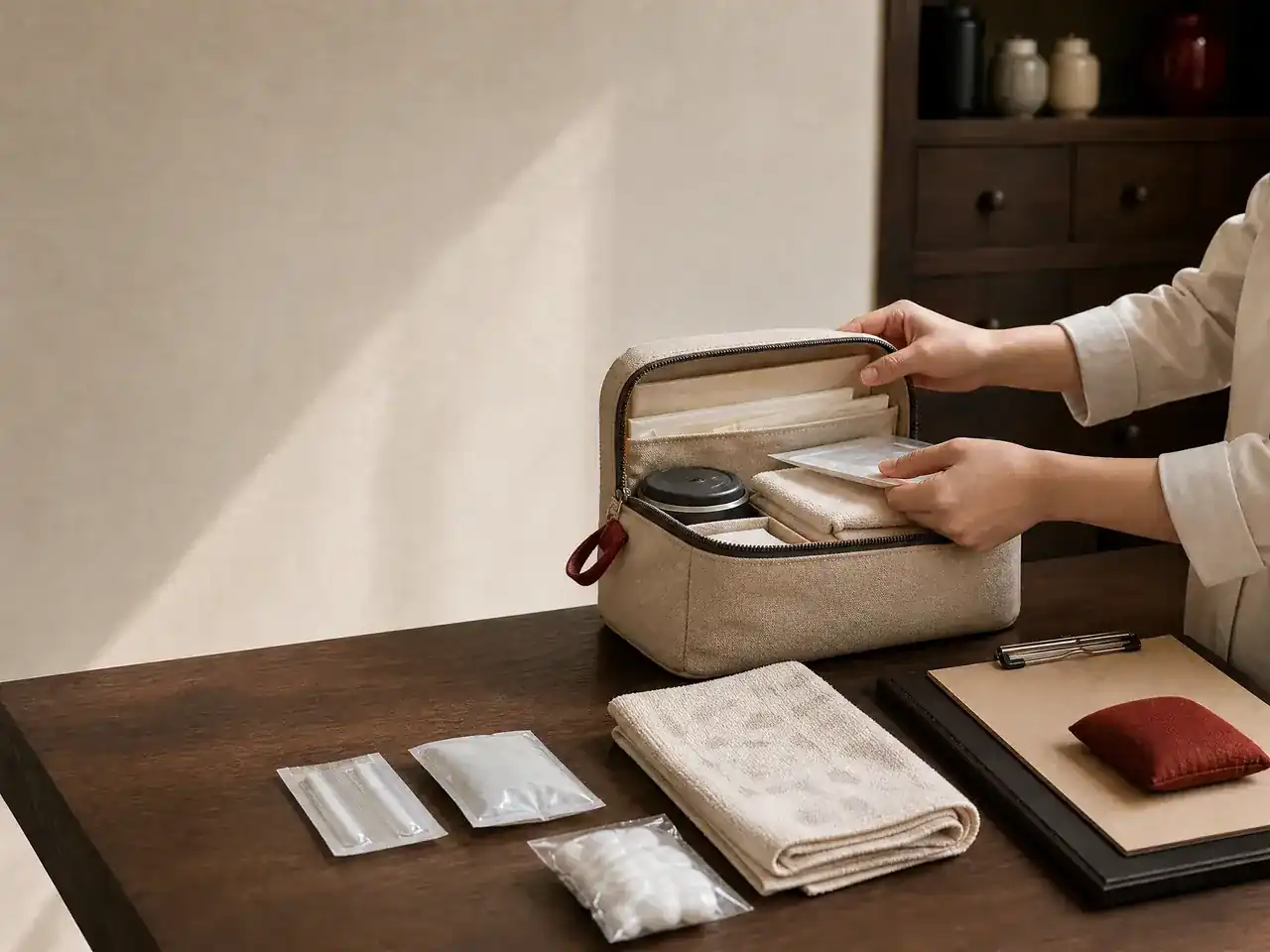
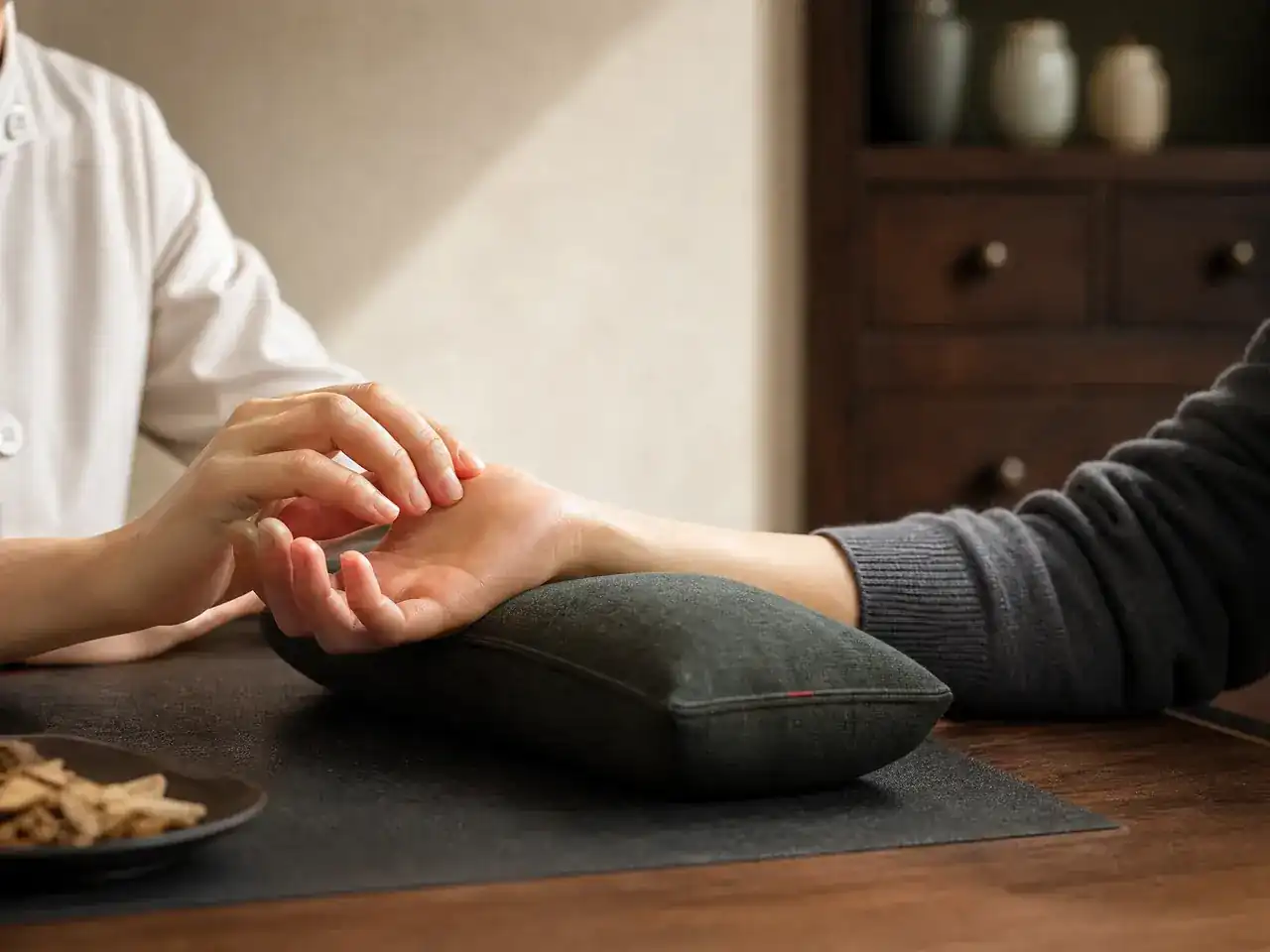
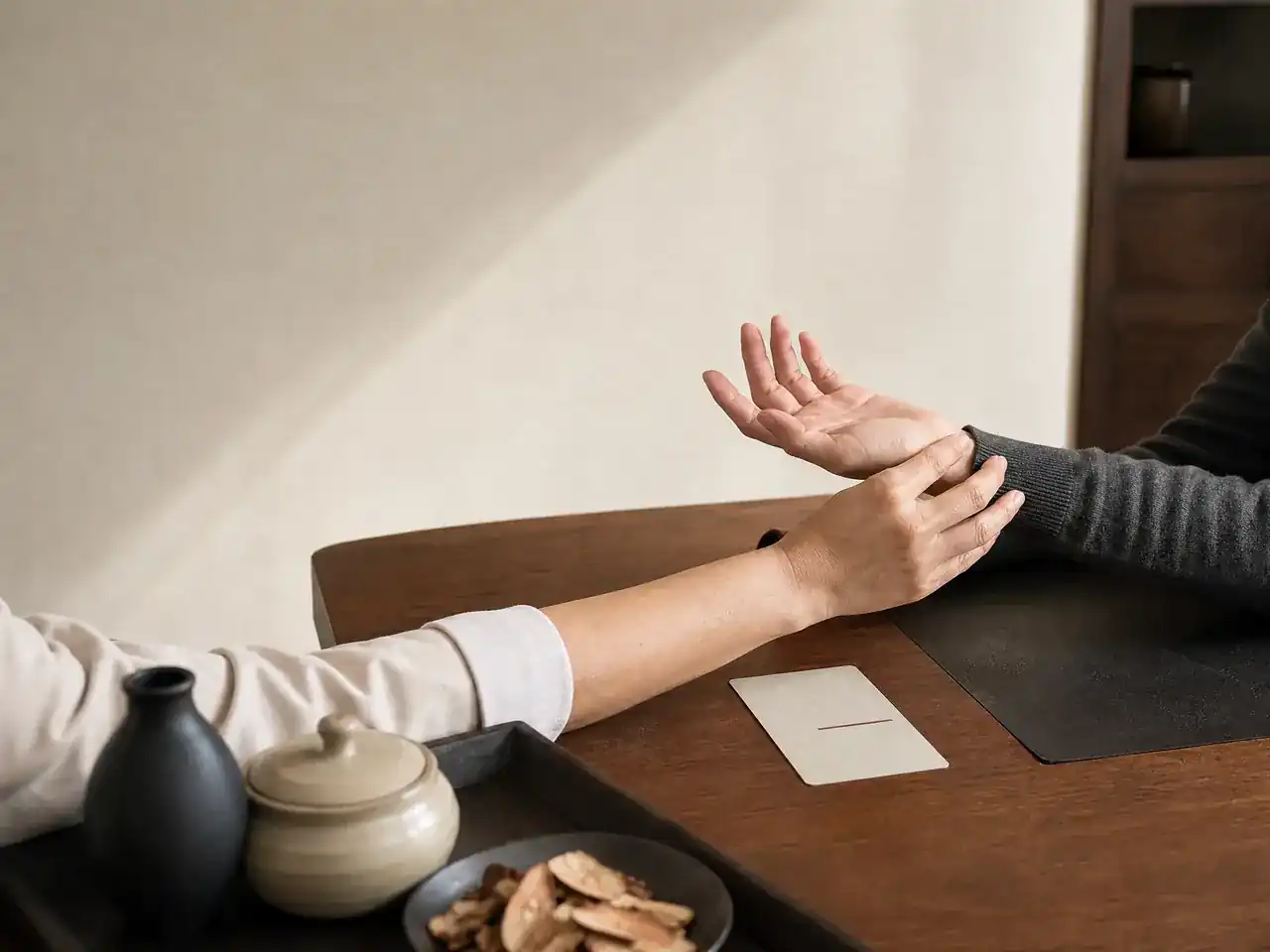
Understanding Hair Loss in Traditional Chinese Medicine and the Holistic Approach
Hair loss, including female hair loss, is a significant health challenge faced by many individuals in modern society. In the comprehensive theory of Traditional Chinese Medicine (TCM), the growth, vitality, and overall health of hair are intricately and closely related to the abundance of Qi and blood, as well as the proper functioning of the internal organs. An ancient and well-known TCM saying states that "hair is the surplus of blood," which implies that sufficient and robust Qi and blood are the fundamental foundation for maintaining healthy hair growth, preserving its natural shine, and ensuring its resilience. When there is a noticeable deficiency in Qi and blood, or a significant imbalance in liver and kidney functions, the essential nutritional supply to the scalp and hair follicles may be severely affected, ultimately leading to the emergence of hair loss problems. TCM firmly believes that the external state of the hair is often a clear mirror reflecting the internal health status, indicating the prosperity or decline of the Zang-Fu organs.
In addition to the crucial factors related to Qi, blood, liver, and kidneys, the fast-paced nature and high-stress environment of modern life, combined with irregular and often unhealthy dietary habits (such as the excessive consumption of spicy, greasy, or overly sweet foods), can easily lead to the internal generation and accumulation of damp-heat or the stagnation of Qi mechanisms. These specific constitutional imbalances can also be directly reflected in the health of the hair, causing excessive scalp oiliness, blocked hair follicles, and eventually triggering substantial hair loss. Therefore, when addressing the complex issue of hair loss, TCM does not merely focus on the scalp or hair follicles for localized treatment but rather looks comprehensively at the overall constitutional status to seek and restore internal balance. By carefully regulating organ functions and improving Qi and blood circulation, TCM aims to fundamentally create a highly favorable internal environment for healthy hair growth.
Special Considerations and Physiological Characteristics of Female Hair Loss
Female hair loss often has its own unique underlying causes and characteristics, which are closely and inextricably linked to women's special physiological structures and life cycles. A woman's regular physiological cycle (menstruation), the demanding process of pregnancy and childbirth, and the transitional menopausal stage can all exert a profound and significant impact on the body's Qi, blood, and endocrine system. For example, the substantial depletion of Qi and blood following childbirth, or the gradual but steady decline of liver and kidney function during menopause, are among the most common and prevalent triggers for hair loss in women. TCM practitioners pay special and meticulous attention to these unique physiological characteristics when assessing female hair loss, ensuring they are fully integrated into the comprehensive evaluation process.
Furthermore, emotional fluctuations and psychological stress are also highly significant factors affecting women's hair health. Modern women often find themselves needing to balance the demanding responsibilities of both family and career. Long-term emotional depression, chronic anxiety, or excessive overthinking can easily lead to the stagnation of liver Qi, which in turn severely affects the normal and smooth circulation of Qi and blood throughout the body. TCM theory holds that "the liver stores blood and governs free flow and discharge," meaning that if liver Qi is not flowing smoothly, it will directly and negatively impact the distribution and nourishing function of the blood. Therefore, when discussing and formulating care plans for female hair loss, soothing the liver, effectively relieving depression, and harmonizing Qi and blood are often considered crucial and indispensable directions. The practitioner will recommend suitable and personalized care methods based on the specific situation, aiming to achieve the harmonious regulation of both body and mind.
Common Constitutional Types and Manifestations of Hair Loss
TCM systematically categorizes the complex problem of hair loss into several different constitutional types, each presenting with its own specific manifestations and underlying organ imbalances. Gaining a clear understanding of these classifications is highly beneficial for making more accurate assessments and providing appropriate, targeted care. The following detailed table lists several common constitutional types associated with hair loss, along with their specific characteristics, for your reference. Through these classifications, we can more clearly observe the intricate connections between hair loss and systemic symptoms.
It is of utmost importance to emphasize that everyone's constitution is entirely unique, and it is quite common for multiple constitutional characteristics to exist simultaneously (known as a mixed constitution). For instance, an individual might simultaneously exhibit symptoms of both liver and kidney deficiency and damp-heat accumulation. Therefore, accurate and reliable constitutional identification must be conducted exclusively by a registered TCM practitioner through the comprehensive application of the four diagnostic methods (meticulous observation of complexion and tongue, careful auscultation and olfaction, detailed inquiry into symptoms and medical history, and precise pulse-taking). It cannot and should not be judged solely based on a single symptom, nor should one attempt self-diagnosis or arbitrary medication.
| Constitutional Type | Common Hair Loss Manifestations | Possible Accompanying Systemic Symptoms | TCM Care Direction and Principles |
|---|---|---|---|
| Liver and Kidney Deficiency | Noticeably thinning, fine hair that falls out easily, sometimes accompanied by premature graying | Persistent soreness and weakness in the lower back and knees, frequent dizziness, tinnitus, poor sleep quality, frequent nocturia | Deeply nourishing the liver and kidneys, replenishing vital essence and blood to strengthen the congenital foundation |
| Qi and Blood Deficiency | Dry, dull, and lifeless hair that breaks easily and exhibits noticeably slow growth | A pale or sallow complexion, chronic fatigue and lack of energy, palpitations, shortness of breath, frequent dizziness | Actively tonifying Qi and blood, strengthening the spleen and nourishing the heart to promote the generation of Qi and blood |
| Damp-Heat Accumulation | Excessively oily scalp, greasy and heavy hair, prone to falling out, often accompanied by noticeable dandruff | A bitter or dry taste in the mouth, a feeling of oppression in the chest, sticky and unsmooth stools, a yellow and greasy tongue coating | Effectively clearing heat and resolving dampness, strengthening the spleen to transform turbidity and improve the scalp microenvironment |
| Blood Heat Generating Wind | Sudden and unexpected localized hair loss (such as alopecia areata), an itchy scalp, or the presence of red patches | Frequent irritability and easily angered, noticeable thirst with a preference for cold drinks, a red tongue body, a string-taut and rapid pulse | Cooling the blood and extinguishing internal wind, nourishing Yin and moistening dryness to calm the heat within the body |
Comprehensive Assessment and Care Approach at Harmonia TCM
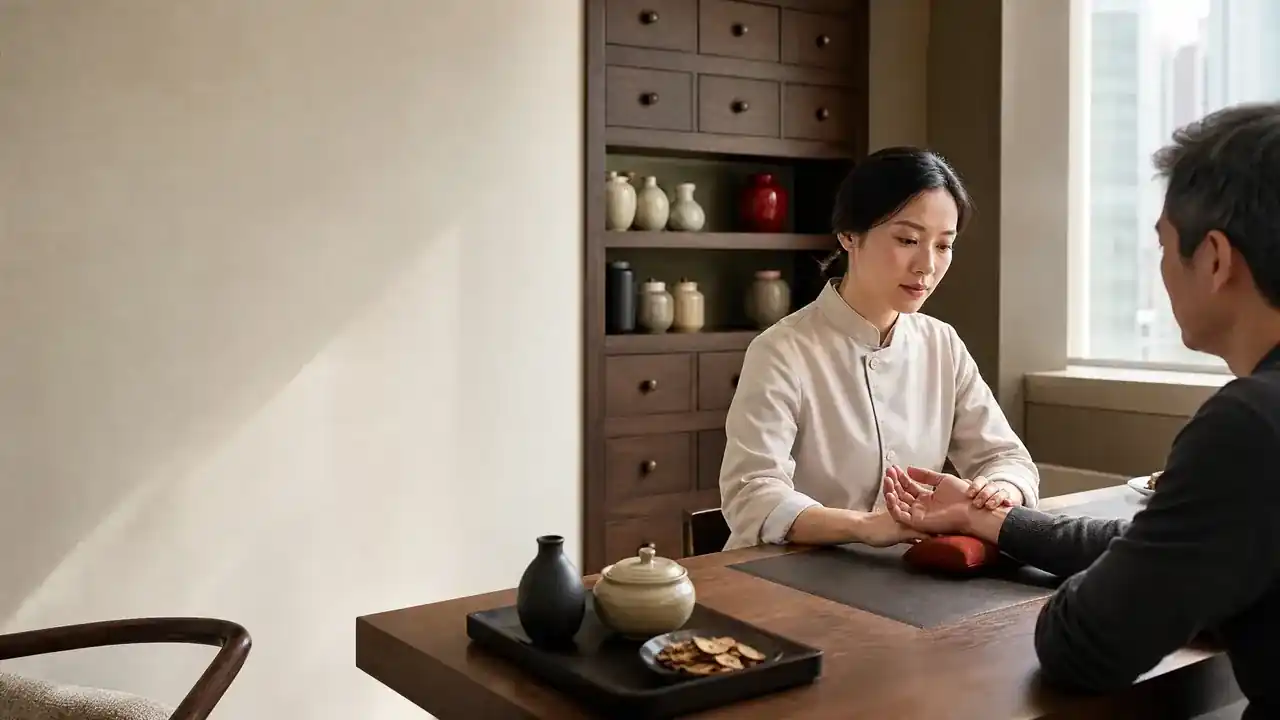
At Harmonia TCM, we deeply value and respect the unique situation and specific needs of each individual seeking our help. When facing the significant distress of hair loss and baldness (including female hair loss), our highly qualified and registered TCM practitioners will conduct a comprehensive, thorough, and meticulous assessment. This extensive process includes a detailed and careful inquiry into your complete medical history, the progression of your hair loss, your daily lifestyle habits, your specific dietary preferences, and your current emotional state. Simultaneously, the practitioner will skillfully combine the observation of your pulse and tongue to accurately and reliably grasp your unique constitutional characteristics and any potential organ imbalances. This all-encompassing assessment is the essential foundation for formulating an effective and personalized care plan.
Based entirely on the comprehensive assessment results, the practitioner will engage in a detailed discussion with you regarding the possible and most suitable care plans. This may include the internal administration of carefully selected Chinese herbal medicine to effectively regulate organ functions, significantly improve Qi and blood conditions, clear accumulated damp-heat from the body, or deeply nourish the liver and kidneys. Alternatively, or in combination, it may involve the use of acupuncture to skillfully clear blocked meridians, actively promote local Qi and blood circulation, and stimulate the vitality of the hair follicles. All proposed plans are meticulously tailored to your specific and unique situation and will be dynamically and carefully adjusted based on your body's response throughout the process. We are fully committed to providing professional, safe, and highly relevant TCM support that precisely meets your needs.
The Importance of Lifestyle Habits and Daily Care Coordination
In addition to receiving professional and targeted TCM care, maintaining healthy daily lifestyle habits is equally crucial and indispensable for preserving hair health and supporting the care process. Keeping a highly regular daily routine and strictly avoiding staying up late helps ensure that the body gets adequate and high-quality rest and repair, which is particularly important for the continuous generation of Qi and blood and the essential maintenance of the liver and kidneys. Regarding diet, it is strongly recommended to maintain a well-balanced intake of various essential nutrients, consuming plenty of foods rich in high-quality proteins, vital vitamins, and necessary minerals. At the same time, one should consciously avoid the excessive consumption of spicy, greasy, raw, cold, or high-sugar foods, so as not to unnecessarily increase the burden on the spleen and stomach or foster the internal accumulation of damp-heat, which would negatively impact scalp health.
Moreover, implementing proper stress management techniques and effective emotional regulation strategies should never be overlooked. Chronic and long-term mental tension can cause the blood vessels in the scalp to constrict, significantly reducing the vital blood supply to the hair follicles. Stress can be effectively relieved and managed through engaging in moderate exercise, practicing meditation or yoga, or actively cultivating enjoyable hobbies. In terms of daily hair care, choosing mild hair care products that are specifically suited to your scalp type, strictly avoiding excessively frequent perming and dyeing, and minimizing the use of high-temperature styling tools are all highly recommended. Keeping the scalp consistently clean and dry, and regularly performing gentle scalp massages, all contribute significantly to promoting healthy blood circulation and creating a highly favorable and optimal environment for hair growth.
Frequently asked questions
How long does it typically take to see noticeable results from TCM care for hair loss?
TCM care primarily focuses on fundamentally improving the overall constitution and the functioning of the internal organs, which is inherently a gradual and progressive process. The time required varies greatly depending on individual constitutional conditions, the severity and underlying causes of the hair loss, and the degree of adherence to lifestyle recommendations. Generally, because the natural growth cycle of hair is relatively long, it may take several months of consistent care to observe initial changes. The practitioner will provide a more specific expectation and set phased goals after conducting a detailed assessment of your unique situation.
Female hair loss is often particularly severe after childbirth. How exactly can TCM assist in this situation?
Postpartum hair loss is very frequently related to the significant depletion of Qi and blood during the demanding process of childbirth, the drastic and rapid changes in hormone levels, and the immense fatigue and stress associated with caring for a newborn. TCM will carefully assess the mother's specific constitution to explore whether methods that tonify Qi and nourish blood, regulate the Chong and Ren meridians, and soothe the liver to relieve depression are suitable to robustly support the body's recovery. The specific and detailed plan must be determined by a practitioner based on individual circumstances, with special and paramount consideration given to the safety of any medication used during the breastfeeding period.
Besides the internal use of herbal medicine, is acupuncture genuinely helpful for treating hair loss?
Acupuncture is indeed one of the commonly and effectively used care methods in TCM. By precisely stimulating specific acupoints on the head and throughout the body, it may help to effectively clear blocked meridians and significantly promote local Qi and blood circulation, thereby improving the vital nutritional supply to the hair follicles. Furthermore, acupuncture is also highly beneficial for regulating the nervous system and effectively relieving stress, which is often a contributing factor to hair loss. The practitioner will thoroughly evaluate your condition to decide whether to include acupuncture in your comprehensive care plan, or whether to use it in combination with herbal medicine to maximize the overall effectiveness.
How should I appropriately change my daily diet to best complement the TCM care for my hair loss?
Dietary recommendations will be specifically tailored based on your unique constitution. Generally speaking, it is highly advised to maintain a well-balanced diet, ensuring an adequate intake of high-quality proteins, essential iron, and vital vitamins. You should consciously reduce the intake of spicy, greasy, and high-sugar foods to prevent fostering internal damp-heat. If your condition involves a deficiency in Qi and blood, the practitioner may suggest consuming appropriate amounts of foods known to help tonify Qi and blood, such as red dates, longan, and black sesame seeds. For specific and highly personalized dietary advice, please consult your attending practitioner during your consultation.
Where exactly does Harmonia TCM conduct its comprehensive hair loss assessment service?
Harmonia TCM's only physical clinic is conveniently located in Kwun Tong. All detailed assessments, face-to-face consultations, and subsequent acupuncture treatments or herbal medicine dispensing are exclusively conducted at the Kwun Tong clinic. The information provided here is for reference purposes only, intended to help you understand our service philosophy, and does not in any way imply that Harmonia TCM has other branches or offers home visit services for this particular care.
If I am currently receiving Western medical treatment for hair loss (such as using topical minoxidil or oral medications), can I still consult a TCM practitioner?
Yes, absolutely. An integrative approach combining both Chinese and Western medicine is feasible and often beneficial in many situations. However, it is absolutely crucial that you proactively and comprehensively inform the TCM practitioner during your consultation about all the Western medical treatments, topical applications, and oral medications you are currently using. This vital information helps the practitioner to comprehensively assess your situation, carefully avoid any potential interactions between different medications, and ensure the utmost safety and suitability of your personalized TCM care plan.
Related topics
Sources
Book a Comprehensive Hair Loss and Constitution Assessment
If you are currently troubled by hair loss and baldness (including female hair loss) and wish to deeply understand your constitutional status from a Traditional Chinese Medicine perspective, you are warmly welcome to contact Harmonia TCM's Kwun Tong clinic. Our highly experienced and registered practitioners will conduct a detailed and thorough assessment to explore the most suitable TCM care options for you. Please note that actual service arrangements and confirmation of suitability for care must be made personally by a practitioner.