TCM Regulation & Constitution Assessment
Thyroid Conditions TCM regulation
Thyroid conditions, including hyperthyroidism and hypothyroidism, can significantly impact your overall metabolism and balance. At Harmonia TCM's physical clinic in Kwun Tong, our registered Chinese medicine practitioners conduct comprehensive constitution assessments using traditional diagnostic methods to explore suitable TCM regulation plans, aiming to help you restore your body's natural harmony.
Quick answer: From a TCM perspective, thyroid conditions such as hyperthyroidism or hypothyroidism are often related to imbalances in Qi, blood, Yin, and Yang. Our registered practitioners at Harmonia TCM provide personalized regulation advice based on your specific symptoms and constitution. Our Kwun Tong clinic offers professional assessments to support your overall well-being, subject to confirmation by our practitioners.
View pricesView Clinic Information
CLEAR PRICES
Interested in a treatment? You are always welcome to ask.
We clearly list our current single, trial and package prices so you can explore at your own pace. You are always welcome to message us on WhatsApp about any service, timing or arrangement.
| Category and service | Content / terms | Public price (HK$) | Booking note | Enquire |
|---|---|---|---|---|
| Hair & scalp | Scalp health and hair-loss support | AI scalp analysis, deep follicle cleansing and oil-control support | Trial offerPackageTrial 380; 6 sessions 3,480; 12 sessions 5,760; 20 sessions 8,600; 30 sessions 11,400 | Average per session for 6/12/20/30: 580/480/430/380 | Ask on WhatsApp |
| Hair & scalp | Hair acupuncture with herbal medicine | Scalp acupuncture with 3 days of decoction-free herbal medicine | Single visitPackageSingle 580; 6 sessions 3,180; 12 sessions 5,760; 20 sessions 8,600; 30 sessions 11,400 | Average per session for 6/12/20/30: 530/480/430/380 | Ask on WhatsApp |
| Hair & scalp | Integrated hair support programme | Acupuncture, herbal medicine and follicle activation; packages include shampoo and serum | Single visitPackageSingle 1,260; 8 sessions 8,640; 16 sessions 15,680; 20 sessions 18,600; 30 sessions 26,400 | Average per session for 8/16/20/30: 1,080/980/930/880 | Ask on WhatsApp |
| Weight management | Full-body acupoint embedding | Full-body acupoint embedding; packages include proportionate days of herbal support | Single visitPackageSingle 980; 10 sessions 7,800; 20 sessions 14,600; 30 sessions 20,400 | Average per session for 10/20/30: 780/730/680 | Ask on WhatsApp |
| Facial acupuncture | Brightening V-face (Essential) | Facial acupuncture, meridian support and swelling management | Trial offerPackageTrial 480; 10 sessions 5,200; 20 sessions 9,600; 30 sessions 13,500 | Average per session for 10/20/30: 520/480/450 | Ask on WhatsApp |
| Facial acupuncture | Firming and refining (Advanced) | Enhanced facial acupuncture for firmness and fine-line concerns with a moisturising mask serum | Trial offerPackageTrial 780; 10 sessions 9,000; 20 sessions 16,600; 30 sessions 23,400 | Average per session for 10/20/30: 900/830/780 | Ask on WhatsApp |
| Pain care | Extracorporeal shockwave therapy | Deep inflammation support and fascial relaxation | Prince Edward: 250 per area; Kwun Tong: 250 for 1 area, 450 for 2, 600 for 3 | Clinic-specific pricing; confirm location before booking | Ask on WhatsApp |
| Pain care | Manual therapy | TCM bone-injury assessment, manual alignment and tui na techniques | Single visitSingle 580 | Suitability is confirmed after assessment | Ask on WhatsApp |
| Pain care | Acupuncture with manual therapy | Acupuncture with manual structural support | Single visitSingle 680 | Suitability is confirmed after assessment | Ask on WhatsApp |
| TCM regulation | Acupuncture with herbal medicine | TCM consultation, whole-body acupuncture and 3 days of decoction-free herbal medicine granules | Single visitSingle 580 | Confirm clinician availability and service arrangement when booking | Ask on WhatsApp |
Understanding Thyroid Conditions from a TCM Perspective
Thyroid conditions encompass various dysfunctions of the thyroid gland, primarily including hyperthyroidism (an overactive thyroid) and hypothyroidism (an underactive thyroid). These conditions affect the body's metabolism, energy expenditure, and the normal functioning of multiple systems. In modern medicine, such issues typically require long-term monitoring and management. Within the framework of traditional Chinese medicine (TCM), thyroid conditions are often viewed as manifestations of disrupted Qi and blood circulation, Yin-Yang imbalance, or organ dysfunction. TCM considers the human body as an organic whole, where local pathological changes are often closely related to systemic imbalances of Qi, blood, Yin, and Yang. Therefore, when addressing thyroid conditions, TCM focuses not only on the local symptoms of the thyroid gland in the neck but also explores the underlying constitutional factors from a holistic perspective.
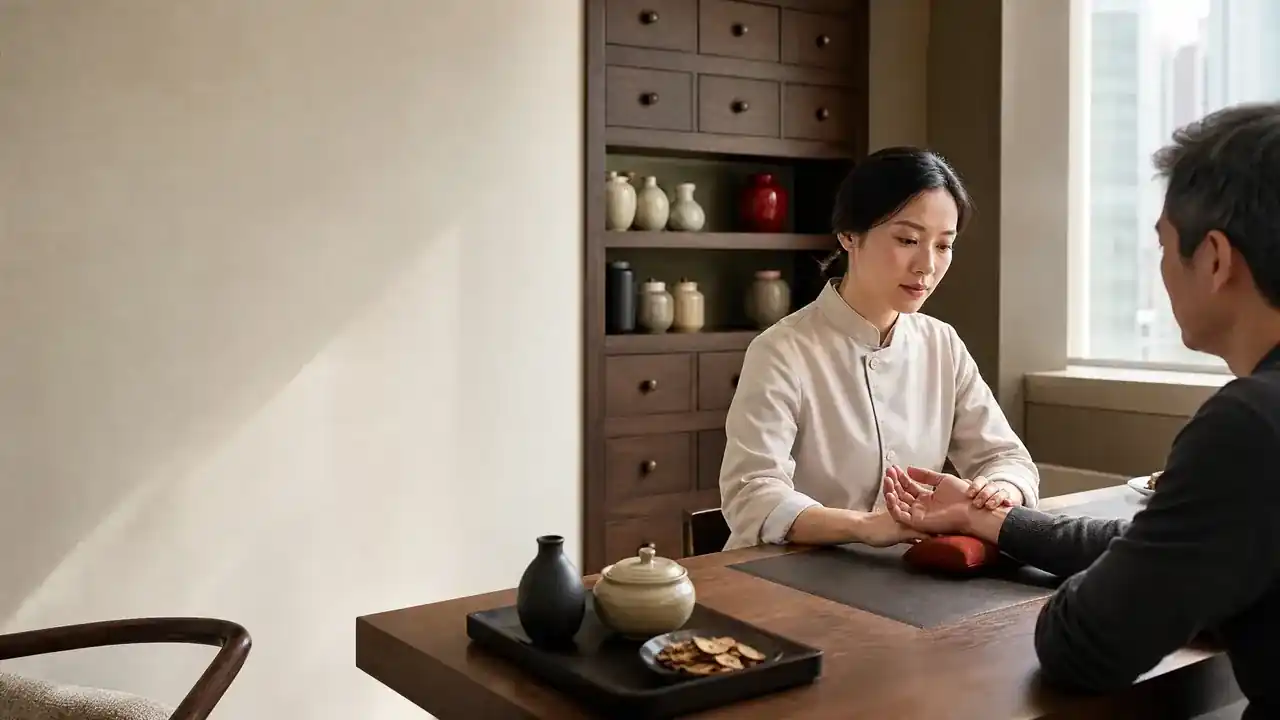
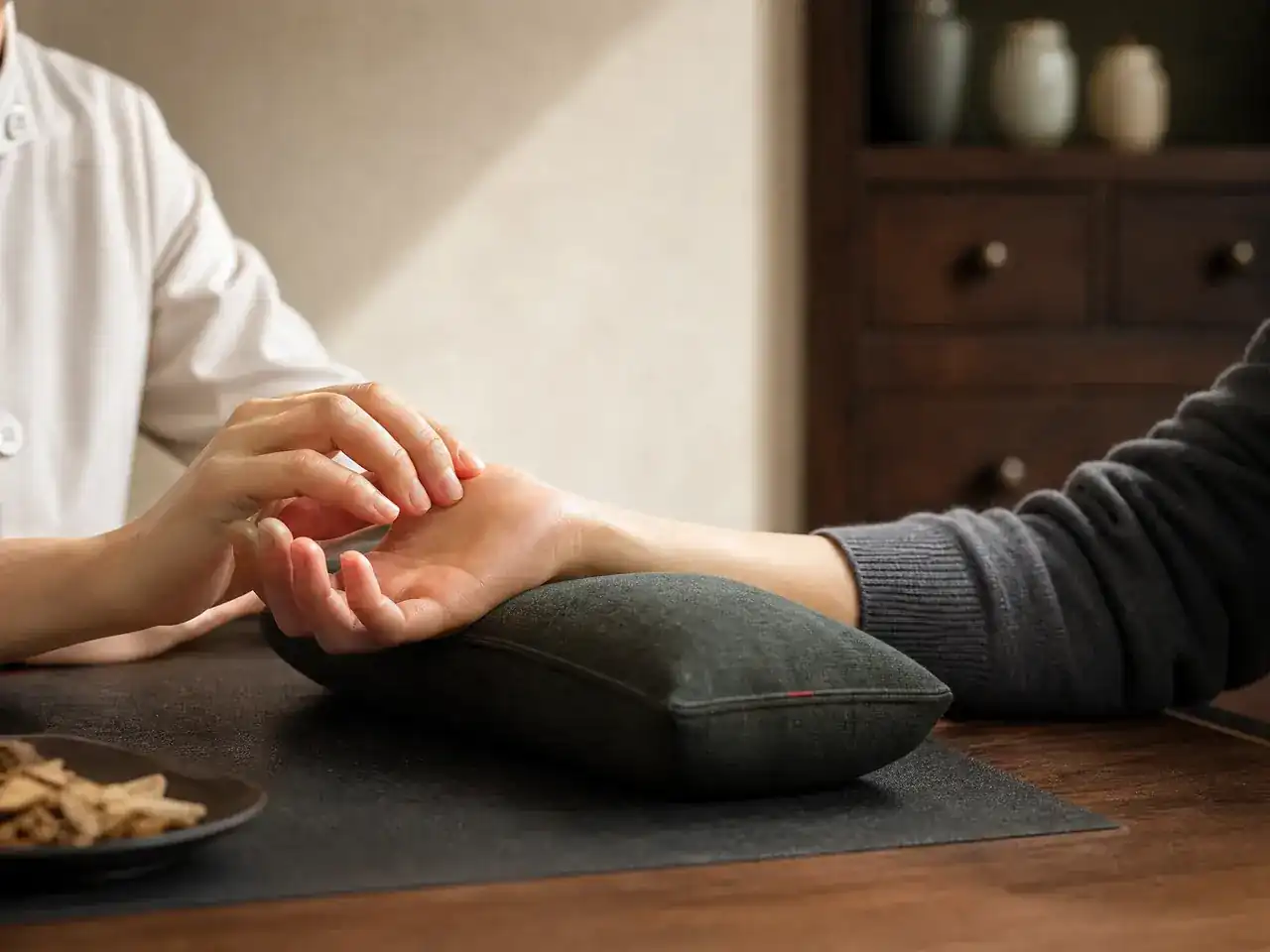
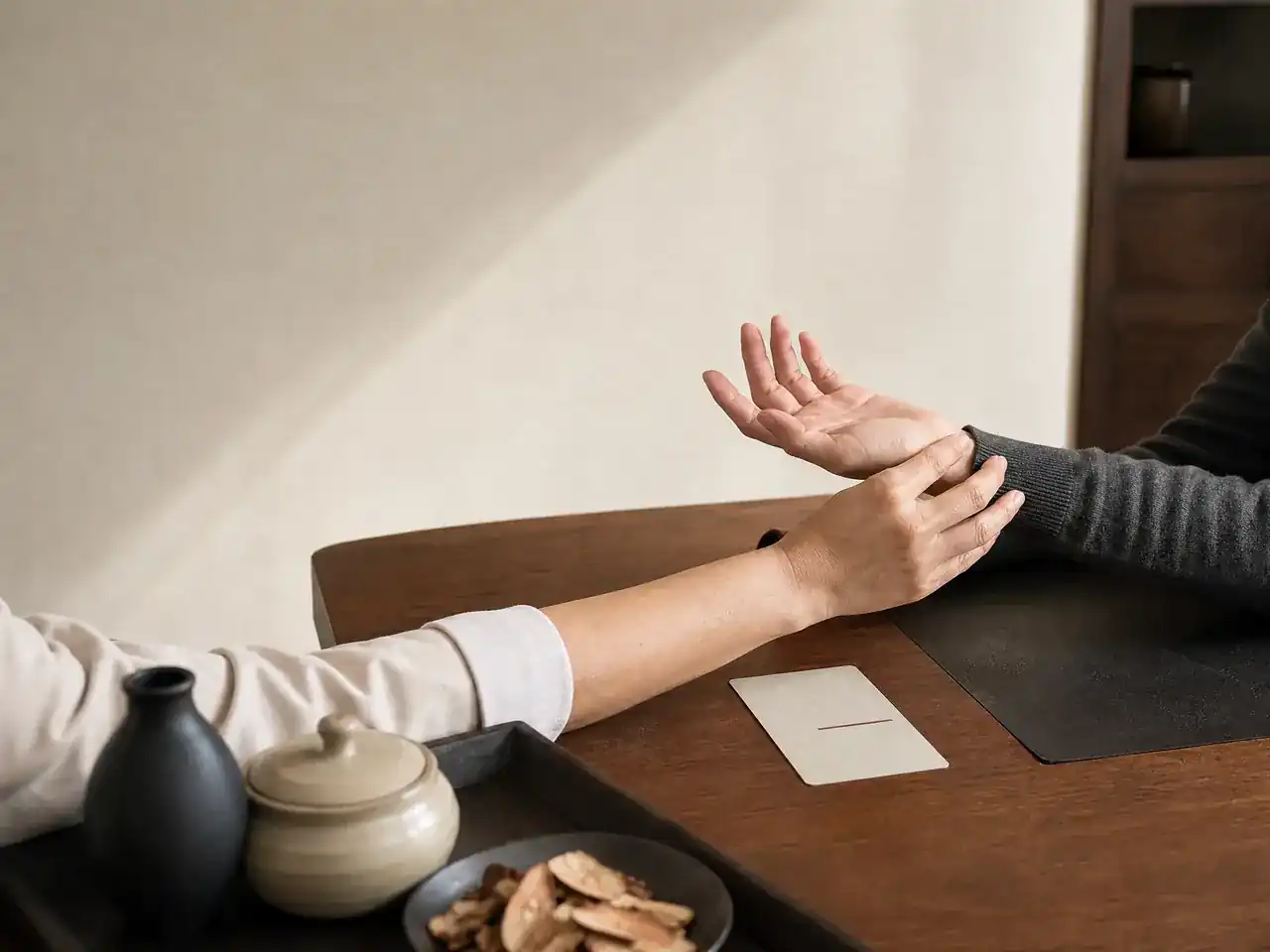
TCM considers that emotional fluctuations, improper diet, or chronic fatigue may act as triggers or exacerbating factors for thyroid issues. For instance, prolonged mental stress or emotional depression may lead to the stagnation of Liver Qi, which in turn affects the normal circulation of Qi and blood. Similarly, an improper diet or excessive fatigue may damage the Spleen and Stomach, resulting in a deficient source for the generation of Qi and blood. Therefore, TCM regulation focuses not only on localized symptoms but also emphasizes the overall balance of the entire body. Through the four diagnostic methods—observation, auscultation and olfaction, inquiry, and pulse-taking—registered TCM practitioners can gain a deep understanding of each patient's unique constitution, thereby formulating targeted regulation plans to provide additional support and relief alongside conventional medical care. This holistic concept allows TCM to offer a multi-dimensional perspective when managing thyroid conditions, helping patients better understand their own health status.
When discussing thyroid conditions, we must recognize that TCM regulation is not intended to replace conventional medical diagnosis and treatment. Instead, it is more often viewed as a complementary approach aimed at relieving the discomfort caused by thyroid dysfunction through improving the constitution and regulating Qi, blood, Yin, and Yang. For example, for the palpitations and excessive sweating commonly seen in patients with hyperthyroidism, TCM may assist in alleviating these symptoms through methods that nourish Yin and reduce fire. Conversely, for the fatigue and aversion to cold commonly seen in patients with hypothyroidism, support may be provided through methods that warm and tonify the Spleen and Kidneys. These regulation methods are all based on a deep understanding and professional assessment of the patient's constitution.
TCM Constitution Analysis for Hyperthyroidism and Hypothyroidism
Patients with hyperthyroidism commonly experience symptoms such as palpitations, excessive sweating, weight loss, and emotional irritability. From a TCM perspective, these manifestations often fall under the categories of 'Yin deficiency with excessive fire' or 'hyperactivity of liver fire.' TCM believes that when Yin is deficient, fire becomes excessive; when the body's Yin fluid is insufficient to restrain Yang energy, a series of hyperactive symptoms will appear. TCM regulation for this constitution focuses on nourishing Yin, reducing fire, and calming the liver, aiming to soothe the overactive physiological state and help the body regain calmness and stability. This may involve the use of certain Chinese herbal medicines with Yin-nourishing and heat-clearing properties, or regulating the circulation of Qi and blood in the meridians through acupuncture. However, the specific regulation plan must be formulated by a registered TCM practitioner based on the patient's actual condition; one should never self-diagnose or self-medicate.
Conversely, patients with hypothyroidism are prone to fatigue, aversion to cold, weight gain, and sluggish responses. In TCM theory, this is typically classified as 'Yang deficiency of the spleen and kidneys' or 'deficiency of both Qi and blood.' TCM considers the Spleen as the foundation of acquired constitution and the Kidneys as the foundation of innate constitution. Yang deficiency of the Spleen and Kidneys will lead to a weakening of the body's warming and promoting functions, resulting in a series of deficient and cold symptoms. For this type of constitution, TCM interventions primarily involve warming and tonifying the spleen and kidneys, as well as replenishing Qi and nourishing blood. The goal is to enhance overall vitality and metabolic function by improving the body's Yang energy and circulation. This may involve the use of Chinese herbal medicines with Yang-warming and Qi-tonifying properties, or warming and unblocking the meridians through methods like moxibustion. Similarly, these regulation methods require the guidance of a professional practitioner.
In addition to the two common constitution types mentioned above, patients seeking help for thyroid conditions may also exhibit other complex constitutional characteristics. For example, some patients may simultaneously experience Qi deficiency and blood stasis, or a coexistence of phlegm-dampness and Qi stagnation. This requires registered TCM practitioners to possess rich clinical experience and keen observation skills during the assessment process, enabling them to accurately identify the patient's constitutional features and formulate a practical regulation plan. At Harmonia TCM, our practitioners will comprehensively understand your health status through detailed inquiries and examinations, ensuring that we provide you with the most suitable TCM support.
TCM Regulation Methods and Personalized Assessment
At Harmonia TCM, we understand that every individual facing thyroid conditions has unique circumstances and needs. Therefore, we strongly emphasize personalized TCM assessments. Our registered practitioners will inquire in detail about your medical history, lifestyle habits, and current conventional treatments to ensure that TCM regulation can safely complement your existing medical regimen. This personalized assessment process not only helps the practitioner accurately grasp your constitutional characteristics but also allows you to clearly understand the goals and expected outcomes of TCM regulation. We believe that only when built on a foundation of full communication and understanding can TCM regulation exert its maximum complementary effect.
TCM regulation methods are diverse and may include herbal prescriptions, acupuncture, or other traditional therapies. The selection and application of these methods depend entirely on the practitioner's professional judgment of your constitution. For instance, for patients with certain constitutions, the practitioner may recommend focusing on herbal regulation, adjusting organ functions through the internal administration of Chinese medicine. For other patients, they may suggest combining acupuncture treatment, unblocking meridians and harmonizing Qi and blood by stimulating specific acupoints. We are committed to providing a safe and comfortable environment where you can receive professional and attentive TCM care at our physical clinic in Kwun Tong. Throughout the regulation process, the practitioner will closely monitor your body's responses and adjust the plan as appropriate based on the actual situation.
Furthermore, TCM regulation also places great importance on lifestyle adjustments. The practitioner may provide advice on diet, daily routine, and emotional management based on your constitutional characteristics. For example, for patients with Yin deficiency and excessive fire, the practitioner may advise avoiding spicy, fried, and other foods that easily promote heat. For patients with Yang deficiency of the Spleen and Kidneys, they may recommend eating more warm and easily digestible foods. These lifestyle adjustments, while seemingly insignificant, are an indispensable part of TCM regulation. By integrating the wisdom of TCM into daily life, we hope to help you better manage your thyroid condition and improve your overall quality of life.
Comparing TCM Regulation and Conventional Medicine for Thyroid Conditions
When dealing with thyroid conditions, many people consider combining the strengths of both Chinese and Western medicine. Conventional medicine typically focuses on directly regulating thyroid hormone levels to control the condition through methods such as medication, radioactive iodine therapy, or surgery. In contrast, TCM regulation places more emphasis on a holistic perspective, aiming to relieve the discomfort caused by thyroid dysfunction by improving the constitution and regulating Qi, blood, Yin, and Yang. The following table briefly compares the different focuses of TCM regulation and conventional medicine in managing thyroid dysfunction, helping you gain a more comprehensive understanding of the characteristics of each approach. Please note that these two methods are not mutually exclusive; in many cases, they can complement each other to provide more comprehensive support for the patient.
| Aspect | Conventional Medicine | TCM Regulation |
|---|---|---|
| Primary Goal | Regulate thyroid hormone levels and control the condition | Improve constitution and promote Yin-Yang balance |
| Assessment Method | Objective indicators like blood tests and ultrasounds | Four diagnostic methods focusing on overall symptoms |
| Interventions | Medication, radioactive iodine therapy, or surgery | Herbal medicine, acupuncture, and lifestyle advice |
| Application Timing | Primary treatment after diagnosis | Complementary support to relieve discomfort |
| Precautions | Strict adherence to medical advice and regular blood tests | Must coordinate with conventional treatment; do not stop medication |
Harmonia TCM's Service Commitment and Coverage
Harmonia TCM's only physical clinic is located in Kwun Tong, where all our professional assessments and TCM regulation services are conducted. The information provided here is intended to help you understand how TCM views and manages thyroid conditions and serves as a reference when seeking TCM support. We do not have other branches, ensuring concentrated and consistent quality of care. We deeply understand that facing a thyroid condition can bring much distress and anxiety, which is why we are dedicated to providing a professional, safe, and caring consultation environment for every patient. At our Kwun Tong clinic, our team will wholeheartedly serve you, answer your questions, and provide appropriate TCM advice.
Please note that the actual availability of the services and arrangements described on this page, their suitability for your personal constitution, and any potential risks must be finally confirmed by our registered TCM practitioners after a personal consultation. We are committed to providing you with professional TCM advice with an honest and transparent attitude. During the process of seeking TCM assistance, we encourage you to maintain open communication and express your feelings and concerns to the practitioner at any time. We believe that through the joint efforts of both doctor and patient, we can formulate the most suitable regulation plan for you, helping you restore your body's natural balance and health when facing thyroid conditions.
Frequently asked questions
Can TCM regulation cure thyroid conditions?
The primary goal of TCM regulation is to improve the constitution, relieve discomfort, and promote overall bodily balance; it cannot guarantee a cure for thyroid conditions. It is typically used as a complementary approach to conventional medicine, and actual results vary depending on individual constitution. We advise patients to maintain reasonable expectations and view TCM regulation as part of their overall health management.
Can I receive TCM regulation while taking Western medication for hyperthyroidism or hypothyroidism?
Yes, but it must be handled with caution. You must clearly inform the registered TCM practitioner of all medications you are taking. The practitioner will assess potential interactions and formulate a safe regulation plan. Never stop taking your Western medication on your own, as this may cause your condition to fluctuate or worsen. The coordination of Chinese and Western medicine requires professional guidance and monitoring.
Does Harmonia TCM have branches outside of Kwun Tong?
No. Harmonia TCM's only physical clinic is located in Kwun Tong, where all in-person consultations and TCM assessments take place. This information is intended as general guidance and does not imply that we have branches in other areas. We concentrate our resources at the Kwun Tong clinic to ensure the provision of stable and high-quality medical services.
How will a TCM practitioner assess my thyroid condition?
A registered TCM practitioner will use the traditional four diagnostic methods—observation, auscultation and olfaction, inquiry, and pulse-taking—combined with your medical history and conventional test reports to comprehensively assess your Qi, blood, Yin, and Yang status, thereby determining your TCM constitution type. This assessment not only focuses on local symptoms but also emphasizes the overall balance of the entire body, helping to formulate a more targeted regulation plan.
Is acupuncture helpful for thyroid conditions?
Acupuncture may help relieve some discomforts caused by thyroid conditions, such as tension, insomnia, or localized muscle tightness. However, whether acupuncture is suitable and the selection of specific acupoints must be determined by a practitioner after a personal assessment. As a traditional therapy, the application of acupuncture needs to be tailored to the individual's specific circumstances.
What should I do if my symptoms suddenly worsen?
If you experience emergency symptoms such as severe palpitations, difficulty breathing, high fever, or confusion, please go to the emergency room or seek immediate conventional medical assistance without delay. In emergency situations, the immediate intervention of conventional medicine is crucial for ensuring life safety. Please be sure to keep these red flag symptoms in mind.
Related topics
Sources
Seek a Professional TCM Constitution Assessment
If you wish to learn how TCM can assist in regulating thyroid conditions, please contact our clinic in Kwun Tong. Our registered TCM practitioners will provide you with a professional, personalized assessment to help you find suitable support when facing challenges like hyperthyroidism or hypothyroidism.