TCM Care
Constipation
Constipation is a common digestive issue that can significantly impact your quality of life and overall well-being. In Traditional Chinese Medicine (TCM), constipation is closely related to your constitution, diet, emotions, and organ functions. Through professional TCM assessment, we aim to identify the root cause of your constipation and provide appropriate care to restore harmony.
Quick answer: Constipation involves infrequent bowel movements, hard stools, or difficulty passing stool. TCM approaches constipation by identifying your specific constitution (such as heat, qi stagnation, deficiency, or cold types) and using herbal medicine and acupuncture to improve digestive function and promote regular bowel movements.
View pricesLearn About Booking
CLEAR PRICES
Interested in a treatment? You are always welcome to ask.
We clearly list our current single, trial and package prices so you can explore at your own pace. You are always welcome to message us on WhatsApp about any service, timing or arrangement.
| Category and service | Content / terms | Public price (HK$) | Booking note | Enquire |
|---|---|---|---|---|
| Hair & scalp | Scalp health and hair-loss support | AI scalp analysis, deep follicle cleansing and oil-control support | Trial offerPackageTrial 380; 6 sessions 3,480; 12 sessions 5,760; 20 sessions 8,600; 30 sessions 11,400 | Average per session for 6/12/20/30: 580/480/430/380 | Ask on WhatsApp |
| Hair & scalp | Hair acupuncture with herbal medicine | Scalp acupuncture with 3 days of decoction-free herbal medicine | Single visitPackageSingle 580; 6 sessions 3,180; 12 sessions 5,760; 20 sessions 8,600; 30 sessions 11,400 | Average per session for 6/12/20/30: 530/480/430/380 | Ask on WhatsApp |
| Hair & scalp | Integrated hair support programme | Acupuncture, herbal medicine and follicle activation; packages include shampoo and serum | Single visitPackageSingle 1,260; 8 sessions 8,640; 16 sessions 15,680; 20 sessions 18,600; 30 sessions 26,400 | Average per session for 8/16/20/30: 1,080/980/930/880 | Ask on WhatsApp |
| Weight management | Full-body acupoint embedding | Full-body acupoint embedding; packages include proportionate days of herbal support | Single visitPackageSingle 980; 10 sessions 7,800; 20 sessions 14,600; 30 sessions 20,400 | Average per session for 10/20/30: 780/730/680 | Ask on WhatsApp |
| Facial acupuncture | Brightening V-face (Essential) | Facial acupuncture, meridian support and swelling management | Trial offerPackageTrial 480; 10 sessions 5,200; 20 sessions 9,600; 30 sessions 13,500 | Average per session for 10/20/30: 520/480/450 | Ask on WhatsApp |
| Facial acupuncture | Firming and refining (Advanced) | Enhanced facial acupuncture for firmness and fine-line concerns with a moisturising mask serum | Trial offerPackageTrial 780; 10 sessions 9,000; 20 sessions 16,600; 30 sessions 23,400 | Average per session for 10/20/30: 900/830/780 | Ask on WhatsApp |
| Pain care | Extracorporeal shockwave therapy | Deep inflammation support and fascial relaxation | Prince Edward: 250 per area; Kwun Tong: 250 for 1 area, 450 for 2, 600 for 3 | Clinic-specific pricing; confirm location before booking | Ask on WhatsApp |
| Pain care | Manual therapy | TCM bone-injury assessment, manual alignment and tui na techniques | Single visitSingle 580 | Suitability is confirmed after assessment | Ask on WhatsApp |
| Pain care | Acupuncture with manual therapy | Acupuncture with manual structural support | Single visitSingle 680 | Suitability is confirmed after assessment | Ask on WhatsApp |
| TCM regulation | Acupuncture with herbal medicine | TCM consultation, whole-body acupuncture and 3 days of decoction-free herbal medicine granules | Single visitSingle 580 | Confirm clinician availability and service arrangement when booking | Ask on WhatsApp |


Understanding Constipation from a TCM Perspective
Constipation is a prevalent health concern, with many individuals experiencing infrequent bowel movements, hard stools, or difficulty during defecation. In modern medicine, it is often associated with a lack of dietary fiber, insufficient fluid intake, a sedentary lifestyle, or the side effects of certain medications. However, from the perspective of Traditional Chinese Medicine (TCM), constipation is not merely an isolated issue of the large intestine but a manifestation of systemic organ dysfunction.
TCM refers to constipation as 'difficulty in defecation' and believes it is closely related to the impaired conduction function of the large intestine. This function is, in turn, influenced by other organs such as the spleen, stomach, liver, and kidneys. For instance, a weak spleen and stomach may lead to insufficient driving force in the intestines; liver qi stagnation can affect the flow of qi, causing difficult bowel movements; and kidney yang deficiency may result in a lack of warmth in the intestines, leading to cold-type constipation. Therefore, TCM emphasizes a holistic approach, tailoring treatments based on individual constitutions.
Understanding the TCM perspective on constipation helps us view the issue more comprehensively. Through a professional assessment by a registered TCM practitioner, the specific type of constipation can be accurately identified, allowing for a targeted care plan that not only improves bowel movements but also enhances overall health.
Common TCM Patterns of Constipation
Based on a patient's symptoms, constitution, and tongue and pulse diagnosis, TCM categorizes constipation into several distinct patterns. The most common types include heat constipation, qi stagnation constipation, deficiency constipation, and cold constipation. Each type has different underlying causes and manifestations, requiring different approaches to care.
Heat constipation is often associated with an improper diet, such as excessive consumption of spicy and rich foods, which leads to heat accumulation in the stomach and intestines. This depletes body fluids and causes dry, hard stools. Patients may also experience dry mouth, bad breath, and abdominal bloating. Qi stagnation constipation is frequently seen in individuals under high stress or emotional tension. Liver qi stagnation impairs the smooth flow of qi, leading to weak intestinal conduction. Patients often feel the urge to defecate but have difficulty doing so, accompanied by a feeling of fullness in the chest and sides.
Deficiency and cold constipation are more common in individuals with a weak constitution or the elderly. Deficiency constipation is primarily due to a lack of qi and blood, leaving the intestines un-nourished and lacking driving force. Patients often feel fatigued after a bowel movement. Cold constipation results from insufficient yang qi and excessive internal cold, which slows down intestinal conduction. Patients may experience cold extremities and cold abdominal pain. Accurately identifying these patterns is crucial for effective TCM care.
TCM Approaches to Managing Constipation
TCM offers a variety of methods for managing constipation, primarily including the internal use of herbal medicine, acupuncture, and lifestyle adjustments. A registered TCM practitioner will flexibly apply these methods based on the patient's specific pattern to achieve the best results.
Herbal medicine is central to TCM care for constipation. For heat constipation, herbs that clear heat and moisten the intestines are often used; for qi stagnation, the focus is on regulating qi and removing stagnation; deficiency constipation requires herbs that tonify qi, nourish blood, and moisten the intestines; while cold constipation needs herbs that warm yang and promote bowel movements. Herbal medicine not only improves bowel movements but also regulates organ functions, addressing the root cause.
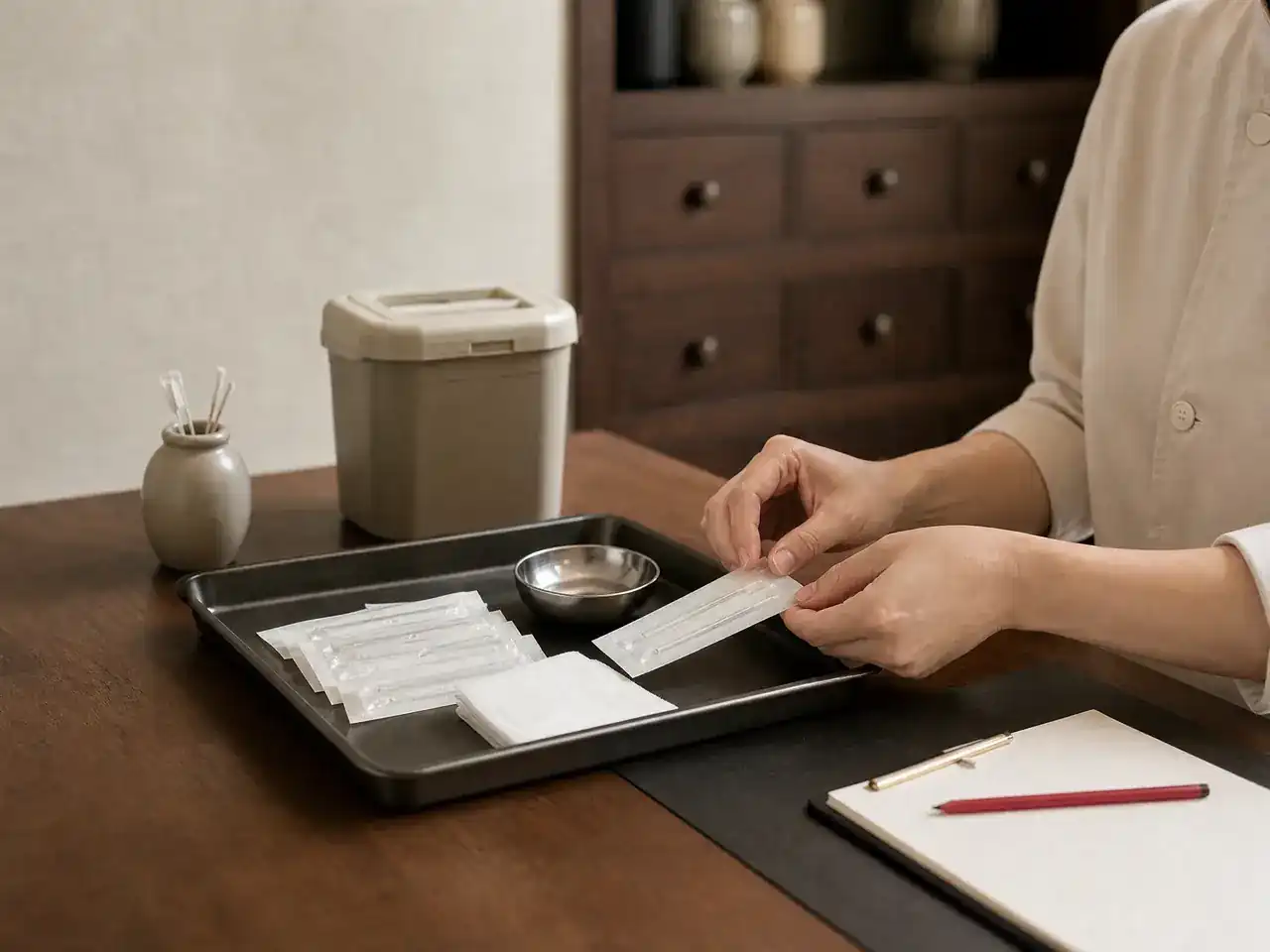
Acupuncture is another important tool in TCM for constipation. By stimulating specific acupoints, such as Tianshu, Zusanli, and Dachangshu, acupuncture can regulate gastrointestinal motility, promote the flow of qi and blood, and help alleviate constipation symptoms. Additionally, practitioners will provide dietary and lifestyle advice tailored to the patient's constitution, such as increasing dietary fiber, maintaining a regular sleep schedule, and engaging in moderate exercise to consolidate the effects of the care.
Comparison of TCM Constipation Patterns
To help you better understand the different types of constipation in TCM, we have compiled the following comparison table. Please note that this is intended as general guidance, and an actual constitutional assessment must be performed by a registered TCM practitioner.
| Pattern | Primary Cause | Common Symptoms | Care Direction |
|---|---|---|---|
| Heat Constipation | Heat accumulation in stomach/intestines, fluid depletion | Dry stools, dry mouth, bad breath, abdominal bloating | Clear heat, moisten intestines |
| Qi Stagnation | Liver qi stagnation, impaired qi flow | Urge to defecate with difficulty, chest/side fullness | Regulate qi, remove stagnation |
| Deficiency | Lack of qi and blood, un-nourished intestines | Weak defecation, post-bowel fatigue, pale complexion | Tonify qi/blood, moisten intestines |
| Cold Constipation | Insufficient yang qi, excessive internal cold | Difficult defecation, cold extremities, cold abdominal pain | Warm yang, promote bowel movements |
Daily Digestive Care and Maintenance
In addition to receiving professional TCM care, daily digestive maintenance is equally important for preventing and improving constipation. Good lifestyle habits are the foundation of intestinal health.
Firstly, maintain a balanced diet by appropriately increasing the intake of fiber-rich foods, such as vegetables, fruits, and whole grains, and ensure adequate fluid intake. Avoid excessive consumption of spicy, greasy, or raw and cold foods, which can impair spleen and stomach functions. Secondly, establish a regular bowel habit by trying to defecate at a fixed time each day and avoiding holding in bowel movements.
Furthermore, moderate exercise can promote gastrointestinal motility and facilitate smooth bowel movements. Maintaining a good mood and proper stress management are also key, as emotional fluctuations can easily affect the liver's function of maintaining the smooth flow of qi, thereby impacting digestive function. Through these daily care and maintenance practices, the occurrence of constipation can be effectively reduced, maintaining a healthy digestive state.
Professional Assessment and Support at Harmonia TCM
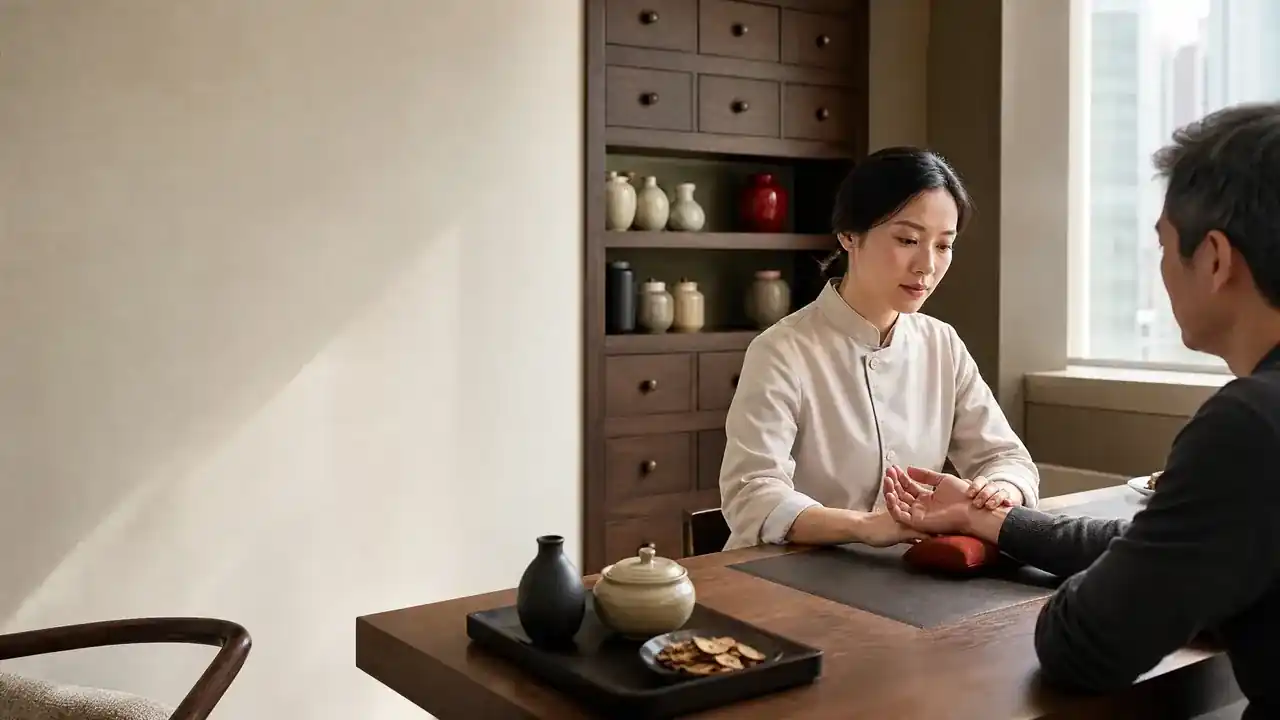
At Harmonia TCM, we understand the impact constipation can have on your life. Our registered TCM practitioners will conduct a comprehensive assessment of your constitution and symptoms through detailed observation, listening, questioning, and pulse taking, to develop a personalized care plan for you.
We emphasize communication between practitioner and patient. During the assessment, the practitioner will patiently listen to your needs and concerns, and thoroughly explain the principles and expected outcomes of the care. We are committed to providing safe and professional TCM services to help you restore your body's balance and health.
Please note that service availability, suitability and arrangements require individual confirmation. If you are considering care, we can first discuss what may suit you and how an appointment can be arranged. Harmonia TCM's only physical clinic is located in Kwun Tong; the content here is intended as general guidance and does not imply the existence of other branches.
Frequently asked questions
How long does it take for TCM care for constipation to show results?
The effectiveness of TCM care for constipation varies from person to person, depending on individual constitution, the severity of the constipation, and how long the condition has been present. Generally, mild constipation may show improvement within a few weeks, while chronic constipation requires a longer period of sustained care. The practitioner will provide a reasonable expectation after the assessment.
Is acupuncture for constipation painful?
Acupuncture typically only produces a mild aching, numbness, or distending sensation, which is a normal 'De Qi' response and is well-tolerated by most people. The registered TCM practitioners at Harmonia TCM are highly experienced and use professional techniques to minimize any discomfort.
What dietary precautions should people with constipation take?
Individuals with constipation should maintain a balanced diet, appropriately increase their intake of fiber-rich foods like vegetables, fruits, and whole grains, and ensure adequate hydration. At the same time, they should avoid excessive consumption of spicy, greasy, or raw and cold foods to prevent adding burden to the digestive system. Specific dietary advice should be provided by a TCM practitioner based on individual constitution.
What are the adverse effects of long-term reliance on laxatives?
Long-term reliance on laxatives can lead to intestinal dependency on the medication, weakening the intestines' natural motility, and may even cause 'laxative bowel disease'. TCM care aims to improve digestive function and address the root cause of constipation, reducing reliance on medications.
Can emotional stress really cause constipation?
Yes, in TCM, emotional stress is believed to cause liver qi stagnation, which affects the smooth flow of qi and leads to weak intestinal conduction, resulting in qi stagnation constipation. Therefore, maintaining a good mood and proper stress management are very important for preventing and improving constipation.
Is Harmonia TCM's constipation care service suitable for the elderly?
Yes, constipation in the elderly is often of the deficiency or cold type. Our registered TCM practitioners will use gentle care methods, such as tonifying qi and blood or warming yang to promote bowel movements, based on the elderly person's constitutional characteristics. Actual suitability and specific arrangements must be confirmed by a practitioner after assessment.
Related topics
Sources
Seek Professional TCM Assessment
If you are troubled by constipation, you are welcome to book a detailed assessment with a registered TCM practitioner at Harmonia TCM. We will develop a personalized care plan to help you restore your digestive health. Please note that the actual availability of this service must be confirmed by the clinic.