Internal Medicine
Diabetes (TCM)
Diabetes is a prevalent chronic metabolic condition that can affect multiple systems in the body over time. TCM for diabetes focuses on restoring the body's internal balance and harmony. By employing the principles of syndrome differentiation, our registered Chinese medicine practitioners provide tailored support for different stages of the condition. At Harmonia TCM, we are dedicated to offering professional assessments and comprehensive complication care, aiming to enhance your daily life and overall wellness.
Quick answer: TCM for diabetes utilizes syndrome differentiation to create personalized care plans based on your unique constitution, such as yin deficiency with dry heat. This approach aims to support complication care and alleviate discomforts like excessive thirst and fatigue. Our registered practitioners at Harmonia TCM will design a suitable regimen to help restore your body's natural balance.
CLEAR PRICES
Interested in a treatment? You are always welcome to ask.
We clearly list our current single, trial and package prices so you can explore at your own pace. You are always welcome to message us on WhatsApp about any service, timing or arrangement.
| Category and service | Content / terms | Public price (HK$) | Booking note | Enquire |
|---|---|---|---|---|
| Hair & scalp | Scalp health and hair-loss support | AI scalp analysis, deep follicle cleansing and oil-control support | Trial offerPackageTrial 380; 6 sessions 3,480; 12 sessions 5,760; 20 sessions 8,600; 30 sessions 11,400 | Average per session for 6/12/20/30: 580/480/430/380 | Ask on WhatsApp |
| Hair & scalp | Hair acupuncture with herbal medicine | Scalp acupuncture with 3 days of decoction-free herbal medicine | Single visitPackageSingle 580; 6 sessions 3,180; 12 sessions 5,760; 20 sessions 8,600; 30 sessions 11,400 | Average per session for 6/12/20/30: 530/480/430/380 | Ask on WhatsApp |
| Hair & scalp | Integrated hair support programme | Acupuncture, herbal medicine and follicle activation; packages include shampoo and serum | Single visitPackageSingle 1,260; 8 sessions 8,640; 16 sessions 15,680; 20 sessions 18,600; 30 sessions 26,400 | Average per session for 8/16/20/30: 1,080/980/930/880 | Ask on WhatsApp |
| Weight management | Full-body acupoint embedding | Full-body acupoint embedding; packages include proportionate days of herbal support | Single visitPackageSingle 980; 10 sessions 7,800; 20 sessions 14,600; 30 sessions 20,400 | Average per session for 10/20/30: 780/730/680 | Ask on WhatsApp |
| Facial acupuncture | Brightening V-face (Essential) | Facial acupuncture, meridian support and swelling management | Trial offerPackageTrial 480; 10 sessions 5,200; 20 sessions 9,600; 30 sessions 13,500 | Average per session for 10/20/30: 520/480/450 | Ask on WhatsApp |
| Facial acupuncture | Firming and refining (Advanced) | Enhanced facial acupuncture for firmness and fine-line concerns with a moisturising mask serum | Trial offerPackageTrial 780; 10 sessions 9,000; 20 sessions 16,600; 30 sessions 23,400 | Average per session for 10/20/30: 900/830/780 | Ask on WhatsApp |
| Pain care | Extracorporeal shockwave therapy | Deep inflammation support and fascial relaxation | Prince Edward: 250 per area; Kwun Tong: 250 for 1 area, 450 for 2, 600 for 3 | Clinic-specific pricing; confirm location before booking | Ask on WhatsApp |
| Pain care | Manual therapy | TCM bone-injury assessment, manual alignment and tui na techniques | Single visitSingle 580 | Suitability is confirmed after assessment | Ask on WhatsApp |
| Pain care | Acupuncture with manual therapy | Acupuncture with manual structural support | Single visitSingle 680 | Suitability is confirmed after assessment | Ask on WhatsApp |
| TCM regulation | Acupuncture with herbal medicine | TCM consultation, whole-body acupuncture and 3 days of decoction-free herbal medicine granules | Single visitSingle 580 | Confirm clinician availability and service arrangement when booking | Ask on WhatsApp |

Understanding Diabetes from a Traditional Chinese Medicine Perspective
In Traditional Chinese Medicine, diabetes is often associated with a condition known as "Xiao Ke," which translates to "wasting and thirsting" syndrome. This condition is classically characterized by excessive thirst, frequent urination, increased hunger, and unexplained weight loss. From a TCM perspective, the development of this condition is frequently linked to a combination of factors, including innate constitutional weaknesses, improper dietary habits, emotional stress, and overexertion. These factors can lead to a depletion of yin fluids and an accumulation of internal dry heat. The core philosophy of TCM for diabetes revolves around the concept of syndrome differentiation. This means that instead of applying a one-size-fits-all approach, a TCM practitioner will carefully evaluate each individual's specific symptoms, physical signs, and overall constitution to formulate a highly personalized care plan.
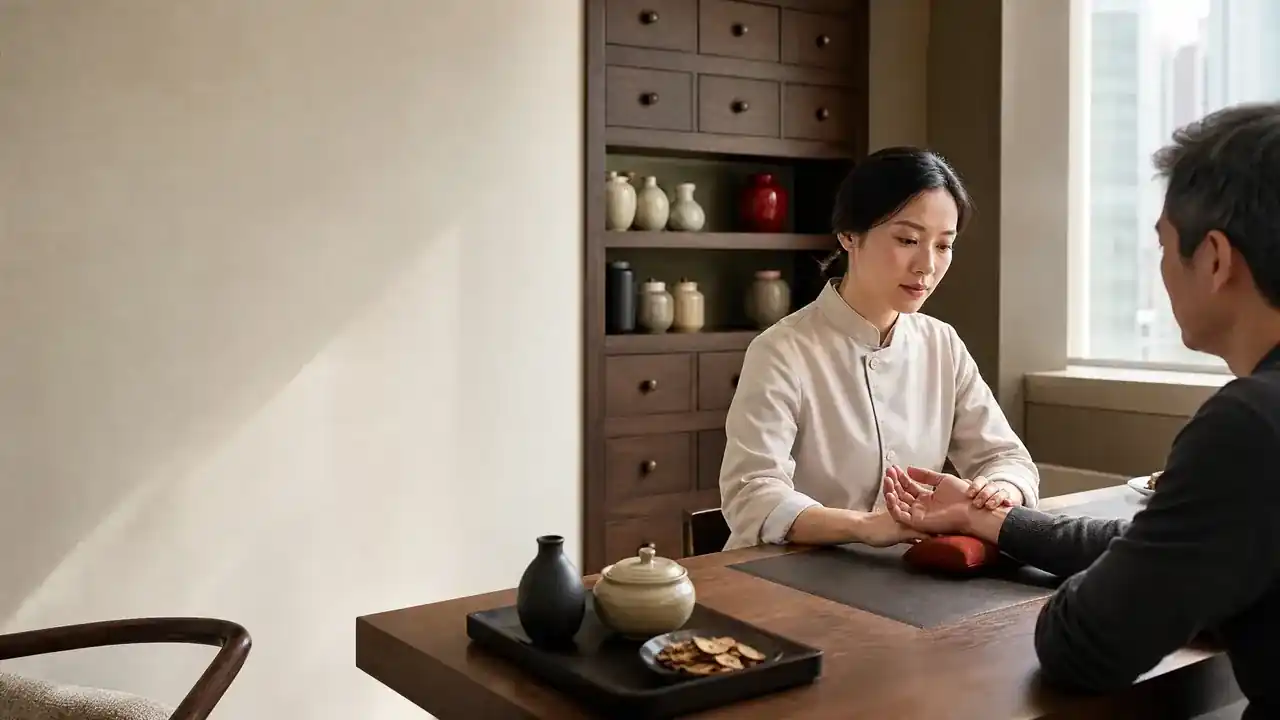
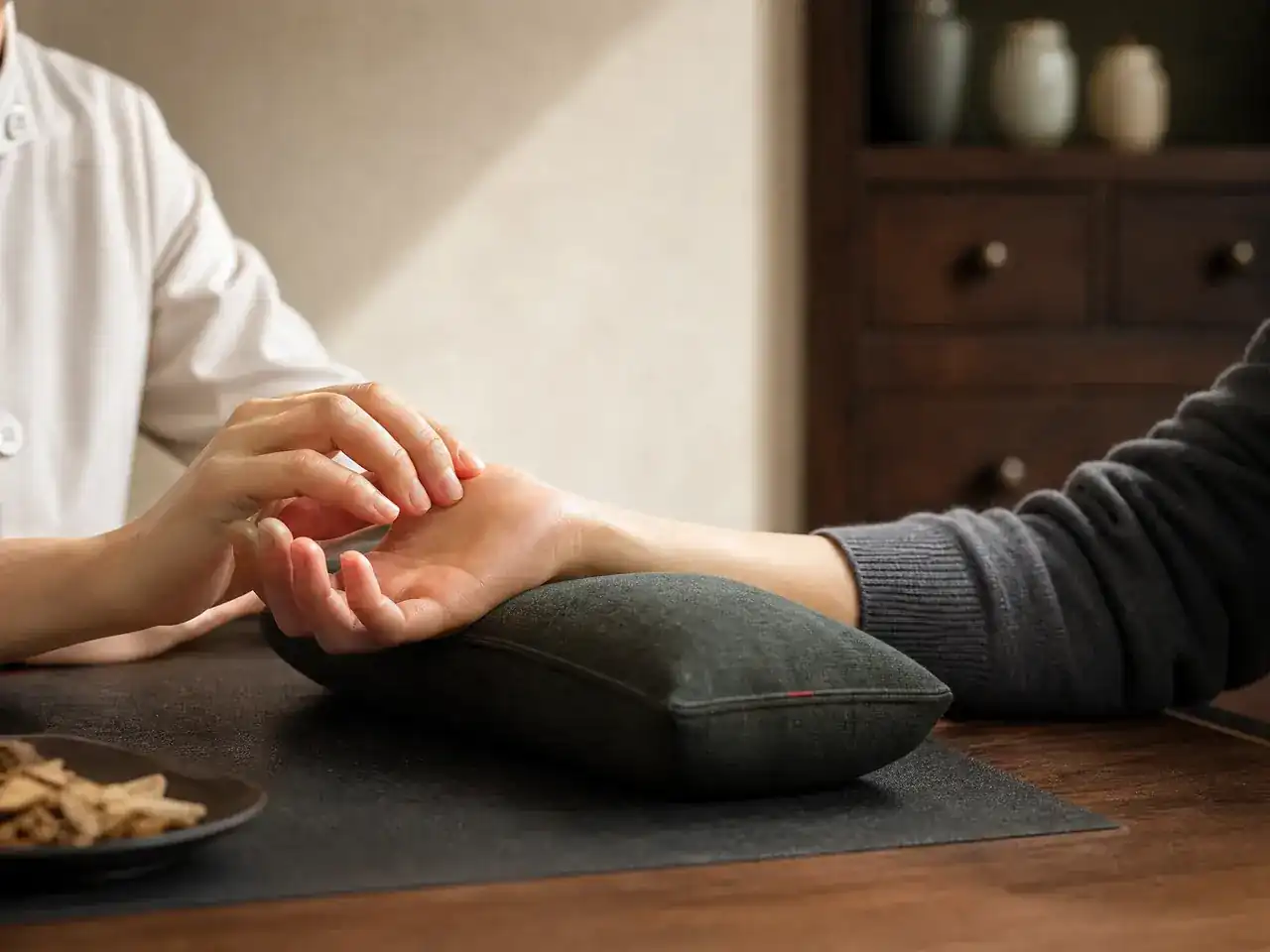
Through a comprehensive assessment involving observation, listening, questioning, and pulse diagnosis, the practitioner can gauge the functional state of the internal organs and select the most appropriate herbal formulations or acupuncture techniques. This individualized evaluation process is crucial for accurately addressing the underlying constitutional imbalances that contribute to the condition. TCM does not merely focus on the fluctuation of a single health metric; rather, it places significant importance on the patient's overall mental state and quality of life. By implementing comprehensive care strategies, the ultimate goal is to guide the body back to its natural state of equilibrium and resilience.
The Application of Syndrome Differentiation in Daily Care
During the process of TCM for diabetes, syndrome differentiation plays an indispensable role. Common patterns identified in TCM include excessive heat in the lungs and stomach, deficiency of both qi and yin, and deficiency of both yin and yang. For individuals presenting with excessive heat in the lungs and stomach, TCM strategies typically focus on clearing heat and moistening dryness. Conversely, for those with a deficiency of both qi and yin, the emphasis shifts towards tonifying qi and nourishing yin. Through these targeted interventions, TCM aims to help individuals manage daily discomforts such as dry mouth, persistent thirst, and chronic fatigue.
Furthermore, TCM care extends beyond the mere alleviation of isolated symptoms; it places a strong emphasis on the restoration of overall bodily functions. Practitioners will flexibly adjust the care plan based on the individual's progress and changing needs at different stages of the condition, ensuring that the interventions remain relevant and effective. This dynamic model of care provides a solid foundation for long-term constitutional management and health maintenance. As patients undergo this care process, they also gradually gain a deeper understanding of their own constitutional characteristics, empowering them to make more suitable health choices in their daily lives.
Comprehensive Complication Care and TCM Support
If diabetes remains poorly controlled over an extended period, it can lead to a variety of complications, including neuropathy, retinopathy, and impaired renal function. In the realm of complication care, TCM can serve as a valuable complementary approach to conventional medical treatments. For instance, when addressing the numbness, tingling, or pain associated with peripheral neuropathy, TCM may utilize herbal remedies or acupuncture therapies designed to invigorate blood circulation, remove stasis, and unblock the meridians. This aims to improve local blood flow and alleviate discomfort.
In cases involving early changes in kidney function, TCM might employ methods to nourish and tonify the liver and kidneys, helping to maintain the stability of these vital organs. It is imperative to emphasize that TCM care is not a substitute for conventional medical treatments, such as prescribed hypoglycemic medications or insulin therapy. Individuals should always integrate TCM support with their standard medical care under the guidance of qualified healthcare professionals to achieve the most optimal outcomes in complication care. Collaborative, cross-disciplinary medical cooperation provides patients with the most comprehensive and secure health protection.
Common TCM Patterns and Characteristics in Diabetes Care
To help individuals better understand their own constitutional status, TCM practitioners often categorize the manifestations of diabetes into several primary patterns. Each pattern presents with its own unique set of clinical signs and corresponds to specific principles of care. By recognizing these patterns, individuals can work more effectively with their practitioners and make appropriate adjustments to their daily diet and lifestyle.
The following table outlines some of the most common TCM patterns associated with diabetes, along with their primary characteristics and general care principles, provided for reference purposes. Please note that these classifications are general descriptions; an actual constitutional assessment must be conducted personally by a registered Chinese medicine practitioner to ensure the accuracy and safety of the care plan.
| TCM Pattern | Primary Characteristics | Care Principles | Common Herbal Directions |
|---|---|---|---|
| Excessive Heat in Lungs and Stomach | Excessive thirst, frequent drinking, increased hunger, weight loss, dry stools | Clear heat, moisten dryness, generate fluids | Gypsum, Anemarrhena, Ophiopogon |
| Deficiency of Qi and Yin | Fatigue, weakness, dry mouth and throat, heat sensation in palms and soles, shortness of breath | Tonify qi, nourish yin, strengthen spleen and kidneys | Astragalus, Pseudostellaria, Chinese Yam |
| Deficiency of Yin and Yang | Aversion to cold, cold extremities, pale complexion, frequent nocturia, lower limb edema | Warm yang, nourish yin, tonify kidneys | Cinnamon bark, Prepared Aconite, Rehmannia |
| Blood Stasis in Meridians | Numbness or tingling in limbs, sharp pain, dark purplish tongue or tongue with petechiae | Invigorate blood, remove stasis, unblock meridians | Salvia, Ligusticum, Safflower |
Integrating Diet and Lifestyle Modifications
In addition to receiving professional TCM for diabetes, self-management in daily life is equally critical for individuals living with this condition. TCM strongly advocates the concept that "medicine and food share the same origin," highlighting the positive impact of appropriate dietary adjustments on maintaining constitutional balance. Individuals are generally advised to avoid excessive consumption of spicy, greasy, and highly processed sugary foods, as these can exacerbate internal heat or dampness.
Instead, a diet rich in fiber, vegetables, and whole grains is recommended, maintaining a light and balanced nutritional intake. Furthermore, establishing a regular daily routine and engaging in moderate, consistent physical exercise can significantly promote the smooth flow of qi and blood throughout the body. A TCM practitioner will provide personalized dietary and lifestyle recommendations based on the individual's specific syndrome pattern, assisting them in implementing effective complication care in their everyday lives and thereby elevating their overall state of health. Cultivating good lifestyle habits is the foundational cornerstone for consolidating the positive effects of TCM care.
Service Arrangements and Important Considerations at Harmonia TCM
Harmonia TCM is deeply committed to providing professional, compassionate, and high-quality Chinese medicine services to our community. We must clearly state that Harmonia TCM operates only one physical clinic, which is located in Kwun Tong. The information provided here is intended solely for reference and educational purposes, aiming to enhance public understanding of the concepts surrounding TCM care for diabetes. For individuals residing in other districts who may find it challenging to visit our physical location, we also offer information regarding the potential coverage of home visit services or out-of-clinic consultations. However, this does not imply that we have branch clinics in other areas.
All specific arrangements, availability, suitability, and potential risks associated with home visits or any other services must be thoroughly evaluated and finally confirmed by our registered Chinese medicine practitioners and the clinic administration. We strongly encourage individuals who are interested in our services to contact us directly to arrange a detailed initial assessment and discuss the most appropriate care plan for their needs. We are dedicated to providing clear and transparent service information, ensuring that you can make well-informed healthcare decisions.
Holistic Care and Long-Term Monitoring
Managing diabetes is inherently a long-term journey that requires close, ongoing collaboration between the individual and their healthcare team. TCM care plays a supportive and complementary role throughout this continuous process. Through regular follow-up appointments and comprehensive reassessments, a TCM practitioner can closely monitor any changes in the individual's constitution and make necessary adjustments to the care plan.
This continuous tracking is vital not only for consolidating the positive effects of the interventions but also for the early detection and management of any potential health risks. The dedicated professional team at Harmonia TCM will accompany you on this care journey, providing sustained professional advice, physical support, and emotional encouragement. We firmly believe that through the thoughtful integration of Chinese and Western medical approaches, combined with comprehensive lifestyle management, individuals can more effectively navigate the challenges posed by diabetes and restore a sense of balance and harmony to their lives.
Frequently asked questions
How long does it typically take to see results from TCM for diabetes?
The effects of TCM care vary significantly from person to person, depending on individual constitution, the duration of the condition, and responsiveness to the interventions. Generally, TCM focuses on long-term constitutional adjustments, and it may take several weeks to months to observe noticeable improvements. Patience and close cooperation with your practitioner are essential.
Can I receive TCM care while taking Western medications for diabetes?
Yes, you can. TCM care is often utilized as a complementary approach alongside conventional Western medical treatments. However, to prevent any potential interactions between medications, you must provide your TCM practitioner with a comprehensive record of all the drugs you are taking. The practitioner will adjust the herbal prescriptions accordingly or advise on appropriate intervals between taking different medications.
Is acupuncture helpful for managing diabetes?
Acupuncture is frequently employed in TCM care to help alleviate certain symptoms associated with diabetes, such as the numbness or pain caused by peripheral neuropathy. By stimulating specific acupoints, acupuncture can help promote the flow of qi and blood. However, its suitability for your specific condition must be carefully evaluated by a registered practitioner.
Why is syndrome differentiation so important in TCM care for diabetes?
Syndrome differentiation is the fundamental core principle of Traditional Chinese Medicine. Because every individual with diabetes presents with a unique constitution and a different set of symptoms, syndrome differentiation ensures that the practitioner can provide the most personalized and appropriate care plan tailored specifically to your situation, thereby enhancing the precision and effectiveness of the care.
Does Harmonia TCM have branch clinics in other districts?
Harmonia TCM operates only one physical clinic, which is located in Kwun Tong. We do not have any branch clinics in other areas. For individuals who find it inconvenient to travel to Kwun Tong, we can explore the possibility of arranging home visit services, but the actual feasibility and suitability of such arrangements must be confirmed by the clinic.
Can Traditional Chinese Medicine cure diabetes completely?
Diabetes is a chronic metabolic disease, and currently, there is no known medical cure. The primary goals of TCM care are to assist in controlling symptoms, improving the overall constitution, and providing complication care to enhance the individual's quality of life, rather than promising a complete cure.
Related topics
Sources
Explore a Personalized TCM Care Plan
Every individual's constitution is unique. If you wish to learn more about how TCM for diabetes can assist you with complication care and overall well-being, please contact the professional team at Harmonia TCM. Our clinic in Kwun Tong is ready to provide you with a detailed assessment.