Thoughtful support, grounded in TCM
TCM Support for Urinary Tract Infection (UTI)
Urinary tract infection (UTI) requires appropriate medical assessment. TCM may offer supportive advice based on individual symptoms and constitution; seek prompt medical care for fever, flank pain or worsening symptoms.
Quick answer: From a TCM perspective, a urinary tract infection is approached through pattern differentiation such as damp‑heat, qi stagnation, or Kidney and Spleen imbalance. Care may include tailored herbal formulas, acupuncture, and practical diet and lifestyle advice. This is supportive care, not a substitute for urgent medical assessment when needed. Service availability and suitability are confirmation‑required by a registered Chinese medicine practitioner before any arrangement.
View pricesEnquire with Harmonia TCM
CLEAR PRICES
Interested in a treatment? You are always welcome to ask.
We clearly list our current single, trial and package prices so you can explore at your own pace. You are always welcome to message us on WhatsApp about any service, timing or arrangement.
| Category and service | Content / terms | Public price (HK$) | Booking note | Enquire |
|---|---|---|---|---|
| Hair & scalp | Scalp health and hair-loss support | AI scalp analysis, deep follicle cleansing and oil-control support | Trial offerPackageTrial 380; 6 sessions 3,480; 12 sessions 5,760; 20 sessions 8,600; 30 sessions 11,400 | Average per session for 6/12/20/30: 580/480/430/380 | Ask on WhatsApp |
| Hair & scalp | Hair acupuncture with herbal medicine | Scalp acupuncture with 3 days of decoction-free herbal medicine | Single visitPackageSingle 580; 6 sessions 3,180; 12 sessions 5,760; 20 sessions 8,600; 30 sessions 11,400 | Average per session for 6/12/20/30: 530/480/430/380 | Ask on WhatsApp |
| Hair & scalp | Integrated hair support programme | Acupuncture, herbal medicine and follicle activation; packages include shampoo and serum | Single visitPackageSingle 1,260; 8 sessions 8,640; 16 sessions 15,680; 20 sessions 18,600; 30 sessions 26,400 | Average per session for 8/16/20/30: 1,080/980/930/880 | Ask on WhatsApp |
| Weight management | Full-body acupoint embedding | Full-body acupoint embedding; packages include proportionate days of herbal support | Single visitPackageSingle 980; 10 sessions 7,800; 20 sessions 14,600; 30 sessions 20,400 | Average per session for 10/20/30: 780/730/680 | Ask on WhatsApp |
| Facial acupuncture | Brightening V-face (Essential) | Facial acupuncture, meridian support and swelling management | Trial offerPackageTrial 480; 10 sessions 5,200; 20 sessions 9,600; 30 sessions 13,500 | Average per session for 10/20/30: 520/480/450 | Ask on WhatsApp |
| Facial acupuncture | Firming and refining (Advanced) | Enhanced facial acupuncture for firmness and fine-line concerns with a moisturising mask serum | Trial offerPackageTrial 780; 10 sessions 9,000; 20 sessions 16,600; 30 sessions 23,400 | Average per session for 10/20/30: 900/830/780 | Ask on WhatsApp |
| Pain care | Extracorporeal shockwave therapy | Deep inflammation support and fascial relaxation | Prince Edward: 250 per area; Kwun Tong: 250 for 1 area, 450 for 2, 600 for 3 | Clinic-specific pricing; confirm location before booking | Ask on WhatsApp |
| Pain care | Manual therapy | TCM bone-injury assessment, manual alignment and tui na techniques | Single visitSingle 580 | Suitability is confirmed after assessment | Ask on WhatsApp |
| Pain care | Acupuncture with manual therapy | Acupuncture with manual structural support | Single visitSingle 680 | Suitability is confirmed after assessment | Ask on WhatsApp |
| TCM regulation | Acupuncture with herbal medicine | TCM consultation, whole-body acupuncture and 3 days of decoction-free herbal medicine granules | Single visitSingle 580 | Confirm clinician availability and service arrangement when booking | Ask on WhatsApp |
A TCM view of urinary tract health
This guide explains common considerations, the purpose of assessment, options that may be discussed, and key safety points. Individual advice depends on your circumstances.
In Traditional Chinese Medicine, urinary comfort relies on the harmonious function of the Kidney, Bladder, Spleen, and Liver systems, as well as the smooth flow of qi and fluids. When external heat, internal dampness, or stagnation disturb these functions, local irritation and discomfort can arise in the lower jiao (the lower abdomen and pelvic region). Rather than naming a single cause, TCM looks at how patterns of imbalance accumulate—through diet, climate, stress, rest, and individual constitution—and how these patterns may be eased through personalised support.
Several TCM patterns are commonly discussed when people present with urinary tract concerns. Damp‑heat in the Bladder may be considered when there is a hot, heavy sensation with local irritation; Spleen qi weakness may allow dampness to linger; constrained Liver qi may lead to tension in the lower abdomen, affecting the free flow of fluids; and underlying Kidney yin or yang insufficiency can reduce the system’s capacity to regulate water metabolism and warmth. Hong Kong’s humid weather, irregular meals, insufficient hydration, high‑sugar or very spicy diets, and prolonged sitting are examples of everyday factors that may contribute to these patterns. TCM support aims to clear what is in excess (such as damp‑heat), replenish what is lacking (such as qi or yin), and restore smooth movement.
What we may discuss during assessment
Your consultation focuses on understanding your unique pattern and present triggers. A registered Chinese medicine practitioner may explore your symptom history, recent diet, hydration, menstrual or prostate health, stress levels, bowel regularity, sleep, and previous care received. Typical concerns such as urgency, frequency, and lower abdominal discomfort are discussed, along with the timing of symptoms across the day, exposure to heat or dampness, and whether symptoms flare after particular foods or activities. While we do not diagnose medical conditions, we listen closely and consider whether parallel biomedical investigations are advisable.
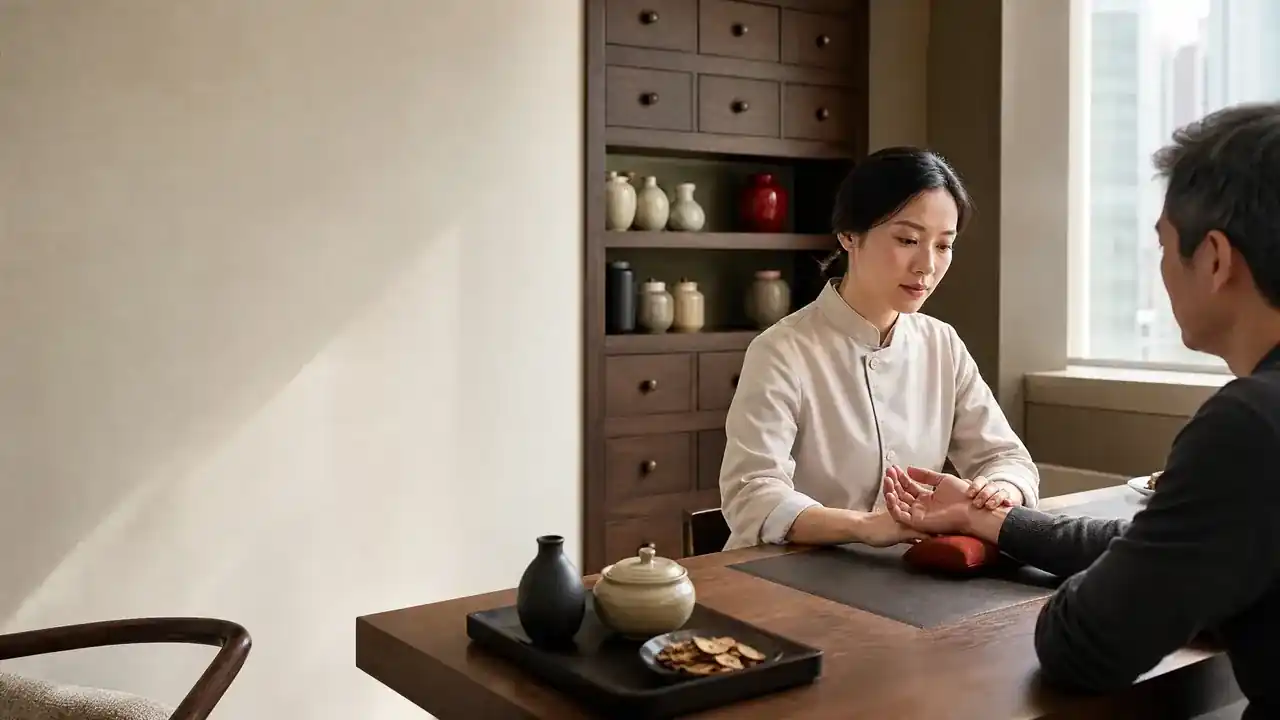
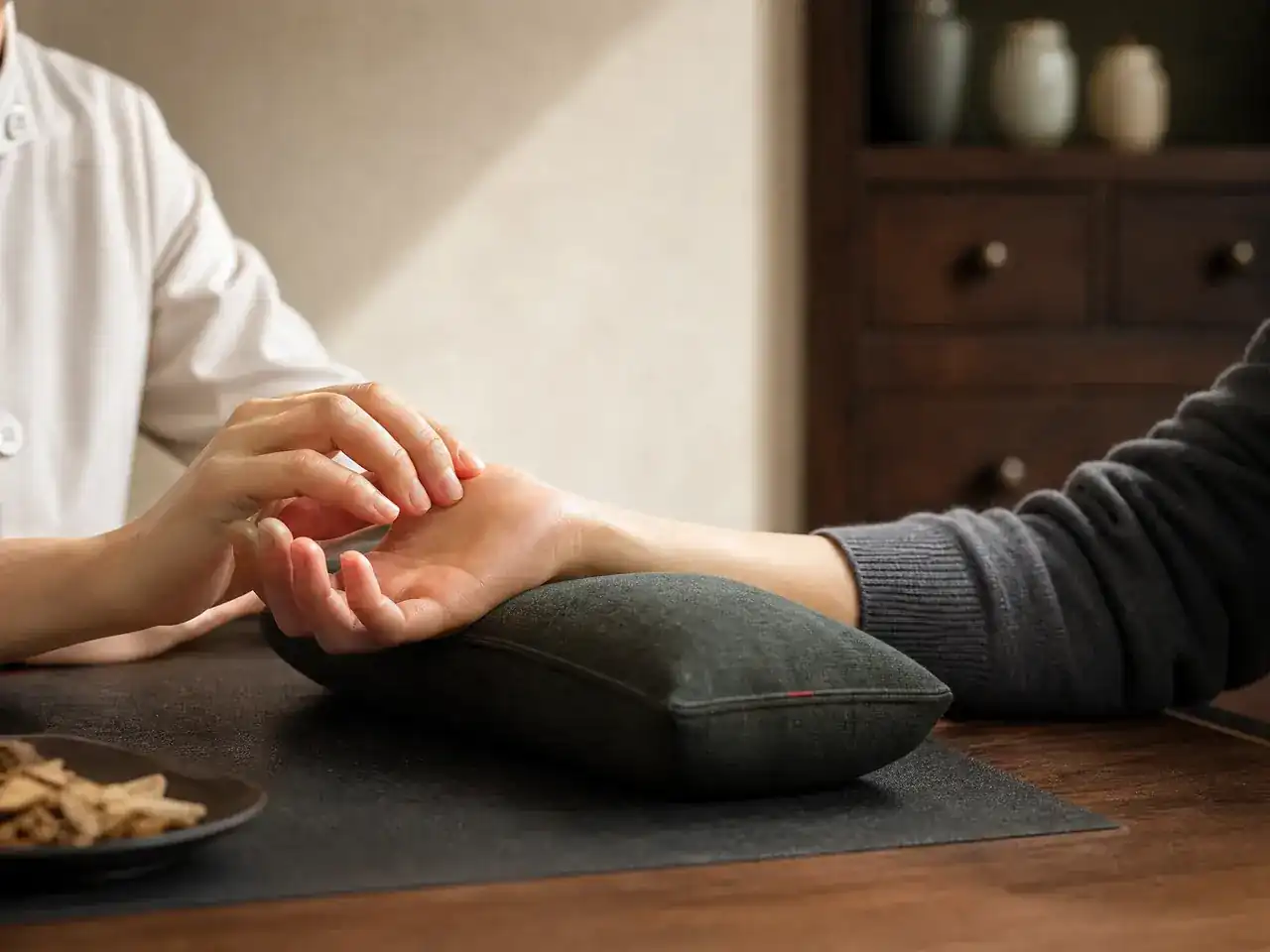
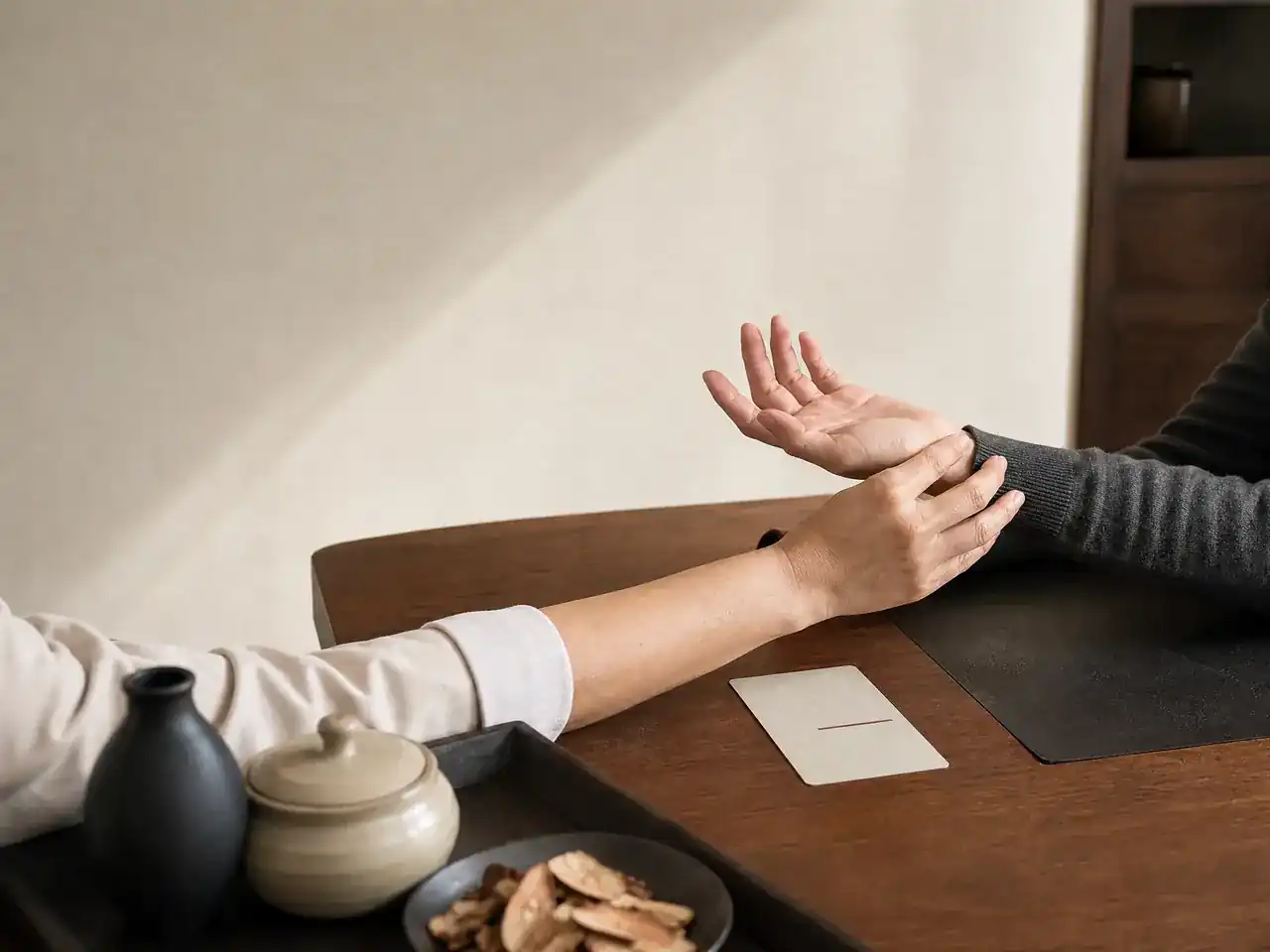
TCM assessment often includes observing the tongue body and coating, feeling the pulse qualities, and palpating the abdomen or back if appropriate. For example, a red tongue with a yellow, greasy coating may suggest damp‑heat, whereas a pale, scalloped tongue could indicate Spleen qi deficiency. We also consider symptoms such as painful urination, heat sensations, fatigue, or lower back achiness to help differentiate patterns. If any red flags appear, or if symptoms are severe or persist, we encourage timely medical assessment. Where relevant, we are comfortable working alongside investigations and treatments recommended by your primary healthcare provider.
TCM options that may help ease urinary discomfort
TCM may include a personalised herbal formula prepared as a decoction, granules, or pills, selected according to your pattern and current season. For damp‑heat presentations, the formula may emphasise clearing heat and draining dampness; with Spleen deficiency, gentle strengthening and transforming dampness may be prioritised; with yin insufficiency, nourishing and clearing smouldering heat may be considered. Formulas are adjusted over time as your presentation evolves, and dosages are reviewed with attention to your constitution, other medications, and any sensitivities.
Acupuncture may be used to help regulate qi movement, support Bladder function, ease pelvic tension, and encourage a sense of calm. Points are chosen based on your pattern—such as points that clear heat, move stagnation, strengthen Spleen and Kidney, or calm the nervous system. Some people also benefit from adjunctive methods like moxibustion for cold‑dominant patterns, gentle tui na to ease tension, or external washes prepared from appropriate herbs when indicated. All techniques are discussed with you, including potential risks and expected sensations, before proceeding.
| TCM modality | How it may support urinary comfort |
|---|---|
| Personalised herbal formulas | May clear damp‑heat, soothe local irritation, promote fluid regulation, and support underlying Spleen/Kidney function. |
| Acupuncture | May regulate qi flow in the lower abdomen, ease pelvic tension, support Bladder function, and encourage relaxation. |
| Moxibustion or gentle heat therapy | Used selectively for cold or deficiency patterns to warm the channels and support circulation. |
| Dietary therapy | Guidance on fluids and foods that may reduce damp‑heat, support digestion, and promote comfortable urination. |
| Lifestyle and breathing practices | May reduce stress‑related stagnation, support restful sleep, and encourage regular elimination. |
Food, drink and daily habits to support recovery
From a TCM standpoint, steady hydration and a warm, digestible diet help transform dampness and maintain smooth urinary flow. Room‑temperature or warm water sipped through the day is generally preferred to very cold drinks. Many people find that strong alcohol, very spicy barbecued foods, heavy fried dishes, and high‑sugar snacks can aggravate internal heat or dampness. In contrast, gentle options such as lightly cooked vegetables, whole grains, and lean proteins may be easier to assimilate. According to your pattern, a practitioner may suggest foods traditionally used in TCM food therapy such as job’s tears (coix/barley), adzuki beans, winter melon, and corn silk tea preparations. Suitability depends on your constitution and any medical conditions, so personalised guidance is important.
Habits around rest, movement, and hygiene also matter. Prioritise regular sleep and manageable workloads, as insufficient rest can weaken Spleen and Kidney systems over time. Gentle movement like walking or stretching helps qi flow and can ease lower abdominal tension. After exercise or in humid weather, change damp clothes promptly and allow the lower back and abdomen to stay warm and dry. Basic hygiene—including adequate lubrication and urination after intimacy—can help reduce local irritation. Avoid harsh cleansing products; mild, fragrance‑free options are usually more suitable. If you sit for long periods, take brief standing or movement breaks to relieve pressure in the pelvic area and support circulation.
Prevention and relapse reduction from a TCM perspective
Prevention focuses on strengthening foundations while reducing triggers. When Spleen qi is supported through steady meals of digestible foods, the body is better able to transform dampness rather than store it. With adequate Kidney support—through nourishing rest, suitable warmth at the lower back and abdomen, and not over‑exerting—water metabolism is steadier. Managing stress can ease Liver qi constraint, reducing tension that may otherwise affect the lower jiao. In Hong Kong’s climate, practical steps such as drying off after rain, avoiding prolonged exposure to cold air on the lower abdomen, and choosing breathable clothing can be meaningful everyday adjustments.
Life stages and circumstances also influence susceptibility. Around menstruation, postpartum, during perimenopause, or in older age, patterns may shift; TCM aims to align support with these phases. If you have recently completed antibiotic treatment under medical guidance, TCM dietary and herbal approaches may be discussed to gently support digestion and balance, with attention to your current condition and medication use. Above all, prevention plans are personalised and adjusted over time as your body and environment change.
How we work with you at Harmonia TCM
Care is calm, collaborative, and tailored. We begin by understanding your goals, health background, and current presentation. The practitioner explains possible TCM patterns and the reasoning behind any suggested options—herbal therapy, acupuncture, lifestyle and dietary guidance, or gentle adjunctive methods. We agree on priorities with you, discuss potential risks and expected sensations, and set a review plan so we can observe how your body responds and make adjustments as needed. Clear communication helps ensure that you feel informed and in control at each step.
This service is service‑confirmation‑required.If you are considering care, we can first discuss what may suit you and how an appointment can be arranged. If at any point your symptoms are severe, rapidly worsening, or suggestive of a kidney or systemic infection, we will advise prompt medical assessment. TCM support can often sit alongside biomedical care; we respect your choices and encourage open sharing of relevant medical information so that your plan remains safe and coherent.
Frequently asked questions
Can TCM be used alongside antibiotics or other medical treatments?
Yes, TCM support is often considered as a complement to biomedical care. If your doctor prescribes antibiotics, follow their guidance. A registered Chinese medicine practitioner can advise whether gentle dietary measures, acupuncture, or an appropriate herbal plan may sit alongside your treatment. We always check for potential herb–drug interactions and will advise you if anything appears unsuitable.
How soon might I notice changes with TCM support?
Timeframes vary. Some people feel more comfortable within days, while others need a longer period as underlying patterns are addressed. We adjust the plan based on your response, season, and constitution. If symptoms are severe, rapidly worsening, or not improving within a reasonable period, medical assessment is advised. We do not guarantee outcomes, but we aim to support steady, safe progress.
What are common TCM patterns considered in urinary tract concerns?
Practitioners often consider damp‑heat in the Bladder, Spleen qi deficiency with dampness, constrained Liver qi, and Kidney yin or yang insufficiency. Each pattern has different emphasis—for example, clearing heat and draining dampness, moving stagnation, or nourishing/strengthening where there is deficiency. Your plan is tailored to your pattern at that time and adjusted as it changes.
Is acupuncture helpful for urinary discomfort?
Acupuncture may help regulate qi, reduce local tension, and support Bladder function. Point selection depends on your presentation and comfort. Some people find acupuncture calming, which may ease stress‑related tension in the pelvic floor and lower abdomen. We will explain sensations, potential risks, and aftercare before treatment. If you prefer to start with lifestyle and dietary advice only, that is always an option.
Are Chinese herbal formulas safe?
Herbs are not risk‑free. Suitability depends on your health status, allergies, pregnancy or breastfeeding, and medications. We use assessed, appropriate ingredients and review your case for potential interactions or contraindications. Dosing and duration are individualised, with follow‑up to monitor response. If you experience any unexpected effects, contact us promptly and seek medical care if concerned.
What can I prepare for my first TCM consultation?
Bring a list of current medications and supplements, a brief timeline of symptoms, any recent test results, and notes about diet, hydration, sleep, stress, and bowel patterns. Be ready to describe what relieves or worsens discomfort, including foods, activities, and climate. Comfortable clothing helps if abdominal or back palpation is appropriate. We will explain each step and welcome your questions.
Related topics
Sources
Ask about UTI TCM management
We provide calm, personalised support for urinary comfort through TCM.If you are considering care, we can first discuss what may suit you and how an appointment can be arranged. Share your goals and concerns, and we will advise the next appropriate step.