TCM Care
Hypertension (TCM)
TCM for hypertension focuses on holistic balance and syndrome-based care. Harmonia TCM provides professional assessments, utilizing herbal medicine, acupuncture, and lifestyle guidance to help you find a suitable health management plan, with careful attention to medication interactions.
Quick answer: TCM for hypertension utilizes syndrome-based care to provide personalized herbal and acupuncture plans, aiming to harmonize Qi and blood. We prioritize monitoring medication interactions to ensure safety. Please note that TCM plans require assessment by a registered practitioner and cannot replace emergency medical care.
View pricesBook an Initial Assessment
CLEAR PRICES
Interested in a treatment? You are always welcome to ask.
We clearly list our current single, trial and package prices so you can explore at your own pace. You are always welcome to message us on WhatsApp about any service, timing or arrangement.
| Category and service | Content / terms | Public price (HK$) | Booking note | Enquire |
|---|---|---|---|---|
| Hair & scalp | Scalp health and hair-loss support | AI scalp analysis, deep follicle cleansing and oil-control support | Trial offerPackageTrial 380; 6 sessions 3,480; 12 sessions 5,760; 20 sessions 8,600; 30 sessions 11,400 | Average per session for 6/12/20/30: 580/480/430/380 | Ask on WhatsApp |
| Hair & scalp | Hair acupuncture with herbal medicine | Scalp acupuncture with 3 days of decoction-free herbal medicine | Single visitPackageSingle 580; 6 sessions 3,180; 12 sessions 5,760; 20 sessions 8,600; 30 sessions 11,400 | Average per session for 6/12/20/30: 530/480/430/380 | Ask on WhatsApp |
| Hair & scalp | Integrated hair support programme | Acupuncture, herbal medicine and follicle activation; packages include shampoo and serum | Single visitPackageSingle 1,260; 8 sessions 8,640; 16 sessions 15,680; 20 sessions 18,600; 30 sessions 26,400 | Average per session for 8/16/20/30: 1,080/980/930/880 | Ask on WhatsApp |
| Weight management | Full-body acupoint embedding | Full-body acupoint embedding; packages include proportionate days of herbal support | Single visitPackageSingle 980; 10 sessions 7,800; 20 sessions 14,600; 30 sessions 20,400 | Average per session for 10/20/30: 780/730/680 | Ask on WhatsApp |
| Facial acupuncture | Brightening V-face (Essential) | Facial acupuncture, meridian support and swelling management | Trial offerPackageTrial 480; 10 sessions 5,200; 20 sessions 9,600; 30 sessions 13,500 | Average per session for 10/20/30: 520/480/450 | Ask on WhatsApp |
| Facial acupuncture | Firming and refining (Advanced) | Enhanced facial acupuncture for firmness and fine-line concerns with a moisturising mask serum | Trial offerPackageTrial 780; 10 sessions 9,000; 20 sessions 16,600; 30 sessions 23,400 | Average per session for 10/20/30: 900/830/780 | Ask on WhatsApp |
| Pain care | Extracorporeal shockwave therapy | Deep inflammation support and fascial relaxation | Prince Edward: 250 per area; Kwun Tong: 250 for 1 area, 450 for 2, 600 for 3 | Clinic-specific pricing; confirm location before booking | Ask on WhatsApp |
| Pain care | Manual therapy | TCM bone-injury assessment, manual alignment and tui na techniques | Single visitSingle 580 | Suitability is confirmed after assessment | Ask on WhatsApp |
| Pain care | Acupuncture with manual therapy | Acupuncture with manual structural support | Single visitSingle 680 | Suitability is confirmed after assessment | Ask on WhatsApp |
| TCM regulation | Acupuncture with herbal medicine | TCM consultation, whole-body acupuncture and 3 days of decoction-free herbal medicine granules | Single visitSingle 580 | Confirm clinician availability and service arrangement when booking | Ask on WhatsApp |
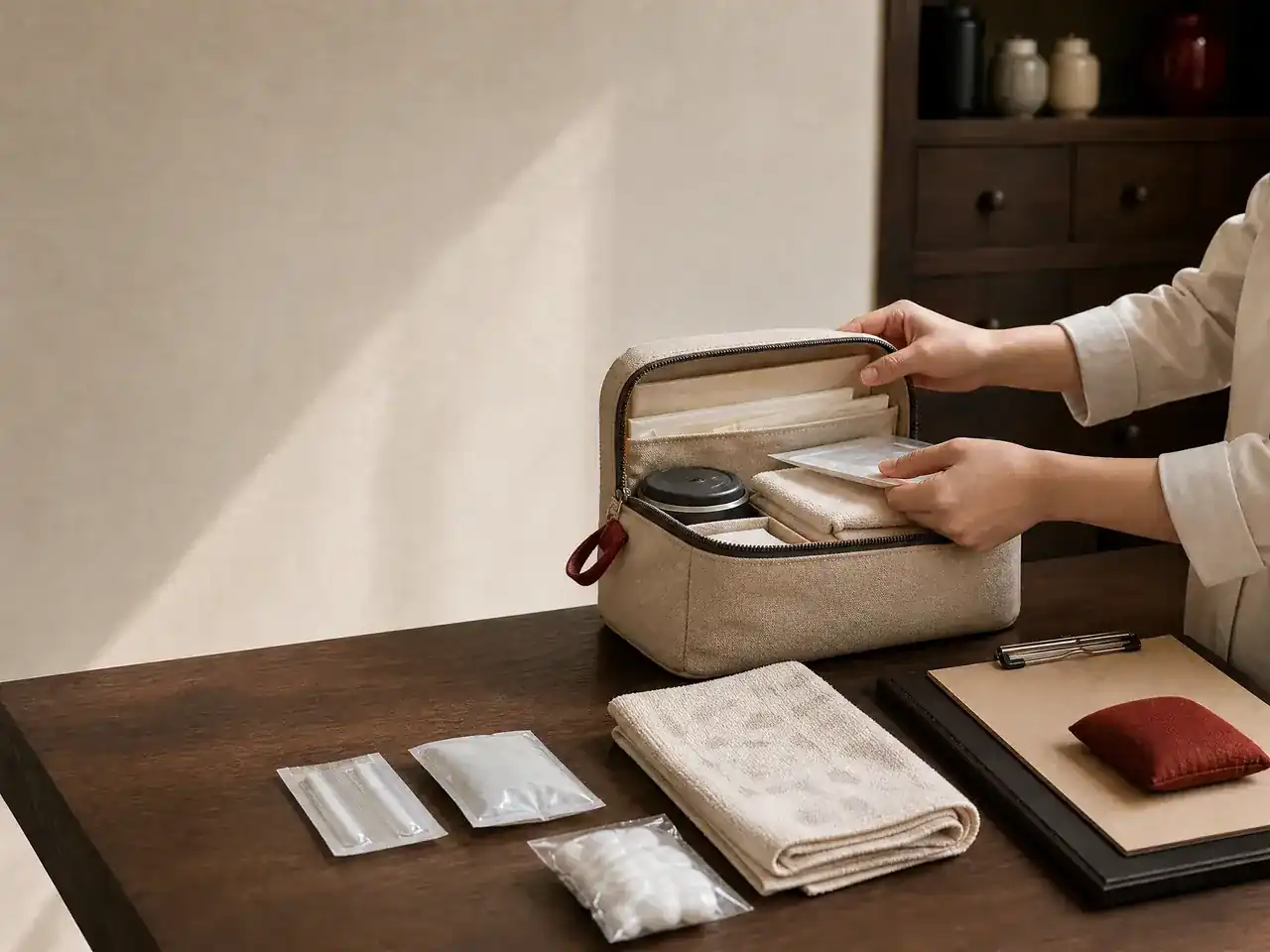


Holistic Perspective on Blood Pressure Fluctuations
This guide explains common considerations, the purpose of assessment, options that may be discussed, and key safety points. Individual advice depends on your circumstances.
In Traditional Chinese Medicine, human health is built upon the smooth flow of Qi and blood, as well as the balance of Yin and Yang. When this internal equilibrium is disrupted by external environmental factors, emotional fluctuations, or poor lifestyle habits, it can lead to various physical discomforts, including abnormal fluctuations in blood pressure. From the perspective of traditional medicine, elevated blood pressure is not merely an isolated local issue, but a specific manifestation of systemic organ dysfunction. Therefore, when addressing such conditions, TCM does not solely focus on lowering the numerical values, but rather strives to identify and ameliorate the root causes of the imbalance.
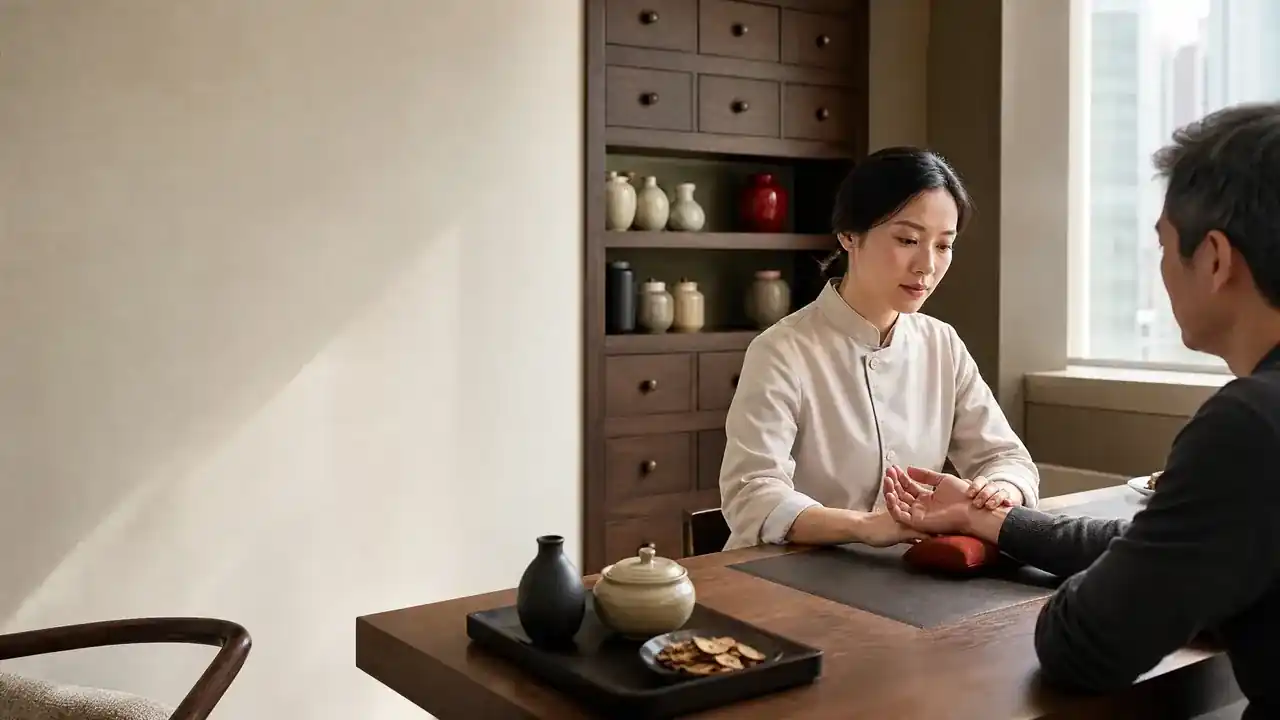
Through a comprehensive assessment utilizing the four diagnostic methods—observation, listening and smelling, questioning, and pulse-taking—our practitioners can thoroughly evaluate an individual's constitutional characteristics. This assessment encompasses the patient's complexion, tongue appearance, pulse condition, as well as their daily diet, sleep patterns, and emotional state. Based on this comprehensive information, the practitioner will formulate a targeted care plan. This approach focuses not only on the numbers but on improving your overall health and quality of life, allowing patients to gradually restore balance and vitality in their daily lives.
Constitutional Analysis and Personalized Strategies
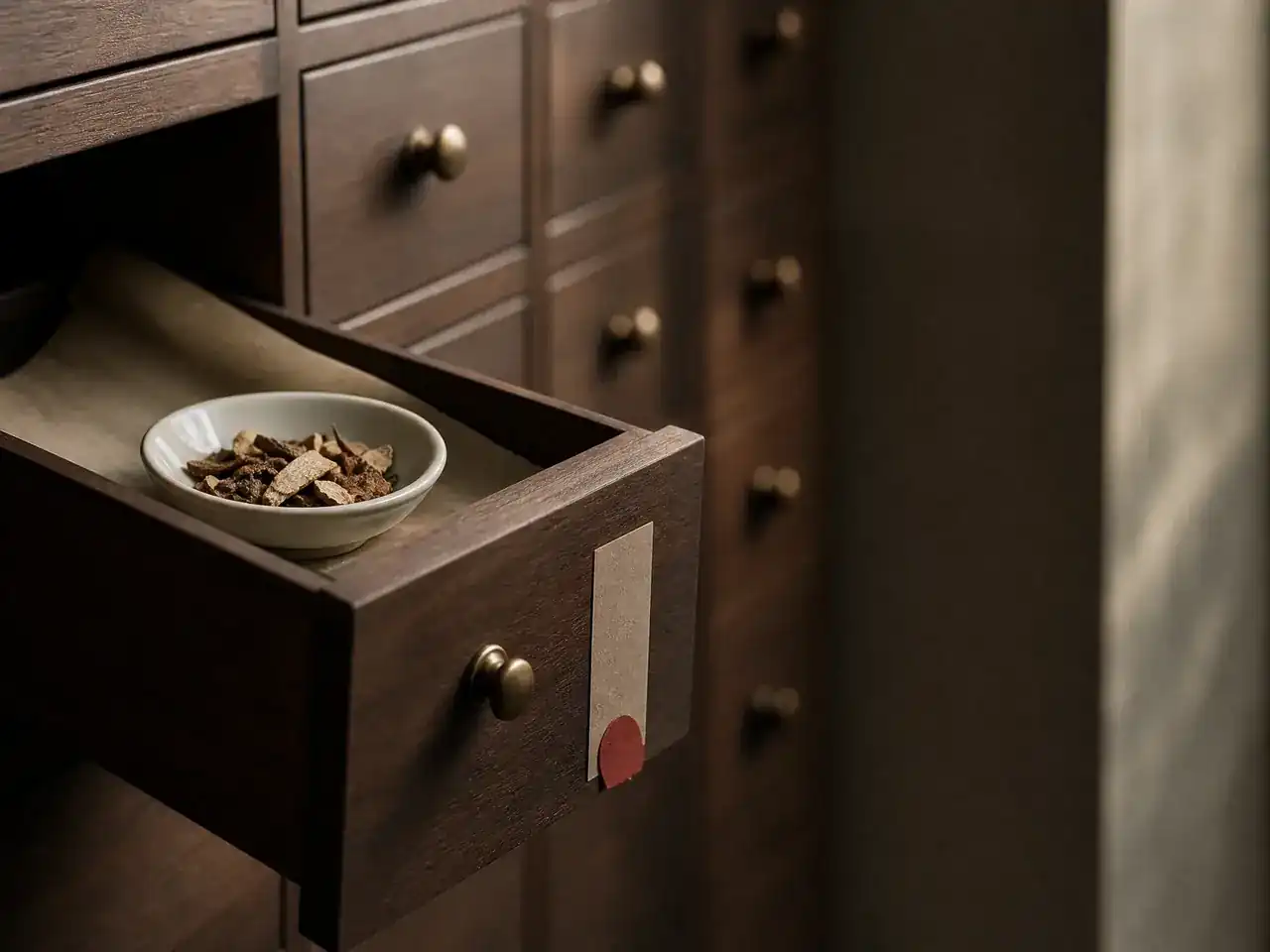
Syndrome-based care is the core of TCM practice. Regarding abnormal blood pressure, TCM categorizes the related constitutional manifestations into several types. For example, patients with hyperactivity of Liver Yang often experience headaches, dizziness, a red face and eyes, and irritability; those with Yin deficiency of Liver and Kidney may present with soreness and weakness in the lower back and knees, tinnitus, and a sensation of heat in the palms, soles, and chest; while patients with internal retention of phlegm-dampness often exhibit obesity, chest tightness, and a feeling of heaviness in the limbs. Depending on your specific constitution, practitioners will select appropriate herbal formulas or acupuncture points to calm the liver, nourish Yin, or resolve phlegm. This targeted approach helps address the underlying imbalances and reduce discomfort.
Understanding your own constitutional characteristics is equally important for daily health management. During the care process, our practitioners will explain your constitutional status in detail and provide corresponding dietary and lifestyle advice. For instance, those with hyperactivity of Liver Yang are advised to maintain emotional stability and avoid overexertion, while those with phlegm-dampness should focus on a light diet and reduce greasy food intake. These lifestyle adjustments are an indispensable part of overall health management and help consolidate the effects of the care.
Integrative Synergy and Safety Considerations
Many patients receiving TCM care are concurrently taking Western antihypertensive medications. In such cases, careful attention to medication interactions is of utmost importance. TCM care does not exclude Western medical treatments; rather, it seeks a synergistic effect between the two. However, certain Chinese herbs may affect the absorption, metabolism, or excretion of Western drugs, thereby altering their efficacy or increasing the risk of side effects. Therefore, before starting any TCM care, it is essential to provide a complete list of all medications you are currently taking, including prescription drugs, over-the-counter medications, and supplements.
To ensure safety, our practitioners will carefully evaluate your medication history and pay special attention to potential interactions when prescribing. We generally recommend maintaining an appropriate time interval, usually at least two hours, between taking Chinese and Western medicines. Furthermore, during the care process, patients should continue to monitor their blood pressure regularly and maintain open communication with both their TCM and Western medical providers. Never stop or alter the dosage of your Western medications without consulting your doctor. This interdisciplinary collaborative model helps provide patients with more comprehensive and safer health support.
The Supportive Role of Acupuncture in Regulating Qi and Blood
In addition to internal herbal medicine, acupuncture is a commonly used supportive method. By stimulating specific acupoints, acupuncture helps to unblock meridians and harmonize Qi and blood, which can positively influence the overall balance of Yin and Yang. Many patients experience a sense of physical and mental relaxation after acupuncture, which can be beneficial in alleviating discomfort caused by stress or emotional fluctuations. Research suggests that acupuncture may have a supportive role in stabilizing blood pressure by regulating the nervous and endocrine systems.
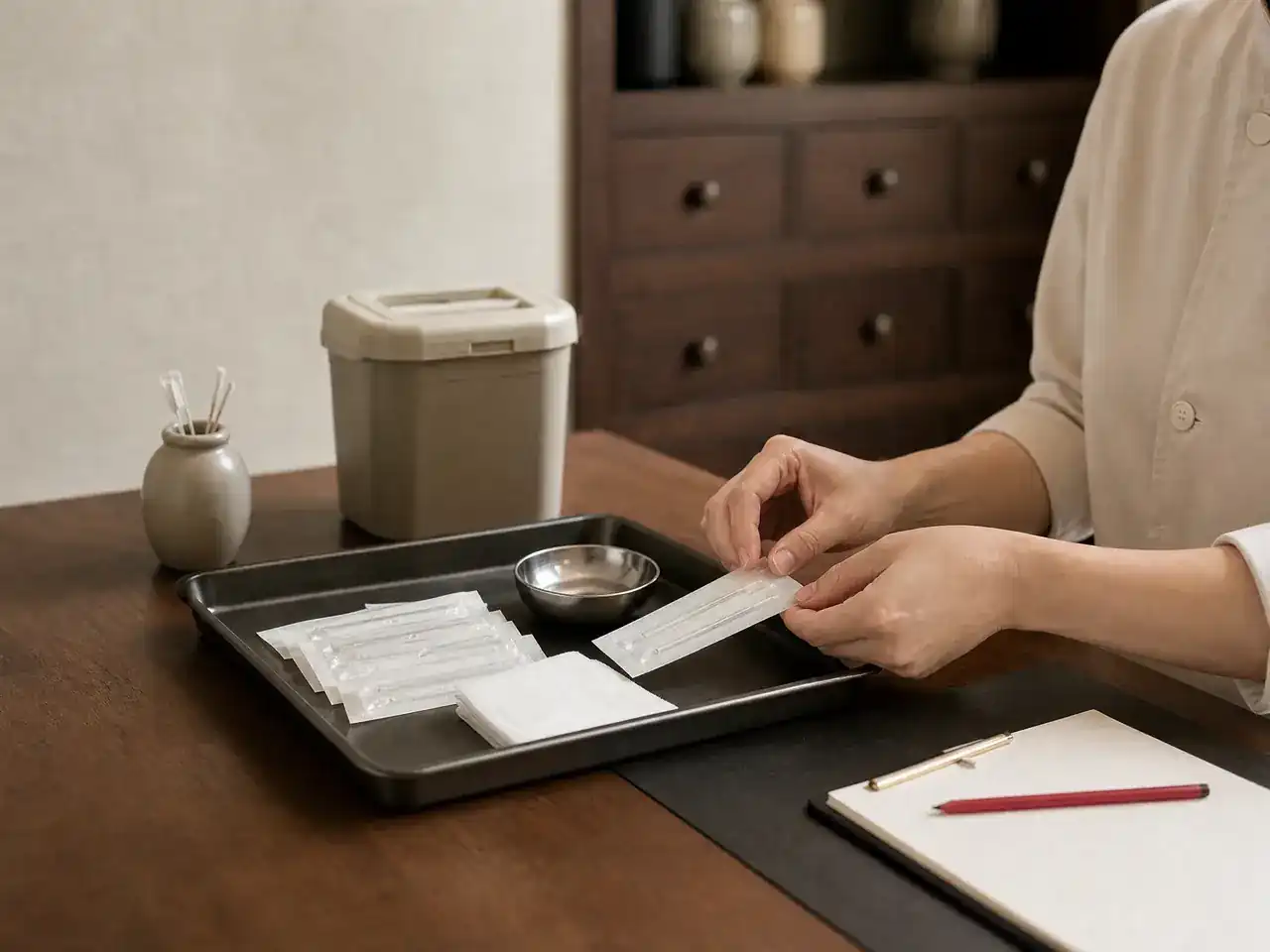
Before administering acupuncture, our practitioners will conduct a detailed assessment to ensure this therapy is suitable for you. While acupuncture is generally safe, certain basic precautions should be observed, such as avoiding treatment when overly hungry, excessively full, or extremely fatigued. If you have any concerns about acupuncture or experience any discomfort during the process, you should immediately inform the practitioner so that appropriate adjustments can be made. For patients who are particularly sensitive to needling, practitioners may also suggest other non-invasive external therapies such as cupping, Tui Na (massage), or auricular acupressure.
Integrating Diet and Lifestyle Habits
Health management relies not only on clinic-based treatments but also on the patient's active participation in their daily life. Regarding diet, TCM recommends a light, balanced approach, reducing the intake of high-salt, high-fat, and spicy foods. Based on the results of your constitutional assessment, practitioners may suggest incorporating specific ingredients that help calm the liver or nourish Yin, such as celery, black fungus, chrysanthemum, or hawthorn. These ingredients are not only nutritious but also possess certain dietary therapy values, contributing to daily constitutional maintenance.
In terms of lifestyle, maintaining a regular routine and engaging in moderate exercise are equally important. TCM believes that overexertion or emotional volatility can easily lead to the disruption of Qi and blood, affecting overall health. Therefore, we encourage patients to learn relaxation techniques, such as Tai Chi, Qigong, yoga, or meditation, to help manage stress. Additionally, ensuring adequate sleep, quitting smoking, limiting alcohol consumption, and maintaining an ideal body weight are all crucial cornerstones for maintaining cardiovascular health. Through these daily adjustments, the effects of the care can be more pronounced, contributing to long-term health maintenance.
The Importance of Continuous Assessment and Follow-up
Health management is an ongoing process, and regular assessment and follow-up are key to ensuring the effectiveness of the care. Through the assessment items mentioned above, our practitioners can gain a comprehensive understanding of your health status and adjust the plan according to your actual needs. We value communication with our patients and encourage you to actively share any physical changes or feelings during your follow-up visits. This interaction not only helps the practitioner grasp the condition more accurately but also enhances the patient's understanding and sense of control over their own health.
Throughout the entire care process, medication safety remains one of our primary focuses. As your constitution improves, your health needs may change, and the practitioner will adjust the herbal prescriptions or acupuncture points accordingly. Please remember that TCM care aims to help you restore balance, which requires time, patience, and your active participation in daily life. Through the joint efforts of both doctor and patient, we hope to establish a stable and sustainable health management model for you.
| Assessment Item | TCM Focus | Purpose and Function | Important Notes |
|---|---|---|---|
| Four Diagnostic Methods | Observation, listening, questioning, and pulse-taking to understand Qi, blood, Yin, and Yang | Determine constitution type to provide a basis for care | Please accurately report your physical condition and any discomfort |
| Medication Review | Current Western medications and supplements | Evaluate potential risks to ensure safety | Please bring a complete list of all medications you are currently taking |
| Lifestyle Analysis | Diet, routine, emotions, and exercise habits | Identify daily factors that may affect your health | Helps in formulating personalized lifestyle recommendations |
| Blood Pressure Review | Recent blood pressure readings and fluctuations | Understand the stability of your condition | Patients are advised to develop a habit of regular blood pressure monitoring |
| Response Tracking | Physical changes after taking herbs or receiving acupuncture | Adjust the subsequent care plan accordingly | Contact the clinic promptly if you experience any discomfort |
Frequently asked questions
Can TCM care completely replace Western medication?
No. TCM care primarily improves constitution and overall health as a supportive measure. Patients should never stop or alter their Western antihypertensive medications on their own. We emphasize an integrative approach and pay special attention to medication safety to ensure your health is comprehensively protected.
Can I receive TCM care while taking Western medications?
Generally, yes, but it requires a detailed assessment by a registered TCM practitioner. During your consultation, please provide a complete list of your medications. The practitioner will carefully monitor for potential interactions and advise that Chinese and Western medicines be taken at least two hours apart to minimize potential effects.
How long does it take to see results from the care?
The effects of TCM care vary depending on individual constitution, the severity of the condition, and adherence to lifestyle recommendations. This approach focuses on long-term constitutional improvement, typically requiring weeks to months of consistent care. Regular follow-ups help the practitioner assess progress and adjust the plan.
Is acupuncture helpful in stabilizing blood pressure?
Acupuncture is one of the commonly used supportive therapies. By stimulating specific acupoints, acupuncture helps harmonize Qi and blood and relax the body and mind, which may be beneficial in alleviating discomfort caused by stress. However, its suitability must be evaluated by a practitioner based on your specific condition.
What role does daily diet play in the care process?
Daily diet is a vital component of the care process. Practitioners will provide targeted dietary advice based on your constitution type. Generally, a light, balanced diet with reduced salt and fat intake is recommended. This helps complement the TCM care and enhances overall health.
If my blood pressure suddenly spikes, should I seek TCM or Western medical help?
If your blood pressure suddenly spikes abnormally, or is accompanied by urgent signs like severe headache, chest pain, or blurred vision, please seek Western emergency medical services immediately. TCM care is suitable for routine care of stable conditions and is not appropriate for managing emergencies or life-threatening situations.
Related topics
Sources
Learn More About Health Management Plans
Harmonia TCM offers professional constitutional assessments. Please note that the actual arrangements and suitability of this service must be confirmed by a registered TCM practitioner. Harmonia TCM's only physical clinic is located in Kwun Tong; the information here is intended as general guidance.