TCM Care
Dementia TCM supportive care
As individuals age, some may face the challenges of cognitive decline. Dementia not only affects a person's memory and thinking abilities but also places a significant burden on caregivers. Harmonia TCM, with its clinic located in Kwun Tong, is dedicated to providing TCM support for individuals with dementia. Through comprehensive assessment and personalized care plans, we aim to offer an additional supplementary option alongside conventional medical treatments, helping to soothe both physical and mental discomforts.
Quick answer: Dementia is a syndrome that affects memory, thinking, and behavior. TCM support primarily utilizes methods such as acupuncture and herbal medicine to address the patient's overall constitution. The goal is to provide supplementary relief for peripheral symptoms associated with cognitive decline, such as poor sleep or emotional fluctuations. Please note that TCM cannot cure dementia, and all care plans must be evaluated by a registered Chinese medicine practitioner before proceeding.
View pricesContact Clinic for Inquiries
CLEAR PRICES
Interested in a treatment? You are always welcome to ask.
We clearly list our current single, trial and package prices so you can explore at your own pace. You are always welcome to message us on WhatsApp about any service, timing or arrangement.
| Category and service | Content / terms | Public price (HK$) | Booking note | Enquire |
|---|---|---|---|---|
| Hair & scalp | Scalp health and hair-loss support | AI scalp analysis, deep follicle cleansing and oil-control support | Trial offerPackageTrial 380; 6 sessions 3,480; 12 sessions 5,760; 20 sessions 8,600; 30 sessions 11,400 | Average per session for 6/12/20/30: 580/480/430/380 | Ask on WhatsApp |
| Hair & scalp | Hair acupuncture with herbal medicine | Scalp acupuncture with 3 days of decoction-free herbal medicine | Single visitPackageSingle 580; 6 sessions 3,180; 12 sessions 5,760; 20 sessions 8,600; 30 sessions 11,400 | Average per session for 6/12/20/30: 530/480/430/380 | Ask on WhatsApp |
| Hair & scalp | Integrated hair support programme | Acupuncture, herbal medicine and follicle activation; packages include shampoo and serum | Single visitPackageSingle 1,260; 8 sessions 8,640; 16 sessions 15,680; 20 sessions 18,600; 30 sessions 26,400 | Average per session for 8/16/20/30: 1,080/980/930/880 | Ask on WhatsApp |
| Weight management | Full-body acupoint embedding | Full-body acupoint embedding; packages include proportionate days of herbal support | Single visitPackageSingle 980; 10 sessions 7,800; 20 sessions 14,600; 30 sessions 20,400 | Average per session for 10/20/30: 780/730/680 | Ask on WhatsApp |
| Facial acupuncture | Brightening V-face (Essential) | Facial acupuncture, meridian support and swelling management | Trial offerPackageTrial 480; 10 sessions 5,200; 20 sessions 9,600; 30 sessions 13,500 | Average per session for 10/20/30: 520/480/450 | Ask on WhatsApp |
| Facial acupuncture | Firming and refining (Advanced) | Enhanced facial acupuncture for firmness and fine-line concerns with a moisturising mask serum | Trial offerPackageTrial 780; 10 sessions 9,000; 20 sessions 16,600; 30 sessions 23,400 | Average per session for 10/20/30: 900/830/780 | Ask on WhatsApp |
| Pain care | Extracorporeal shockwave therapy | Deep inflammation support and fascial relaxation | Prince Edward: 250 per area; Kwun Tong: 250 for 1 area, 450 for 2, 600 for 3 | Clinic-specific pricing; confirm location before booking | Ask on WhatsApp |
| Pain care | Manual therapy | TCM bone-injury assessment, manual alignment and tui na techniques | Single visitSingle 580 | Suitability is confirmed after assessment | Ask on WhatsApp |
| Pain care | Acupuncture with manual therapy | Acupuncture with manual structural support | Single visitSingle 680 | Suitability is confirmed after assessment | Ask on WhatsApp |
| TCM regulation | Acupuncture with herbal medicine | TCM consultation, whole-body acupuncture and 3 days of decoction-free herbal medicine granules | Single visitSingle 580 | Confirm clinician availability and service arrangement when booking | Ask on WhatsApp |
Understanding Dementia and the Role of TCM Support
Dementia is not a single disease but a general term for a range of symptoms that affect brain function. Common manifestations include memory loss, impaired judgment, difficulty with language expression, and changes in mood and behavior. When facing cognitive decline, patients and their families often require multifaceted support and long-term care arrangements. As the condition progresses, patients may gradually lose the ability to live independently, presenting a immense challenge for the entire family.
Building upon the foundation of conventional medical care, TCM support can serve as a supplementary approach. In traditional Chinese medicine, the physiological functions of the human body are closely related to the state of the internal organs and the flow of Qi and blood. The brain is considered the 'sea of marrow,' and its function is intimately connected to the condition of the heart, liver, spleen, and kidneys. Through syndrome differentiation, a TCM practitioner will develop a tailored care plan based on the patient's specific constitution, aiming to improve overall bodily functions rather than merely targeting a single symptom. This holistic perspective seeks to provide multifaceted support for the patient.
How TCM Evaluates Cognitive Decline
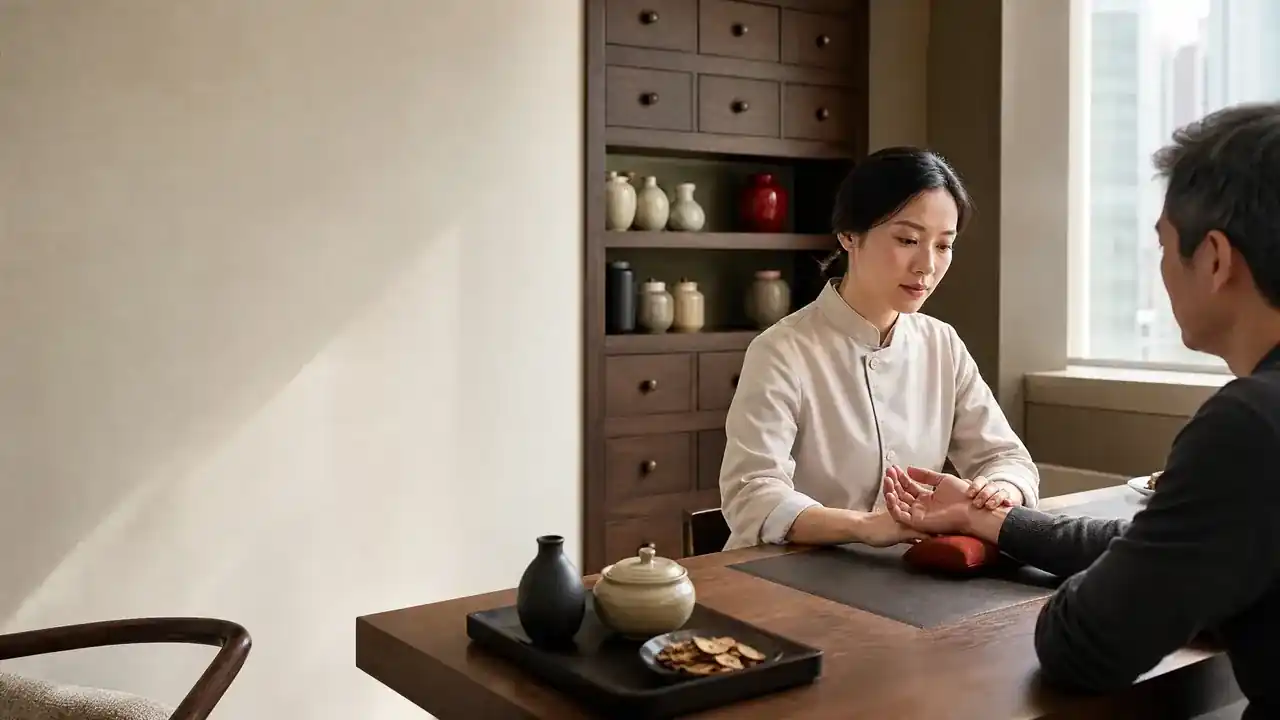
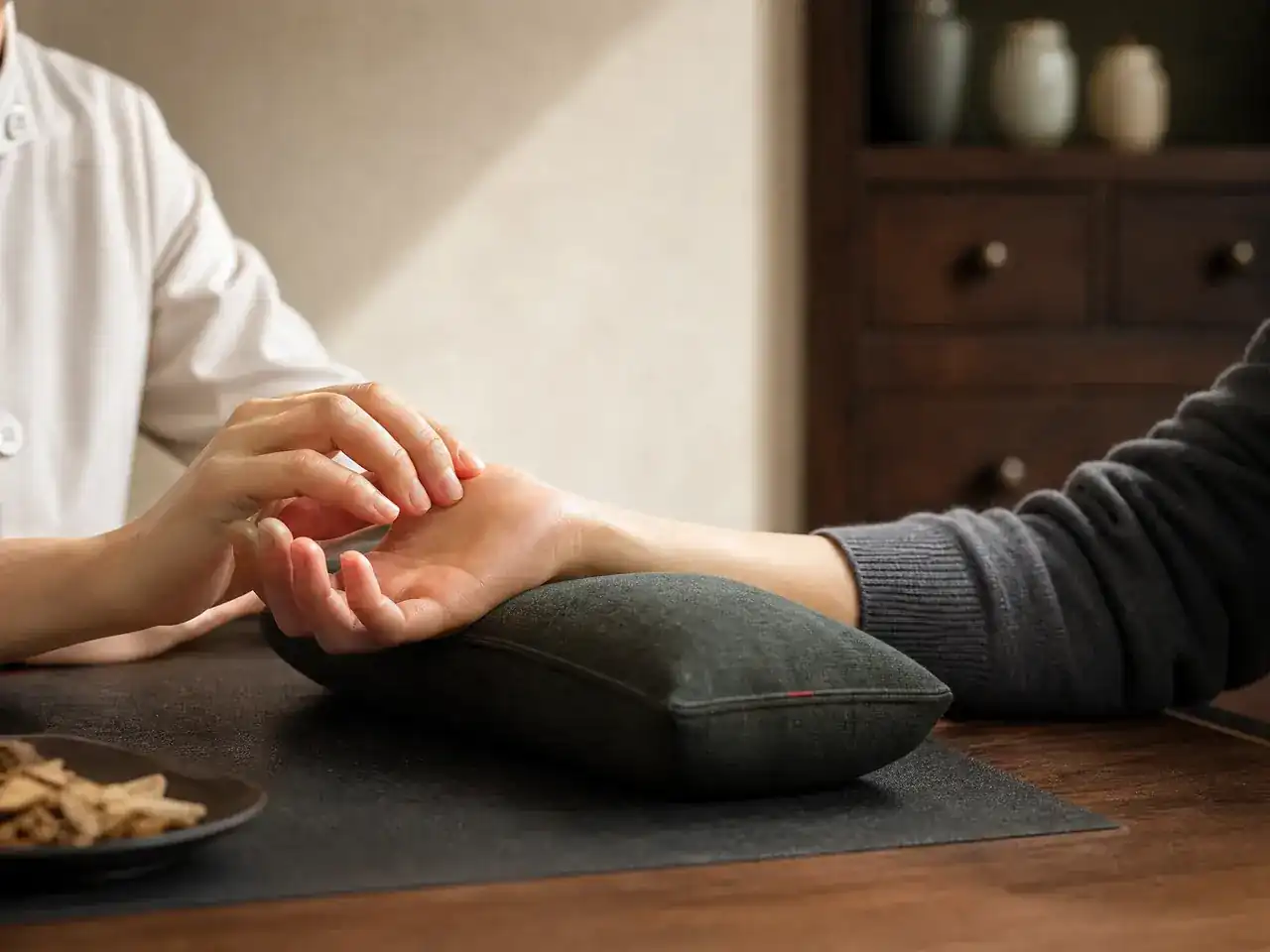
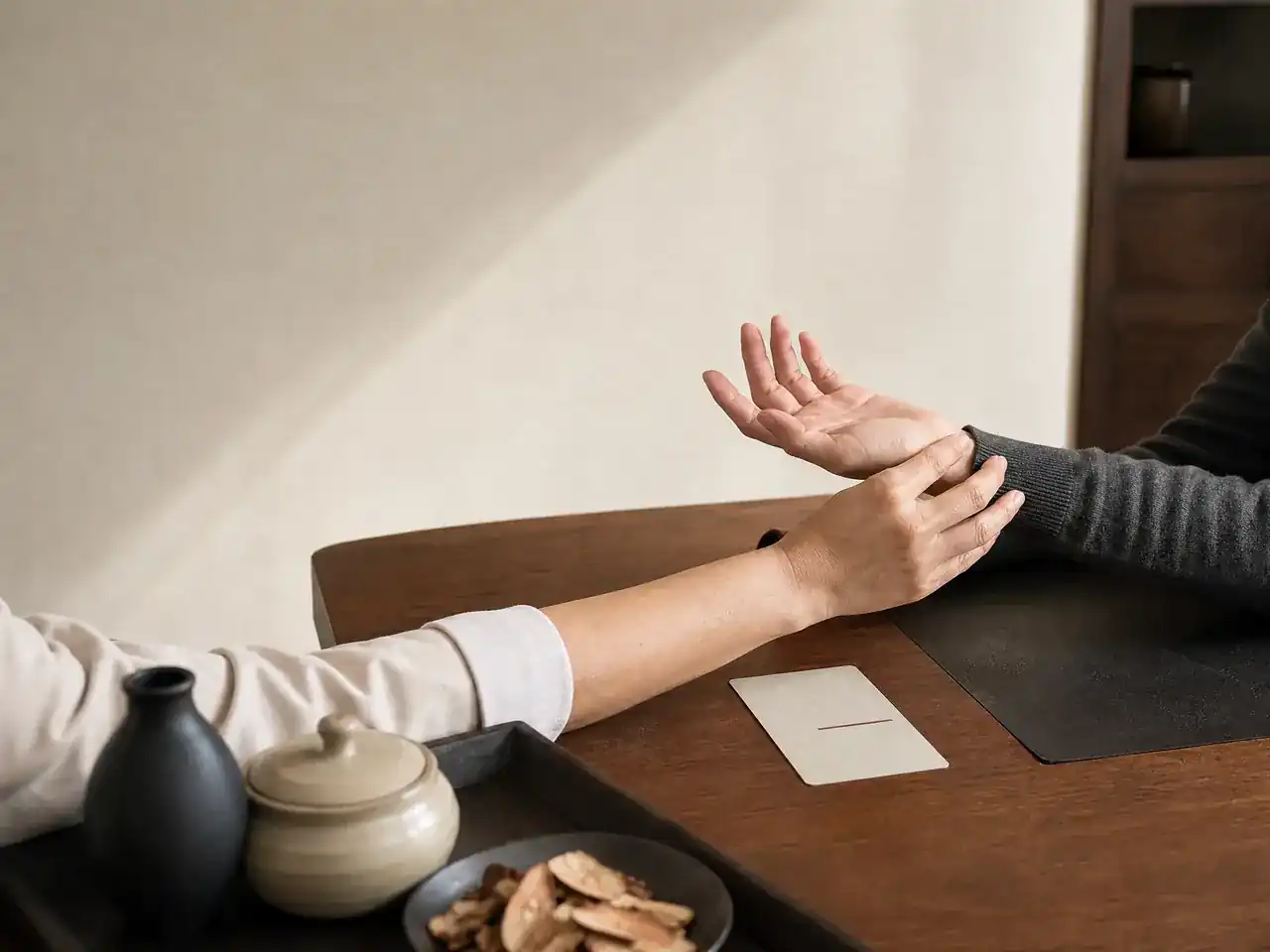
TCM evaluation emphasizes the four diagnostic methods: observation, auscultation and olfaction, inquiry, and pulse taking. For elderly individuals experiencing cognitive decline, the TCM practitioner will carefully observe their complexion, demeanor, tongue appearance, and mobility. Since patients may not be able to accurately express their feelings, the practitioner will engage in in-depth discussions with family members to understand the patient's daily performance, sleep quality, dietary habits, and emotional state.
Furthermore, pulse taking is a crucial component of the TCM evaluation. This comprehensive information helps the practitioner determine the state of the patient's internal organs and the circulation of Qi and blood. For instance, they may identify TCM pathological states such as a deficiency of both Qi and blood, phlegm-turbidity obstructing the orifices, or a deficiency of the liver and kidneys. This provides an objective basis for formulating subsequent TCM support plans. The evaluation process requires close cooperation from family members to ensure the accuracy of the information gathered.
Common TCM Care Methods
For patients with dementia, TCM care primarily involves the internal administration of herbal medicine and acupuncture treatments. Herbal prescriptions are formulated based on the characteristics of the patient's constitution, selecting appropriate herbs for nourishment and regulation. The TCM practitioner will consider the elderly patient's digestive and absorptive capacities, choosing herbs with milder properties, and will provide detailed instructions to family members on the correct methods for decocting and administering the medicine.
Acupuncture involves stimulating specific acupoints with the aim of promoting the flow of Qi and blood through the meridians. For some patients, acupuncture may help soothe accompanying issues such as insomnia, anxiety, emotional irritability, or physical stiffness, thereby enhancing their comfort in daily life. Before proceeding with acupuncture, the practitioner will thoroughly assess the patient's level of acceptance to ensure the process is conducted safely and with minimal discomfort.
Coordinating TCM Support with Conventional Medicine
It must be emphasized that TCM support cannot replace specialist diagnosis and treatment in Western medicine. Patients with dementia should continue to receive regular medical follow-ups and take prescribed medications as directed. The role of TCM care is supplementary, designed to complement conventional medical treatments and jointly provide more comprehensive care for the patient.
Before considering TCM care, family members should proactively provide the attending physician and the TCM practitioner with complete medical records, examination reports, and medication histories. This helps the TCM practitioner avoid prescribing herbs that might interact with Western medications, ensuring that there are no adverse effects between the two medical approaches and maximizing the patient's safety.
The Role of Caregivers and Daily Care
In the care of individuals with dementia, caregivers play an indispensable role. In addition to assisting patients with taking medications on time and attending follow-up appointments, establishing a regular daily routine, providing a balanced diet, and creating a safe living environment are equally important. The physical and mental health of caregivers directly impacts the quality of care, so seeking appropriate support and respite should not be overlooked.
TCM practitioners will also provide daily care advice for caregivers, such as dietary therapy recommendations suited to the patient's constitution and simple acupressure techniques. These suggestions aim to integrate TCM wellness concepts into daily life through the participation of family members, providing more comprehensive support for the patient while also helping to foster interaction between family members and the patient.
Comparison of Evaluation and Care Plans
To provide patients and their families with a clearer understanding of the scope of TCM support, the following table outlines the characteristics of TCM evaluation and common care methods. In practical application, the TCM practitioner will flexibly adjust these plans based on the patient's specific circumstances.
| Item | Main Content | Expected Goal | Precautions |
|---|---|---|---|
| Four Diagnostic Methods | Observation, auscultation, inquiry, and pulse taking to understand constitution and symptoms | Identify the state of internal organs, Qi, and blood | Requires family assistance to provide daily observation information |
| Herbal Medicine | Prescribing herbs based on constitution | Supplementarily improve overall bodily functions | Must be decocted or taken as directed; beware of drug interactions |
| Acupuncture | Stimulating specific acupoints | Soothe accompanying discomforts | Depends on the patient's acceptance and physical condition |
| Daily Advice | Guidance on dietary therapy and acupressure | Integrate into daily care | Serves only as a supplement; cannot replace professional treatment |
Frequently asked questions
Can TCM cure dementia?
No. Currently, there is no medical cure for dementia. The role of TCM support is to provide supplementary care for the patient's constitution, aiming to soothe some accompanying symptoms and improve the patient's quality of life, rather than curing the disease.
Do I need to stop taking Western medication while receiving TCM care?
Absolutely not. Patients must continue to take their conventional medications as directed by their doctor. Before starting TCM care, please ensure you provide the TCM practitioner with a complete list of your medications to avoid any adverse interactions between Chinese and Western medicines.
Is acupuncture safe for elderly individuals with cognitive decline?
Acupuncture is generally safe, but it must be performed by a registered Chinese medicine practitioner. The practitioner will evaluate the elderly individual's physical condition, skin health, and level of acceptance before deciding if it is appropriate. If the individual is extremely resistant or has a blood coagulation disorder, acupuncture may not be suitable.
Does the Kwun Tong clinic offer home visit TCM services?
Harmonia TCM's clinic is in Kwun Tong. Whether home evaluation or treatment services are provided depends on the clinic's actual arrangements and the practitioner's judgment. Please contact the clinic directly for the latest information.
How long does it take for TCM support to show effects?
Because each patient's constitution and condition are different, their response to TCM care will also vary; therefore, an exact timeline cannot be provided. TCM care is typically a gradual process that requires patient cooperation and continuous observation from family members.
How can caregivers cooperate with the TCM care plan?
Caregivers can assist by ensuring the patient takes their medication on time, recording changes in daily symptoms, and reporting these to the practitioner during follow-up visits. Additionally, following the practitioner's dietary and lifestyle advice to create a reassuring living environment for the patient is also a crucial form of cooperation.
Related topics
Sources
Learn More About TCM Support Services
This information outlines common considerations and assessment directions. If you would like to discuss what may suit you or how an appointment can be arranged, please contact us. If you wish to learn more about TCM support for dementia, please feel free to contact us.