TCM Care
Frequent urination
Frequent urination and urinary issues can be a significant source of distress in daily life. At Harmonia TCM, we utilize the holistic perspective of traditional Chinese medicine to provide professional assessments and personalized care plans, helping you restore balance and improve your quality of life.
Quick answer: Frequent urination refers to an abnormal increase in the need to urinate, often associated with various urinary issues. In traditional Chinese medicine, this is viewed as a potential sign of underlying constitutional imbalance. Through professional assessment, we can provide targeted care plans to help improve your overall well-being.
CLEAR PRICES
Interested in a treatment? You are always welcome to ask.
We clearly list our current single, trial and package prices so you can explore at your own pace. You are always welcome to message us on WhatsApp about any service, timing or arrangement.
| Category and service | Content / terms | Public price (HK$) | Booking note | Enquire |
|---|---|---|---|---|
| Hair & scalp | Scalp health and hair-loss support | AI scalp analysis, deep follicle cleansing and oil-control support | Trial offerPackageTrial 380; 6 sessions 3,480; 12 sessions 5,760; 20 sessions 8,600; 30 sessions 11,400 | Average per session for 6/12/20/30: 580/480/430/380 | Ask on WhatsApp |
| Hair & scalp | Hair acupuncture with herbal medicine | Scalp acupuncture with 3 days of decoction-free herbal medicine | Single visitPackageSingle 580; 6 sessions 3,180; 12 sessions 5,760; 20 sessions 8,600; 30 sessions 11,400 | Average per session for 6/12/20/30: 530/480/430/380 | Ask on WhatsApp |
| Hair & scalp | Integrated hair support programme | Acupuncture, herbal medicine and follicle activation; packages include shampoo and serum | Single visitPackageSingle 1,260; 8 sessions 8,640; 16 sessions 15,680; 20 sessions 18,600; 30 sessions 26,400 | Average per session for 8/16/20/30: 1,080/980/930/880 | Ask on WhatsApp |
| Weight management | Full-body acupoint embedding | Full-body acupoint embedding; packages include proportionate days of herbal support | Single visitPackageSingle 980; 10 sessions 7,800; 20 sessions 14,600; 30 sessions 20,400 | Average per session for 10/20/30: 780/730/680 | Ask on WhatsApp |
| Facial acupuncture | Brightening V-face (Essential) | Facial acupuncture, meridian support and swelling management | Trial offerPackageTrial 480; 10 sessions 5,200; 20 sessions 9,600; 30 sessions 13,500 | Average per session for 10/20/30: 520/480/450 | Ask on WhatsApp |
| Facial acupuncture | Firming and refining (Advanced) | Enhanced facial acupuncture for firmness and fine-line concerns with a moisturising mask serum | Trial offerPackageTrial 780; 10 sessions 9,000; 20 sessions 16,600; 30 sessions 23,400 | Average per session for 10/20/30: 900/830/780 | Ask on WhatsApp |
| Pain care | Extracorporeal shockwave therapy | Deep inflammation support and fascial relaxation | Prince Edward: 250 per area; Kwun Tong: 250 for 1 area, 450 for 2, 600 for 3 | Clinic-specific pricing; confirm location before booking | Ask on WhatsApp |
| Pain care | Manual therapy | TCM bone-injury assessment, manual alignment and tui na techniques | Single visitSingle 580 | Suitability is confirmed after assessment | Ask on WhatsApp |
| Pain care | Acupuncture with manual therapy | Acupuncture with manual structural support | Single visitSingle 680 | Suitability is confirmed after assessment | Ask on WhatsApp |
| TCM regulation | Acupuncture with herbal medicine | TCM consultation, whole-body acupuncture and 3 days of decoction-free herbal medicine granules | Single visitSingle 580 | Confirm clinician availability and service arrangement when booking | Ask on WhatsApp |

Understanding Frequent Urination and Urinary Issues
Frequent urination is characterized by the need to urinate more often than usual, which can significantly disrupt daily activities, work, and sleep. These urinary issues can arise from a variety of factors, including lifestyle habits, stress levels, or changes in bodily functions. Understanding the underlying causes of frequent urination is the crucial first step in seeking appropriate care and management.
The perspective of traditional Chinese medicine on frequent urination emphasizes the overall balance of the human body. We believe that the functioning of the urinary system is closely interconnected with the state of the internal organs. When there is an imbalance in the body's constitution, it may manifest as urinary issues such as frequent urination. Therefore, TCM care focuses not only on addressing the symptoms themselves but also on identifying and managing the underlying constitutional factors.
Facing frequent urination can be distressing, and many individuals may feel hesitant to discuss it. However, seeking professional assessment and assistance early on can help clarify the root of the problem. The registered Chinese medicine practitioners at Harmonia TCM will provide appropriate recommendations and care based on your specific situation, ensuring you receive the support you need.
It is important to note that frequent urination is not a disease in itself, but rather a symptom that can indicate various underlying conditions. These can range from simple issues like excessive fluid intake or urinary tract infections to more complex problems such as diabetes, prostate issues in men, or pelvic floor disorders in women. Therefore, a thorough evaluation is essential to determine the exact cause and formulate an effective care plan.
In traditional Chinese medicine, the body is viewed as an integrated whole, where the organs, meridians, and vital substances (Qi, Blood, and Body Fluids) work together in harmony. The kidneys, in particular, play a central role in fluid metabolism and the regulation of urination. When the Kidney Qi is strong, it can properly hold and control urine. However, if the Kidney Qi is deficient, it may lead to frequent urination, nocturia, or even incontinence. Other organs, such as the Spleen, Lungs, and Liver, also contribute to fluid balance and can influence urinary function.
How TCM Assesses Frequent Urination
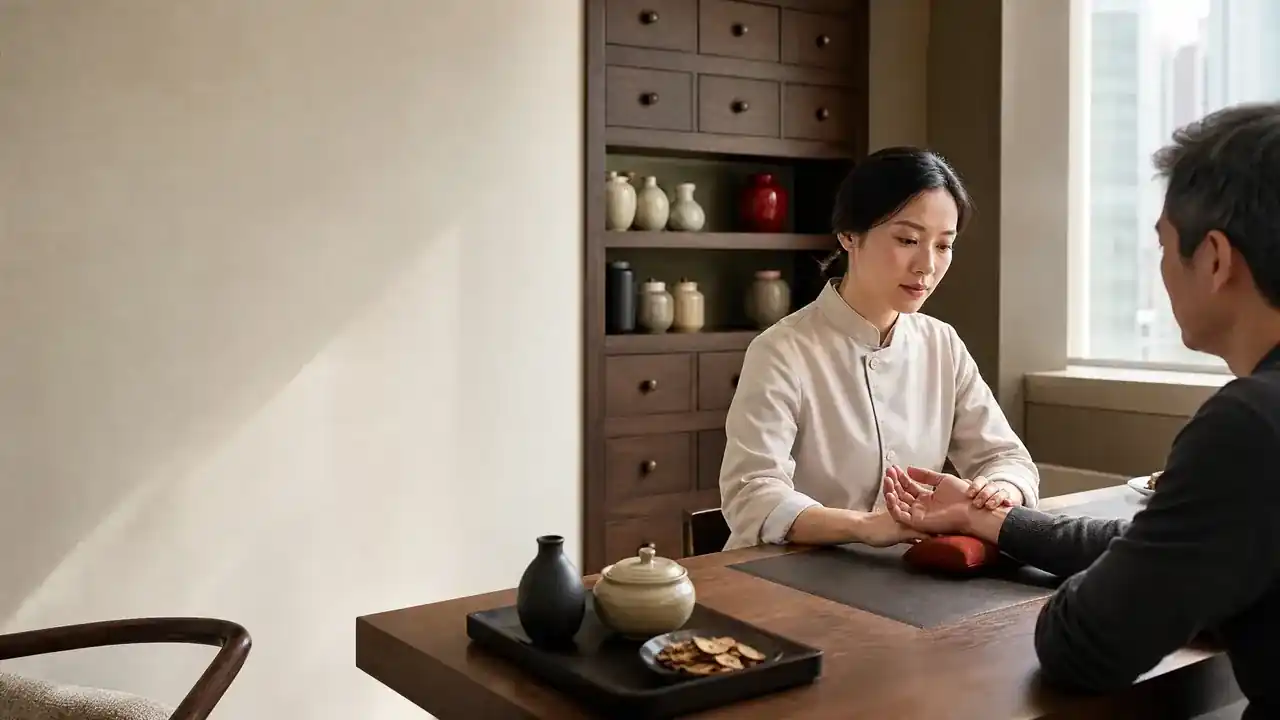
At Harmonia TCM, we conduct a comprehensive assessment of your frequent urination condition using the four traditional diagnostic methods: observation, auscultation and olfaction, inquiry, and pulse taking. The practitioner will ask detailed questions about your urination frequency, the state of your urine, any accompanying symptoms, as well as your daily routine and dietary habits. This information helps us understand the unique characteristics of your constitution.
In addition to the inquiry, the practitioner will also observe your complexion and tongue, and perform a pulse diagnosis. These objective physical signs can further reflect the internal state of your body. Through a comprehensive analysis, the practitioner will develop a personalized care plan for you, aiming to address the fundamental causes of your urinary issues.
We understand that every patient's situation is unique. Therefore, during the assessment process, the practitioner will communicate fully with you, ensuring that you understand your constitutional status and the recommended direction of care. We are committed to providing a safe and professional environment where you can comfortably discuss your health needs and concerns.
During the observation phase, the practitioner will carefully examine your overall appearance, including your complexion, body posture, and movements. The tongue diagnosis is a critical component, as the color, shape, and coating of the tongue can provide valuable insights into the state of your internal organs and the nature of the imbalance. For example, a pale tongue with a white coating may indicate a cold or deficient condition, while a red tongue with a yellow coating may suggest heat or dampness.
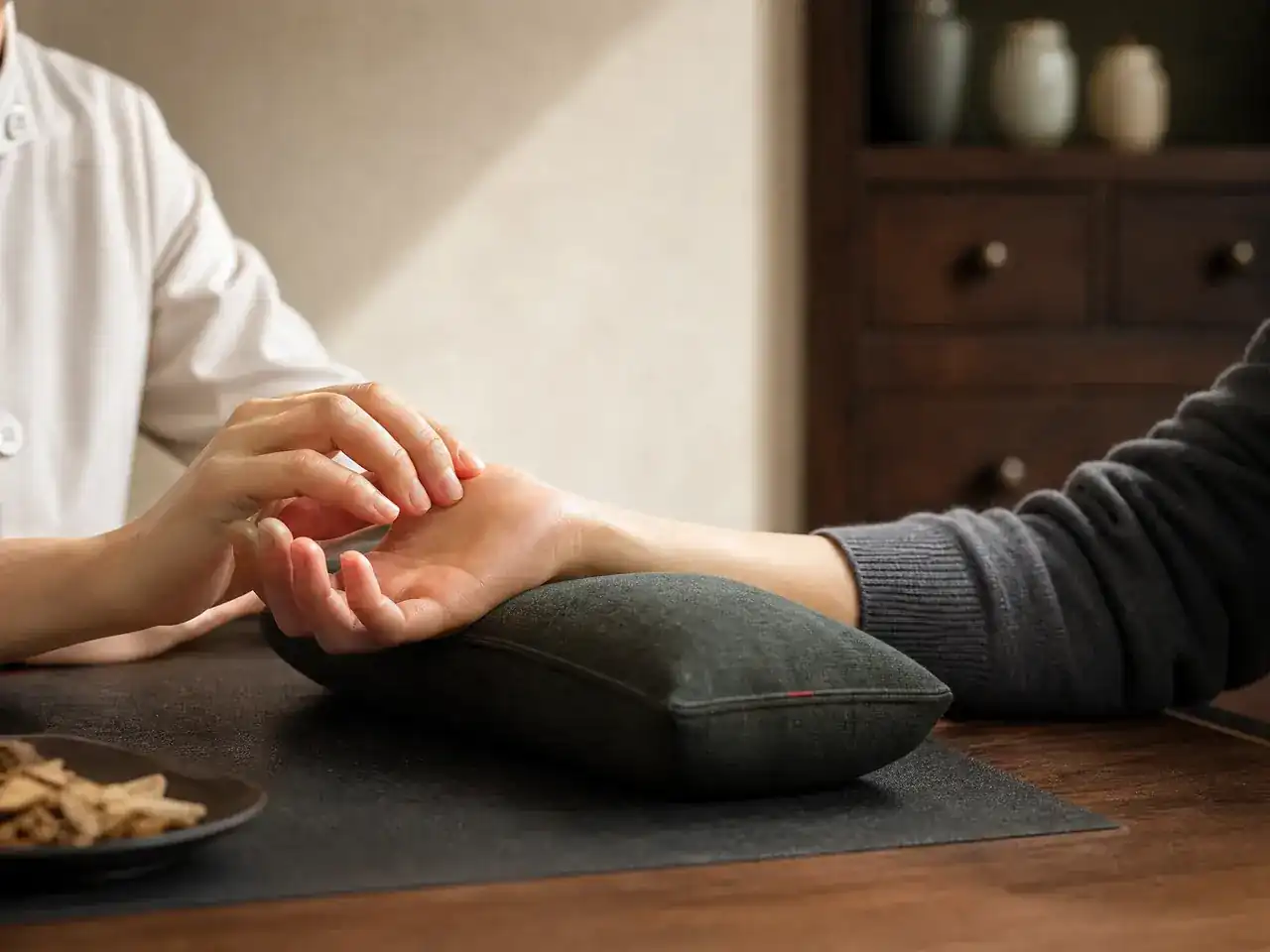
The pulse diagnosis is another essential tool in TCM assessment. By feeling the pulse at different positions on both wrists, the practitioner can assess the strength, rhythm, and quality of the pulse, which reflects the condition of the Qi and Blood, as well as the functioning of the specific organs. This comprehensive approach allows the practitioner to identify the root cause of your frequent urination and tailor the care plan accordingly.
TCM Care Approaches for Frequent Urination
Traditional Chinese medicine offers various methods for managing frequent urination and urinary issues. Among these, herbal medicine is one of the most common approaches. The practitioner will prescribe suitable herbal remedies based on your constitution to help regulate bodily functions and improve the condition of frequent urination. The selection and combination of these herbs are based on the TCM principle of pattern identification and treatment.
Besides herbal medicine, acupuncture is also a frequently used care method. By stimulating specific acupoints, acupuncture helps to clear the meridians and regulate the flow of Qi and blood. For certain types of frequent urination, acupuncture may bring positive effects. The practitioner will evaluate your condition to determine whether combining acupuncture with your care plan is recommended.
Throughout the care process, we will also provide advice on lifestyle and diet. For example, adjusting your water intake habits, avoiding irritating foods, and maintaining a good daily routine. These daily maintenance practices are equally important for improving urinary issues. The team at Harmonia TCM will work hand in hand with you to enhance your quality of life.
Herbal medicine is highly individualized in TCM. A typical herbal prescription consists of a combination of several herbs, each chosen for its specific properties and actions. Some herbs may be used to tonify the kidneys and strengthen the Qi, while others may be included to clear heat, resolve dampness, or soothe the liver. The practitioner will carefully adjust the dosage and composition of the herbal formula based on your progress and any changes in your condition.
In addition to herbal medicine and acupuncture, other TCM modalities such as moxibustion or cupping may be recommended in certain cases. Moxibustion involves the burning of mugwort near specific acupoints to warm the meridians and dispel cold, which can be particularly beneficial for individuals with a cold or deficient constitution. Cupping, on the other hand, can help to promote blood circulation and relieve muscle tension, which may indirectly support urinary function.
Causes and Constitutional Analysis of Frequent Urination
Traditional Chinese medicine categorizes frequent urination into different constitution types, each with its specific manifestations and causes. Through the analysis in the table above, you can gain a preliminary understanding of the relationship between different constitutions and urinary issues. However, this is intended as general guidance, and the actual constitutional assessment must be conducted by a professional Chinese medicine practitioner.
Understanding your constitution type can help you adopt more appropriate maintenance measures in your daily life. For instance, individuals with a Damp-Heat in Lower Jiao constitution should try to avoid spicy and irritating foods, while those with a Kidney Qi Deficiency constitution should pay attention to keeping warm and avoiding overexertion. These adjustments in daily details can complement TCM care.
| Constitution Type | Common Manifestations | Possible Causes | Direction of Care |
|---|---|---|---|
| Kidney Qi Deficiency | Frequent urination, nocturia, clear urine, soreness in lower back and knees | Aging, prolonged illness affecting the kidneys | Warm and tonify Kidney Qi, consolidate and reduce urination |
| Spleen and Lung Qi Deficiency | Frequent urination, urgency, fatigue, shortness of breath | Improper diet, overexertion | Strengthen Spleen and Qi, uplift and consolidate |
| Damp-Heat in Lower Jiao | Frequent urination, urgency, pain during urination, dark yellow urine | Spicy diet, external damp-heat invasion | Clear heat and resolve dampness, promote urination and clear turbidity |
| Liver Qi Stagnation | Frequent urination, difficulty urinating, worsens with emotional fluctuations | Excessive stress, emotional distress | Soothe the Liver and regulate Qi, harmonize Qi mechanism |
Daily Care and Preventive Recommendations
In addition to receiving professional TCM care, daily care plays a crucial role in improving frequent urination and urinary issues. First, establishing good water intake habits is very important. It is recommended to replenish water evenly during the day and avoid drinking large amounts of water before bedtime to reduce the occurrence of nocturia. At the same time, you should try to minimize the intake of diuretic beverages such as caffeine and alcohol.
Second, maintain regular urination habits. Do not hold your urine; when you feel the urge, you should go to the toilet promptly. Furthermore, moderate exercise helps promote the circulation of Qi and blood and strengthens the constitution. You can choose gentle forms of exercise such as walking, yoga, or Tai Chi. These exercises not only strengthen the body but also help relieve stress.
Finally, maintain a good state of mind. Stress and emotional fluctuations can exacerbate the symptoms of frequent urination. Using relaxation techniques, such as deep breathing and meditation, can help stabilize your emotions. The team at Harmonia TCM is always ready to provide you with support and advice, accompanying you through the care process.
Dietary choices also play a significant role in managing frequent urination. It is advisable to consume a balanced diet rich in fresh fruits, vegetables, and whole grains, while limiting the intake of processed foods, refined sugars, and excessive salt. Certain foods, such as watermelon, celery, and cucumber, have natural diuretic properties and should be consumed in moderation, especially in the evening. Conversely, foods that nourish the kidneys, such as black beans, walnuts, and sesame seeds, can be incorporated into your diet to support urinary health.
Furthermore, pelvic floor exercises, such as Kegel exercises, can be highly effective in strengthening the muscles that control urination. These exercises involve repeatedly contracting and relaxing the pelvic floor muscles, which can help improve bladder control and reduce the frequency of urination. Your practitioner can provide guidance on how to perform these exercises correctly and incorporate them into your daily routine.
Harmonia TCM's Professional Commitment
Harmonia TCM is dedicated to providing you with professional and safe traditional Chinese medicine care. Our registered Chinese medicine practitioners have extensive clinical experience and can provide you with accurate assessments and appropriate care plans. We strictly adhere to the regulations of the Chinese Medicine Council of Hong Kong to ensure that all services meet professional standards.
We understand that facing urinary issues like frequent urination, you may have many questions and concerns. Therefore, we value communication with you, ensuring that you make health decisions that suit you with full understanding. Harmonia TCM's only physical clinic is located in Kwun Tong. This page serves only as a reference for clinic visits and home care coverage, and does not imply the existence of branch clinics.
This information outlines common considerations and assessment directions. If you would like to discuss what may suit you or how an appointment can be arranged, please contact us. We look forward to providing you with appropriate assistance, helping you restore a healthy and balanced life.
Frequently asked questions
How long does it take to see results from TCM care for frequent urination?
The duration of care varies from person to person, depending on your constitution, the severity of the frequent urination, and its causes. Generally, mild urinary issues may improve within a few weeks, while chronic conditions may require longer-term care. The practitioner will provide you with an expected progress reference after the assessment.
Do I need to change my dietary habits while receiving TCM care?
Yes, dietary adjustment is an important part of TCM care. The practitioner will recommend suitable dietary principles based on your constitution. For example, avoiding spicy, raw, cold, or irritating foods, and appropriately controlling the timing and amount of water intake to complement the care effects.
Can frequent urination be completely cured?
The goal of TCM care is to improve the constitution, alleviate symptoms, and enhance the quality of life. Many patients experience significant improvement through care. However, whether it will completely stop recurring depends on various factors, including daily maintenance and underlying health conditions. We do not make guarantees, but we will strive to provide the best care.
Is acupuncture helpful for frequent urination? Does it hurt?
Acupuncture helps regulate Qi, blood, and organ functions by stimulating specific acupoints, which has a positive effect on certain types of frequent urination. During acupuncture, you may feel a slight soreness, numbness, or distension, which is a normal response and acceptable to most people. The practitioner will evaluate whether acupuncture is suitable for your condition.
I am currently taking Western medicine. Can I receive TCM herbal care at the same time?
Usually, it is possible, but it must be handled with caution. Please be sure to inform the Chinese medicine practitioner of all the medications you are taking so that the practitioner can evaluate potential drug interactions. It is generally recommended to leave an interval of at least two hours between taking Chinese and Western medicines.
Does Harmonia TCM offer home visit services?
Harmonia TCM's only physical clinic is located in Kwun Tong. Arrangements and coverage for home visits must be further confirmed by the clinic. The information on this topic page is intended as general guidance. For actual service availability, please contact us for the latest information.
Related topics
Sources
Seek Professional TCM Assessment
Frequent urination and urinary issues should not be a burden on your life. The professional team at Harmonia TCM is always ready to provide you with appropriate assessment and care plans. Please contact us to learn more or to schedule a consultation.