Internal Medicine Care
High cholesterol
High cholesterol is a prevalent health challenge in modern society, often silently impacting cardiovascular well-being without immediate symptoms. Traditional Chinese Medicine (TCM) approaches this issue from a holistic perspective, focusing on identifying your unique body constitution and exploring the balance of your internal organ functions. We are dedicated to providing professional assessments and personalized cholesterol care plans, helping you establish a solid foundation for health in your daily life and gradually improving your overall metabolic state.
Quick answer: From a TCM perspective, high cholesterol is often associated with imbalances in the spleen and stomach's digestive functions, leading to the accumulation of internal dampness and phlegm. Through professional constitution assessments by registered TCM practitioners, combined with cholesterol care methods like herbal medicine and acupuncture, we aim to improve organ function and promote metabolic balance. If you experience severe chest discomfort or dizziness, seek immediate medical assistance.
View pricesBook a TCM Consultation
CLEAR PRICES
Interested in a treatment? You are always welcome to ask.
We clearly list our current single, trial and package prices so you can explore at your own pace. You are always welcome to message us on WhatsApp about any service, timing or arrangement.
| Category and service | Content / terms | Public price (HK$) | Booking note | Enquire |
|---|---|---|---|---|
| Hair & scalp | Scalp health and hair-loss support | AI scalp analysis, deep follicle cleansing and oil-control support | Trial offerPackageTrial 380; 6 sessions 3,480; 12 sessions 5,760; 20 sessions 8,600; 30 sessions 11,400 | Average per session for 6/12/20/30: 580/480/430/380 | Ask on WhatsApp |
| Hair & scalp | Hair acupuncture with herbal medicine | Scalp acupuncture with 3 days of decoction-free herbal medicine | Single visitPackageSingle 580; 6 sessions 3,180; 12 sessions 5,760; 20 sessions 8,600; 30 sessions 11,400 | Average per session for 6/12/20/30: 530/480/430/380 | Ask on WhatsApp |
| Hair & scalp | Integrated hair support programme | Acupuncture, herbal medicine and follicle activation; packages include shampoo and serum | Single visitPackageSingle 1,260; 8 sessions 8,640; 16 sessions 15,680; 20 sessions 18,600; 30 sessions 26,400 | Average per session for 8/16/20/30: 1,080/980/930/880 | Ask on WhatsApp |
| Weight management | Full-body acupoint embedding | Full-body acupoint embedding; packages include proportionate days of herbal support | Single visitPackageSingle 980; 10 sessions 7,800; 20 sessions 14,600; 30 sessions 20,400 | Average per session for 10/20/30: 780/730/680 | Ask on WhatsApp |
| Facial acupuncture | Brightening V-face (Essential) | Facial acupuncture, meridian support and swelling management | Trial offerPackageTrial 480; 10 sessions 5,200; 20 sessions 9,600; 30 sessions 13,500 | Average per session for 10/20/30: 520/480/450 | Ask on WhatsApp |
| Facial acupuncture | Firming and refining (Advanced) | Enhanced facial acupuncture for firmness and fine-line concerns with a moisturising mask serum | Trial offerPackageTrial 780; 10 sessions 9,000; 20 sessions 16,600; 30 sessions 23,400 | Average per session for 10/20/30: 900/830/780 | Ask on WhatsApp |
| Pain care | Extracorporeal shockwave therapy | Deep inflammation support and fascial relaxation | Prince Edward: 250 per area; Kwun Tong: 250 for 1 area, 450 for 2, 600 for 3 | Clinic-specific pricing; confirm location before booking | Ask on WhatsApp |
| Pain care | Manual therapy | TCM bone-injury assessment, manual alignment and tui na techniques | Single visitSingle 580 | Suitability is confirmed after assessment | Ask on WhatsApp |
| Pain care | Acupuncture with manual therapy | Acupuncture with manual structural support | Single visitSingle 680 | Suitability is confirmed after assessment | Ask on WhatsApp |
| TCM regulation | Acupuncture with herbal medicine | TCM consultation, whole-body acupuncture and 3 days of decoction-free herbal medicine granules | Single visitSingle 580 | Confirm clinician availability and service arrangement when booking | Ask on WhatsApp |
Understanding High Cholesterol Through the Lens of TCM
In modern medicine, high cholesterol is widely recognized as a significant risk factor for cardiovascular diseases. While the specific term "cholesterol" does not exist in classical Traditional Chinese Medicine literature, the clinical manifestations and underlying pathological mechanisms associated with it are typically categorized under concepts such as "phlegm-turbidity" (痰濁), "blood stasis" (血瘀), or "chest bi" (胸痹). TCM believes that the circulation of Qi (vital energy) and blood is closely linked to the optimal functioning of the internal organs. When dietary indiscretions, lack of physical activity, or emotional stress occur, they can weaken the spleen and stomach's capacity to transform and transport nutrients.
The spleen is responsible for managing fluid metabolism in the body. If the spleen's function is compromised, fluids can accumulate and transform into pathological phlegm-turbidity. This turbid substance can obstruct the meridians and blood vessels, creating a state that closely mirrors the modern understanding of high cholesterol. Furthermore, the strength of the liver and kidneys plays a crucial role in lipid metabolism. The liver governs the smooth flow of Qi and blood, while the kidneys are considered the root of innate vitality, governing growth and metabolic processes. As we age or endure chronic stress, the liver and kidneys may gradually weaken, leading to sluggish Qi and blood circulation, which easily results in blood stasis.
When phlegm-turbidity and blood stasis intertwine, they not only impede normal blood flow but can also trigger uncomfortable symptoms such as dizziness, a feeling of oppression in the chest, and numbness in the limbs. Therefore, when addressing high cholesterol, TCM emphasizes a holistic approach to uncover the root causes of metabolic imbalance. Many poor lifestyle habits contribute to this condition. For instance, a diet high in fats, sugars, or cold foods directly burdens the digestive system, while chronic sleep deprivation and excessive stress deplete the liver and kidney Yin. TCM cholesterol care does not merely focus on lowering a single numerical indicator; instead, it involves a comprehensive evaluation of an individual's lifestyle and constitutional traits to formulate a personalized care plan aimed at restoring harmony among the organs.
Common Body Constitutions Associated with High Cholesterol
A core principle of Traditional Chinese Medicine is "pattern differentiation and treatment" (辨證論治), which means tailoring care strategies based on each person's unique constitutional characteristics. For individuals managing high cholesterol, the most frequently observed constitution types include Spleen Deficiency with Phlegm-Dampness, Liver and Kidney Yin Deficiency, and Qi Stagnation with Blood Stasis. Those with a Spleen Deficiency and Phlegm-Dampness constitution often experience a heavy sensation in the body, fatigue, poor appetite, and sticky bowel movements. Their weakened digestive function leads to the accumulation of moisture and metabolic waste. For this group, TCM primarily employs methods to strengthen the spleen and resolve dampness, thereby promoting the normal metabolism of fluids and lipids.
The Liver and Kidney Yin Deficiency type is more commonly seen in middle-aged and elderly individuals, or those who frequently stay up late and face high work pressure. These individuals often present with symptoms such as dizziness, ringing in the ears (tinnitus), soreness and weakness in the lower back and knees, and insomnia with vivid dreams. Because the Yin fluids of the liver and kidneys are insufficient, they cannot adequately nourish the organs, leading to the generation of internal "empty heat" which further disrupts normal Qi and blood circulation. For this constitution, the focus of TCM cholesterol care is on nourishing the liver and kidneys and subduing hyperactive Yang, achieving a balance of Yin and Yang to improve overall metabolic function.
Individuals with a Qi Stagnation and Blood Stasis constitution tend to experience emotional fluctuations, distending pain in the chest and hypochondriac regions, and may have a purplish tongue. Chronic emotional suppression or a sedentary lifestyle can cause Qi to stagnate. Since Qi commands the movement of blood, stagnant Qi inevitably leads to blood stasis. When blood circulation is impaired, lipids are more likely to deposit on blood vessel walls, forming the pathological basis for high cholesterol. For this type, TCM applies the principles of regulating Qi and activating blood circulation to clear the meridians and help the body eliminate accumulated metabolic waste. Understanding your specific constitution type is the crucial first step toward effective TCM care.
Common Methods and Principles of TCM Cholesterol Care
When providing cholesterol care, Traditional Chinese Medicine typically utilizes a comprehensive combination of methods, including the internal administration of herbal medicine, acupuncture therapy, and lifestyle guidance. Herbal care is prescribed based on individual pattern differentiation, utilizing herbs known for their efficacy in strengthening the spleen, resolving dampness, activating blood circulation, or nourishing the liver and kidneys. For example, herbs like Hawthorn (Shan Zha), Salvia (Dan Shen), and Cassia Seed (Jue Ming Zi) are frequently cited in traditional literature for their potential to improve blood circulation and aid digestion. However, it is imperative that herbal medicines are prescribed by a registered TCM practitioner based on your specific condition. Self-medication should be strictly avoided to prevent adverse reactions due to a mismatch with your constitution.
Acupuncture therapy involves stimulating specific acupoints on the body to regulate organ function and the flow of Qi and blood. For individuals with high cholesterol, a TCM practitioner might select points such as Zusanli (ST36), Fenglong (ST40), and Sanyinjiao (SP6) for needling or moxibustion. Zusanli helps strengthen the spleen and boost Qi, Fenglong is a primary point for resolving phlegm, and Sanyinjiao can regulate the liver, spleen, and kidney meridians. Regular acupuncture sessions not only help improve the overall metabolic state but can also alleviate accompanying symptoms like dizziness and fatigue caused by high cholesterol. As a non-pharmacological therapy, acupuncture plays a vital role in comprehensive care.
Beyond professional medical interventions, TCM places immense importance on daily lifestyle adjustments. In terms of diet, it is recommended to follow a light, balanced approach, increasing the intake of vegetables and whole grains rich in dietary fiber, while reducing the consumption of greasy, spicy, and high-sugar foods. Moderate exercises, such as Tai Chi, Ba Duan Jin (Eight Section Brocade), or brisk walking, can promote the smooth flow of Qi and blood and enhance the spleen's digestive functions. Furthermore, maintaining a cheerful mood and avoiding overexertion and late nights are essential for preserving the liver's regulating functions and overall Qi balance. TCM cholesterol care is a gradual, step-by-step process that requires the patient's active cooperation in their daily life.
Comprehensive Assessment of High Cholesterol and Cardiovascular Health
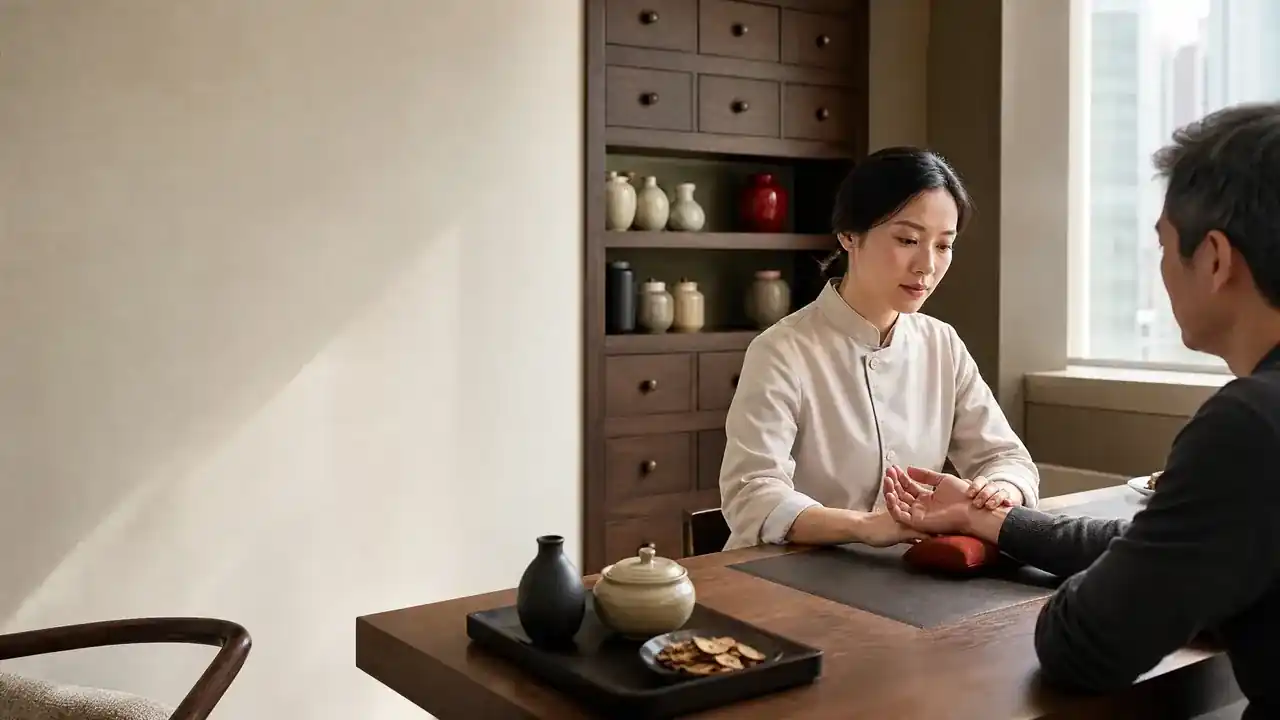
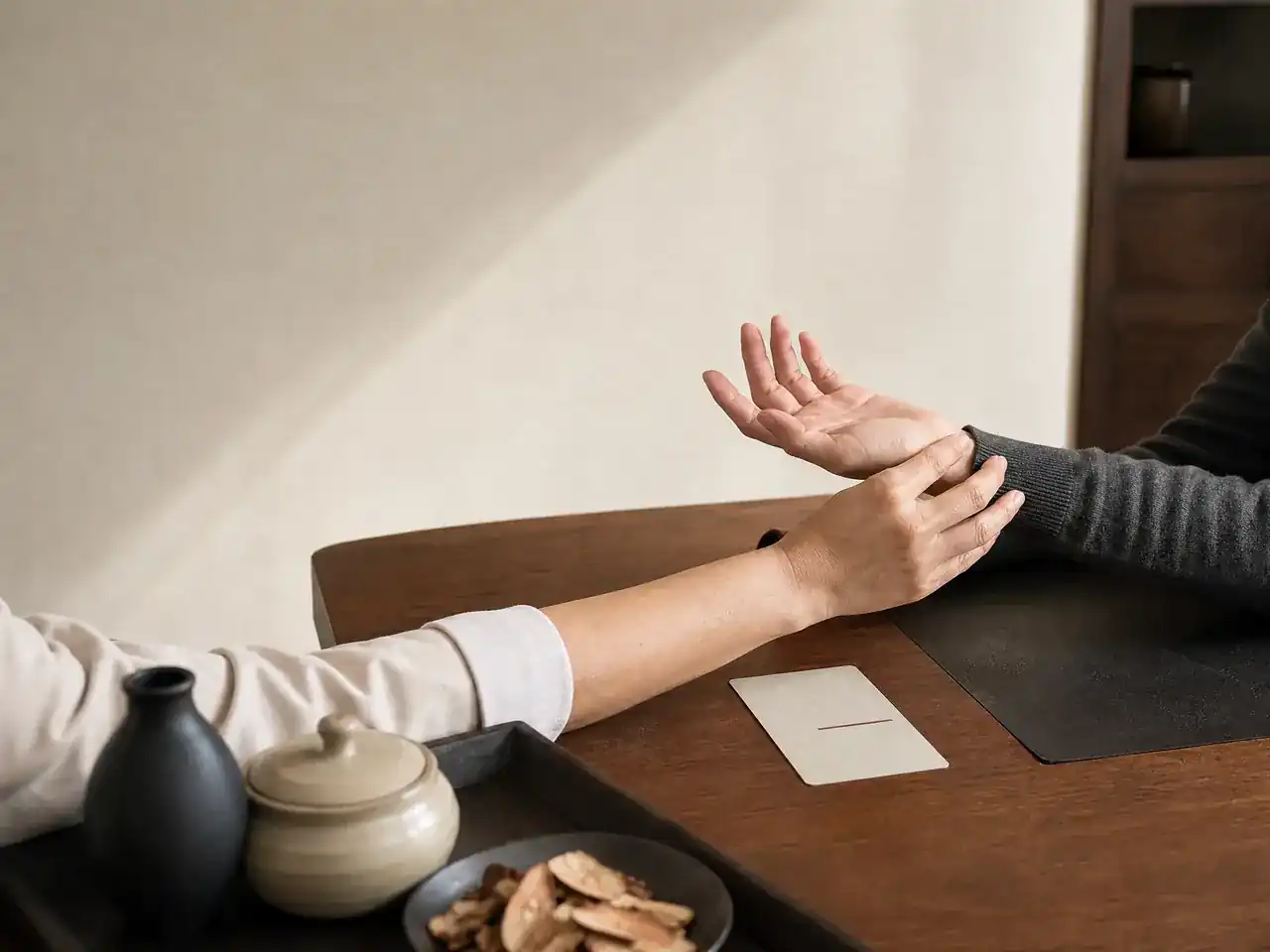
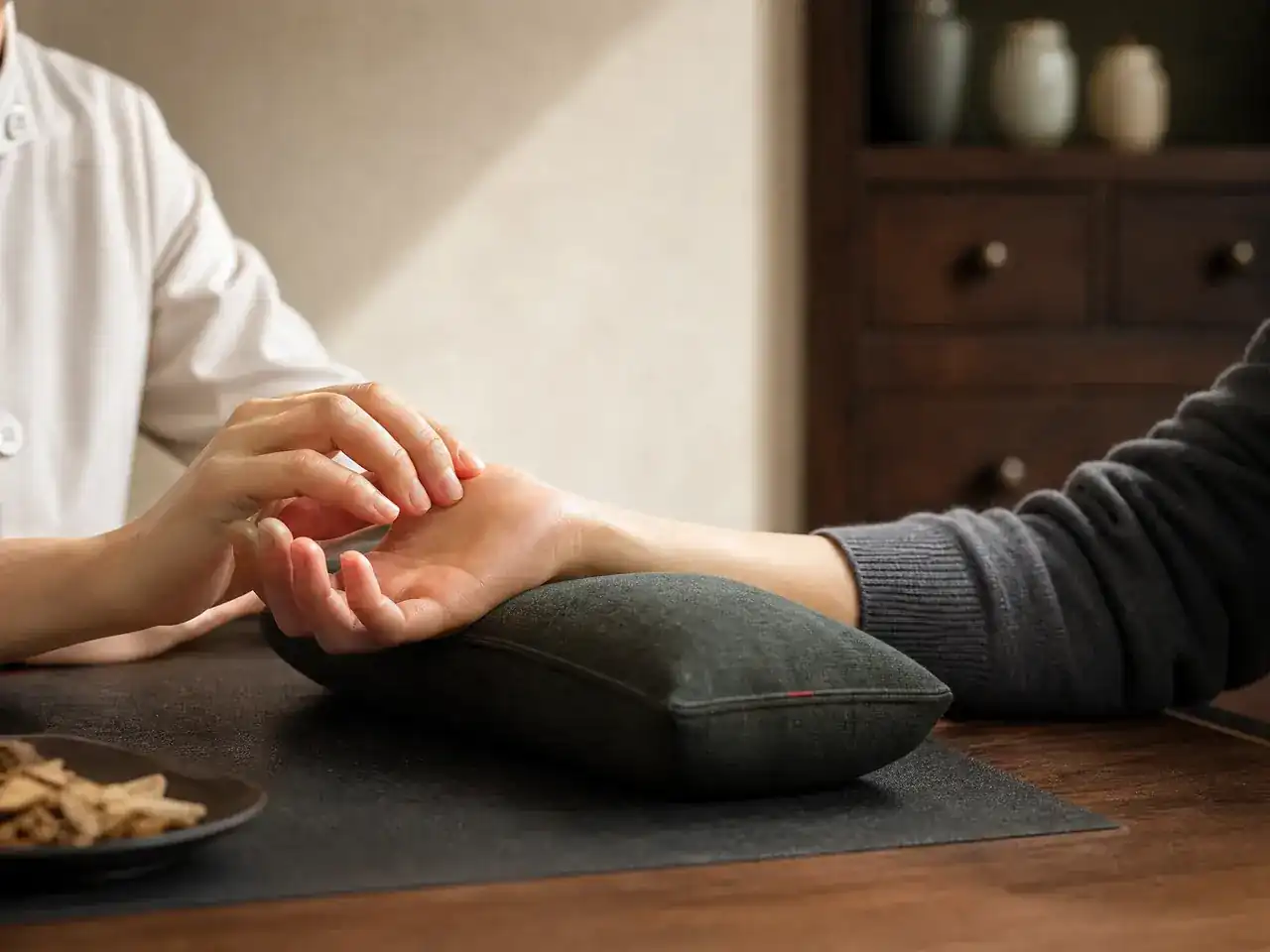
High cholesterol often serves as an early warning sign for cardiovascular diseases, making a comprehensive health assessment exceptionally important. The four diagnostic methods of TCM—observation, auscultation and olfaction, inquiry, and palpation (pulse taking)—can capture subtle changes in the body from a macroscopic perspective. By observing the complexion and tongue, listening to breathing and voice, inquiring about lifestyle habits and discomforts, and feeling the pulse, a TCM practitioner can make an initial judgment about the state of Qi, blood, and internal organs. This non-invasive assessment method helps in the early detection of potential health risks and provides a crucial basis for subsequent care.
However, TCM assessments cannot entirely replace modern medical blood tests and imaging diagnostics. To accurately gauge the severity of high cholesterol and its impact on the cardiovascular system, we strongly advise patients to undergo regular conventional physical examinations, including a complete lipid panel (total cholesterol, LDL, HDL, and triglycerides). An integrative assessment model combining TCM and Western medicine can draw on the strengths of both, providing patients with a more comprehensive and safer health management plan. At Harmonia TCM, we encourage patients to maintain open communication with their primary care physicians to ensure all care measures are conducted safely.
During the assessment process, the TCM practitioner will also pay close attention to whether the patient exhibits any dangerous signals that require immediate attention. For instance, if a patient frequently experiences severe chest pain, difficulty breathing, unilateral limb weakness, or slurred speech, these could be precursors to severe cardiovascular events such as a heart attack or stroke. In such situations, the practitioner will immediately advise the patient to visit an emergency department or seek assistance from a medical specialist. TCM care primarily targets constitutional improvement and preventive health during chronic phases; when facing acute or critical conditions, modern medical emergency and specialist treatments must take precedence.
The Advantages of an Integrative Approach to Managing High Cholesterol
In the modern healthcare system, the integrative management of high cholesterol using both TCM and Western medicine has become a growing trend. Western medicine, through the prescription of cholesterol-lowering drugs (such as statins), can rapidly and effectively control lipid levels in the blood, reducing the incidence of cardiovascular events. However, some patients may experience side effects like muscle aches or abnormal liver function while taking these medications, or they may see a rebound in their lipid levels after stopping the drugs. In these instances, the intervention of TCM can leverage its unique advantages. Through holistic constitutional care, TCM can help alleviate the discomforts associated with medications and fundamentally improve the body's metabolic functions.
TCM cholesterol care focuses on restoring the internal organs' self-regulating capabilities, which forms an excellent complement to the symptom-focused treatments of Western medicine. Building upon the foundation of lipid control achieved by Western medications, incorporating herbal medicine and acupuncture can help consolidate the therapeutic effects and reduce reliance on a single type of medication. Concurrently, the dietary and lifestyle adjustments emphasized by TCM align perfectly with the foundational treatments highly recommended in Western medical guidelines. The two approaches share a common philosophy in preventing cardiovascular diseases. Through cross-disciplinary collaboration, patients can receive more comprehensive and personalized care.
It is particularly important to note that patients currently taking Western medications must proactively provide their complete medication history when seeking TCM care. Certain herbal ingredients may interact with Western drugs, potentially affecting their efficacy or increasing the risk of side effects. A professional registered TCM practitioner will carefully select an appropriate care plan based on the patient's specific medication profile, ensuring the safety and effectiveness of the integrative treatment. Harmonia TCM is committed to providing safe and reliable TCM services, and we will only formulate a dedicated care plan after fully understanding your medical history and current medications.
High Cholesterol Manifestations and Care Directions by Constitution
To provide a clearer understanding of how TCM tailors high cholesterol care to different body constitutions, we have compiled the following table detailing common constitutional traits and their corresponding care directions. This can help you gain an initial awareness of your health status, but a detailed pattern differentiation by a professional TCM practitioner is still required for practical application.
| Constitution Type | Common Clinical Manifestations | High Cholesterol Characteristics | TCM Care Principles | Daily Recommendations |
|---|---|---|---|---|
| Spleen Deficiency with Phlegm-Dampness | Heavy sensation, fatigue, poor appetite, sticky stool, thick greasy tongue coating | Often overweight, lipid levels fluctuate easily | Strengthen spleen, boost Qi, resolve phlegm and dampness | Light diet, avoid cold and greasy foods, engage in moderate aerobic exercise |
| Liver and Kidney Yin Deficiency | Dizziness, tinnitus, sore lower back/knees, insomnia, red tongue with little coating | Common in middle-aged/elderly, often accompanied by higher blood pressure | Nourish liver and kidneys, subdue hyperactive Yang | Maintain regular sleep, avoid staying up late, consume moderate amounts of black sesame or walnuts |
| Qi Stagnation with Blood Stasis | Chest/hypochondriac pain, mood swings, purplish lips/nails, dark tongue with spots | Higher blood viscosity, prone to cardiovascular microcirculation issues | Regulate Qi, relieve depression, activate blood circulation | Maintain a cheerful mood, practice stress management, do gentle exercises like Tai Chi or yoga |
| Damp-Heat Accumulation | Bitter/dry mouth, restlessness, scanty dark urine, yellow greasy tongue coating | Often accompanied by abnormal liver enzymes or fatty liver tendencies | Clear heat, resolve dampness, soothe liver and gallbladder | Quit smoking/alcohol, reduce spicy foods, drink plenty of water to promote metabolism |
Harmonia TCM's Professional Commitment and Service Scope
Harmonia TCM consistently adheres to a patient-centered service philosophy, dedicating ourselves to providing professional, safe, and reliable Traditional Chinese Medicine clinical services. We deeply understand the impact that high cholesterol and related cardiovascular issues can have on a patient's quality of life. Therefore, when formulating a cholesterol care plan, we strictly follow traditional TCM theories while integrating objective indicators from modern medicine to tailor the most suitable health management plan for each individual. Our team of registered TCM practitioners possesses extensive clinical experience, enabling them to accurately identify various complex constitutions and provide appropriate treatment recommendations.
Please note that Harmonia TCM's only physical clinic is located in Kwun Tong. The information provided here, as well as the coverage areas for clinic visits and home consultations, are intended as general guidance and do not imply that we have branch locations in other districts. For patients with mobility issues or special needs, we can assess whether it is suitable to provide home consultation services based on actual circumstances. The actual availability, suitability, potential risks, and specific arrangements of all services must be finally confirmed by our registered TCM practitioners and clinic team. We never make unrealistic guarantees of a cure; instead, we accompany you in gradually improving your health through grounded medical practice.
If you have any questions about TCM care for high cholesterol, or if you wish to learn more about constitution assessments, please feel free to contact us at any time. We are wholeheartedly committed to answering your queries and assisting you in scheduling a professional TCM consultation. Health is a long-term investment, and Harmonia TCM looks forward to being your solid backing on the path to physical and mental balance, working hand in hand with you to create a better, healthier life.
Frequently asked questions
How long does it take to see results from TCM care for high cholesterol?
TCM care for high cholesterol focuses on improving the overall constitution and organ functions, which is a gradual, step-by-step process. Generally, patients may feel an improvement in accompanying symptoms like fatigue and dizziness within a few weeks to a few months. However, observing significant changes in blood cholesterol indicators usually requires long-term dietary control and lifestyle adjustments, along with regular objective evaluations through Western medical blood tests. The specific timeframe varies depending on individual constitution and the severity of the condition.
Can I receive TCM care while taking Western cholesterol-lowering medications?
Yes, you can. The integrative management of high cholesterol using both TCM and Western medicine is a common and effective approach. TCM care can help alleviate potential side effects of Western drugs and fundamentally improve metabolic function. However, it is crucial that you provide your complete Western medication prescription records to the TCM practitioner so they can avoid ingredients that might cause interactions. Also, please do not stop taking your Western medications on your own; any medication adjustments should be made under the guidance of your primary care physician.
Besides herbal medicine, is acupuncture helpful for high cholesterol?
As part of comprehensive TCM care, acupuncture is helpful in improving the overall health status of patients with high cholesterol. By stimulating specific acupoints (such as Zusanli and Fenglong), acupuncture helps regulate the spleen and stomach's digestive functions, promoting the flow of Qi and blood and the elimination of metabolic waste. Additionally, acupuncture can effectively relieve discomforts caused by high cholesterol, such as dizziness, chest tightness, or excessive stress. Acupuncture is usually combined with herbal medicine and lifestyle guidance to achieve optimal cholesterol care results.
What dietary advice does TCM offer for patients with high cholesterol?
TCM recommends that patients with high cholesterol primarily follow a light and balanced diet, avoiding excessive intake of rich, greasy, high-fat, and high-sugar foods, as well as cold and raw foods, to prevent burdening the spleen and stomach and causing internal damp-phlegm. It is advisable to consume more vegetables and whole grains rich in dietary fiber, and moderately include ingredients that strengthen the spleen, resolve dampness, or activate blood, such as Chinese yam, Coix seed (Job's tears), and black wood ear mushroom. Specific dietary advice should be provided by a TCM practitioner based on individual pattern differentiation.
Can thin people also have high cholesterol problems? How does TCM view this?
Yes, individuals with a thin physique can also face high cholesterol problems. From a TCM perspective, this is often related to Liver and Kidney Yin Deficiency or Qi Stagnation with Blood Stasis, rather than simply Spleen Deficiency with Phlegm-Dampness. Chronic late nights, excessive stress, or genetic factors can lead to organ dysfunction, which in turn affects lipid metabolism. Therefore, during an assessment, TCM does not solely look at body shape but uses the four diagnostic methods comprehensively to understand the patient's Qi and blood status and organ functions, thereby formulating a targeted care plan.
Which areas do Harmonia TCM's high cholesterol care services cover?
Harmonia TCM's only physical clinic is located in Kwun Tong, where we primarily provide professional TCM consultations and care services. For patients with mobility issues or special needs, we can assess whether it is suitable to provide home consultation services within specific areas. The service coverage mentioned here is intended as general guidance and does not imply that we have branch locations outside of Kwun Tong. The actual arrangements and suitability of all services must be finally confirmed by our clinic team and registered TCM practitioners.
Related topics
Sources
Prioritize Cardiovascular Health: Start with Constitution Care
High cholesterol should not be ignored. Early professional TCM assessment and cholesterol care can help improve metabolic function and reduce potential health risks. Harmonia TCM's physical clinic in Kwun Tong offers personalized health management plans provided by registered TCM practitioners. Contact us today to learn more details.