TCM Internal Medicine
Kidney deficiency (TCM pattern)
Kidney deficiency is a common state of constitutional imbalance in Traditional Chinese Medicine that can affect the functioning of multiple bodily systems. Through professional TCM assessment, we can identify different TCM kidney patterns and formulate personalized kidney deficiency treatment plans, assisting you in gradually restoring your body's natural harmony and overall well-being.
Quick answer: In TCM theory, kidney deficiency represents an insufficiency of the kidney's essence, qi, yin, or yang. Common manifestations include lower back soreness, fatigue, and poor sleep quality. Depending on the specific pattern, practitioners may use herbal medicine or acupuncture as part of a comprehensive treatment approach. Always seek conventional medical assessment for severe symptoms.
View pricesLearn About Our Services
CLEAR PRICES
Interested in a treatment? You are always welcome to ask.
We clearly list our current single, trial and package prices so you can explore at your own pace. You are always welcome to message us on WhatsApp about any service, timing or arrangement.
| Category and service | Content / terms | Public price (HK$) | Booking note | Enquire |
|---|---|---|---|---|
| Hair & scalp | Scalp health and hair-loss support | AI scalp analysis, deep follicle cleansing and oil-control support | Trial offerPackageTrial 380; 6 sessions 3,480; 12 sessions 5,760; 20 sessions 8,600; 30 sessions 11,400 | Average per session for 6/12/20/30: 580/480/430/380 | Ask on WhatsApp |
| Hair & scalp | Hair acupuncture with herbal medicine | Scalp acupuncture with 3 days of decoction-free herbal medicine | Single visitPackageSingle 580; 6 sessions 3,180; 12 sessions 5,760; 20 sessions 8,600; 30 sessions 11,400 | Average per session for 6/12/20/30: 530/480/430/380 | Ask on WhatsApp |
| Hair & scalp | Integrated hair support programme | Acupuncture, herbal medicine and follicle activation; packages include shampoo and serum | Single visitPackageSingle 1,260; 8 sessions 8,640; 16 sessions 15,680; 20 sessions 18,600; 30 sessions 26,400 | Average per session for 8/16/20/30: 1,080/980/930/880 | Ask on WhatsApp |
| Weight management | Full-body acupoint embedding | Full-body acupoint embedding; packages include proportionate days of herbal support | Single visitPackageSingle 980; 10 sessions 7,800; 20 sessions 14,600; 30 sessions 20,400 | Average per session for 10/20/30: 780/730/680 | Ask on WhatsApp |
| Facial acupuncture | Brightening V-face (Essential) | Facial acupuncture, meridian support and swelling management | Trial offerPackageTrial 480; 10 sessions 5,200; 20 sessions 9,600; 30 sessions 13,500 | Average per session for 10/20/30: 520/480/450 | Ask on WhatsApp |
| Facial acupuncture | Firming and refining (Advanced) | Enhanced facial acupuncture for firmness and fine-line concerns with a moisturising mask serum | Trial offerPackageTrial 780; 10 sessions 9,000; 20 sessions 16,600; 30 sessions 23,400 | Average per session for 10/20/30: 900/830/780 | Ask on WhatsApp |
| Pain care | Extracorporeal shockwave therapy | Deep inflammation support and fascial relaxation | Prince Edward: 250 per area; Kwun Tong: 250 for 1 area, 450 for 2, 600 for 3 | Clinic-specific pricing; confirm location before booking | Ask on WhatsApp |
| Pain care | Manual therapy | TCM bone-injury assessment, manual alignment and tui na techniques | Single visitSingle 580 | Suitability is confirmed after assessment | Ask on WhatsApp |
| Pain care | Acupuncture with manual therapy | Acupuncture with manual structural support | Single visitSingle 680 | Suitability is confirmed after assessment | Ask on WhatsApp |
| TCM regulation | Acupuncture with herbal medicine | TCM consultation, whole-body acupuncture and 3 days of decoction-free herbal medicine granules | Single visitSingle 580 | Confirm clinician availability and service arrangement when booking | Ask on WhatsApp |

Understanding Kidney Deficiency in Traditional Chinese Medicine
In the theoretical framework of Traditional Chinese Medicine (TCM), the concept of the "kidney" differs significantly from the anatomical kidneys understood in modern Western medicine. TCM considers the kidneys to be the foundation of innate constitution, storing the essential substances required for human growth, development, and reproduction. When these fundamental substances or their associated functions experience depletion or insufficiency, a state known as kidney deficiency arises. This condition does not necessarily indicate a structural or pathological disease of a single organ; rather, it reflects a broader decline or imbalance in the body's overall functional capacity and energy reserves.
The development of this condition is typically a gradual and progressive process. It can be associated with various factors, including an innate constitutional weakness inherited from birth, prolonged periods of overwork and physical exhaustion, the natural aging process, or the lingering effects of chronic illness. In modern society, the fast-paced lifestyle, chronic psychological stress, and irregular daily routines can significantly accelerate the consumption of kidney qi. Therefore, recognizing and addressing these constitutional changes early on is of paramount importance for maintaining long-term health, vitality, and a balanced state of well-being.
Through a comprehensive and professional TCM assessment, a registered practitioner can evaluate a patient's specific clinical manifestations to determine whether they are experiencing this issue and, more importantly, to identify the precise pattern involved. This detailed evaluation not only provides valuable insights into the individual's current health status but also establishes a clear and evidence-based direction for subsequent care and constitutional support, ensuring that any intervention is both safe and appropriately targeted.
Common TCM Kidney Patterns and Their Manifestations
TCM categorizes this condition into several distinct patterns, with the most frequently encountered being yin deficiency and yang deficiency. Yin deficiency primarily manifests as a lack of the body's cooling, moistening, and nourishing substances, which inevitably leads to the generation of internal empty heat. Individuals presenting with this specific pattern often experience uncomfortable sensations of heat in the palms of their hands and the soles of their feet, a persistently dry mouth and throat, poor sleep quality characterized by frequent awakenings, and sometimes disruptive night sweats. Emotionally, they may find themselves more prone to feelings of restlessness, agitation, and irritability.
Conversely, yang deficiency reflects a significant weakening of the body's warming and driving functions. The hallmark manifestations for individuals dealing with this pattern include a pronounced aversion to cold and chronically cold extremities, which become particularly noticeable and uncomfortable when the ambient temperature drops. They may also present with a noticeably pale complexion, a general lack of spirit or pervasive lethargy, and frequent urination, especially during the nighttime hours. Accurately distinguishing between these fundamentally different TCM kidney patterns is a critical and indispensable step in formulating an effective and safe management plan.
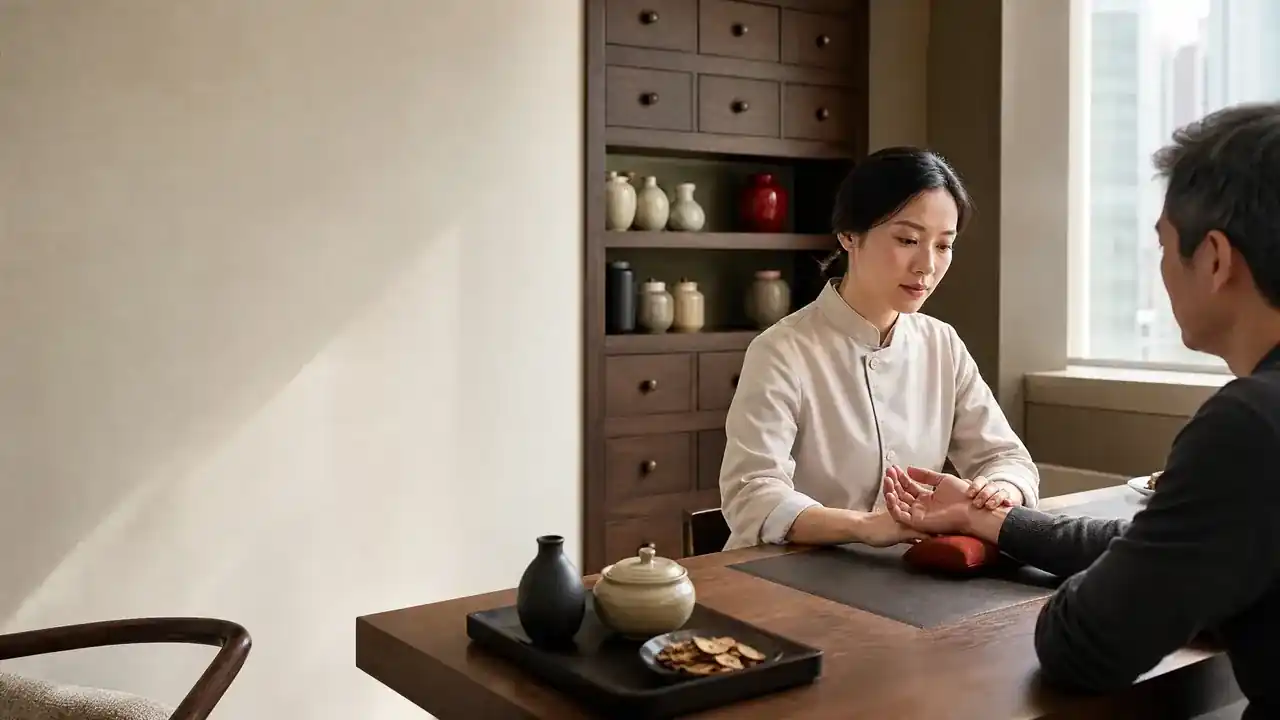
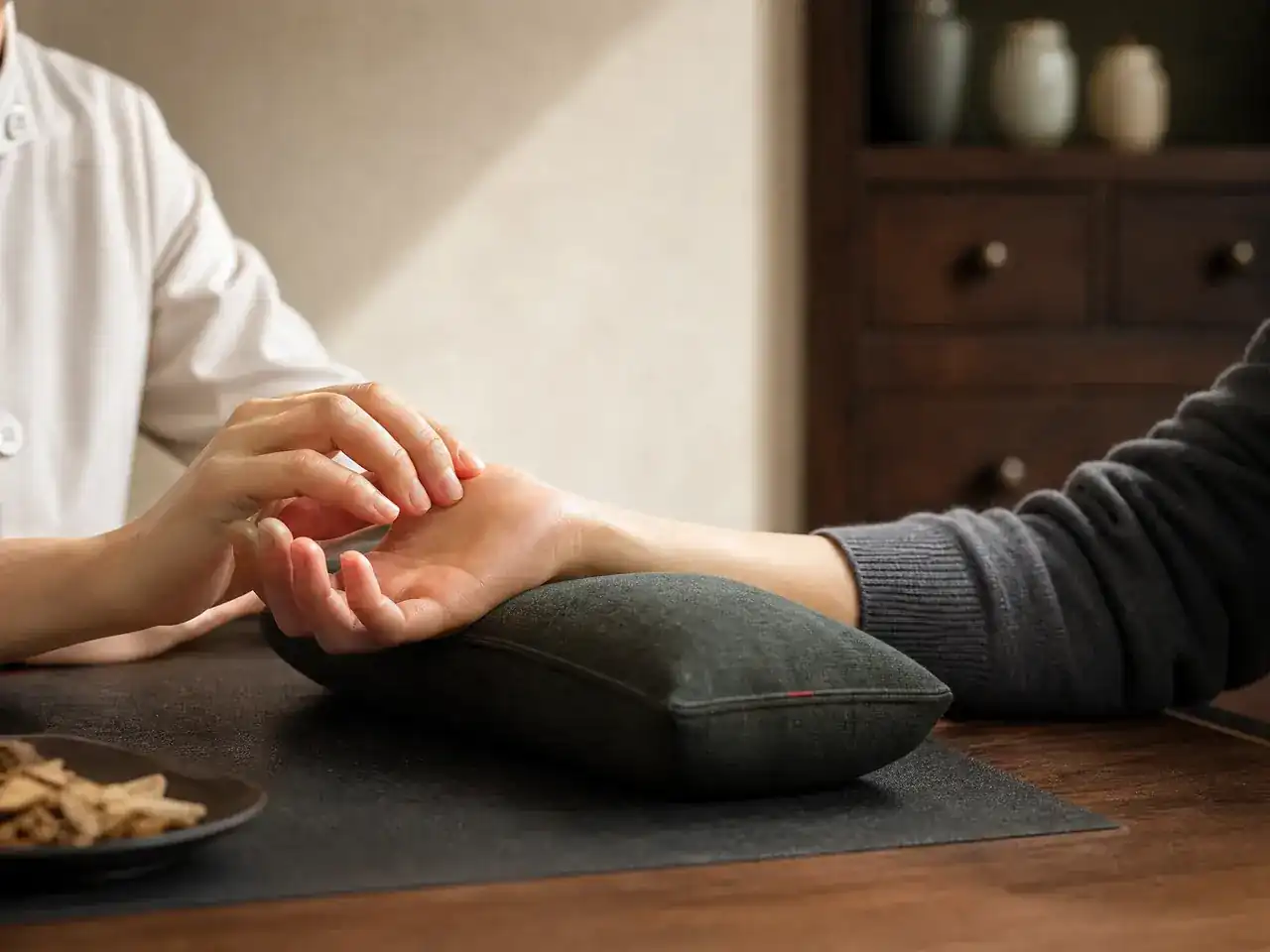
Beyond the fundamental division of yin and yang, clinical practice also frequently encounters more specific conditions such as qi not being firm or a severe depletion of essence. Each of these distinct patterns possesses its own specific developmental trajectory and characteristic clinical signs. A qualified TCM practitioner will utilize the four traditional diagnostic methods—observation, auscultation and olfaction, inquiry, and palpation (including detailed pulse taking)—to comprehensively gather all relevant health information. This thorough and meticulous approach ensures an accurate clinical judgment, thereby significantly enhancing the specificity, efficacy, and safety of the prescribed care.
| TCM Pattern | Primary Characteristics | Common Manifestations | Management Direction |
|---|---|---|---|
| Yin Deficiency | Insufficiency of yin fluids, generating internal empty heat | Heat in palms/soles, dry mouth, night sweats, poor sleep | Nourish yin and reduce internal fire |
| Yang Deficiency | Insufficiency of yang qi, weakened warming function | Aversion to cold, cold extremities, lethargy, frequent night urination | Warm and supplement yang |
| Qi Not Firm | Deficiency of qi, weakened holding capacity | Easy fatigue, declining hearing, frequent urination | Supplement qi and secure the lower origin |
| Essence Depletion | Lack of essence, affecting growth and development | Forgetfulness, fragile bones, signs of premature aging | Replenish essence and nourish the marrow |
Principles and Methods of Kidney Deficiency Treatment
The core philosophy underlying kidney deficiency treatment in TCM is firmly based on the fundamental principle of "supplementing what is deficient." However, the specific method and nature of this supplementation must be meticulously tailored to the individual's exact pattern. For those diagnosed with yin deficiency, the primary therapeutic focus is placed on nourishing the depleted yin fluids and clearing away the resulting internal empty heat. In stark contrast, for individuals presenting with yang deficiency, the clinical emphasis shifts entirely towards warming and supplementing the deficient yang qi to effectively dispel internal cold. This highly individualized and targeted approach allows for a much more precise correction of the underlying constitutional imbalance.
In terms of specific therapeutic modalities, the internal administration of customized Chinese herbal medicine is one of the most commonly utilized and effective methods. A registered TCM practitioner will carefully prescribe a customized blend of herbal ingredients—such as Rehmannia root (Shu Di Huang), Goji berries (Gou Qi Zi), or Eucommia bark (Du Zhong)—based entirely on the patient's unique constitutional characteristics to achieve the desired effect safely. Additionally, acupuncture therapy is frequently and successfully integrated into the comprehensive management of this condition. By precisely stimulating specific acupoints, such as Guanyuan or Shenshu, acupuncture can help regulate the flow of qi and blood through the body's meridians, thereby actively promoting the body's innate self-healing mechanisms and restoring balance.
Beyond professional clinical interventions, TCM places a remarkably strong emphasis on the vital integration of daily lifestyle and dietary adjustments. The practitioner will provide highly targeted recommendations based on the patient's specific condition and pattern, such as modifying sleep schedules to ensure adequate rest, actively avoiding excessive physical or mental exertion, and selecting foods that are energetically appropriate for their unique constitution. This comprehensive, holistic model of care is absolutely instrumental in consolidating the therapeutic effects achieved in the clinic and ultimately realizing long-term health and wellness objectives.
Daily Lifestyle Recommendations for Health
Establishing and consistently maintaining healthy lifestyle habits is a fundamental and non-negotiable component in both preventing and effectively managing constitutional imbalances. TCM theory posits that maintaining a regular and predictable daily routine is absolutely crucial for keeping your vital energy abundant and robust over the lifespan. It is highly recommended to adhere to a consistent sleep schedule, ensuring adequate and high-quality rest every night, and actively avoiding the detrimental habit of chronic late nights. The nighttime hours are considered a critical and irreplaceable period for the body to repair itself and deeply nourish its yin fluids; therefore, excellent sleep quality plays a vital role in significantly slowing natural depletion.
Regarding daily dietary habits, specific adjustments should be carefully made in accordance with one's accurately diagnosed pattern. Generally speaking, it may be highly beneficial to incorporate moderate amounts of foods known for their gentle nourishing properties, such as black sesame seeds, walnuts, and black beans, into the regular diet. However, any form of dietary supplementation must be done in strict moderation. It is critically important to avoid the excessive consumption of overly greasy, rich, or excessively "hot" and spicy foods, as these can easily overburden the digestive system or trigger other uncomfortable and counterproductive symptoms. When in doubt, consulting with a professional TCM practitioner for personalized and safe dietary advice is always the best and most prudent course of action.
Engaging in regular, moderate physical exercise is also highly beneficial for actively promoting the smooth and unimpeded circulation of qi and blood, as well as strengthening the overall physical constitution. It is generally advisable to choose gentle, rhythmic, and low-impact forms of exercise, such as Tai Chi, Baduanjin (Eight Brocades), or simply brisk walking in nature. These specific activities not only provide excellent physical conditioning but also help to deeply relax the mind and significantly alleviate accumulated psychological stress. Conversely, excessively strenuous, competitive, or exhausting exercise should be strictly avoided, as it can rapidly deplete precious qi and blood, potentially counteracting the positive benefits of the ongoing care.
The Importance of Professional TCM Assessment
Although this is a widely recognized and frequently discussed concept within Traditional Chinese Medicine, its actual clinical manifestations are highly diverse and can very easily be confused with other, potentially more serious health issues. Therefore, if you suspect that you may be experiencing related symptoms, it is strongly advised against purchasing over-the-counter herbal remedies or engaging in blind, unguided dietary supplementation on your own. Incorrect management methods will not only fail to alleviate your current symptoms but may also severely exacerbate the existing constitutional imbalance and lead to unexpected adverse reactions or complications.
Seeking a comprehensive and professional assessment from a fully registered TCM practitioner is the essential and non-negotiable prerequisite for ensuring both the safety and efficacy of any intervention. Through a detailed and comprehensive diagnostic process, the practitioner can accurately identify your specific pattern and carefully rule out other potentially serious underlying medical conditions that require different approaches. Based on this expert clinical judgment, the practitioner can formulate the most appropriate, safe, and highly personalized management plan for you, while continuously monitoring your body's response and making timely, necessary adjustments throughout the entire therapeutic process.
Harmonia TCM is deeply dedicated to providing professional, ethical, and highly reliable Traditional Chinese Medicine services to our community. We deeply understand and respect that every single patient's constitution, health history, and current needs are entirely unique. Through detailed, patient-centered consultations and thorough clinical assessments, we aim to offer you the most suitable and effective advice regarding your health. Please note that the information provided on this educational page is for reference purposes only. The actual provision of clinical services, their suitability for your specific condition, and any associated risks must be personally evaluated and confirmed by a registered TCM practitioner during a formal consultation.
Frequently asked questions
Does this condition only affect men?
This is a very common misconception. It is certainly not exclusive to men; women can equally experience this condition. In TCM theory, the kidneys are closely related to growth, development, and reproduction. Women may experience a depletion of vital energy through processes such as menstruation, pregnancy, and childbirth, or simply as they age, leading to various patterns like yin or yang deficiency.
Does frequent lower back pain mean I definitely have this issue?
While soreness and weakness in the lower back and knees are common manifestations, the causes of back pain are highly diverse. It could involve muscle strain, spinal issues, or other internal organ diseases. Therefore, one cannot conclude they have this specific imbalance based solely on back pain. A comprehensive assessment by a registered TCM practitioner is required for an accurate diagnosis.
Can I purchase over-the-counter tonifying herbal medicines myself?
It is strongly advised against purchasing and consuming such medications without professional guidance. The condition presents in different patterns, such as yin deficiency and yang deficiency, which require completely opposite management directions. Blindly taking supplements without a proper assessment—for example, a person with yin deficiency taking warming yang herbs—can exacerbate the imbalance and worsen symptoms.
How long does the treatment usually take to show results?
The time required for management varies significantly from person to person, depending on individual constitutional foundations, the severity of the imbalance, and the body's response to treatment. It is typically the result of long-term accumulation, so the management process must also be gradual. Generally, a practitioner will evaluate your progress after a few weeks of treatment and discuss the subsequent steps with you.
Can improving my dietary habits help alleviate the symptoms?
Dietary adjustments are an important supplementary measure in managing your health. Selecting appropriate foods based on your specific pattern can provide a certain level of nourishment. However, relying solely on diet is often insufficient to completely correct a significant constitutional imbalance; it usually needs to be combined with professional TCM treatment to achieve optimal results.
Can young people also experience these problems?
Yes, young people can certainly face these issues. The fast pace of modern life, chronic late nights, high work-related stress, irregular eating habits, and excessive physical or mental exertion can all lead to the overconsumption of vital energy. This can cause young individuals to prematurely exhibit related symptoms, making early lifestyle adjustments crucial.
Related topics
Sources
Understand Your Constitutional State
Everyone's constitution is unique. If you have any questions about your health status or wish to learn more about our services, we recommend seeking a professional assessment. Please note that Harmonia TCM's only physical clinic is located in Kwun Tong. This page serves only as a reference for clinic visits or home care coverage and does not imply the existence of other branches. The actual provision of services, suitability, and associated risks must be personally confirmed by a registered TCM practitioner.