Pain & Assessment
Upper Back & Scapula Pain
Upper back and scapula pain are common urban ailments that can significantly impact daily activities and sleep quality. The Harmonia TCM team conducts comprehensive assessments to explore the root causes of your pain and provides appropriate recommendations for relief.
Quick answer: upper back scapula begins with a careful review of symptoms, daily function, health history and personal goals. Upper back and scapula pain frequently affect individuals with prolonged poor posture or muscle tension. A TCM assessment considers the flow of Qi and blood in the meridians, utilizing methods like acupuncture, Tui Na, or herbal medicine to help relax muscles and relieve pain. If you experience red flag symptoms such as chest pain or difficulty breathing, seek immediate emergency medical assistance.
View pricesLearn About Assessment
CLEAR PRICES
Interested in a treatment? You are always welcome to ask.
We clearly list our current single, trial and package prices so you can explore at your own pace. You are always welcome to message us on WhatsApp about any service, timing or arrangement.
| Category and service | Content / terms | Public price (HK$) | Booking note | Enquire |
|---|---|---|---|---|
| Hair & scalp | Scalp health and hair-loss support | AI scalp analysis, deep follicle cleansing and oil-control support | Trial offerPackageTrial 380; 6 sessions 3,480; 12 sessions 5,760; 20 sessions 8,600; 30 sessions 11,400 | Average per session for 6/12/20/30: 580/480/430/380 | Ask on WhatsApp |
| Hair & scalp | Hair acupuncture with herbal medicine | Scalp acupuncture with 3 days of decoction-free herbal medicine | Single visitPackageSingle 580; 6 sessions 3,180; 12 sessions 5,760; 20 sessions 8,600; 30 sessions 11,400 | Average per session for 6/12/20/30: 530/480/430/380 | Ask on WhatsApp |
| Hair & scalp | Integrated hair support programme | Acupuncture, herbal medicine and follicle activation; packages include shampoo and serum | Single visitPackageSingle 1,260; 8 sessions 8,640; 16 sessions 15,680; 20 sessions 18,600; 30 sessions 26,400 | Average per session for 8/16/20/30: 1,080/980/930/880 | Ask on WhatsApp |
| Weight management | Full-body acupoint embedding | Full-body acupoint embedding; packages include proportionate days of herbal support | Single visitPackageSingle 980; 10 sessions 7,800; 20 sessions 14,600; 30 sessions 20,400 | Average per session for 10/20/30: 780/730/680 | Ask on WhatsApp |
| Facial acupuncture | Brightening V-face (Essential) | Facial acupuncture, meridian support and swelling management | Trial offerPackageTrial 480; 10 sessions 5,200; 20 sessions 9,600; 30 sessions 13,500 | Average per session for 10/20/30: 520/480/450 | Ask on WhatsApp |
| Facial acupuncture | Firming and refining (Advanced) | Enhanced facial acupuncture for firmness and fine-line concerns with a moisturising mask serum | Trial offerPackageTrial 780; 10 sessions 9,000; 20 sessions 16,600; 30 sessions 23,400 | Average per session for 10/20/30: 900/830/780 | Ask on WhatsApp |
| Pain care | Extracorporeal shockwave therapy | Deep inflammation support and fascial relaxation | Prince Edward: 250 per area; Kwun Tong: 250 for 1 area, 450 for 2, 600 for 3 | Clinic-specific pricing; confirm location before booking | Ask on WhatsApp |
| Pain care | Manual therapy | TCM bone-injury assessment, manual alignment and tui na techniques | Single visitSingle 580 | Suitability is confirmed after assessment | Ask on WhatsApp |
| Pain care | Acupuncture with manual therapy | Acupuncture with manual structural support | Single visitSingle 680 | Suitability is confirmed after assessment | Ask on WhatsApp |
| TCM regulation | Acupuncture with herbal medicine | TCM consultation, whole-body acupuncture and 3 days of decoction-free herbal medicine granules | Single visitSingle 580 | Confirm clinician availability and service arrangement when booking | Ask on WhatsApp |
Common Causes of Upper Back and Scapula Pain
This guide explains common considerations, the purpose of assessment, options that may be discussed, and key safety points. Individual advice depends on your circumstances.
Upper back and scapular pain are highly prevalent in modern life. Many people experience chronic tightness in their neck and back muscles due to prolonged use of computers or mobile phones. This persistent muscle tension not only causes local aching but can also refer pain to the area around the shoulder blades, creating discomfort that is hard to ignore. In addition to poor posture, improper lifting techniques, sports injuries, or long-term strain are common triggers for upper back pain.
From a Traditional Chinese Medicine (TCM) perspective, upper back and scapula pain are often associated with the impeded flow of Qi and blood in the meridians. 'Where there is blockage, there is pain' is a fundamental TCM understanding of pain conditions. When external pathogenic factors like wind, cold, and dampness invade the body, or when strain leads to Qi stagnation and blood stasis, the meridians become blocked, resulting in pain in the back and scapular regions. During an assessment, a TCM practitioner will gather detailed information about your lifestyle, the nature of the pain, and its onset to identify underlying imbalances.
Furthermore, emotional stress is a factor that should not be overlooked. Chronic mental tension can cause the muscles of the neck, shoulders, and upper back to tighten involuntarily, further exacerbating the pain. Therefore, when addressing upper back pain, it is essential to consider not only local musculoskeletal issues but also the overall state of Qi, blood, and emotional well-being.
How TCM Assesses Upper Back Pain
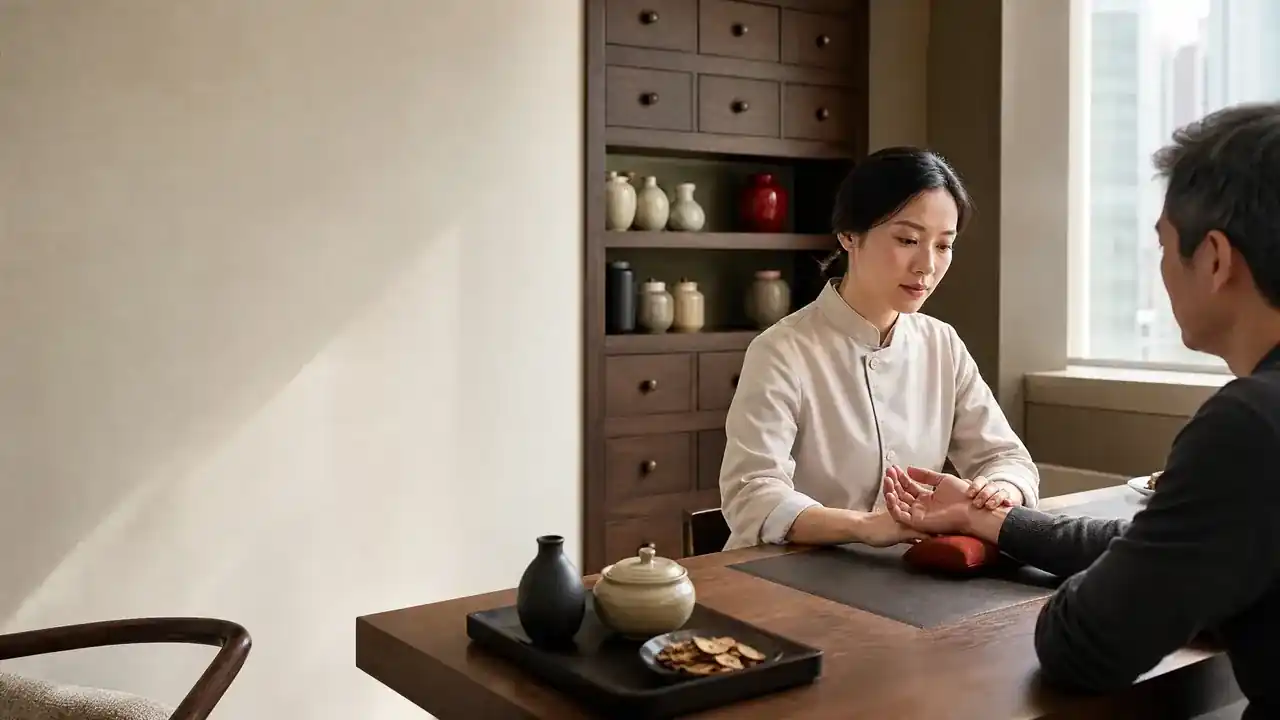
The TCM assessment of upper back pain is a comprehensive and meticulous process. A registered TCM practitioner will utilize the four diagnostic methods—observation, auscultation and olfaction, inquiry, and palpation—to gather holistic health information. During the inquiry phase, the practitioner will ask detailed questions about the specific location and nature of the pain (e.g., sharp, aching, or distending), its duration, and whether it radiates to the arms or neck. This information helps in making an initial judgment about the nature of the pain and the meridians that may be involved.
Palpation is particularly important in assessing upper back and scapular pain. The practitioner will carefully examine the muscles around the back and shoulder blades, looking for tender points, muscle stiffness, or cord-like nodules. At the same time, they will observe the spinal alignment and range of motion to assess whether there are structural abnormalities or restricted movement. Through these examinations, the practitioner can more accurately pinpoint the problem and formulate a targeted relief plan.
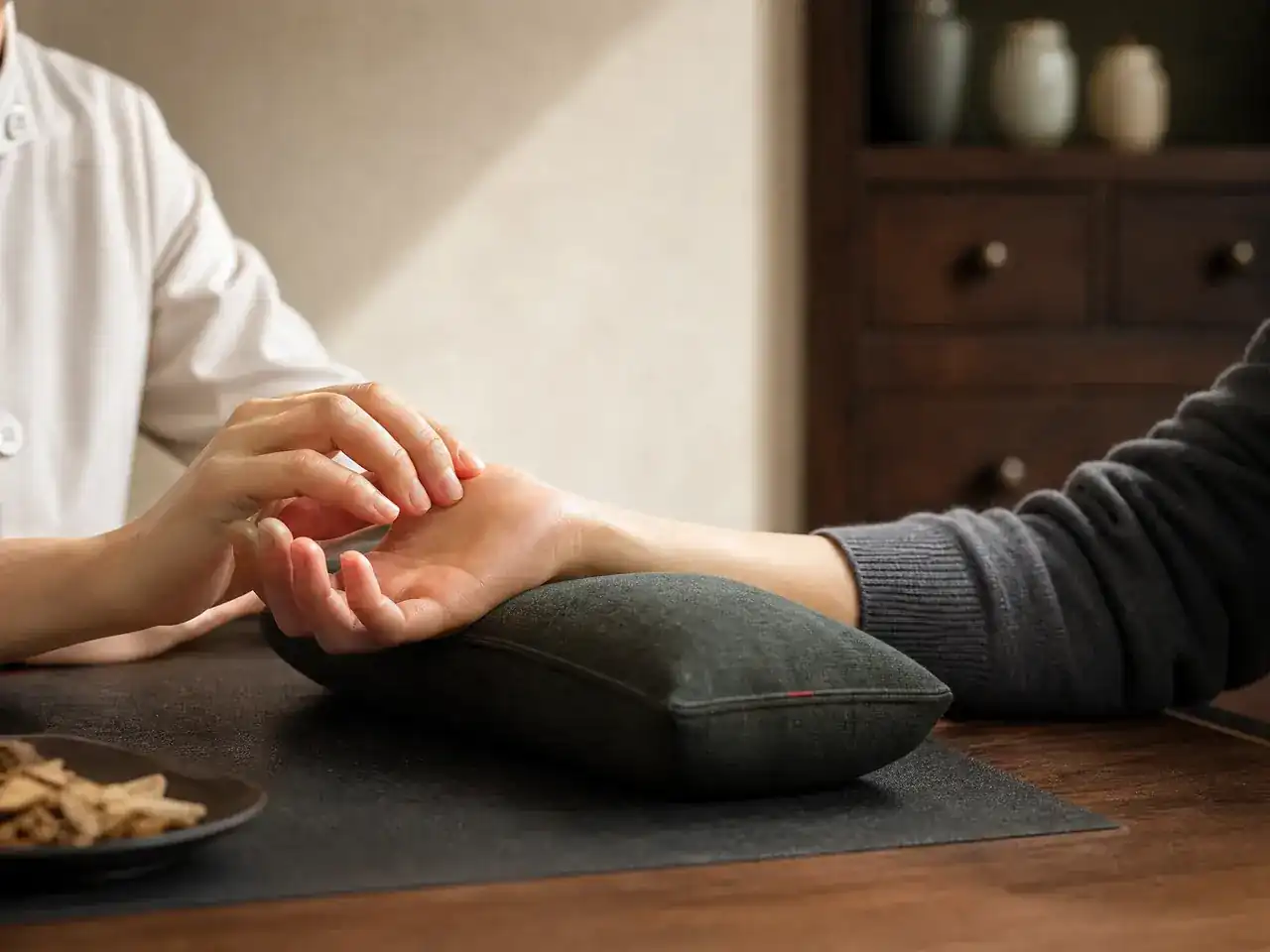
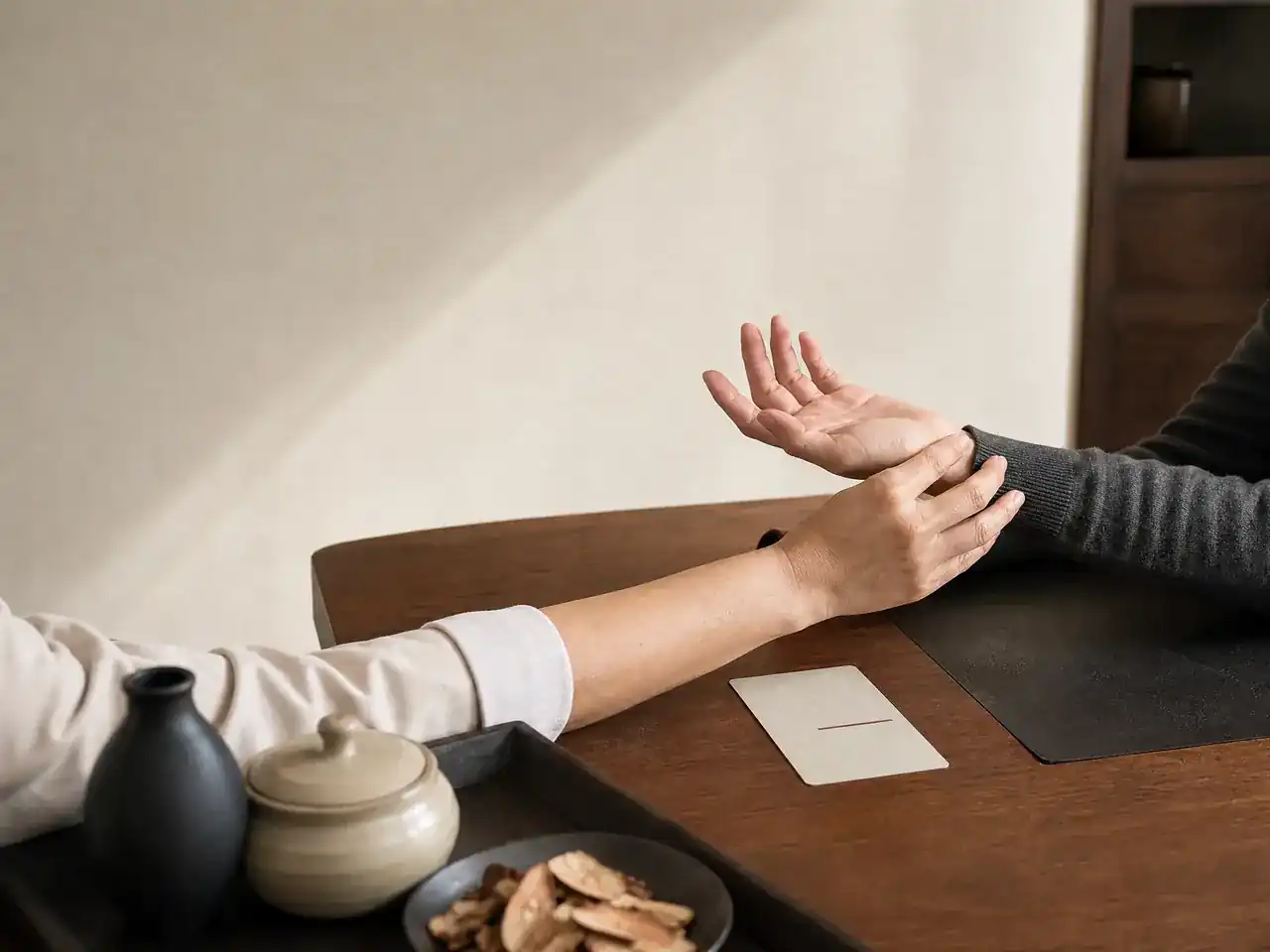
In addition to local examinations, the TCM practitioner will incorporate tongue and pulse diagnosis to evaluate your overall constitution. For example, a purplish tongue or the presence of petechiae may indicate Qi stagnation and blood stasis, while a wiry and tight pulse may be related to cold pathogens or pain. This assessment approach, which combines holistic and local perspectives, helps to regulate the body from the root and reduce the likelihood of recurrent pain.
Comparing Characteristics of Upper Back and Scapula Pain
Although upper back pain and scapular pain often occur together, there are some differences in their location, nature, and potential causes. Understanding these characteristics can help you better describe your discomfort to the practitioner, thereby facilitating a more accurate assessment.
The table below outlines some common characteristics comparing upper back pain and scapular pain for reference. Actual conditions vary from person to person and require a detailed diagnosis by a professional healthcare provider.
| Characteristic | Upper Back Pain | Scapula Pain |
|---|---|---|
| Primary Location | The back area from below the neck to the lower thoracic spine | Around, on the medial border, or below the shoulder blades |
| Common Sensation | Widespread aching, stiffness, or a feeling of heaviness | Localized sharp pain, pulling sensation, or deep aching |
| Impact on Movement | May worsen when twisting the torso or puffing out the chest | More noticeable when raising the arms, stretching backward, or taking deep breaths |
| Potential Associations | Often related to poor posture and tension in the paraspinal muscles | Frequently involves strain in specific muscles like the levator scapulae or rhomboids |
| TCM Meridians | Often involves the Governing Vessel and Bladder Meridian | Often involves the Small Intestine and Bladder Meridians |
TCM Methods for Relieving Upper Back Pain
TCM offers various non-invasive methods for relieving upper back and scapular pain. Acupuncture is one of the commonly used approaches. By inserting fine needles into specific acupoints (such as Fengchi, Jianjing, and Tianzong), it can unblock the meridians and harmonize Qi and blood, thereby relaxing muscles and reducing pain. Acupuncture not only targets local pain points but also regulates the overall flow of Qi and blood through distal acupoints.
Tui Na massage is also an effective method for relieving muscle tension. A TCM practitioner or professional massage therapist will use different techniques, such as kneading, pressing, pushing, and grasping, to relax the tight muscles of the back and scapula and promote local blood circulation. For muscle stiffness caused by strain or poor posture, Tui Na can provide direct and noticeable relief.
In some cases, the TCM practitioner may recommend combining treatments with cupping or Gua Sha (scraping). These methods help to expel wind, cold, and damp pathogens from the body and improve local Qi and blood stagnation. Additionally, depending on your constitution, the practitioner may prescribe internal herbal medicine to regulate organ functions and improve the constitutional factors that predispose you to pain from the inside out.
Daily Care and Posture Adjustment
Prevention is better than cure. For upper back and scapular pain, daily care and posture adjustment are crucial. Individuals who work at a desk for long periods should pay special attention to maintaining good sitting posture. The screen height should be at eye level to avoid excessive forward head posture, and the chair should provide adequate back support to maintain the natural physiological curve of the spine. Changing postures regularly and getting up to move around periodically can help reduce continuous muscle tension.
Moderate stretching exercises can also effectively prevent and relieve upper back pain. Simple neck and shoulder stretches, chest expansion exercises, or scapular movements can increase muscle flexibility and promote blood circulation. However, you should stretch within your limits and avoid excessive force that could lead to sprains. If you experience severe pain during exercise, stop immediately and seek professional advice.
Furthermore, keeping warm is an important aspect of preventing back pain. Avoid letting cold air conditioning blow directly on your back, especially after sweating, to prevent wind and cold pathogens from taking advantage of the vulnerability and causing muscle spasms and pain. Maintaining a good routine and getting adequate sleep helps the body's self-repair mechanisms and is equally important for maintaining musculoskeletal health.
Harmonia TCM's Philosophy on Pain Care
Harmonia TCM is dedicated to providing professional and meticulous TCM pain care. We understand the impact that upper back and scapular pain can have on daily life, so our assessments and management processes always start from the perspective of your overall health. Our registered TCM practitioners will patiently listen to your concerns, explain the assessment results and recommended relief plans in detail, and ensure that you make informed decisions.
We emphasize individualized care. Every patient's constitution, lifestyle, and causes of pain are different, so there is no one-size-fits-all approach. The practitioner will flexibly adjust the plan based on the changes in your body during each follow-up visit to achieve the best possible relief. At the same time, we value patient self-management and will provide targeted daily care recommendations to help you better manage your pain in your daily life.
Please note that service availability, suitability and arrangements require individual confirmation. Actual availability of services, suitability for your specific condition, potential risks, and specific arrangements must be confirmed by a registered TCM practitioner and the clinic at Harmonia TCM. Our physical clinic in Kwun Tong is well-equipped to provide a comfortable environment for consultations. For patients with mobility issues, we can also explore the feasibility of home visits or out-of-clinic coverage, with specific arrangements depending on the actual situation.
Frequently asked questions
How long does it usually take to relieve upper back and scapula pain?
The time required for relief varies from person to person, depending on the cause and severity of the pain, as well as the patient's constitution. Mild muscle tension may show significant improvement after a few sessions, while chronic strain or pain involving structural issues may require longer-term follow-up and cooperation with daily posture adjustments.
Is acupuncture for upper back pain very painful?
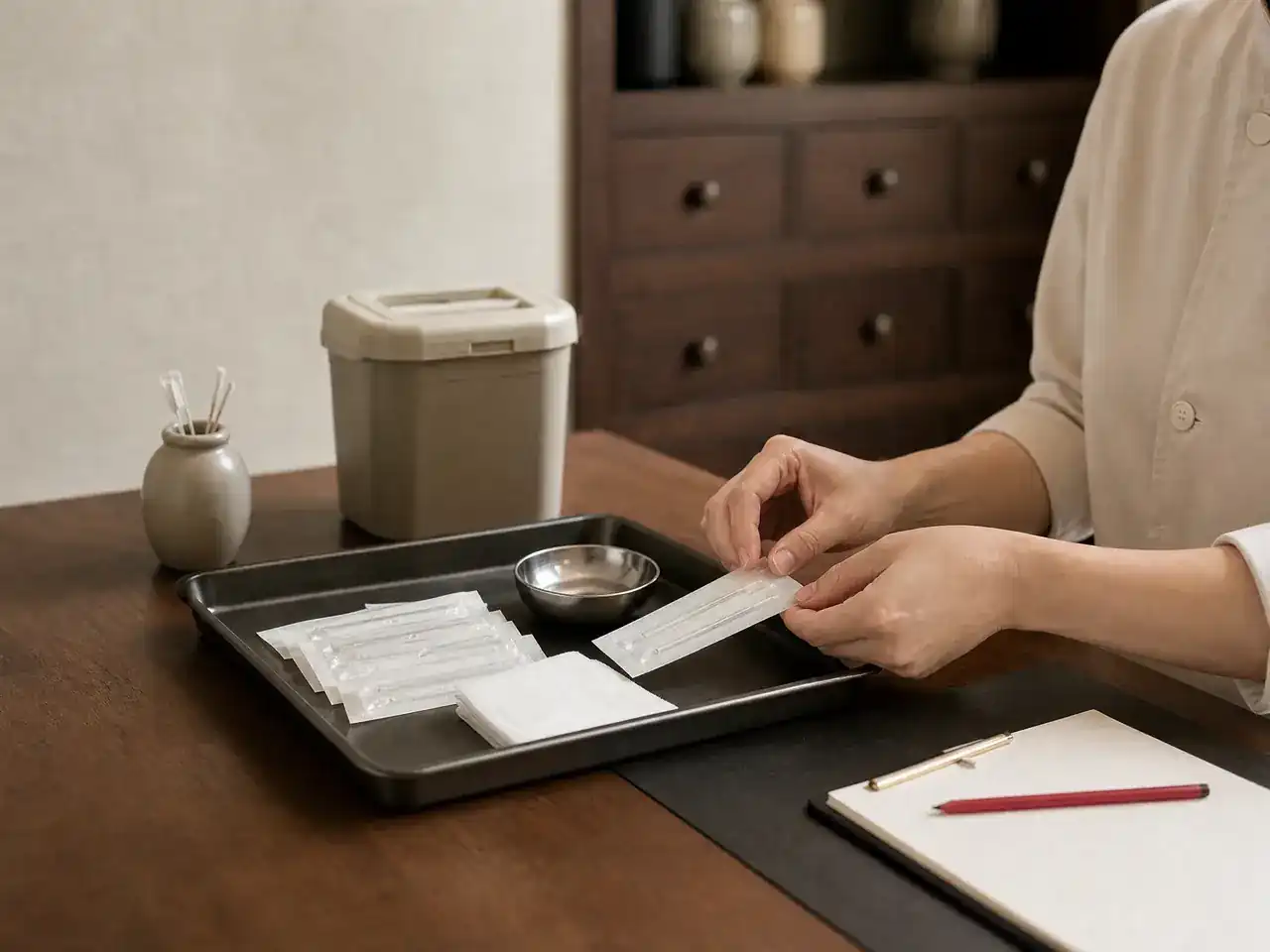
Most people only feel a slight prick during acupuncture, followed by a sensation of aching, numbness, distension, or heaviness known as 'Deqi', which is a normal meridian response. Harmonia TCM's registered practitioners use fine, disposable needles and adjust their techniques based on your tolerance to ensure the process is as comfortable as possible.
Should I use a hot or cold compress for my upper back pain?
Generally, within the first 48 hours of an acute sprain or trauma, a cold compress helps reduce swelling and inflammation. For chronic muscle tension, strain, or stiffness, a hot compress can promote blood circulation and relax the muscles. However, specific advice should be given by a professional healthcare provider after an assessment.
Is Tui Na massage suitable for all types of upper back pain?
Tui Na massage usually has a good relieving effect on upper back pain caused by muscle tension and strain. However, if the pain is caused by fractures, severe osteoporosis, local infections, or tumors, Tui Na is not suitable. Therefore, a detailed assessment by a registered TCM practitioner is necessary before undergoing Tui Na.
Besides receiving TCM care, what can I do at home to improve scapular pain?
At home, you can pay attention to maintaining good sitting and standing postures, avoiding staying in the same position for long periods. Regularly performing gentle neck and back stretching exercises helps relax the muscles. Additionally, keeping your back warm, avoiding direct cold air conditioning, and getting adequate rest all contribute to improving scapular pain.
What facilities does Harmonia TCM's Kwun Tong clinic offer for upper back pain?
Harmonia TCM's physical clinic in Kwun Tong is equipped with comfortable treatment beds and professional acupuncture and Tui Na equipment. Our environment is designed to provide patients with a relaxing and reassuring consultation experience, allowing you to receive professional TCM assessment and care in a peaceful atmosphere.
Related topics
Sources
Troubled by Upper Back or Scapula Pain?
Persistent muscle tension and pain can affect your quality of life. Harmonia TCM's registered practitioners can conduct a detailed assessment to explore the root cause of your pain and provide appropriate relief recommendations. Please note that actual service arrangements and suitability must be confirmed by a practitioner.