Pain & Assessment
Rib & Chest Pain
Rib chest pain or rib pain can be caused by muscle strain, soft tissue inflammation, or minor trauma, impacting breathing and daily activities. Harmonia TCM evaluates the source of pain from a Chinese medicine perspective, combining acupuncture and herbal medicine to help soothe chest wall pain and restore bodily balance. This information outlines common considerations and assessment directions. If you would like to discuss what may suit you or how an appointment can be arranged, please contact us.
Quick answer: Rib chest pain (including rib pain and chest wall pain) is often related to muscle strain or poor posture. In Chinese medicine, this is viewed as a disruption of Qi and blood flow. Acupuncture and herbal medicine can help clear meridians and soothe discomfort. If accompanied by breathing difficulties or severe chest pain, seek immediate emergency medical assessment.
View pricesLearn About Consultation Arrangements
CLEAR PRICES
Interested in a treatment? You are always welcome to ask.
We clearly list our current single, trial and package prices so you can explore at your own pace. You are always welcome to message us on WhatsApp about any service, timing or arrangement.
| Category and service | Content / terms | Public price (HK$) | Booking note | Enquire |
|---|---|---|---|---|
| Hair & scalp | Scalp health and hair-loss support | AI scalp analysis, deep follicle cleansing and oil-control support | Trial offerPackageTrial 380; 6 sessions 3,480; 12 sessions 5,760; 20 sessions 8,600; 30 sessions 11,400 | Average per session for 6/12/20/30: 580/480/430/380 | Ask on WhatsApp |
| Hair & scalp | Hair acupuncture with herbal medicine | Scalp acupuncture with 3 days of decoction-free herbal medicine | Single visitPackageSingle 580; 6 sessions 3,180; 12 sessions 5,760; 20 sessions 8,600; 30 sessions 11,400 | Average per session for 6/12/20/30: 530/480/430/380 | Ask on WhatsApp |
| Hair & scalp | Integrated hair support programme | Acupuncture, herbal medicine and follicle activation; packages include shampoo and serum | Single visitPackageSingle 1,260; 8 sessions 8,640; 16 sessions 15,680; 20 sessions 18,600; 30 sessions 26,400 | Average per session for 8/16/20/30: 1,080/980/930/880 | Ask on WhatsApp |
| Weight management | Full-body acupoint embedding | Full-body acupoint embedding; packages include proportionate days of herbal support | Single visitPackageSingle 980; 10 sessions 7,800; 20 sessions 14,600; 30 sessions 20,400 | Average per session for 10/20/30: 780/730/680 | Ask on WhatsApp |
| Facial acupuncture | Brightening V-face (Essential) | Facial acupuncture, meridian support and swelling management | Trial offerPackageTrial 480; 10 sessions 5,200; 20 sessions 9,600; 30 sessions 13,500 | Average per session for 10/20/30: 520/480/450 | Ask on WhatsApp |
| Facial acupuncture | Firming and refining (Advanced) | Enhanced facial acupuncture for firmness and fine-line concerns with a moisturising mask serum | Trial offerPackageTrial 780; 10 sessions 9,000; 20 sessions 16,600; 30 sessions 23,400 | Average per session for 10/20/30: 900/830/780 | Ask on WhatsApp |
| Pain care | Extracorporeal shockwave therapy | Deep inflammation support and fascial relaxation | Prince Edward: 250 per area; Kwun Tong: 250 for 1 area, 450 for 2, 600 for 3 | Clinic-specific pricing; confirm location before booking | Ask on WhatsApp |
| Pain care | Manual therapy | TCM bone-injury assessment, manual alignment and tui na techniques | Single visitSingle 580 | Suitability is confirmed after assessment | Ask on WhatsApp |
| Pain care | Acupuncture with manual therapy | Acupuncture with manual structural support | Single visitSingle 680 | Suitability is confirmed after assessment | Ask on WhatsApp |
| TCM regulation | Acupuncture with herbal medicine | TCM consultation, whole-body acupuncture and 3 days of decoction-free herbal medicine granules | Single visitSingle 580 | Confirm clinician availability and service arrangement when booking | Ask on WhatsApp |
Understanding Rib Chest Pain and Rib Pain
Rib chest pain is a common clinical symptom where individuals experience discomfort on the sides of the chest, around the ribs, or at the front of the rib cage. This pain can manifest as a dull ache or become sharper during deep breathing, coughing, or twisting movements. Rib pain and chest wall pain are frequent presentations of this condition, often associated with poor daily posture, muscle overuse, or minor physical trauma.
From the perspective of Traditional Chinese Medicine (TCM), rib chest pain is closely related to conditions known as 'chest bi' (chest impedance) or 'flank pain'. TCM theory suggests that the chest and flank areas are traversed by the Liver and Gallbladder meridians. When emotional stress, external pathogenic factors, or physical injuries disrupt the smooth flow of Qi (vital energy) and cause blood stasis, pain ensues. Therefore, when assessing rib chest pain, TCM practitioners look beyond the localized discomfort to consider the individual's overall constitution, emotional state, and lifestyle habits to identify the root cause.
Common Causes of Chest Wall Pain
The area surrounding the ribs is rich in muscles, ligaments, and cartilaginous tissues. Injury or inflammation of these soft tissues is a primary cause of rib chest pain. For instance, intercostal muscle strain frequently occurs after strenuous exercise, persistent coughing, or heavy lifting. Costochondritis, an inflammation of the cartilage that connects a rib to the breastbone, can cause significant tenderness at the junction. This type of chest wall pain typically becomes more pronounced with movement or direct pressure.
Beyond physical injuries, prolonged poor posture—such as hunching over electronic devices or slouching—can increase the burden on the muscles of the chest and back, leading to rib pain. In TCM, this chronic strain is believed to obstruct the local circulation of Qi and blood, adhering to the principle that 'where there is no free flow, there is pain'. Consequently, improving posture and engaging in appropriate stretching are crucial for preventing and soothing this kind of chest wall pain.
TCM Assessment and Classification of Rib Chest Pain
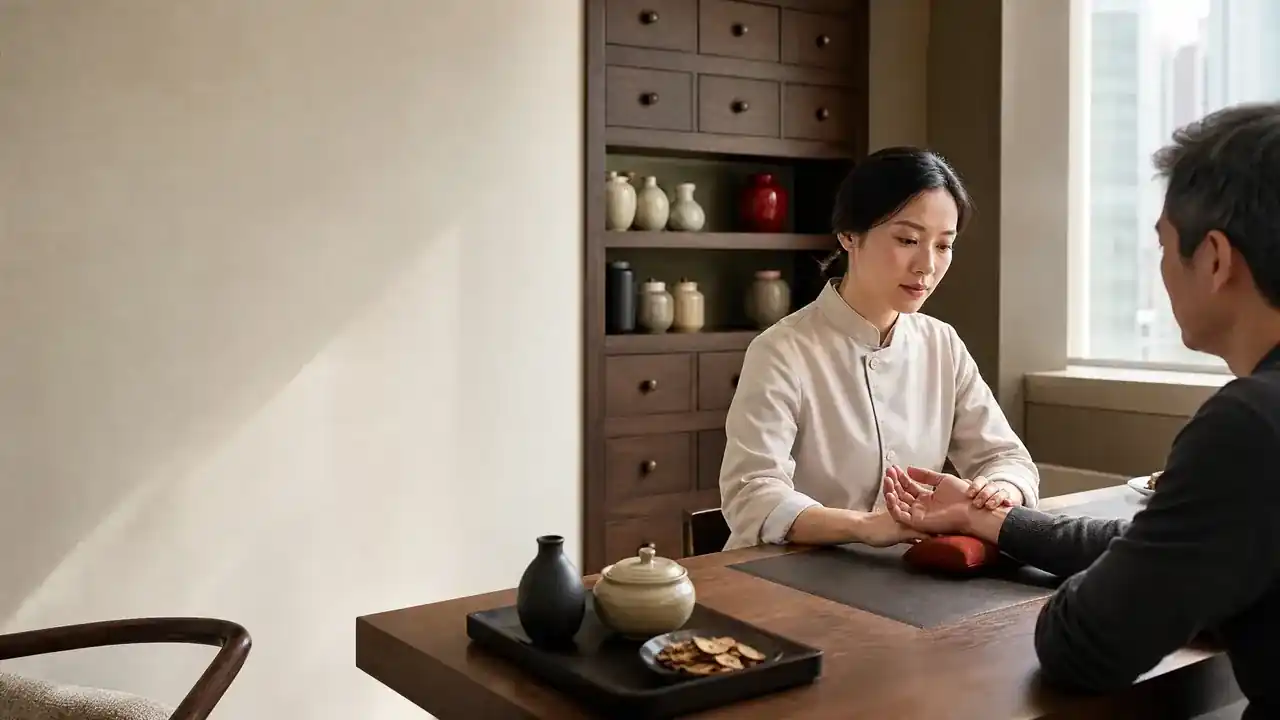
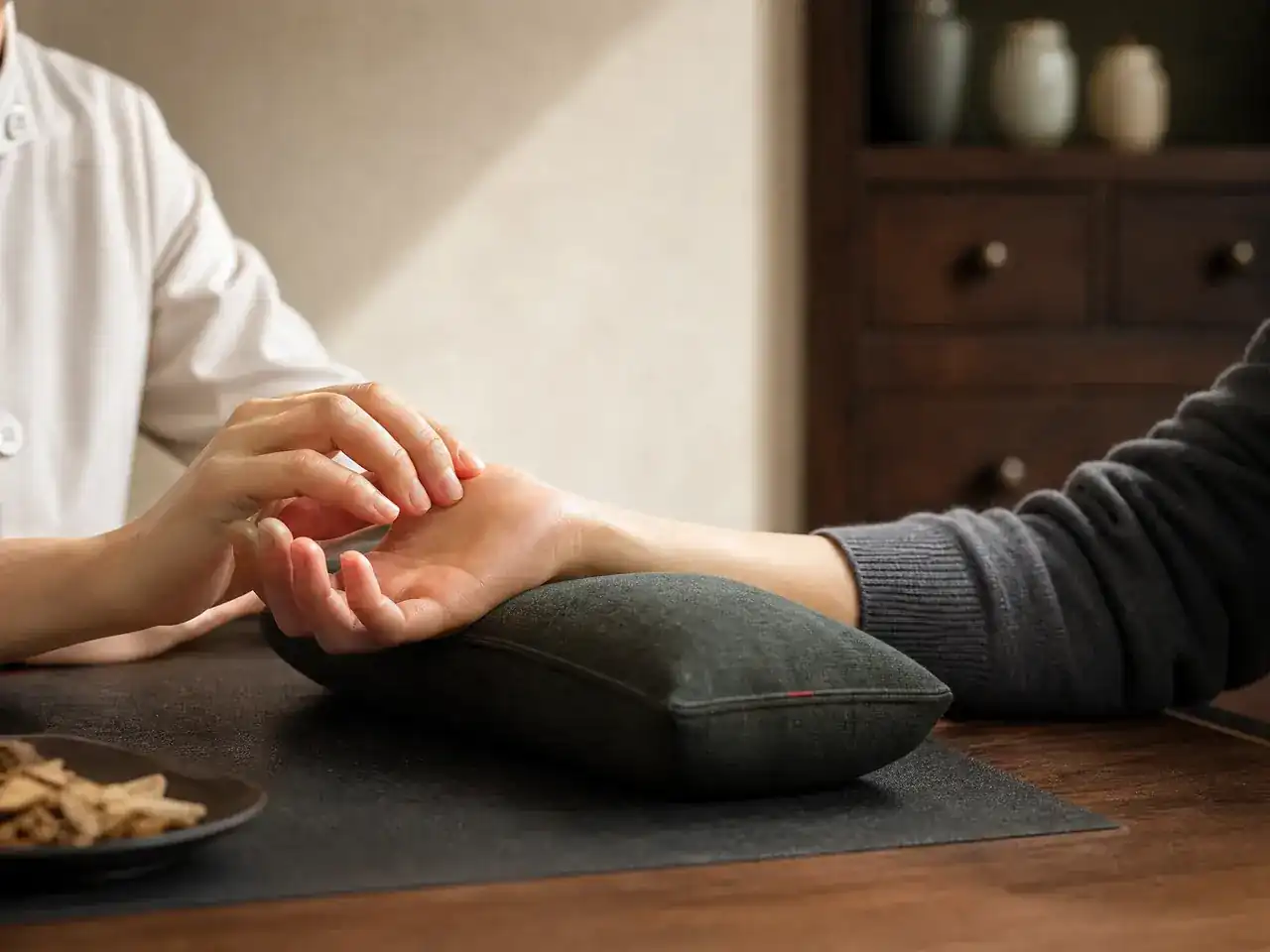
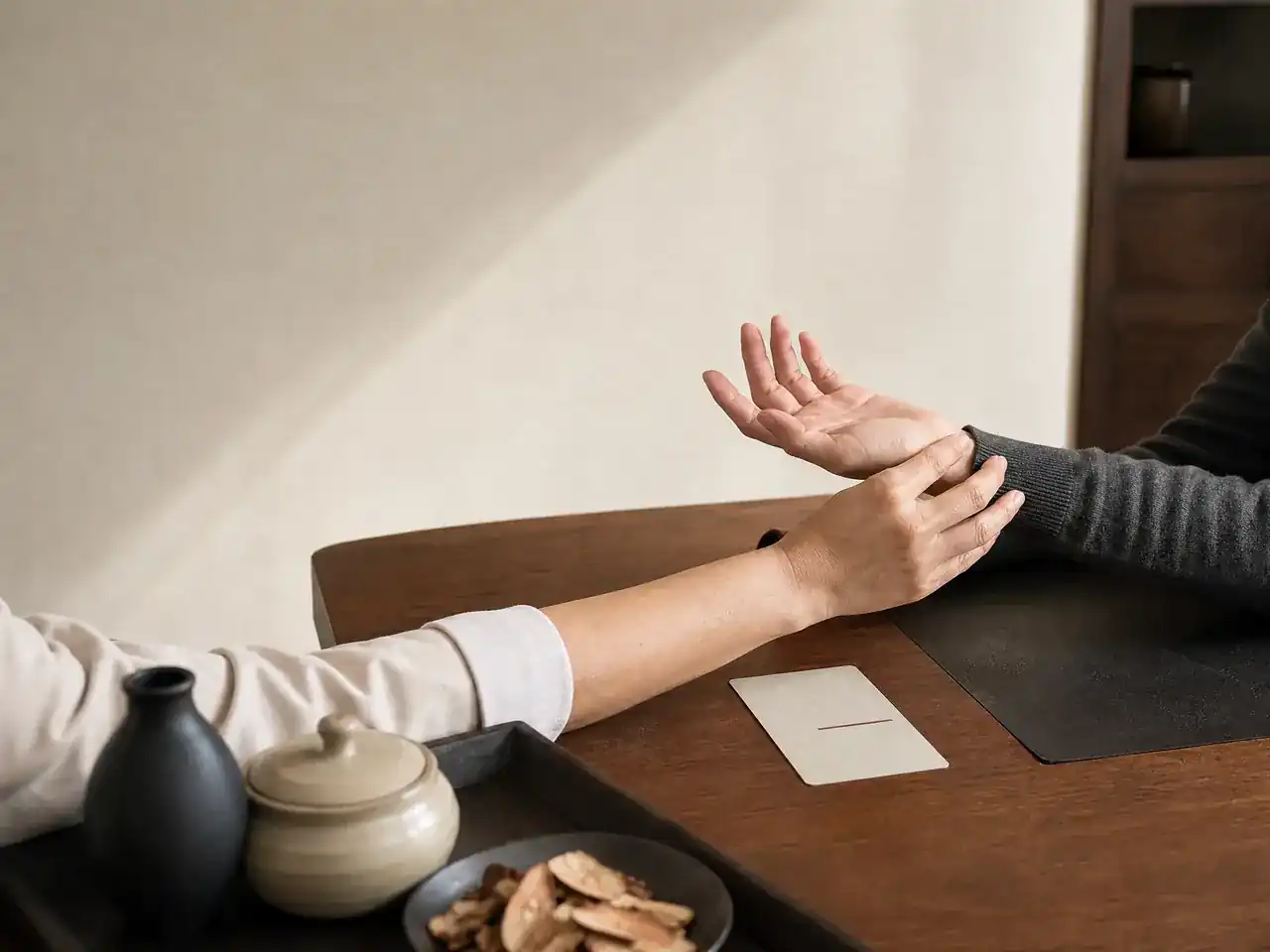
During a TCM assessment, a registered Chinese medicine practitioner employs the four diagnostic methods: observation, auscultation and olfaction, inquiry, and palpation. This comprehensive approach helps detail the nature of the pain, its onset, and any accompanying symptoms. For example, if the pain is sharp, stabbing, and fixed in one location, it often indicates blood stasis. Conversely, if the pain is characterized by a distending sensation that fluctuates with emotional changes, it is typically associated with Qi stagnation. This meticulous classification aids in formulating a personalized care plan.
Furthermore, the practitioner evaluates the individual's overall constitution. A deficiency in the Spleen and Stomach might lead to insufficient production of Qi and blood, slowing down the repair of soft tissues. On the other hand, Liver Qi stagnation can easily trigger distending pain in the chest and flanks. Through pattern differentiation, TCM aims not only to soothe the localized rib chest pain but also to regulate organ functions and restore the body's internal balance.
TCM Approaches: Acupuncture and Herbal Medicine
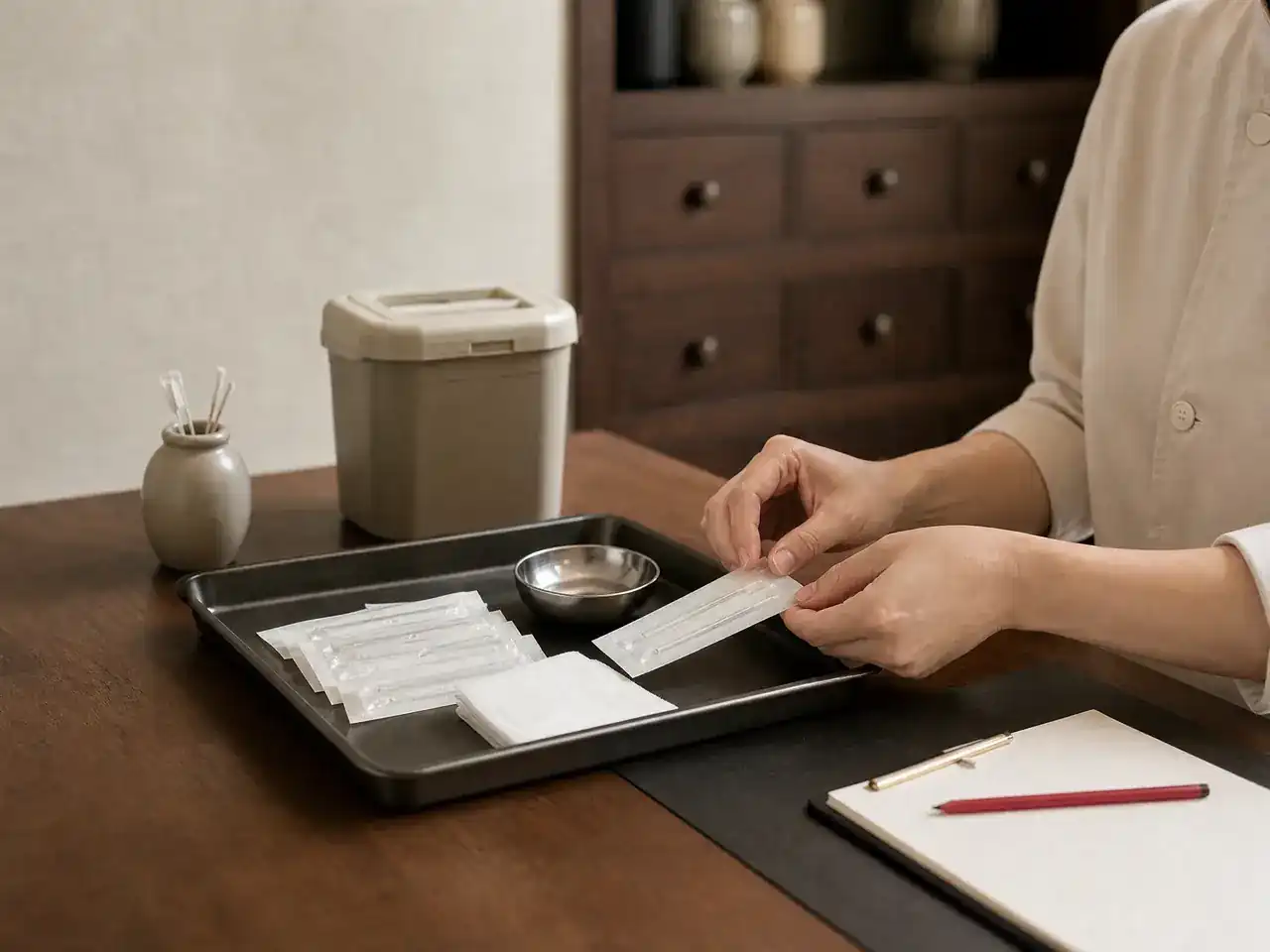
For rib chest pain and rib pain, acupuncture is a commonly utilized external therapy in TCM. By inserting fine needles into specific acupoints (such as Qimen, Taichong, and Yanglingquan), practitioners aim to clear the meridians, promote the circulation of Qi and blood, and soothe chest wall pain. Acupuncture can help alleviate local muscle tension and regulate the overall flow of Qi, thereby supporting the body's self-healing capabilities.
In addition to acupuncture, the internal administration of Chinese herbal medicine is a vital component of TCM care. The practitioner will prescribe a customized herbal formula based on the individual's specific pattern. For instance, those with Qi stagnation and blood stasis might receive herbs like Bupleurum (Chai Hu), Corydalis (Yan Hu Suo), and Ligusticum (Chuan Xiong), which are known for their Qi-regulating and blood-invigorating properties. For individuals with a weaker constitution, herbs such as Astragalus (Huang Qi) and Angelica (Dang Gui) may be added to tonify Qi and nourish the blood. The combination of herbal medicine and acupuncture provides a holistic approach to helping individuals soothe rib chest pain and improve their quality of life.
Daily Care and Preventive Suggestions
While receiving TCM care, daily self-management is equally important. Maintaining good posture is key to preventing rib pain and chest wall pain. It is recommended to take regular breaks during work or study to move around and perform gentle stretching exercises for the chest and back, which helps reduce continuous muscle tension. Additionally, avoiding overexertion and lifting excessively heavy objects can effectively lower the risk of intercostal muscle strain.
Emotional management is also highly emphasized in TCM. Since the Liver governs the smooth flow of Qi, emotional fluctuations can easily lead to Qi stagnation, which may trigger or exacerbate rib chest pain. Therefore, maintaining a relaxed mood and managing stress appropriately play a positive role in preventing and soothing this type of pain. If the pain persists or worsens, it is essential to seek a professional medical assessment promptly.
| Type of Pain | Common Characteristics | TCM Perspective | Daily Suggestions |
|---|---|---|---|
| Muscle Strain | Worsens with movement or pressure; often a history of overuse | Qi stagnation and blood stasis; local meridian obstruction | Rest appropriately; avoid heavy lifting |
| Costochondritis | Tenderness at the rib-breastbone junction; noticeable during deep breaths | Impaired Qi and blood circulation; 'no free flow causes pain' | Maintain good posture; avoid over-expanding the chest |
| Emotion-related Flank Pain | Primarily distending pain; fluctuates with emotional changes | Liver Qi stagnation; disrupted Qi flow | Relax the mind; engage in gentle soothing exercises |
| Posture-induced Pain | Dull ache; worsens after maintaining the same posture for a long time | Chronic strain leading to disharmony of Qi and blood | Stretch regularly; improve ergonomic work environment |
Service Arrangements and Precautions at Harmonia TCM
Harmonia TCM is dedicated to providing professional Chinese medicine assessment and care services. Our only physical clinic is located in Kwun Tong. The services and care arrangements described here (including references to home visits or outreach coverage) are for informational purposes only and do not imply the existence of other branches. The actual provision of services, their suitability for your specific condition, as well as the associated risks and arrangements, must be finally confirmed by our registered Chinese medicine practitioners and the clinic.
We understand that every individual's experience with rib chest pain is unique. Therefore, before formulating any care plan, our practitioners will engage in a detailed discussion about your personal condition to ensure the safety and appropriateness of the proposed approach. Please note that TCM care requires time; we do not guarantee immediate or specific outcomes, and we advise individuals to remain patient and cooperate closely with the practitioner throughout the process.
Frequently asked questions
How long does it usually take to soothe rib chest pain with TCM?
The time required to soothe rib chest pain varies from person to person, depending on the cause, severity, and individual constitution. Mild chest wall pain may improve after a few sessions, while chronic strain might require a longer period of sustained care. A registered Chinese medicine practitioner will provide reasonable expectations based on your specific situation.
Can rib pain be managed with acupuncture alone, without herbal medicine?
This depends on the professional assessment of the TCM practitioner. For some cases of simple, localized chest wall pain, acupuncture alone may provide a degree of relief. However, if the rib pain is related to internal imbalances of Qi and blood or organ dysfunction, combining it with herbal medicine usually yields a more comprehensive effect.
I feel rib pain when I take a deep breath. Is it suitable to see a TCM practitioner?
Rib pain that worsens with deep breathing is often seen in intercostal muscle strain or costochondritis, which are generally suitable for TCM assessment. However, since this could also involve pleural or lung issues, the practitioner will evaluate carefully and may advise you to undergo a conventional medical check-up first to rule out emergencies.
Does Harmonia TCM offer consultation services for rib chest pain outside of Kwun Tong?
Harmonia TCM's only physical clinic is located in Kwun Tong. The services and care arrangements described here (such as home visits) are intended as general guidance and do not imply that we have other branches. The actual scope of services and arrangements must be confirmed by the clinic.
How does TCM differentiate chest wall pain from other types of chest pain?
A TCM practitioner will conduct a detailed inquiry to understand the nature of the pain (e.g., stabbing, distending), triggering factors (e.g., pressure, movement, emotion), and accompanying symptoms. Combined with palpation (such as pulse taking and local examination), the practitioner can preliminarily determine if the pain originates from the chest wall and assess the overall state of Qi and blood.
Can I receive TCM care if I am currently taking Western painkillers?
Generally, yes, but it must be handled with caution. Please ensure you provide the registered Chinese medicine practitioner with a complete list of all Western medications you are taking. The practitioner will evaluate potential interactions between Chinese and Western medicines and guide you on how to safely schedule your medication times to ensure the safety and appropriateness of the care process.
Related topics
Sources
Seek a Professional Assessment for Rib Chest Pain
If you are troubled by rib pain or chest wall pain, Harmonia TCM's registered Chinese medicine practitioners can provide a detailed assessment and personalized care suggestions. Please note that actual service arrangements must be confirmed by the clinic.