Pain & Assessment
Other Chest & Neck Related Pain
Chest neck pain not only affects your daily activities but may also indicate underlying issues such as cervical degeneration or chronic muscle strain. At Harmonia TCM, our registered Chinese medicine practitioners conduct thorough assessments to identify the root cause of your neck pain. We provide personalized TCM care plans designed to alleviate discomfort and help restore the normal function of your neck and chest.
Quick answer: Chest neck pain is often associated with poor posture or cervical degeneration. In Traditional Chinese Medicine, this type of neck pain is typically viewed as a blockage of Qi and blood circulation. Through targeted acupuncture and Tui Na massage, combined with herbal medicine, TCM aims to clear these blockages, relax tense muscles, and provide effective relief. If you experience severe pain or numbness, seek professional assessment promptly.
View pricesLearn About Booking
CLEAR PRICES
Interested in a treatment? You are always welcome to ask.
We clearly list our current single, trial and package prices so you can explore at your own pace. You are always welcome to message us on WhatsApp about any service, timing or arrangement.
| Category and service | Content / terms | Public price (HK$) | Booking note | Enquire |
|---|---|---|---|---|
| Hair & scalp | Scalp health and hair-loss support | AI scalp analysis, deep follicle cleansing and oil-control support | Trial offerPackageTrial 380; 6 sessions 3,480; 12 sessions 5,760; 20 sessions 8,600; 30 sessions 11,400 | Average per session for 6/12/20/30: 580/480/430/380 | Ask on WhatsApp |
| Hair & scalp | Hair acupuncture with herbal medicine | Scalp acupuncture with 3 days of decoction-free herbal medicine | Single visitPackageSingle 580; 6 sessions 3,180; 12 sessions 5,760; 20 sessions 8,600; 30 sessions 11,400 | Average per session for 6/12/20/30: 530/480/430/380 | Ask on WhatsApp |
| Hair & scalp | Integrated hair support programme | Acupuncture, herbal medicine and follicle activation; packages include shampoo and serum | Single visitPackageSingle 1,260; 8 sessions 8,640; 16 sessions 15,680; 20 sessions 18,600; 30 sessions 26,400 | Average per session for 8/16/20/30: 1,080/980/930/880 | Ask on WhatsApp |
| Weight management | Full-body acupoint embedding | Full-body acupoint embedding; packages include proportionate days of herbal support | Single visitPackageSingle 980; 10 sessions 7,800; 20 sessions 14,600; 30 sessions 20,400 | Average per session for 10/20/30: 780/730/680 | Ask on WhatsApp |
| Facial acupuncture | Brightening V-face (Essential) | Facial acupuncture, meridian support and swelling management | Trial offerPackageTrial 480; 10 sessions 5,200; 20 sessions 9,600; 30 sessions 13,500 | Average per session for 10/20/30: 520/480/450 | Ask on WhatsApp |
| Facial acupuncture | Firming and refining (Advanced) | Enhanced facial acupuncture for firmness and fine-line concerns with a moisturising mask serum | Trial offerPackageTrial 780; 10 sessions 9,000; 20 sessions 16,600; 30 sessions 23,400 | Average per session for 10/20/30: 900/830/780 | Ask on WhatsApp |
| Pain care | Extracorporeal shockwave therapy | Deep inflammation support and fascial relaxation | Prince Edward: 250 per area; Kwun Tong: 250 for 1 area, 450 for 2, 600 for 3 | Clinic-specific pricing; confirm location before booking | Ask on WhatsApp |
| Pain care | Manual therapy | TCM bone-injury assessment, manual alignment and tui na techniques | Single visitSingle 580 | Suitability is confirmed after assessment | Ask on WhatsApp |
| Pain care | Acupuncture with manual therapy | Acupuncture with manual structural support | Single visitSingle 680 | Suitability is confirmed after assessment | Ask on WhatsApp |
| TCM regulation | Acupuncture with herbal medicine | TCM consultation, whole-body acupuncture and 3 days of decoction-free herbal medicine granules | Single visitSingle 580 | Confirm clinician availability and service arrangement when booking | Ask on WhatsApp |
Common Causes of Chest Neck Pain and the TCM Perspective
Chest neck pain is a prevalent health concern in modern society, frequently linked to poor lifestyle habits, prolonged use of electronic devices, and incorrect posture. These factors can cause the muscles in the neck and upper back to remain in a constant state of tension, eventually leading to chronic muscle strain. As we age, cervical degeneration becomes another significant contributor to chest neck pain. When the cervical discs lose their elasticity or bone spurs develop, they can compress surrounding nerves and blood vessels, triggering neck pain that may radiate to the chest, shoulders, or arms.
From the perspective of Traditional Chinese Medicine (TCM), chest neck pain generally falls under the category of 'Bi syndrome' or tendon and muscle injuries. TCM operates on the principle that 'where there is no free flow, there is pain.' When the body is invaded by external pathogenic factors such as wind, cold, or dampness, or when chronic strain disrupts the local circulation of Qi and blood, the meridians become blocked, resulting in pain. Furthermore, deficiencies in the liver and kidneys or a lack of Qi and blood can deprive the tendons and bones of necessary nourishment, potentially accelerating the process of cervical degeneration. Therefore, TCM approaches chest neck pain not only by addressing local discomfort but also by emphasizing the harmonization of systemic Qi and blood and the balance of organ functions.
The Impact of Cervical Degeneration on Chest Neck Pain
Cervical degeneration is a gradual process. In its early stages, it may present merely as mild neck stiffness or occasional neck pain. However, without proper attention and care, the degeneration can progressively worsen, leading to persistent chest neck pain. A degenerated cervical spine can give rise to cervical spondylosis, which not only restricts the range of motion in the neck but may also be accompanied by symptoms such as headaches, dizziness, and numbness or weakness in the upper limbs, severely impacting the patient's quality of life.
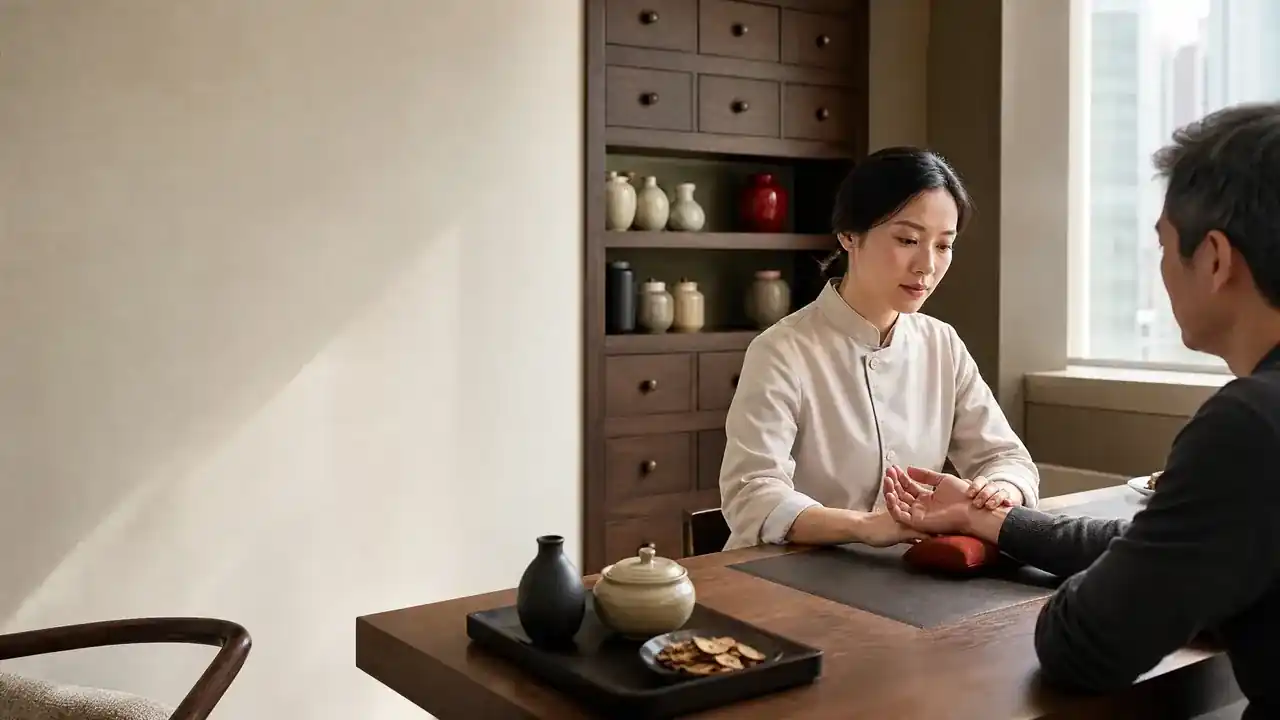
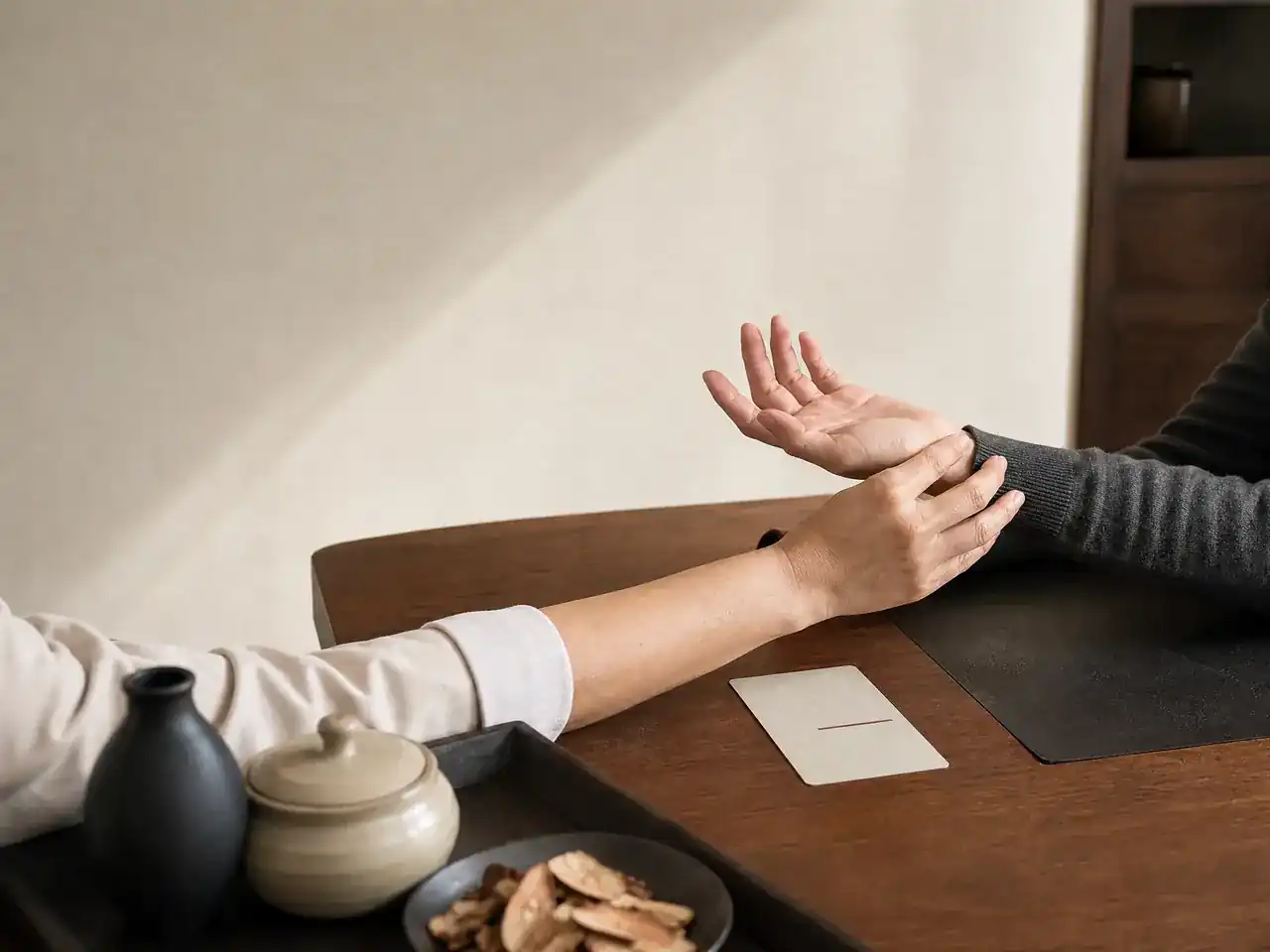
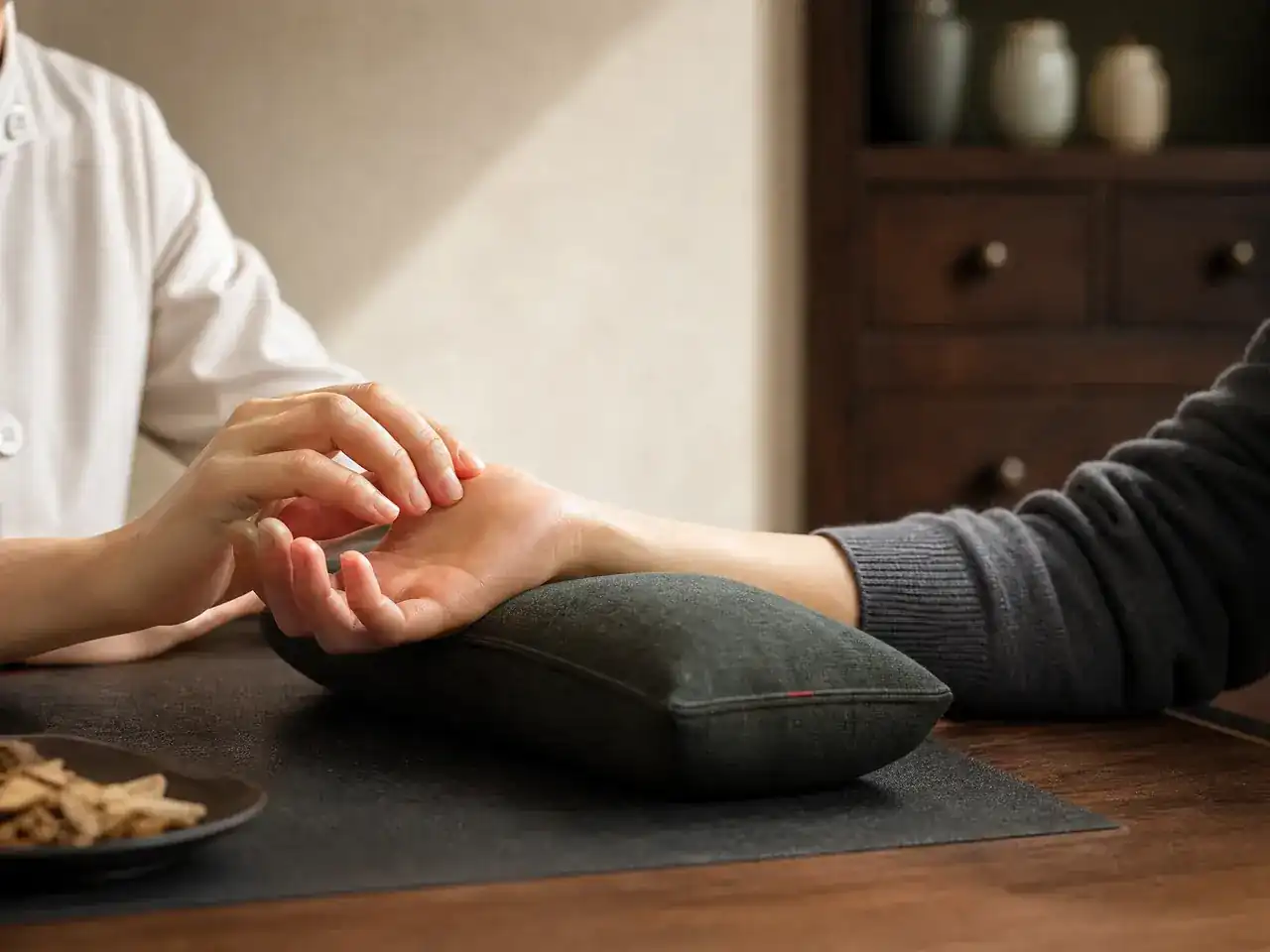
When evaluating chest neck pain caused by cervical degeneration, a TCM practitioner will carefully observe the patient's posture and range of motion. Through palpation, the practitioner assesses the degree of muscle tension and the distribution of tender points. For these conditions, TCM therapies aim to improve local blood circulation, alleviate nerve compression, and help manage the progression of degeneration. By utilizing a comprehensive range of TCM modalities, practitioners can assist patients in relieving discomfort and enhancing the stability and flexibility of the cervical spine.
How TCM Therapies Alleviate Neck Pain and Discomfort
Harmonia TCM offers a diverse range of therapeutic options for managing chest neck pain. Acupuncture is one of the most commonly utilized methods. By inserting fine needles into specific acupoints (such as Fengchi, Jianjing, and Dazhui), acupuncture helps to unblock the meridians and harmonize Qi and blood, achieving the effects of promoting circulation, relieving pain, and reducing swelling. Acupuncture not only targets localized neck pain but also regulates systemic Qi and blood flow, facilitating the repair of damaged tissues.
In addition to acupuncture, Tui Na massage is an effective modality for soothing chest neck pain. Professional TCM practitioners employ various massage techniques to relax tight muscles, realign tendons and bones, and improve joint mobility. For patients with underlying constitutional weaknesses or an excess of cold and dampness, practitioners may prescribe internal herbal medicine. These herbal formulas are designed to warm the meridians, dispel cold, nourish the liver and kidneys, and strengthen the tendons and bones. These therapeutic approaches complement each other, providing patients with holistic and comprehensive care.
Daily Care and Prevention of Chest Neck Pain
Alongside receiving professional TCM therapies, daily care and preventive measures are equally crucial for managing chest neck pain. Maintaining good posture is key to preventing neck pain. When working or using electronic devices, strive to keep your neck upright and avoid looking down for extended periods. Regularly performing gentle neck stretching exercises can help relax the muscles and enhance the flexibility of the cervical spine. Additionally, keeping the neck warm and avoiding direct exposure to cold drafts can reduce pain triggered by the invasion of cold pathogens.
In terms of diet, it is advisable to consume foods rich in calcium and vitamins to nourish the tendons and bones. Avoid excessive intake of raw, cold, or greasy foods, as these can impair the digestive system and affect the production of Qi and blood. If chest neck pain persists or is accompanied by other unusual symptoms, it is important to seek a professional assessment from a registered TCM practitioner promptly. Avoid self-medicating with painkillers blindly, as this may delay proper care.
Comparing TCM and Conventional Medicine in Managing Chest Neck Pain
When dealing with chest neck pain, patients can choose the medical approach that best suits their condition. TCM and conventional medicine have different focuses in their assessment and treatment philosophies. TCM emphasizes syndrome differentiation, focusing on the holistic harmonization of Qi and blood and the unblocking of meridians. In contrast, conventional medicine often relies on imaging studies and utilizes medications or physical therapy to alleviate symptoms. The table below outlines the main differences between the two approaches in managing chest neck pain for your reference.
| Aspect | TCM Therapy | Conventional Medicine |
|---|---|---|
| Assessment Method | Four diagnostic methods, palpation, meridian evaluation | X-rays, MRI, neurological tests |
| Primary Focus | Unblocking meridians, harmonizing Qi and blood, improving constitution | Anti-inflammatory pain relief, muscle relaxation, structural correction |
| Common Modalities | Acupuncture, Tui Na, cupping, herbal medicine | Painkillers, muscle relaxants, physical therapy, surgery |
| Suitable Conditions | Chronic strain, early cervical degeneration, constitutional imbalance | Acute trauma, severe nerve compression, structural lesions |
| Side Effect Risks | Relatively low; occasional local soreness or bruising | Medications may cause gastrointestinal issues; surgery carries inherent risks |
Frequently asked questions
Is TCM acupuncture effective for relieving chest neck pain?
Acupuncture is a commonly used TCM method for managing chest neck pain. By stimulating specific acupoints, acupuncture helps unblock meridians and promote local blood circulation, thereby reducing muscle tension and alleviating neck pain. Many patients experience improved neck mobility and reduced pain after receiving acupuncture. However, specific outcomes vary depending on individual constitution and condition.
Can neck pain caused by cervical degeneration be completely cured?
Cervical degeneration is a natural physiological process that occurs with aging and currently cannot be completely reversed or cured. However, through appropriate TCM therapies (such as acupuncture and Tui Na) and proper daily care, the neck pain caused by cervical degeneration can be effectively managed, improving your quality of life and potentially slowing the progression of the degeneration.
Will Tui Na massage make my chest neck pain worse?
When performed by a professional registered TCM practitioner, Tui Na massage is adjusted in pressure and technique according to the patient's specific condition, aiming to relax muscles and realign tendons. Under correct application, Tui Na typically does not worsen the pain. However, it is normal to experience mild local soreness shortly after the therapy, which usually subsides within a few days.
Should I use a hot or cold compress to relieve my neck pain?
This depends on the cause and stage of your neck pain. For acute sprains or inflammation characterized by redness, swelling, and heat, a cold compress is recommended initially (usually within the first 48 hours) to reduce swelling. For stiffness and pain caused by chronic muscle strain or cervical degeneration, a hot compress helps promote blood circulation and relax muscles. If in doubt, consult a TCM practitioner for professional advice.
Can chest neck pain affect my sleep? What can TCM do about it?
Severe chest neck pain can indeed affect sleep quality, making it difficult to fall asleep or causing you to wake up from pain. TCM views this as related to a 'restless mind' or 'disharmony of Qi and blood.' In addition to localized therapies for the neck pain, a TCM practitioner may prescribe herbal medicines that calm the mind and harmonize Qi and blood, helping to improve sleep and promote overall recovery.
How many sessions are required for chest neck pain therapy at Harmonia TCM?
The required number of sessions varies from person to person, depending on the severity of the chest neck pain, the duration of the condition, and the patient's individual constitution. Generally, mild muscle strain may show improvement after just a few sessions, while chronic cervical degeneration may require a longer period of care. Your TCM practitioner will provide an initial recommendation after your first assessment.
Related topics
Sources
Troubled by Chest Neck Pain? Book a Professional TCM Assessment
Don't let neck pain disrupt your daily life. The registered TCM practitioners at Harmonia TCM provide detailed assessments and personalized care plans. This information outlines common considerations and assessment directions. If you would like to discuss what may suit you or how an appointment can be arranged, please contact us. Harmonia TCM's only physical clinic is located in Kwun Tong; the information here is intended as general guidance.