Pain & Assessment
Tailbone (Coccyx) Pain
Tailbone (coccyx) pain can severely impact your ability to sit comfortably and may be accompanied by other issues such as sitting pain. At Harmonia TCM, our experienced practitioners provide comprehensive assessments and personalized care plans, combining acupuncture and herbal medicine to help alleviate discomfort and restore your natural balance.
Quick answer: tailbone coccyx begins with a careful review of symptoms, daily function, health history and personal goals. Tailbone (coccyx) pain is often caused by trauma, prolonged sitting, or repetitive strain, leading to significant sitting pain. Traditional Chinese Medicine (TCM) approaches this condition by assessing the flow of Qi and blood in the pelvic region. Through targeted acupuncture and personalized herbal remedies, TCM aims to relieve local pressure, reduce inflammation, and support the body's natural healing process.
View pricesContact Us for Details
CLEAR PRICES
Interested in a treatment? You are always welcome to ask.
We clearly list our current single, trial and package prices so you can explore at your own pace. You are always welcome to message us on WhatsApp about any service, timing or arrangement.
| Category and service | Content / terms | Public price (HK$) | Booking note | Enquire |
|---|---|---|---|---|
| Hair & scalp | Scalp health and hair-loss support | AI scalp analysis, deep follicle cleansing and oil-control support | Trial offerPackageTrial 380; 6 sessions 3,480; 12 sessions 5,760; 20 sessions 8,600; 30 sessions 11,400 | Average per session for 6/12/20/30: 580/480/430/380 | Ask on WhatsApp |
| Hair & scalp | Hair acupuncture with herbal medicine | Scalp acupuncture with 3 days of decoction-free herbal medicine | Single visitPackageSingle 580; 6 sessions 3,180; 12 sessions 5,760; 20 sessions 8,600; 30 sessions 11,400 | Average per session for 6/12/20/30: 530/480/430/380 | Ask on WhatsApp |
| Hair & scalp | Integrated hair support programme | Acupuncture, herbal medicine and follicle activation; packages include shampoo and serum | Single visitPackageSingle 1,260; 8 sessions 8,640; 16 sessions 15,680; 20 sessions 18,600; 30 sessions 26,400 | Average per session for 8/16/20/30: 1,080/980/930/880 | Ask on WhatsApp |
| Weight management | Full-body acupoint embedding | Full-body acupoint embedding; packages include proportionate days of herbal support | Single visitPackageSingle 980; 10 sessions 7,800; 20 sessions 14,600; 30 sessions 20,400 | Average per session for 10/20/30: 780/730/680 | Ask on WhatsApp |
| Facial acupuncture | Brightening V-face (Essential) | Facial acupuncture, meridian support and swelling management | Trial offerPackageTrial 480; 10 sessions 5,200; 20 sessions 9,600; 30 sessions 13,500 | Average per session for 10/20/30: 520/480/450 | Ask on WhatsApp |
| Facial acupuncture | Firming and refining (Advanced) | Enhanced facial acupuncture for firmness and fine-line concerns with a moisturising mask serum | Trial offerPackageTrial 780; 10 sessions 9,000; 20 sessions 16,600; 30 sessions 23,400 | Average per session for 10/20/30: 900/830/780 | Ask on WhatsApp |
| Pain care | Extracorporeal shockwave therapy | Deep inflammation support and fascial relaxation | Prince Edward: 250 per area; Kwun Tong: 250 for 1 area, 450 for 2, 600 for 3 | Clinic-specific pricing; confirm location before booking | Ask on WhatsApp |
| Pain care | Manual therapy | TCM bone-injury assessment, manual alignment and tui na techniques | Single visitSingle 580 | Suitability is confirmed after assessment | Ask on WhatsApp |
| Pain care | Acupuncture with manual therapy | Acupuncture with manual structural support | Single visitSingle 680 | Suitability is confirmed after assessment | Ask on WhatsApp |
| TCM regulation | Acupuncture with herbal medicine | TCM consultation, whole-body acupuncture and 3 days of decoction-free herbal medicine granules | Single visitSingle 580 | Confirm clinician availability and service arrangement when booking | Ask on WhatsApp |

Understanding Tailbone (Coccyx) Pain
This guide explains common considerations, the purpose of assessment, options that may be discussed, and key safety points. Individual advice depends on your circumstances.
Tailbone (coccyx) pain, medically known as coccydynia, refers to discomfort or pain at the very bottom of the spine. This condition is typically characterized by a localized, dull ache that can occasionally become a sharp, piercing pain. The discomfort is often exacerbated by activities that put direct pressure on the tailbone, such as sitting on hard surfaces, leaning back while seated, or transitioning from a seated to a standing position. For many individuals, this sitting pain can become a significant hindrance, affecting their ability to work, drive, or simply relax comfortably.
From the perspective of Traditional Chinese Medicine (TCM), tailbone (coccyx) pain is often viewed as a manifestation of Qi (vital energy) stagnation and blood stasis in the local area. The tailbone region is traversed by several important meridians, and any disruption in the smooth flow of energy can lead to pain and discomfort. This stagnation can be triggered by external trauma, such as a fall, or by internal factors, such as prolonged poor posture or underlying constitutional weaknesses. TCM practitioners focus on identifying these root causes to provide a holistic and effective care plan.
Similar concerns can involve different symptoms, priorities and safety considerations. An assessment therefore considers your actual situation rather than relying on a service label alone.
Common Causes and Associated Symptoms
The most frequent cause of tailbone (coccyx) pain is direct trauma to the area. A sudden fall onto the buttocks can result in bruising, dislocation, or even a fracture of the coccyx. However, not all cases are linked to a specific injury. Repetitive micro-trauma from activities like cycling or rowing, prolonged sitting on unsupportive surfaces, and the physical stress of childbirth are also common contributors. Additionally, age-related wear and tear on the joints of the coccyx can lead to chronic discomfort.
Beyond the localized pain, individuals may experience a range of associated symptoms. These can include increased pain during bowel movements or sexual intercourse, as well as a general feeling of tension or discomfort in the pelvic floor muscles. In some cases, the inflammation surrounding the tailbone can irritate nearby nerves, leading to radiating pain that mimics sciatica. Recognizing these diverse symptoms is crucial for a comprehensive assessment and the development of an appropriate care strategy.
TCM Assessment for Tailbone Pain
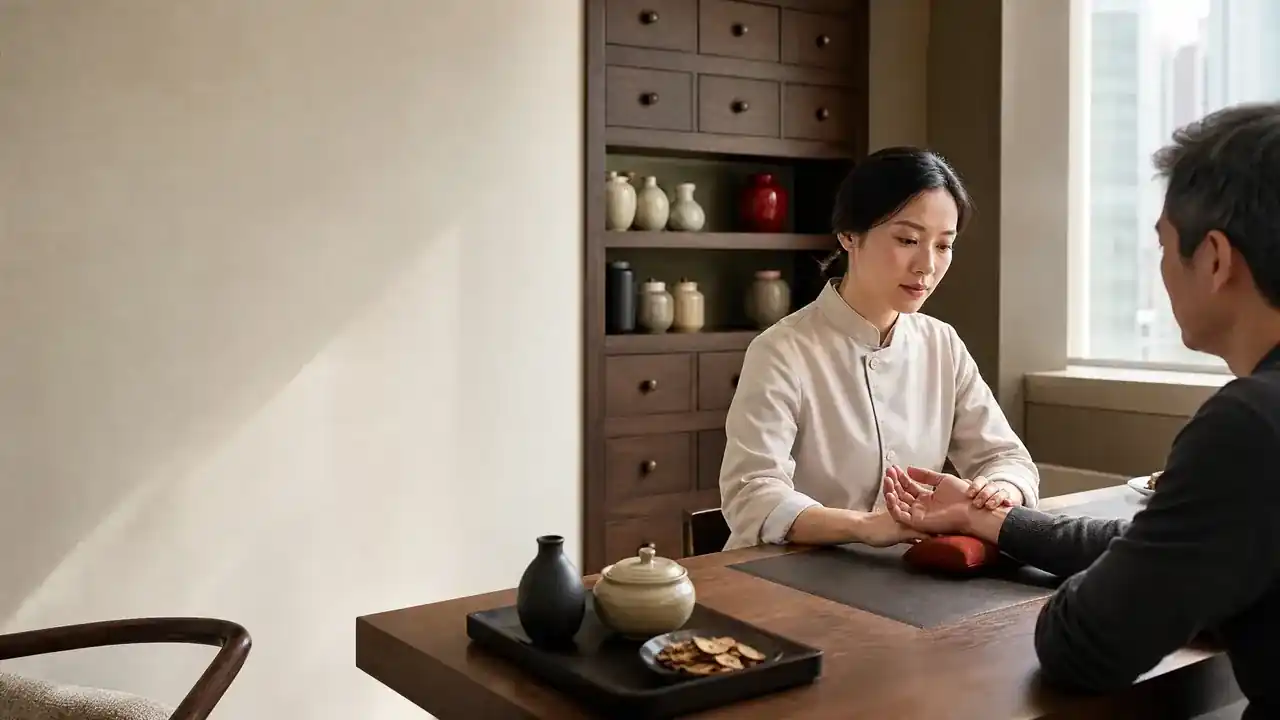
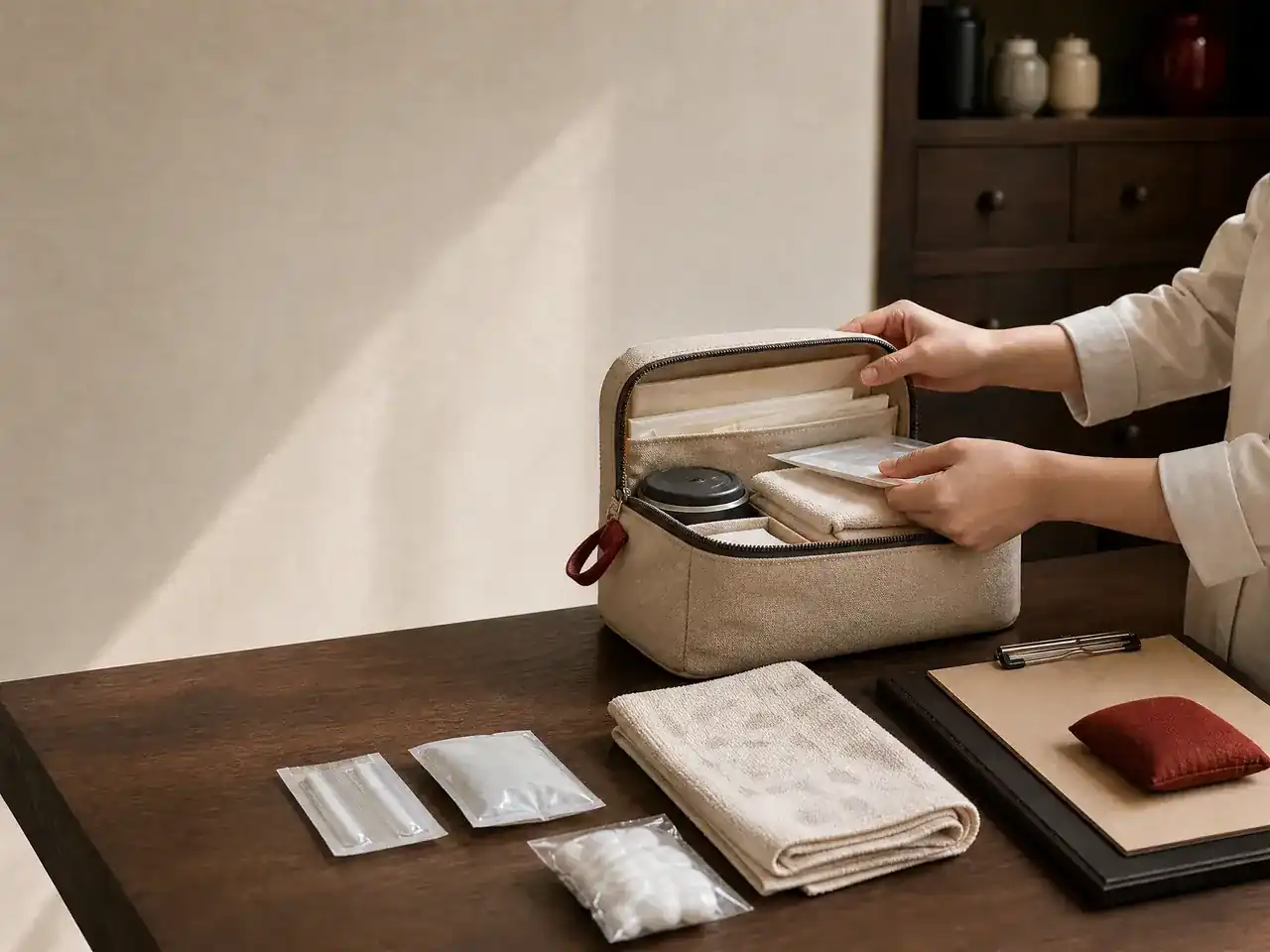
At Harmonia TCM, our approach to assessing tailbone (coccyx) pain begins with a detailed and thorough consultation. Our practitioners will ask you about the history of your pain, including any previous injuries, the specific nature of the discomfort, and the factors that aggravate or alleviate it. We will also inquire about any associated symptoms, such as sitting pain or pelvic discomfort, to gain a complete picture of your condition.
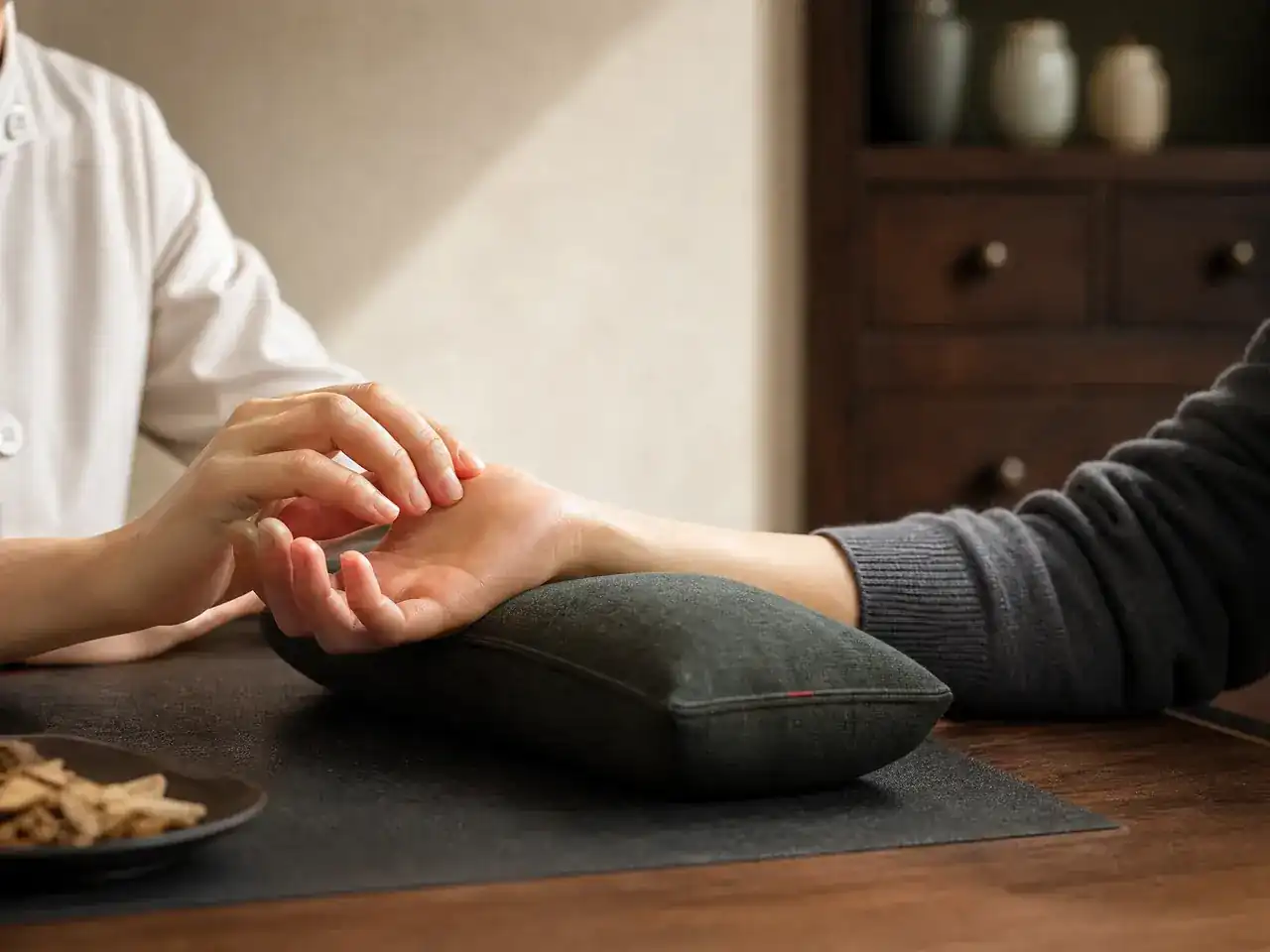
In addition to discussing your symptoms, our practitioners will perform a physical observation, noting your posture, gait, and how you move from sitting to standing. We also utilize traditional diagnostic methods, such as pulse taking and tongue observation, to assess your overall constitutional health. For instance, a purple or dark tongue may indicate blood stasis, while a pale tongue might suggest a deficiency in Qi or blood. This comprehensive assessment allows us to tailor our care to your unique needs.
Comparing Tailbone Pain with Other Conditions
It is not uncommon for tailbone (coccyx) pain to be confused with other types of lower back or pelvic pain. Accurate differentiation is essential for effective care. The table below outlines the key differences between tailbone pain, sciatica, and lower back muscle strain, helping you to better understand your symptoms.
By carefully analyzing the location, nature, and triggers of your pain, our TCM practitioners can pinpoint the underlying issue. If you are experiencing a combination of these symptoms, we will work with you to identify the primary cause and develop a holistic plan to address it.
| Feature | Tailbone (Coccyx) Pain | Sciatica | Lower Back Muscle Strain |
|---|---|---|---|
| Primary Location | Very bottom of the spine (coccyx) | Lower back, radiating down the leg | Muscles on either side of the lower back |
| Nature of Pain | Dull ache or sharp pain, worse when sitting | Radiating, shooting pain or numbness | Aching, stiffness, or soreness |
| Aggravating Factors | Prolonged sitting, standing up from a seated position | Bending, coughing, prolonged standing | Overexertion, maintaining one posture for too long |
| Associated Symptoms | Pain during bowel movements, pelvic tension | Leg weakness, tingling sensations | Restricted movement in the lower back |
Acupuncture and Herbal Medicine Approaches
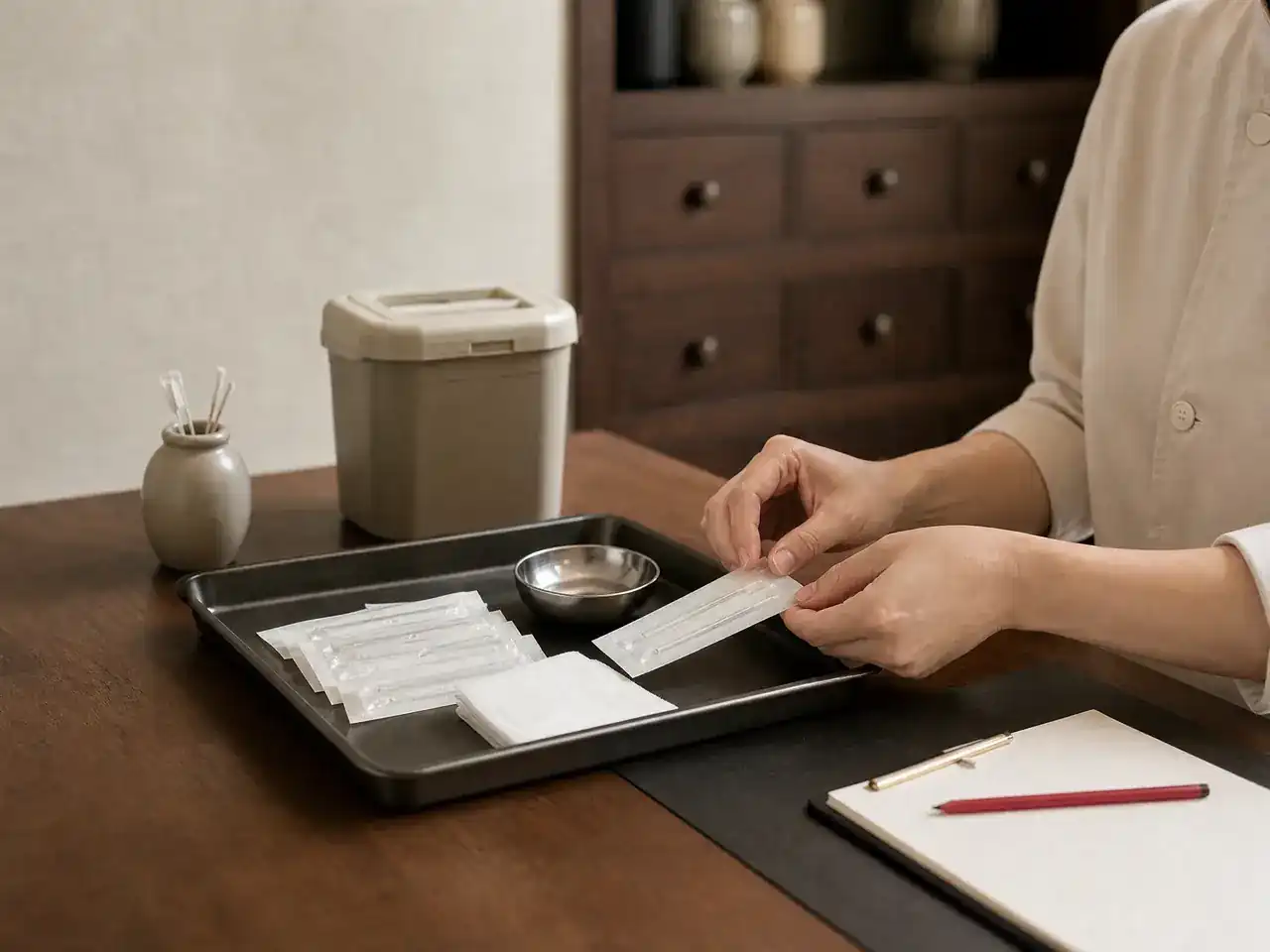
TCM offers a multifaceted approach to managing tailbone (coccyx) pain, primarily utilizing acupuncture and herbal medicine. Acupuncture involves the insertion of fine, sterile needles into specific points along the body's meridians. For tailbone pain, practitioners often select points in the lower back, sacrum, and legs to stimulate the flow of Qi and blood, reduce local inflammation, and alleviate pain. This targeted approach can be particularly effective in addressing the muscular tension and nerve irritation associated with the condition.
Complementing acupuncture, personalized herbal medicine prescriptions are formulated to address your specific constitutional imbalances. If your pain is primarily due to trauma and blood stasis, herbs that promote blood circulation and relieve pain will be utilized. Conversely, if underlying deficiencies are contributing to your discomfort, herbs that nourish the liver and kidneys, and strengthen the bones and sinews, may be recommended. This combined approach aims to not only relieve immediate symptoms but also support long-term recovery.
Lifestyle Adjustments and Self-Care
In addition to professional TCM care, making appropriate lifestyle adjustments is vital for managing tailbone (coccyx) pain. One of the most effective measures is using a specially designed coccyx cushion, such as a U-shaped or donut pillow, which relieves direct pressure on the tailbone while sitting. It is also important to avoid prolonged periods of sitting; taking regular breaks to stand, stretch, and walk can significantly reduce sitting pain and improve circulation in the pelvic area.
During acute flare-ups, applying a cold pack to the tailbone area can help reduce inflammation and numb the pain. For chronic, lingering discomfort, a warm compress may be more beneficial in relaxing tense muscles and promoting blood flow. Gentle stretching exercises focusing on the lower back and pelvic floor can also aid in maintaining flexibility and reducing tension. Our practitioners will provide you with personalized advice on these self-care strategies during your consultation.
Frequently asked questions
How long does it typically take to find relief from tailbone pain?
The timeframe for relief varies depending on the cause and severity of your tailbone (coccyx) pain. Minor bruising may improve within a few weeks, while chronic conditions or degenerative changes may require several months of consistent care. TCM aims to gradually improve local circulation and support natural healing.
Is acupuncture for tailbone pain painful?
Acupuncture uses extremely fine needles, and most people feel only a slight prick upon insertion. Once the needle reaches the correct depth, you may experience a sensation of heaviness, tingling, or a dull ache, known as 'De Qi'. This is a normal response and should not be painful. Our practitioners will adjust their technique to ensure your comfort.
Can TCM help with the sitting pain associated with a tailbone injury?
Yes, TCM can be beneficial for sitting pain. By using acupuncture to stimulate specific points and herbal medicine to reduce inflammation and promote blood flow, TCM aims to relieve the muscular tension and nerve irritation that make sitting uncomfortable.
Should I use ice or heat for my tailbone pain?
Generally, if your tailbone pain is due to a recent injury and there is noticeable swelling or heat, applying a cold pack for the first 48 hours can help reduce inflammation. For chronic pain or muscle stiffness, a warm compress is often more effective in promoting blood flow and relaxation. Consult with a practitioner for specific advice.
Are there any dietary recommendations for managing tailbone pain?
From a TCM perspective, maintaining a balanced diet is important. Consuming foods rich in calcium and protein can support bone and muscle health. It is also advisable to avoid excessive intake of cold, raw, or highly spicy foods, as these can potentially hinder blood circulation or exacerbate inflammation.
Can I book an immediate appointment for tailbone pain at your Kwun Tong clinic?
Harmonia TCM's only physical clinic is located in Kwun Tong. The information here is intended as general guidance. Actual service availability, assessment arrangements, and bookings must be confirmed by the clinic and a registered practitioner. Please contact us to inquire about our current services and to schedule an appointment.
Related topics
Sources
Seek Professional Assessment for Tailbone Pain
Tailbone (coccyx) pain and the associated sitting pain should not be ignored. At Harmonia TCM's physical clinic in Kwun Tong, our registered practitioners provide detailed assessments and personalized care plans. Contact us today to confirm service arrangements and take the first step towards restoring your balance.