Pain & Assessment
Pain Treatment FAQ
When dealing with pain, you may have questions about how Traditional Chinese Medicine (TCM) can assess and support your condition. This page compiles our pain treatment FAQ, covering everything from appointment prep to treatment questions, providing clear information to help you understand the scope and process of services at Harmonia TCM.
Quick answer: Our pain treatment FAQ covers essential topics like appointment prep, assessment processes, and common treatment questions. At Harmonia TCM, practitioners use the four diagnostic methods to understand your constitution and pain condition, discussing suitable support options. For your first visit, we recommend noting the location, severity, and duration of your pain to facilitate a comprehensive assessment.
CLEAR PRICES
Interested in a treatment? You are always welcome to ask.
We clearly list our current single, trial and package prices so you can explore at your own pace. You are always welcome to message us on WhatsApp about any service, timing or arrangement.
| Category and service | Content / terms | Public price (HK$) | Booking note | Enquire |
|---|---|---|---|---|
| Hair & scalp | Scalp health and hair-loss support | AI scalp analysis, deep follicle cleansing and oil-control support | Trial offerPackageTrial 380; 6 sessions 3,480; 12 sessions 5,760; 20 sessions 8,600; 30 sessions 11,400 | Average per session for 6/12/20/30: 580/480/430/380 | Ask on WhatsApp |
| Hair & scalp | Hair acupuncture with herbal medicine | Scalp acupuncture with 3 days of decoction-free herbal medicine | Single visitPackageSingle 580; 6 sessions 3,180; 12 sessions 5,760; 20 sessions 8,600; 30 sessions 11,400 | Average per session for 6/12/20/30: 530/480/430/380 | Ask on WhatsApp |
| Hair & scalp | Integrated hair support programme | Acupuncture, herbal medicine and follicle activation; packages include shampoo and serum | Single visitPackageSingle 1,260; 8 sessions 8,640; 16 sessions 15,680; 20 sessions 18,600; 30 sessions 26,400 | Average per session for 8/16/20/30: 1,080/980/930/880 | Ask on WhatsApp |
| Weight management | Full-body acupoint embedding | Full-body acupoint embedding; packages include proportionate days of herbal support | Single visitPackageSingle 980; 10 sessions 7,800; 20 sessions 14,600; 30 sessions 20,400 | Average per session for 10/20/30: 780/730/680 | Ask on WhatsApp |
| Facial acupuncture | Brightening V-face (Essential) | Facial acupuncture, meridian support and swelling management | Trial offerPackageTrial 480; 10 sessions 5,200; 20 sessions 9,600; 30 sessions 13,500 | Average per session for 10/20/30: 520/480/450 | Ask on WhatsApp |
| Facial acupuncture | Firming and refining (Advanced) | Enhanced facial acupuncture for firmness and fine-line concerns with a moisturising mask serum | Trial offerPackageTrial 780; 10 sessions 9,000; 20 sessions 16,600; 30 sessions 23,400 | Average per session for 10/20/30: 900/830/780 | Ask on WhatsApp |
| Pain care | Extracorporeal shockwave therapy | Deep inflammation support and fascial relaxation | Prince Edward: 250 per area; Kwun Tong: 250 for 1 area, 450 for 2, 600 for 3 | Clinic-specific pricing; confirm location before booking | Ask on WhatsApp |
| Pain care | Manual therapy | TCM bone-injury assessment, manual alignment and tui na techniques | Single visitSingle 580 | Suitability is confirmed after assessment | Ask on WhatsApp |
| Pain care | Acupuncture with manual therapy | Acupuncture with manual structural support | Single visitSingle 680 | Suitability is confirmed after assessment | Ask on WhatsApp |
| TCM regulation | Acupuncture with herbal medicine | TCM consultation, whole-body acupuncture and 3 days of decoction-free herbal medicine granules | Single visitSingle 580 | Confirm clinician availability and service arrangement when booking | Ask on WhatsApp |


Pain Treatment FAQ: The TCM Perspective on Pain
This guide explains common considerations, the purpose of assessment, options that may be discussed, and key safety points. Individual advice depends on your circumstances.
In Traditional Chinese Medicine, the occurrence of pain is often associated with the disrupted flow of Qi and blood, encapsulated in the principle: 'If there is no free flow, there is pain.' This disruption can be caused by external environmental factors, such as wind, cold, or dampness, or by internal constitutional imbalances and excessive strain. Therefore, when addressing pain, TCM focuses not only on the localized area of discomfort but also places significant emphasis on the overall balance of the body's constitution.
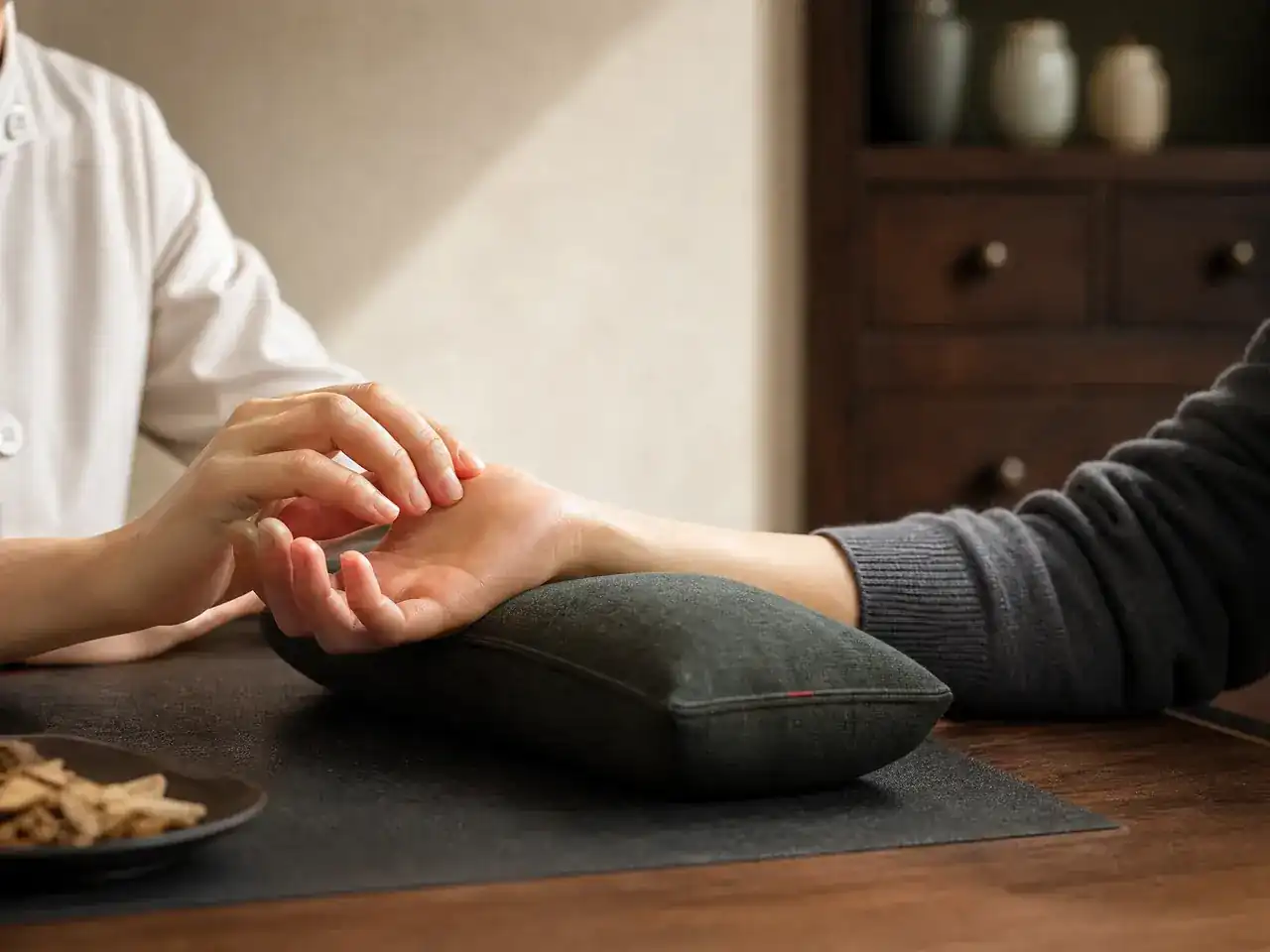
Practitioners at Harmonia TCM will conduct a detailed assessment of your overall condition using the four diagnostic methods: observation, auscultation and olfaction, inquiry, and palpation. This includes observing your complexion and tongue, understanding your lifestyle and dietary preferences, and feeling your pulse. Through this comprehensive information gathering, the practitioner aims to identify the underlying causes that may be contributing to the disrupted flow of Qi and blood, thereby formulating a personalized support plan.
Appointment Prep: What Information is Needed for the First Visit?
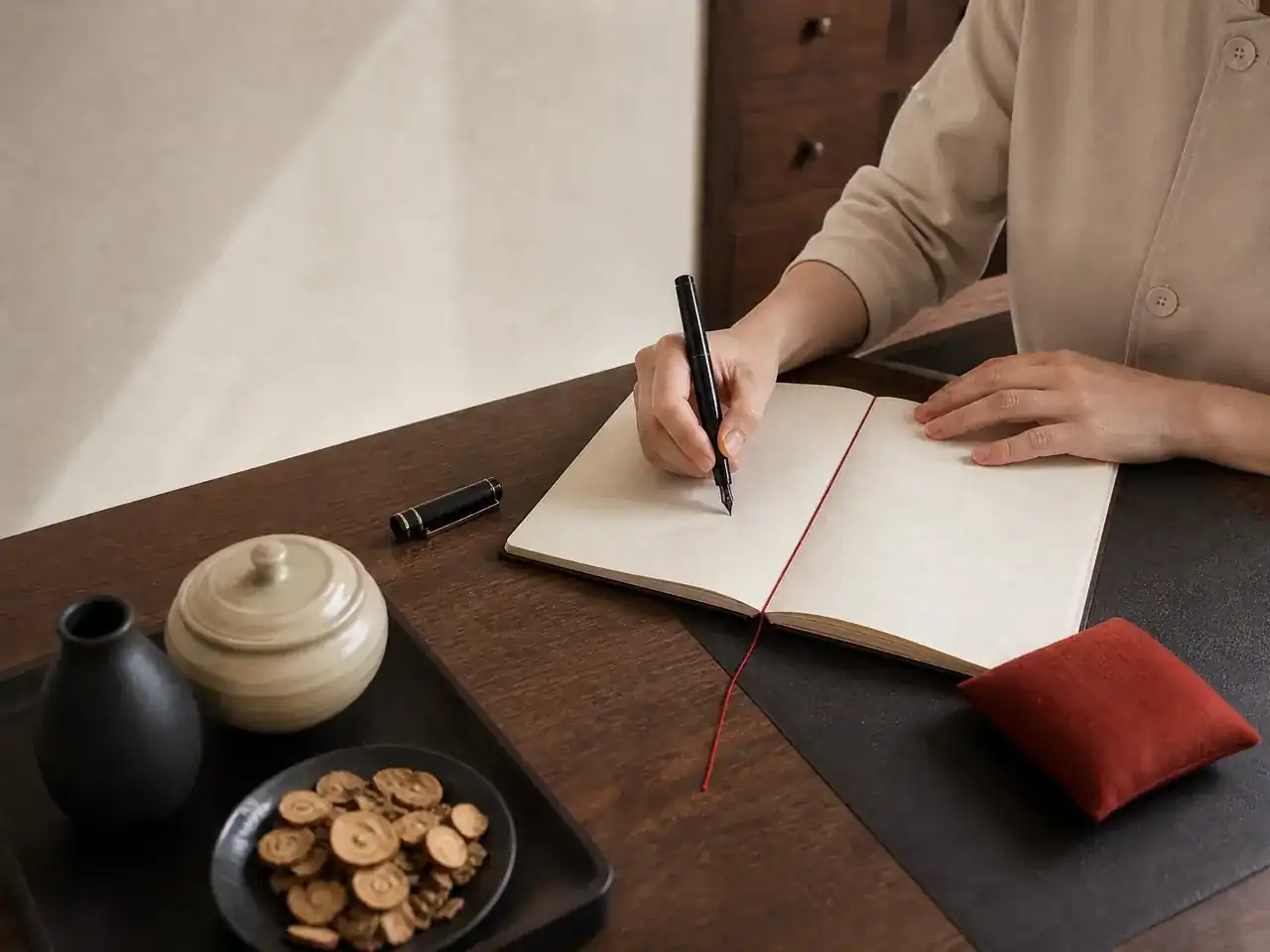
To enable the practitioner to assess your condition more accurately, thorough appointment prep is highly important. Before your visit, we recommend that you carefully review and record the specific details of your pain. This includes when the pain first started, the nature of the pain (such as sharp, throbbing, or dull ache), the exact location, and whether it radiates to other parts of the body.
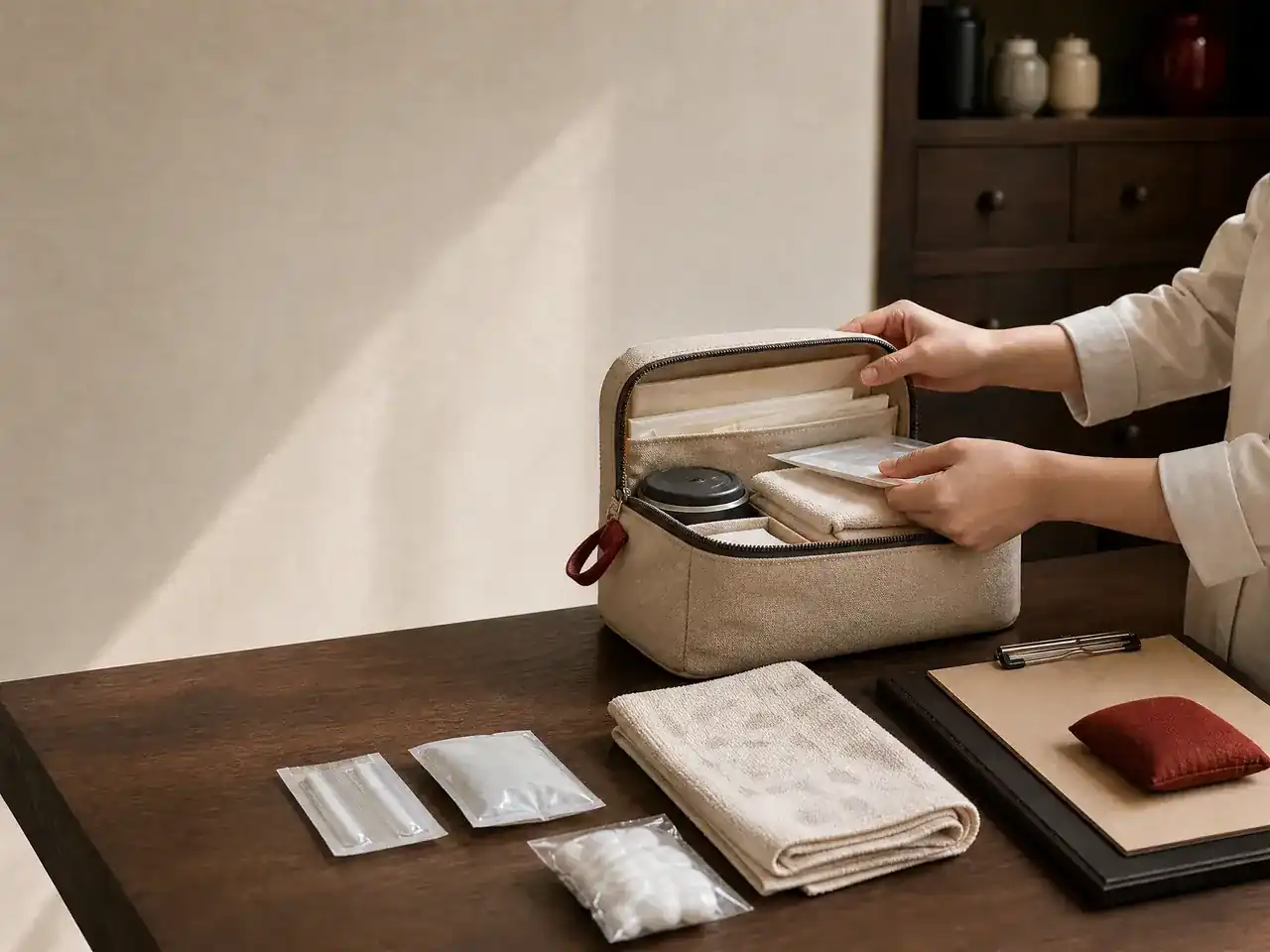
Furthermore, you should inform the practitioner of any factors that may aggravate or alleviate the pain, such as specific movements, changes in weather, or how you feel after resting. If you have previously undergone other medical assessments or treatments, please provide the relevant medical records or reports. All this information helps the practitioner gain a more comprehensive understanding of your health status and address your treatment questions effectively.
Treatment Questions: How Does TCM Support Pain Conditions?
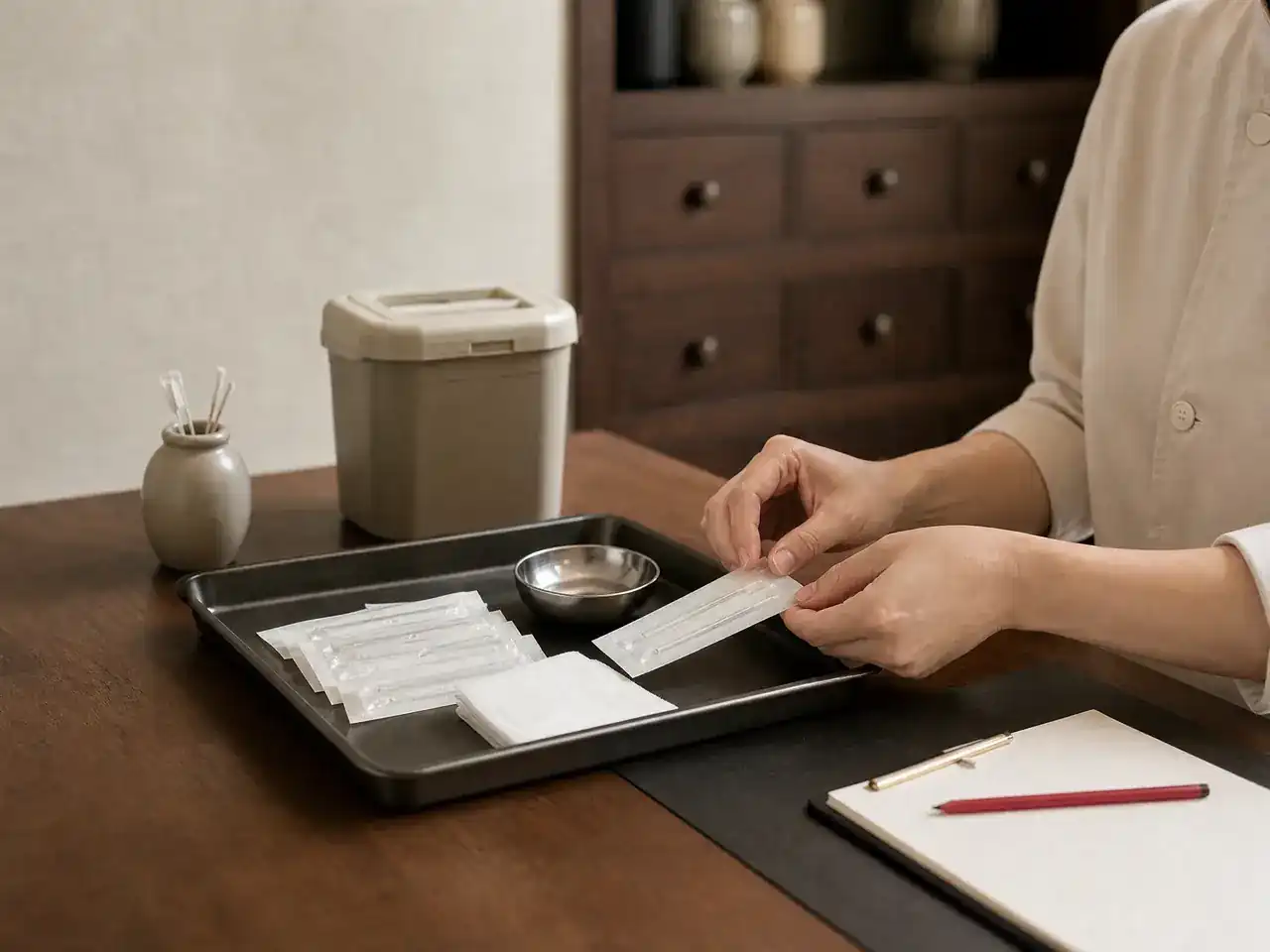
TCM offers various methods to support pain conditions, primarily tailored to an individual's constitution and specific circumstances. Common approaches include acupuncture, Tui Na (Chinese therapeutic massage), cupping, and herbal medicine conditioning. Acupuncture involves inserting fine needles into specific acupoints, aiming to regulate the flow of Qi and blood. Tui Na uses manual techniques to relax muscles and relieve tension, while cupping is often used to address localized stagnation of Qi and blood.
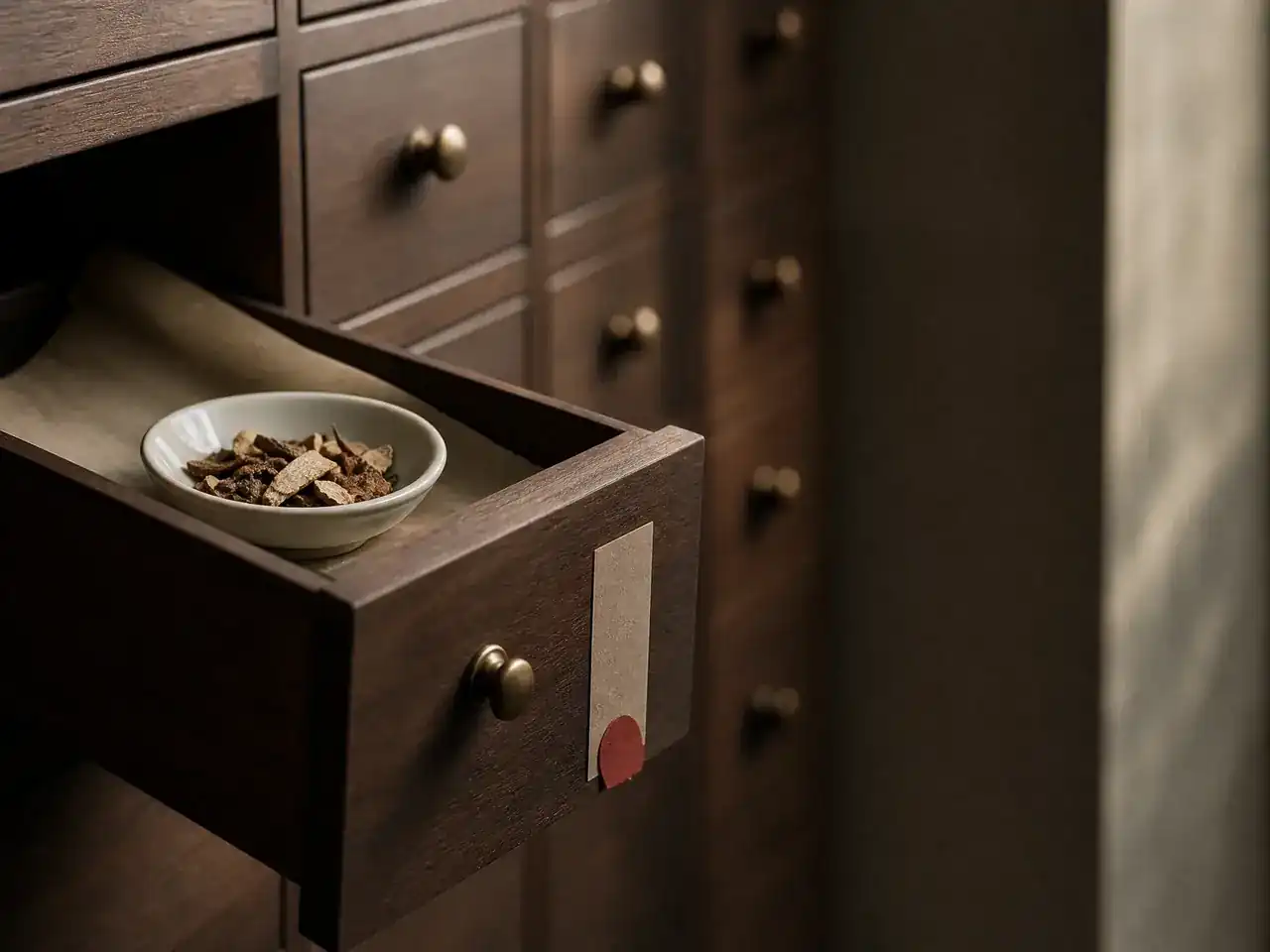
Regarding herbal medicine conditioning, the practitioner will prescribe a suitable herbal formula based on your constitution, with the goal of harmonizing the body and supporting its natural balance. At Harmonia TCM, the practitioner will discuss the characteristics of each method with you in detail and suggest an appropriate combination of approaches based on your comfort level and actual needs. Please note that these methods are intended to provide support and do not constitute a guarantee or a claim of a cure for any specific disease.
Comparing TCM Assessment with Conventional Medical Care
When managing pain, understanding the characteristics of different healthcare systems can help you make informed choices. TCM and conventional medical care have different focuses in assessing and addressing pain. The following table briefly outlines the main differences between the two in general situations for your reference.
| Comparison Aspect | TCM Assessment & Support | Conventional Medical Assessment & Care |
|---|---|---|
| Core Philosophy | Emphasizes a holistic view, focusing on Qi and blood flow and constitutional balance. | Focuses on localized pathological changes, targeting specific tissues or organs. |
| Assessment Methods | Four diagnostic methods (observation, auscultation/olfaction, inquiry, palpation) to understand the overall condition. | Clinical examinations, imaging scans (e.g., X-rays, MRI), and blood tests. |
| Approach | Acupuncture, Tui Na, herbal medicine, etc., aiming to harmonize the constitution. | Medications (e.g., painkillers, anti-inflammatories), physiotherapy, surgery, etc. |
| Suitable Situations | Chronic pain, discomfort caused by constitutional imbalances, daily health maintenance. | Acute trauma, severe structural damage, emergencies requiring immediate intervention. |
How Long Does the Process Take and When Will I See Changes?
This is one of the most common treatment questions. In reality, the duration and progress of the support process vary from person to person, depending on multiple factors. These include the nature of the pain (acute or chronic), its duration, your individual constitutional status, and how your body responds to the TCM support methods. Generally, chronic pain conditions may require a longer period of conditioning and observation.
After the initial assessment, the practitioner will discuss a preliminary follow-up plan with you. Throughout the process, the practitioner will regularly reassess your condition and adjust the approach based on your feedback. We encourage you to be patient and maintain good communication with your practitioner, paying close attention to any changes in your body together.
Harmonia TCM's Service Scope and Location
Harmonia TCM is dedicated to providing professional TCM consultation and constitutional support services. We understand that pain can cause significant inconvenience in your daily life, so we aim to provide clear information to help you understand our service scope. Please note that the information provided here is for general health education purposes only and does not constitute a diagnosis or personal treatment advice.
Harmonia TCM's only physical clinic is located in Kwun Tong. The service scope and processes described here are primarily based on the operations of our Kwun Tong clinic. We currently do not have any other branches. If you have any questions about our services or wish to learn more about appointment prep, please feel free to contact us.
Frequently asked questions
What documents should I bring for my first visit?
As part of your appointment prep, we recommend bringing relevant medical records, such as recent X-rays, MRI reports, or diagnostic certificates from Western medical doctors. This information helps the practitioner gain a more comprehensive understanding of your pain condition.
Does acupuncture hurt?
This is a very common treatment question. The needles used in acupuncture are extremely fine. Most people only feel a slight prick when the needle is inserted, followed by sensations of aching, numbness, distension, or heaviness. This is known as 'De Qi' in TCM and is a normal response. The practitioner will adjust their technique based on your comfort level.
Do I need to brew the herbal medicine myself?
Harmonia TCM offers various forms of herbal medicine. In addition to traditional raw herbs that require brewing, we also provide convenient concentrated herbal granules that can be dissolved in water. You can discuss the most suitable option with your practitioner based on your lifestyle and preferences.
Can I exercise while experiencing pain?
This depends on the nature and severity of the pain. During the acute phase or when the pain is severe, rest is usually recommended. However, in the chronic phase or after the pain has eased, moderate stretching and strengthening exercises may aid recovery. The practitioner will provide personalized advice based on your specific situation.
What are the risks of TCM support for pain?
Generally, assessments and support provided by qualified TCM practitioners are safe. However, certain methods like acupuncture or cupping may leave minor bruising or a feeling of soreness on the local skin, which usually fades within a few days. The practitioner will explain the relevant risks to you before performing any procedure.
Can I take Chinese herbal medicine if I am currently taking Western medication?
Please ensure you inform the practitioner of all medications you are currently taking (including Western medicines and supplements) during your visit. The practitioner will evaluate potential interactions between Chinese and Western medicines and recommend an appropriate time interval between taking them to ensure safety.
Related topics
Sources
Ready to Learn More?
If you still have questions about our pain treatment FAQ or wish to learn more about Harmonia TCM's services, please feel free to contact us. Our team is happy to answer your treatment questions and assist you with your appointment prep.