HEALTH GUIDE / SAFETY INFORMATION
TCM and conventional care: communicating about medicines, tests and safer decisions
In modern holistic health management, a growing number of individuals concurrently engage conventional Western medical care and traditional Chinese medicine (TCM) therapies for chronic pain, recovery, and overall wellness. However, establishing a transparent, robust, and collaborative communication bridge between distinct clinical disciplines is essential for treatment safety, preventing potential herb-drug interactions, and avoiding delayed diagnoses of serious underlying conditions. Navigating dual-system care requires proactive disclosure, mutual respect among healthcare providers, and a clear understanding of respective clinical roles and safety boundaries.
Quick answer: The core principle of integrative communication is to proactively disclose all current medications, dietary supplements, herbal formulas, and therapies to every clinician involved in your care—both conventional physicians and registered TCM practitioners. Furthermore, patients must ensure that complementary TCM treatments never replace or delay necessary conventional medical diagnostics, emergency evaluations, or acute interventions.
CLEAR PRICES
Interested in a treatment? You are always welcome to ask.
We clearly list our current single, trial and package prices so you can explore at your own pace. You are always welcome to message us on WhatsApp about any service, timing or arrangement.
| Category and service | Content / terms | Public price (HK$) | Booking note | Enquire |
|---|---|---|---|---|
| Hair & scalp | Scalp health and hair-loss support | AI scalp analysis, deep follicle cleansing and oil-control support | Trial offerPackageTrial 380; 6 sessions 3,480; 12 sessions 5,760; 20 sessions 8,600; 30 sessions 11,400 | Average per session for 6/12/20/30: 580/480/430/380 | Ask on WhatsApp |
| Hair & scalp | Hair acupuncture with herbal medicine | Scalp acupuncture with 3 days of decoction-free herbal medicine | Single visitPackageSingle 580; 6 sessions 3,180; 12 sessions 5,760; 20 sessions 8,600; 30 sessions 11,400 | Average per session for 6/12/20/30: 530/480/430/380 | Ask on WhatsApp |
| Hair & scalp | Integrated hair support programme | Acupuncture, herbal medicine and follicle activation; packages include shampoo and serum | Single visitPackageSingle 1,260; 8 sessions 8,640; 16 sessions 15,680; 20 sessions 18,600; 30 sessions 26,400 | Average per session for 8/16/20/30: 1,080/980/930/880 | Ask on WhatsApp |
| Weight management | Full-body acupoint embedding | Full-body acupoint embedding; packages include proportionate days of herbal support | Single visitPackageSingle 980; 10 sessions 7,800; 20 sessions 14,600; 30 sessions 20,400 | Average per session for 10/20/30: 780/730/680 | Ask on WhatsApp |
| Facial acupuncture | Brightening V-face (Essential) | Facial acupuncture, meridian support and swelling management | Trial offerPackageTrial 480; 10 sessions 5,200; 20 sessions 9,600; 30 sessions 13,500 | Average per session for 10/20/30: 520/480/450 | Ask on WhatsApp |
| Facial acupuncture | Firming and refining (Advanced) | Enhanced facial acupuncture for firmness and fine-line concerns with a moisturising mask serum | Trial offerPackageTrial 780; 10 sessions 9,000; 20 sessions 16,600; 30 sessions 23,400 | Average per session for 10/20/30: 900/830/780 | Ask on WhatsApp |
| Pain care | Extracorporeal shockwave therapy | Deep inflammation support and fascial relaxation | Prince Edward: 250 per area; Kwun Tong: 250 for 1 area, 450 for 2, 600 for 3 | Clinic-specific pricing; confirm location before booking | Ask on WhatsApp |
| Pain care | Manual therapy | TCM bone-injury assessment, manual alignment and tui na techniques | Single visitSingle 580 | Suitability is confirmed after assessment | Ask on WhatsApp |
| Pain care | Acupuncture with manual therapy | Acupuncture with manual structural support | Single visitSingle 680 | Suitability is confirmed after assessment | Ask on WhatsApp |
| TCM regulation | Acupuncture with herbal medicine | TCM consultation, whole-body acupuncture and 3 days of decoction-free herbal medicine granules | Single visitSingle 580 | Confirm clinician availability and service arrangement when booking | Ask on WhatsApp |


Why is cross-system communication between TCM and conventional care vital?
With growing public interest in holistic health, integrative medicine, and chronic pain management, many residents seek TCM therapies such as acupuncture, herbal medicine, tuina massage, or dietary therapy alongside conventional medical treatments. However, failing to communicate adequately across clinical teams can significantly increase the risk of duplicate therapies, potential herb-drug or supplement-drug interactions, and delayed diagnoses of underlying structural or systemic conditions. When patients consult multiple practitioners without sharing complete clinical histories, providers operate with fragmented information, which can compromise patient safety and therapeutic efficacy.
According to guidelines from the National Center for Complementary and Integrative Health (NCCIH), TCM products, herbs, and complementary therapies should never replace or delay necessary conventional medical care. Establishing a transparent communication framework allows TCM practitioners to understand a patient's conventional medical history, ongoing pharmacological regimens, and recent laboratory test results. Simultaneously, it enables conventional physicians to remain fully informed about any complementary therapies their patients are receiving, thereby building a coordinated, patient-centered safety net.
Therefore, proactively bringing recent conventional test reports, imaging scans, and a comprehensive medication list during every TCM consultation is a vital first step toward building mutual clinical trust and ensuring absolute safety. Such diligence helps professional practitioners perform objective assessments, eliminates clinical risks arising from information asymmetry, and supports harmonious long-term health outcomes.
| Communication Scope | Conventional Medicine Role | TCM & Complementary Role | Patient Safety Recommendations |
|---|---|---|---|
| Medication Management | Provides prescription pharmaceuticals, evaluates Western drug-drug interactions and metabolism | Evaluates herbal formulas, botanical ingredients, and traditional dietary supplements | Maintain a comprehensive medication list and proactively report all items to both clinical teams |
| Diagnostics & Testing | Conducts blood work, urinalysis, and advanced medical imaging (X-ray, MRI, CT) | Applies traditional pattern differentiation while reviewing conventional test data | Preserve all test reports and proactively share them across all healthcare providers |
| Medical Triage | Handles acute emergencies, surgical interventions, and critical care procedures | Focuses on chronic pain management, constitution regulation, and rehabilitation support | Prioritize conventional emergency evaluation immediately when red flag warning signs appear |
| Regulation & Credentials | Regulated by the Medical Council of Hong Kong and statutory healthcare ordinances | Regulated by the Chinese Medicine Regulatory Office (CMRO) and Chinese Medicine Ordinance | Verify practitioner registration status and choose licensed, reputable medical facilities |
How to compile and share a complete medication list with all clinicians
One of the most common and preventable pitfalls in healthcare communication is the misconception that herbal remedies, botanical supplements, or traditional natural products do not need to be disclosed to conventional medical doctors, or conversely, that TCM practitioners do not need to know about prescription Western drugs. This communication gap can lead to metabolic conflicts, altered drug clearance pathways, and unexpected therapeutic interference.
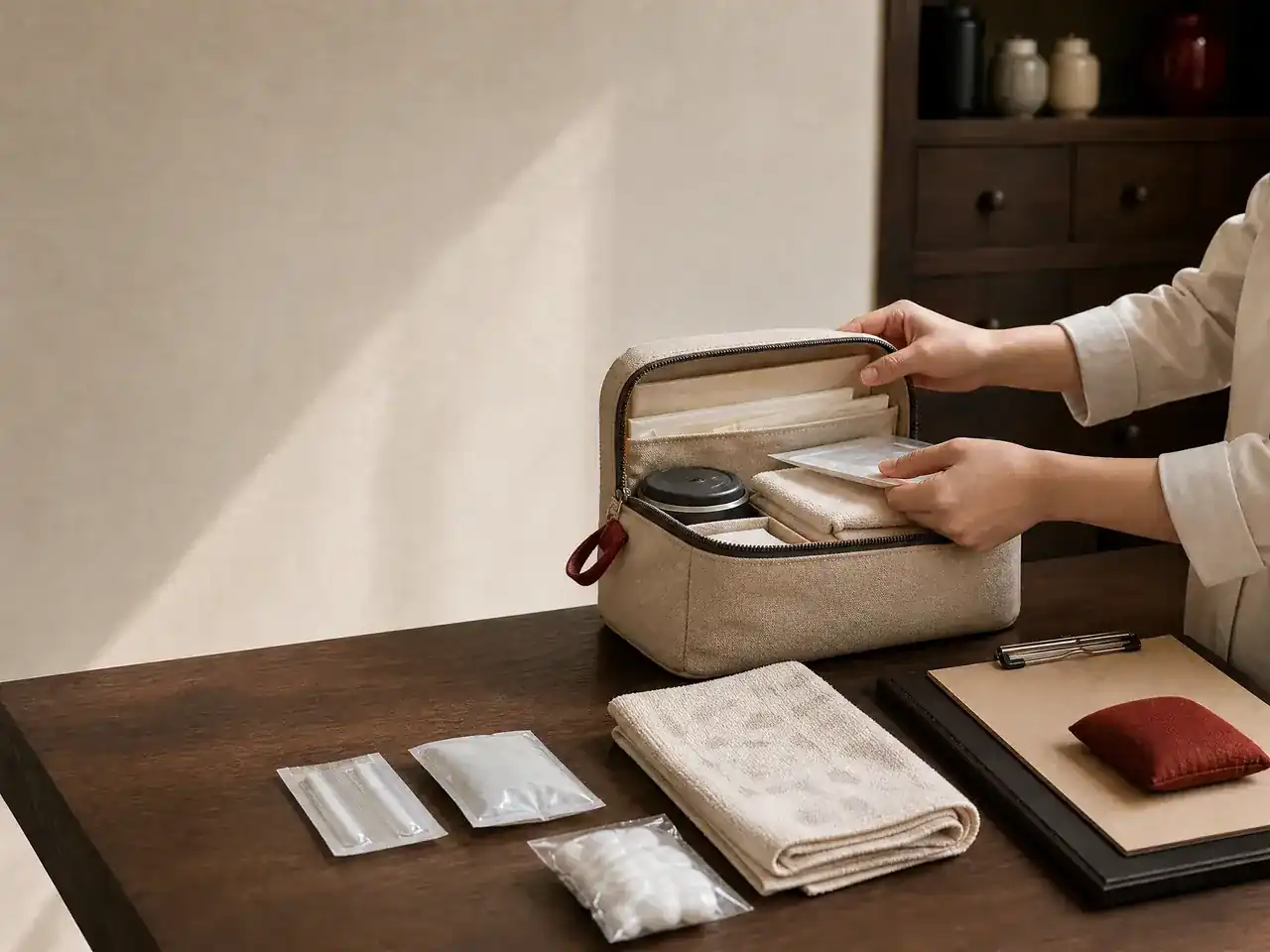
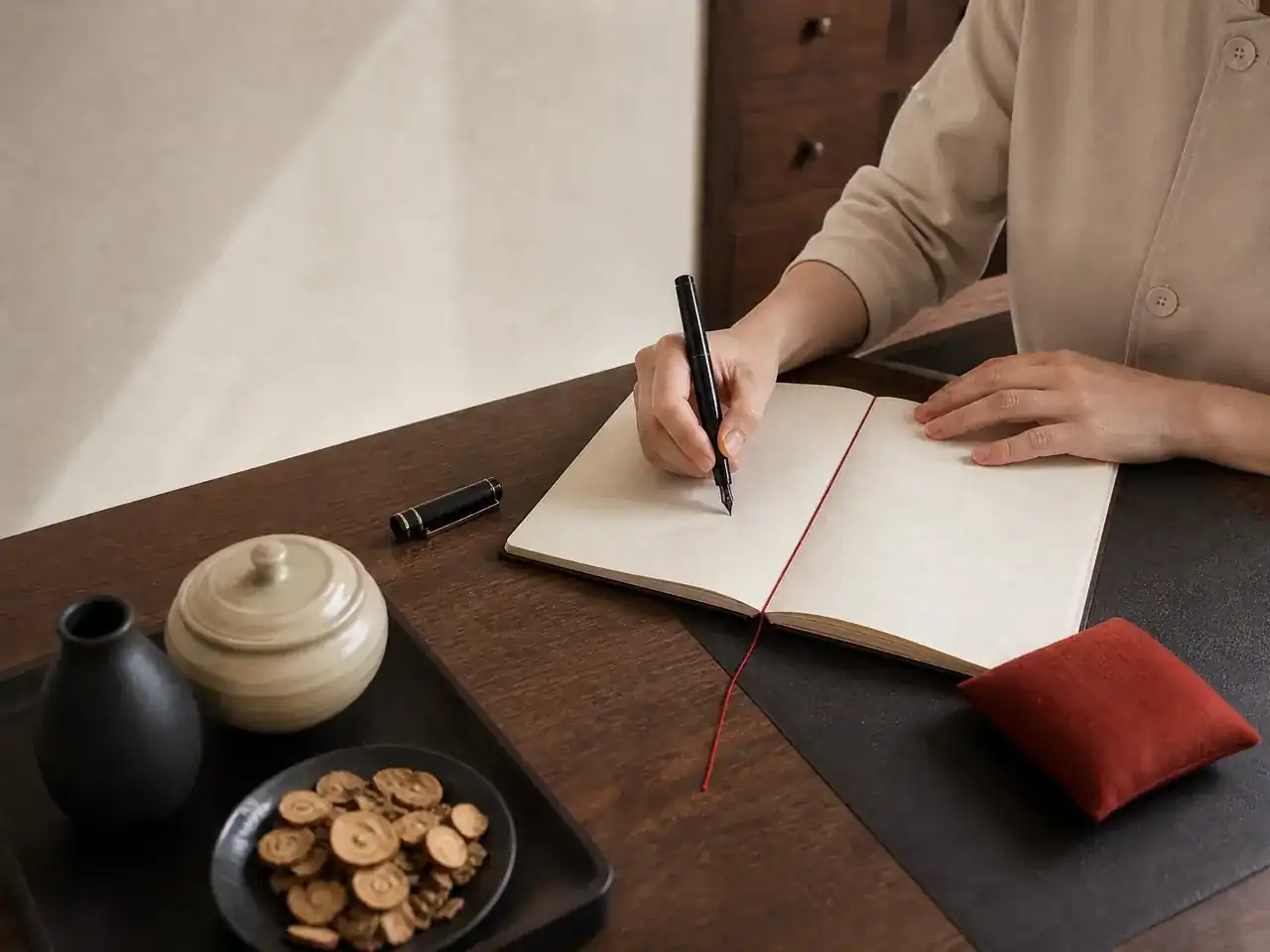
To ensure safe and effective clinical communication, patients are strongly advised to prepare a comprehensive medication and supplement list prior to every medical or TCM appointment. This detailed inventory should cover all prescription pharmaceuticals, over-the-counter medications (such as analgesics, anti-inflammatories, and vitamins), herbal decoctions, patent Chinese medicines, herbal teas, and daily dietary supplements. Patients should proactively present this complete list during every consultation and record the exact dosage, frequency, and duration of use for each item.
When seeking professional guidance and preparing for your clinical visits, you can also consult our Chinese medicine FAQ for practical tips on how to structure your medical history, what questions to ask your practitioner, and how to make the communication process smoother, more transparent, and highly efficient.
Transparent sharing and interpretation of diagnostic tests and results
Modern healthcare relies extensively on objective laboratory tests and advanced imaging investigations, such as complete blood counts, biochemical panels, X-rays, magnetic resonance imaging (MRI), computed tomography (CT) scans, and diagnostic ultrasounds. When patients undergo such diagnostic evaluations within the conventional medical system, these reports should never be treated as isolated assets restricted to a single clinical setting. Sharing these investigative results fully with TCM practitioners assists in refining traditional pattern differentiation (Bian Zheng) and helps rule out structural pathologies, metabolic disorders, or acute organic conditions.
Simultaneously, if a TCM practitioner recommends specific symptom tracking, lifestyle modifications, or dietary adjustments during clinical evaluation, patients should report these observations back to their conventional care team. This two-way transparency eliminates clinical blind spots, bridges disciplinary divides, and ensures that all medical providers share a unified and comprehensive understanding of the patient's ongoing health status.
In Hong Kong, TCM practice and registration are strictly regulated under the Chinese Medicine Ordinance administered by the Department of Health. Readers have both the legal right and personal responsibility to verify the professional credentials and active registration status of practitioners. Selecting established, licensed clinical settings—such as the professional consultation services offered by the Hong Kong Chinese medicine pain clinic—helps ensure that all diagnostic and therapeutic procedures are conducted under transparent, legal, and rigorously safe conditions.
Avoiding delays in conventional care: recognizing triage and safety boundaries
While TCM and complementary therapies offer unique clinical value in restoring bodily balance, alleviating chronic musculoskeletal pain, and improving overall quality of life, they cannot replace emergency medical care, surgical interventions, or routine diagnosis of major medical conditions. When individuals experience unexplained severe pain, rapidly progressive neurological deficits, acute trauma, or alarming systemic symptoms, the primary action must always be visiting an emergency department or seeking immediate conventional medical evaluation.
For instance, chronic or acute back pain may stem from simple muscular fatigue or soft-tissue strain, but it can also signal serious spinal pathology, infection, fracture, or visceral compression. Warning signs such as progressive leg numbness, bilateral motor weakness, bowel or bladder dysfunction, or saddle anesthesia represent true medical emergencies requiring immediate conventional surgical and neurological intervention rather than traditional management alone.
Maintaining a rational approach to healthcare-seeking—clearly distinguishing between emergency conventional triage and chronic TCM management—is an essential component of modern health literacy. Maintaining candid, open dialogue with both conventional physicians and TCM practitioners allows patients to maximize therapeutic benefits while rigorously mitigating clinical risks.
Building a long-term and trusted health partnership across disciplines
Comprehensive health management is a sustained, long-term journey that cannot be fulfilled by isolated therapies, occasional consultations, or quick fixes. By establishing consistent cross-system communication habits, patients gradually evolve into primary stewards of their own health. Whether recording daily symptom fluctuations, maintaining rigorous medication logs, or reviewing laboratory test reports periodically, these detailed records form invaluable assets for collaborative clinical communication.
In daily life, individuals should actively share their overarching healthcare plans with family members and consult official, evidence-based sources when facing health uncertainties. Rejecting unverified folklore, exaggerated advertising claims, or miracle cures while selecting licensed, reputable medical institutions is fundamental to safeguarding physical and mental well-being.
Harmonia TCM remains firmly committed to promoting objective, safe, and evidence-based health information. We encourage every reader pursuing recovery to maintain a rational mindset, ask proactive questions, and establish close, collaborative partnerships with both conventional medical teams and TCM practitioners to achieve optimal health outcomes.
Preparing for Clinical Consultations: Questions to Ask Your TCM Practitioner and Conventional Physician
Effective healthcare communication relies heavily on asking targeted, structured, and clinically relevant questions during medical consultations across all healthcare settings. When individuals seek integrative care that combines conventional Western medicine with traditional Chinese medicine (TCM) for chronic health conditions, pain management, or overall wellness promotion, preparing a prioritized and comprehensive list of inquiries helps bridge significant communication gaps between different clinical disciplines. Patients should proactively and explicitly ask both their conventional primary care physicians and registered TCM practitioners how proposed therapies, herbal formulas, dietary supplements, or physical modalities might interact with existing treatments, ensuring that all healthcare providers share a unified, transparent, and accurate understanding of the patient's comprehensive therapeutic plan, lifestyle habits, and clinical objectives. Furthermore, scheduling dedicated follow-up discussions allows patients to review ongoing treatment progress and adjust care strategies safely over time.
Specific inquiries regarding botanical safety, herb-drug pharmacokinetics, active chemical constituents, and laboratory monitoring parameters are exceptionally vital during these clinical discussions and routine follow-up visits. For instance, patients can inquire whether a prescribed Chinese herbal medicine shares hepatic metabolic pathways—such as hepatic cytochrome P450 enzyme systems—with conventional prescription drugs, or how regular blood tests, liver function panels, and kidney function markers should be routinely monitored while undergoing dual-system treatments. Keeping a dedicated daily symptom and medication log further enhances the clarity of these consultations, providing objective reference data that both western and traditional practitioners can evaluate collaboratively during every appointment to optimize safety and therapeutic efficacy.
Furthermore, establishing clear communication protocols extends to outlining emergency escalation pathways, defining clinical scopes, and setting realistic therapeutic expectations. Patients must confirm with their respective practitioners which specific symptoms, such as sudden neurological deficits, severe unrelenting pain, or progressive functional decline, warrant immediate conventional medical evaluation rather than continued complementary care or self-management. By establishing these safety boundaries in advance, individuals safeguard themselves against delayed diagnoses of serious underlying conditions and foster a collaborative, professional environment built on mutual clinical respect, thorough documentation, and unwavering patient safety standards, supported directly by guidance from authoritative public health bodies and regulatory institutions. Ultimately, transparent dialogue remains the cornerstone of safe and effective integrative healthcare management.
Navigating Integrative Healthcare Safely: Avoiding Common Communication Pitfalls and Misinformation
Navigating dual-system healthcare environments requires persistent vigilance against common communication pitfalls, cognitive biases, cultural assumptions, and unverified health claims circulating widely in public media and online platforms. A prevalent misconception among patients is that natural, botanical, or traditional products are inherently risk-free and therefore do not require formal disclosure to conventional medical specialists, oncologists, or surgeons. However, complex botanical preparations and concentrated herbal decoctions can exert potent pharmacological effects that directly influence conventional drug absorption, distribution, metabolism, and excretion, making complete and transparent disclosure mandatory for safe clinical decision-making, risk stratification, and optimal therapeutic outcomes across all medical disciplines. Failing to disclose such vital details can lead to unexpected physiological interactions, unexpected clinical complications, and prevents potential adverse reactions.
Additionally, patients must critically evaluate health information sources, carefully distinguishing between evidence-based clinical guidelines published by authoritative public health institutions—such as the National Center for Complementary and Integrative Health (NCCIH)—and unverified testimonials, anecdotal claims, or exaggerated efficacy guarantees found across unregulated digital platforms. Relying strictly on scientifically grounded, peer-reviewed resources ensures that individual health decisions remain objective, safe, and fully aligned with established medical standards. Regulatory frameworks, such as statutory oversight provided by the Chinese Medicine Regulatory Office in Hong Kong, further supply vital structural safeguards by ensuring that all registered practitioners adhere strictly to professional competence, hygiene, safety protocols, and statutory legal standards. Patients should always verify practitioner registration details through official public registries before commencing any therapeutic program or herbal regimen.
Ultimately, sustainable health management depends upon continuous self-education, honest and transparent dialogue with qualified healthcare professionals, and strict adherence to established safety triage principles. When acute warning signs—such as severe unexplained pain, acute neurological symptoms, or progressive functional loss—manifest, conventional emergency medical evaluation must always take precedence over complementary symptom management. By maintaining these clear priorities and respecting clinical boundaries, patients successfully integrate traditional wellness practices with rigorous conventional care without compromising personal health, safety, timely disease diagnosis, or emergency intervention access, ensuring long-term health resilience and clinical safety. Prioritizing evidence-based care protects patients from unnecessary health risks. Consulting licensed professionals guarantees adherence to rigorous professional safety standards.
Continue reading
Explore the corresponding service or information page at your own pace.
Related articles



Frequently asked questions
Must I inform my TCM practitioner about the Western medications and supplements I am currently taking?
Yes, absolutely. Fully disclosing all prescription drugs, over-the-counter medications, and dietary supplements to your TCM practitioner is essential. It allows the practitioner to evaluate potential herb-drug interactions, ensuring treatment safety and avoiding metabolic conflicts.
Should I share conventional blood tests, X-rays, or MRI scans with my TCM practitioner?
Sharing them is highly recommended. Conventional diagnostic and imaging reports provide objective structural and biochemical data, helping TCM practitioners conduct comprehensive evaluations and rule out structural pathologies or acute conditions requiring priority medical intervention.
Can TCM treatments entirely replace conventional surgery or long-term prescription drugs?
No. According to official health agencies such as the National Center for Complementary and Integrative Health (NCCIH), TCM products and therapies should not replace or delay necessary conventional medical care. TCM typically serves as a complementary approach, while major or acute conditions require conventional diagnosis and treatment.
How can I verify the professional qualifications and registration status of a TCM practitioner in Hong Kong?
TCM practice and registration in Hong Kong are strictly regulated by the Chinese Medicine Ordinance. Citizens can check practitioner qualifications and active registration status via the official website and register of the Chinese Medicine Regulatory Office (CMRO) under the Department of Health.
Can “TCM and conventional care communication guide” be used as a personal diagnosis?
No. This article provides general information and preparation ideas only. Individual circumstances need appropriate assessment around history, tests, functional impact and safety.
What can I prepare before asking about “TCM and conventional care communication guide”?
You can note symptom timing, approaches already tried, current medicines, test information and your main questions. Seek appropriate conventional medical assessment first for severe or worsening signs.
Related topics
Sources
Want to understand the next step around your situation?
You are welcome to share your question, preferred time and existing information. We will explain the service scope and arrangements clearly.