Patient Information
Frequently Asked Questions
When facing pain and physical discomfort, understanding how Chinese medicine assesses and supports your condition is an important step. This page compiles frequently asked questions about Chinese medicine, detailing the clinic visit process, assessment methods, and important considerations at Harmonia TCM, helping you set clear expectations before your consultation.
Quick answer: Our Chinese medicine FAQ primarily covers the clinic visit process, assessment methods, and safety considerations. At Harmonia TCM, we evaluate your constitution and pain condition through observation, listening, questioning, and pulse taking to provide appropriate support recommendations. Initial consultations usually require more time for a comprehensive assessment, so please allocate sufficient time.
CLEAR PRICES
Interested in a treatment? You are always welcome to ask.
We clearly list our current single, trial and package prices so you can explore at your own pace. You are always welcome to message us on WhatsApp about any service, timing or arrangement.
| Category and service | Content / terms | Public price (HK$) | Booking note | Enquire |
|---|---|---|---|---|
| Hair & scalp | Scalp health and hair-loss support | AI scalp analysis, deep follicle cleansing and oil-control support | Trial offerPackageTrial 380; 6 sessions 3,480; 12 sessions 5,760; 20 sessions 8,600; 30 sessions 11,400 | Average per session for 6/12/20/30: 580/480/430/380 | Ask on WhatsApp |
| Hair & scalp | Hair acupuncture with herbal medicine | Scalp acupuncture with 3 days of decoction-free herbal medicine | Single visitPackageSingle 580; 6 sessions 3,180; 12 sessions 5,760; 20 sessions 8,600; 30 sessions 11,400 | Average per session for 6/12/20/30: 530/480/430/380 | Ask on WhatsApp |
| Hair & scalp | Integrated hair support programme | Acupuncture, herbal medicine and follicle activation; packages include shampoo and serum | Single visitPackageSingle 1,260; 8 sessions 8,640; 16 sessions 15,680; 20 sessions 18,600; 30 sessions 26,400 | Average per session for 8/16/20/30: 1,080/980/930/880 | Ask on WhatsApp |
| Weight management | Full-body acupoint embedding | Full-body acupoint embedding; packages include proportionate days of herbal support | Single visitPackageSingle 980; 10 sessions 7,800; 20 sessions 14,600; 30 sessions 20,400 | Average per session for 10/20/30: 780/730/680 | Ask on WhatsApp |
| Facial acupuncture | Brightening V-face (Essential) | Facial acupuncture, meridian support and swelling management | Trial offerPackageTrial 480; 10 sessions 5,200; 20 sessions 9,600; 30 sessions 13,500 | Average per session for 10/20/30: 520/480/450 | Ask on WhatsApp |
| Facial acupuncture | Firming and refining (Advanced) | Enhanced facial acupuncture for firmness and fine-line concerns with a moisturising mask serum | Trial offerPackageTrial 780; 10 sessions 9,000; 20 sessions 16,600; 30 sessions 23,400 | Average per session for 10/20/30: 900/830/780 | Ask on WhatsApp |
| Pain care | Extracorporeal shockwave therapy | Deep inflammation support and fascial relaxation | Prince Edward: 250 per area; Kwun Tong: 250 for 1 area, 450 for 2, 600 for 3 | Clinic-specific pricing; confirm location before booking | Ask on WhatsApp |
| Pain care | Manual therapy | TCM bone-injury assessment, manual alignment and tui na techniques | Single visitSingle 580 | Suitability is confirmed after assessment | Ask on WhatsApp |
| Pain care | Acupuncture with manual therapy | Acupuncture with manual structural support | Single visitSingle 680 | Suitability is confirmed after assessment | Ask on WhatsApp |
| TCM regulation | Acupuncture with herbal medicine | TCM consultation, whole-body acupuncture and 3 days of decoction-free herbal medicine granules | Single visitSingle 580 | Confirm clinician availability and service arrangement when booking | Ask on WhatsApp |

How Chinese Medicine Assesses Pain and Constitution
This guide explains common considerations, the purpose of assessment, options that may be discussed, and key safety points. Individual advice depends on your circumstances.
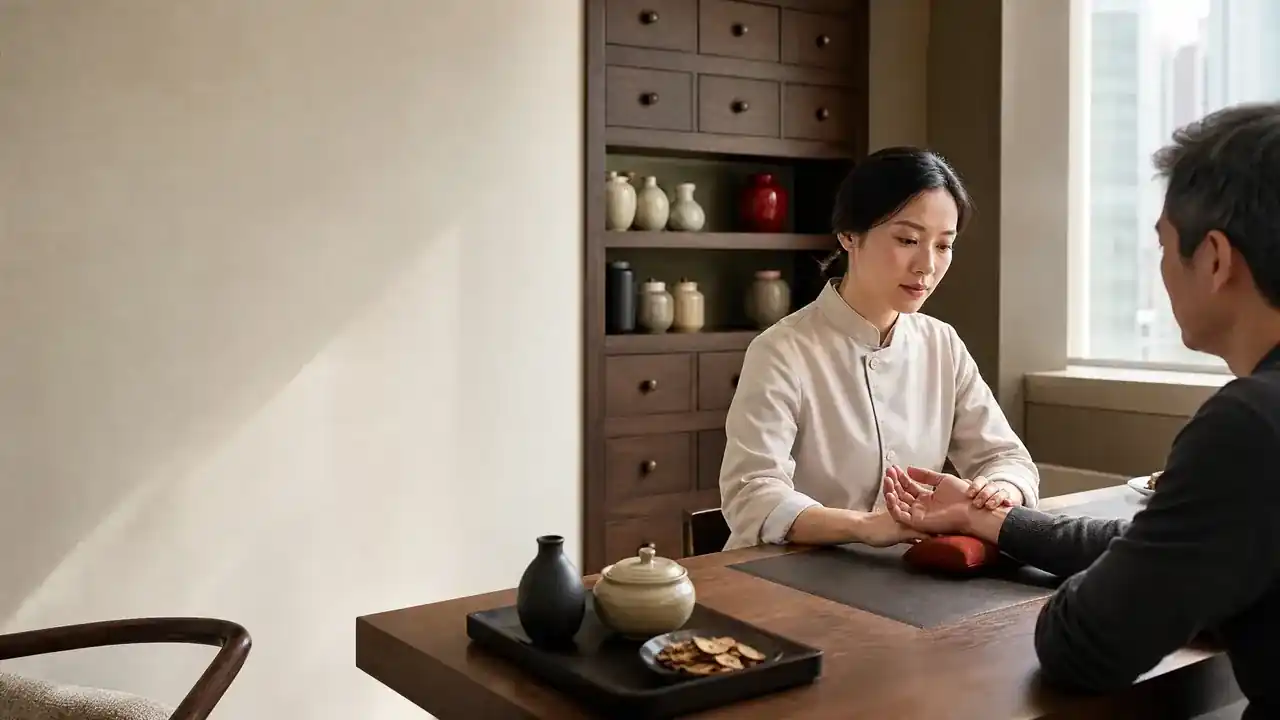
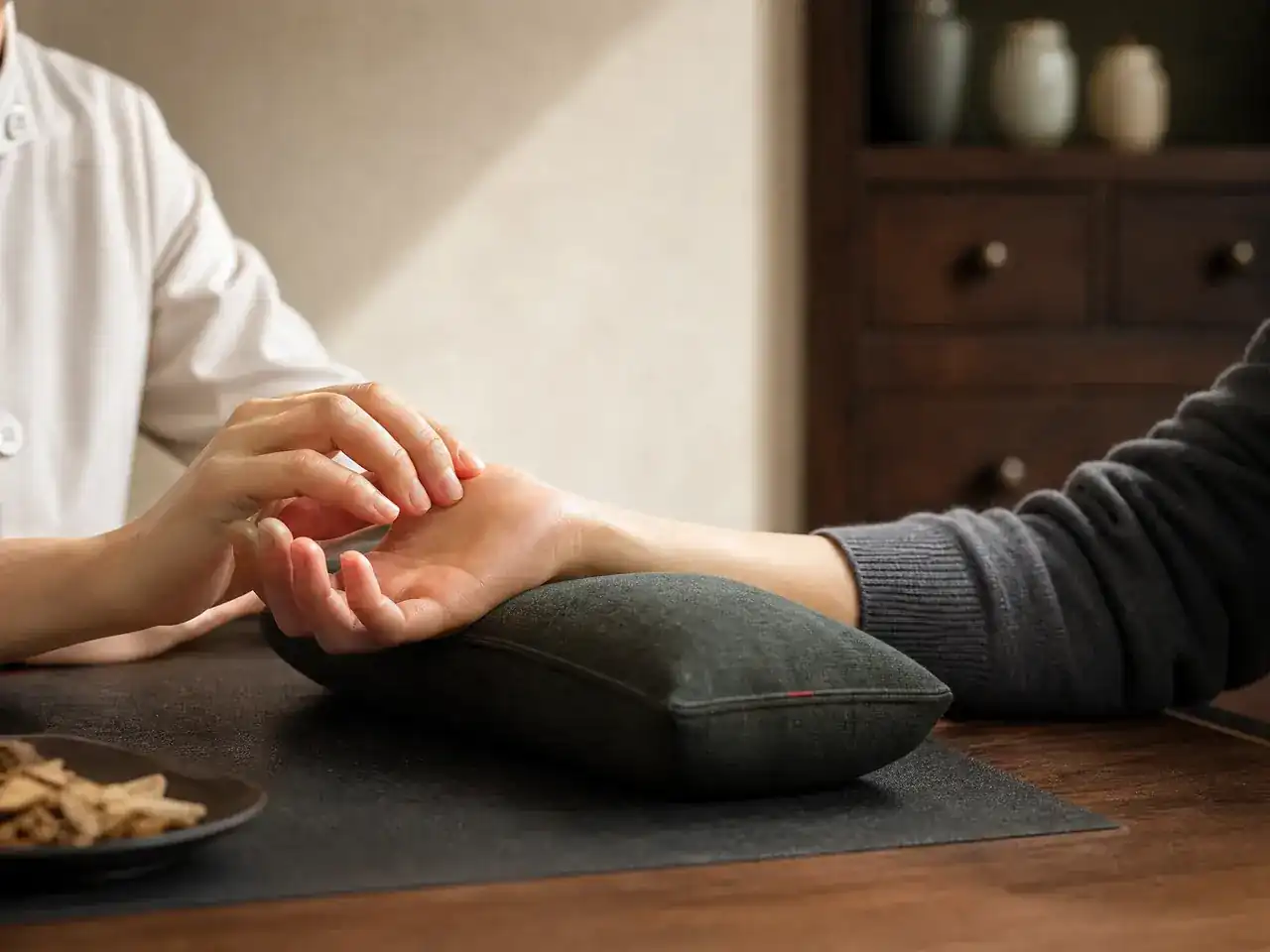
In Chinese medicine, the assessment of pain is not limited to the localized area of discomfort but emphasizes your overall constitutional state. Practitioners use four diagnostic methods—observation, listening and smelling, questioning, and pulse taking—to gather detailed information about your lifestyle, dietary preferences, sleep quality, and emotional state. This comprehensive approach helps identify underlying factors that may contribute to your pain and allows for the development of a support plan tailored to your individual needs.
During your initial consultation, the practitioner will spend considerable time discussing the onset, nature, triggering factors, and relieving conditions of your pain. Concurrently, they will observe your complexion and tongue, and examine your pulse to comprehensively determine your constitutional characteristics. This information is crucial for subsequent conditioning and support.
It is important to note that the results of a Chinese medicine assessment reflect your current constitutional state and do not constitute a Western medical disease diagnosis. The goal of Chinese medicine support is to harmonize your constitution and improve overall health, rather than to provide a definitive cure for a specific disease. Therefore, while undergoing a Chinese medicine assessment, you should still seek professional advice from a Western medical doctor if necessary.
Similar concerns can involve different symptoms, priorities and safety considerations. An assessment therefore considers your actual situation rather than relying on a service label alone.
Common Chinese Medicine Support Methods
Chinese medicine offers various common methods to support pain management, including herbal medicine, acupuncture, Tui Na (Chinese therapeutic massage), and cupping. Based on your specific condition, the practitioner will recommend a single or combined support plan. Herbal medicine primarily involves the internal consumption of prescribed herbs to harmonize Qi and blood and balance Yin and Yang. Acupuncture involves stimulating specific acupoints to clear meridians and alleviate discomfort.
Tui Na and cupping are also common adjunctive methods. Tui Na uses manual massage techniques to help relax muscles and improve local blood circulation. Cupping utilizes negative pressure to promote the local flow of Qi and blood. The selection and application of these methods require professional judgment by a registered Chinese medicine practitioner based on your constitution and the characteristics of your pain.
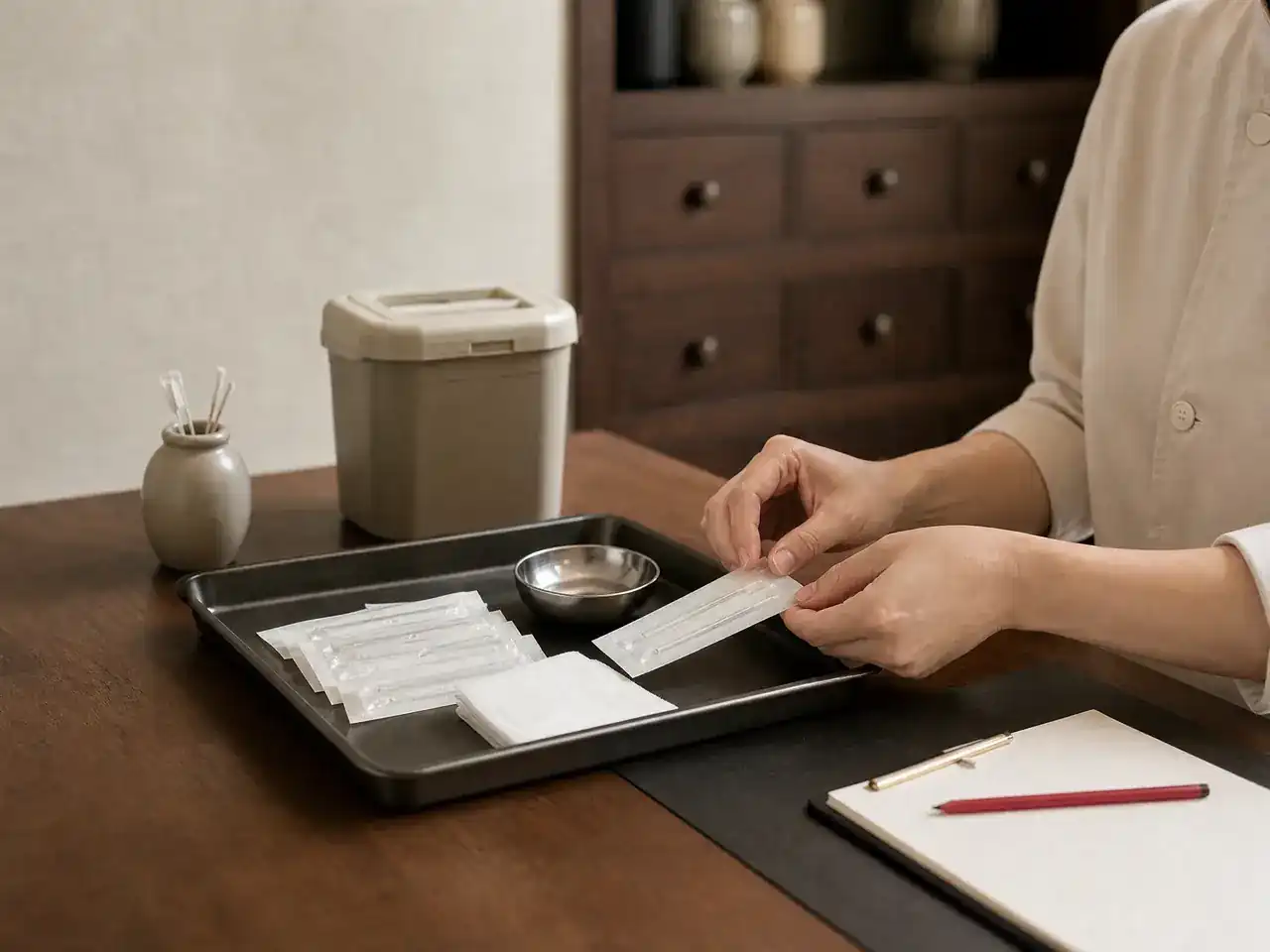
Before receiving any Chinese medicine support, the practitioner will explain in detail the principles, processes, and potential reactions associated with the recommended methods. You should fully understand and consent before proceeding. If you experience any discomfort during the process, you should immediately inform the practitioner so that the plan can be adjusted promptly.
Preparation and Considerations Before Your Visit
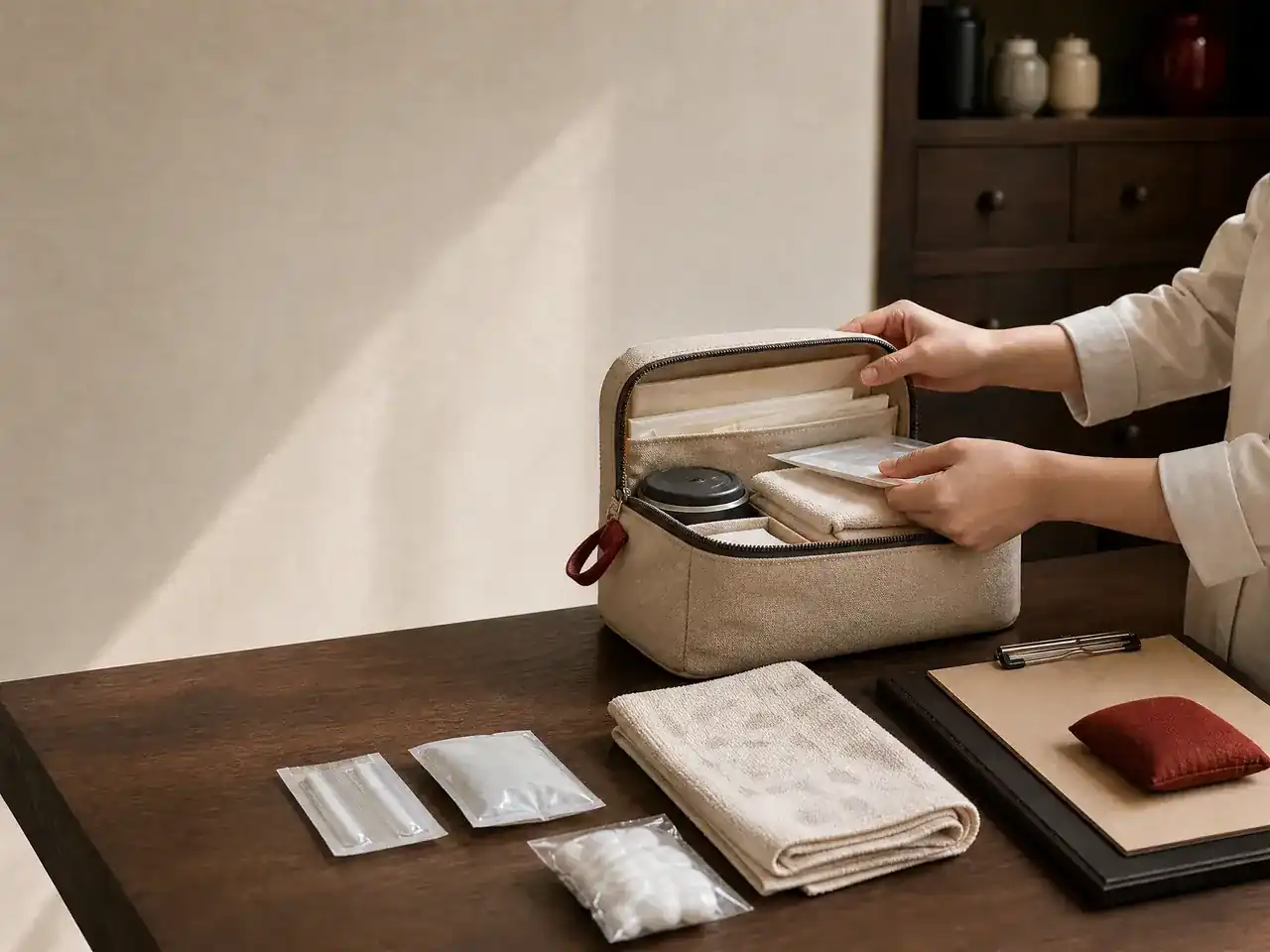
To enable the practitioner to assess your condition more accurately, there are some preparations and considerations before your visit. Firstly, it is recommended that you maintain your usual diet and routine before the consultation. Avoid excessive fatigue or consuming overly spicy or greasy foods, as these can affect the accuracy of your pulse and tongue presentation. Additionally, please wear loose and comfortable clothing to facilitate examination and assessment.
Secondly, please prepare your recent medical records, examination reports, and a list of medications you are currently taking. This information is highly beneficial for the practitioner to understand your overall health status. If you have any specific questions or concerns, you can also write them down in advance and raise them with the practitioner during the consultation.
Finally, please allocate sufficient time for your initial consultation. Because a Chinese medicine assessment requires a detailed understanding of various aspects of your condition, the first visit usually takes longer. Maintaining a relaxed mood and communicating fully with the practitioner will help establish a good doctor-patient relationship and ensure you receive the most appropriate support.
Collaborative Management Between Chinese and Western Medicine
In modern healthcare systems, Chinese and Western medicine can play a collaborative role in pain management. Western medicine has advantages in acute phase control, precise diagnosis, and surgical intervention, while Chinese medicine has unique strengths in chronic phase conditioning, constitutional improvement, and discomfort relief. Combining both approaches can provide patients with more comprehensive care.
If you are currently receiving Western medical treatment, please be sure to inform your Chinese medicine practitioner during your consultation, including any Western medications you are taking and your treatment plan. This helps the Chinese medicine practitioner avoid potential drug interactions when formulating a support plan, ensuring your safety. Similarly, you should also inform your Western medical doctor that you are receiving Chinese medicine conditioning.
Chinese medicine support plans should not replace conventional Western medical treatments, especially when dealing with severe or acute health issues. We encourage patients to reasonably utilize both Chinese and Western medical resources under the guidance of professional healthcare providers to achieve optimal health management outcomes.
Comparison of Chinese Medicine Pain Support Methods
Different Chinese medicine support methods have their own characteristics and applicable situations. The table below provides a comparison of common Chinese medicine support methods to help you gain an initial understanding of their differences. Please note that the specific choice of plan must be professionally assessed and recommended by a registered Chinese medicine practitioner based on your actual condition.
When selecting a support method, the practitioner will comprehensively consider your constitution, the nature of your pain, personal preferences, and past reactions. Sometimes, a combination of multiple methods can achieve better results. We are committed to providing you with clear and transparent information so that you can make informed decisions.
| Support Method | Primary Principle | Applicable Situations | Considerations |
|---|---|---|---|
| Herbal Medicine | Harmonizes Qi and blood, balances Yin and Yang | Overall constitutional imbalance, chronic discomfort | Must be taken regularly as prescribed; observe dietary restrictions |
| Acupuncture | Clears meridians, stimulates acupoints | Localized pain, blocked meridians | Requires special caution for pregnant women and those with bleeding disorders |
| Tui Na | Relaxes muscles, improves circulation | Muscle tension, restricted joint mobility | Not suitable during acute inflammation or on broken skin |
| Cupping | Promotes local flow of Qi and blood | Local Qi stagnation and blood stasis, muscle soreness | May leave temporary marks; use with caution on sensitive skin |
Scope and Limitations of Harmonia TCM Services
Harmonia TCM is dedicated to providing professional and reliable Chinese medicine services. Our only physical clinic is located in Kwun Tong, offering face-to-face Chinese medicine assessment and support for patients. The information provided here serves primarily as a reference for clinic visits and coverage areas, and does not imply that we have branches in other districts.
For certain special services, such as home visits, the current arrangements remain subject to confirmation. If you have such needs, please inquire through our contact channels, and we will provide the latest information and arrangements based on the actual situation. We do not pretend that all services are available for immediate booking, ensuring the accuracy and transparency of our information.
We deeply understand that every patient's needs are unique. At Harmonia TCM, we will provide you with appropriate Chinese medicine support with a calm and considerate attitude. If your condition falls outside our scope of service, we will honestly explain this to you and recommend that you seek other suitable medical resources.
Frequently asked questions
What should I prepare for my first visit?
For your first visit, it is recommended that you prepare recent medical records, examination reports, and a list of your current medications. Please wear loose, comfortable clothing and maintain your usual diet and routine. Allocate sufficient time for the practitioner to conduct a detailed assessment and communicate with you.
How does a Chinese medicine assessment differ from a Western medical diagnosis?
A Chinese medicine assessment primarily uses observation, listening, questioning, and pulse taking to understand your overall constitutional state and the underlying factors of your discomfort, aiming to harmonize your constitution. A Western medical diagnosis focuses on identifying specific disease causes and pathological changes. The perspectives differ but can complement each other.
Does acupuncture hurt? What are the risks?
You may feel a slight prickling or aching sensation during acupuncture, which most people find acceptable. Common risks include mild localized bruising or bleeding, which usually resolve on their own. When performed by a qualified registered Chinese medicine practitioner, acupuncture is relatively safe.
Do I need to follow dietary restrictions while taking Chinese herbal medicine?
While taking Chinese herbal medicine, practitioners usually recommend avoiding raw, cold, spicy, greasy, or hard-to-digest foods to prevent affecting the efficacy of the medicine or increasing the burden on your digestive system. Specific dietary advice will vary based on your constitution and the herbs prescribed.
How long does it take for Chinese medicine support to show results?
The time it takes to see results varies from person to person, depending on your constitution, the nature of your pain, and its severity. Generally, acute discomfort may be relieved in the short term, while chronic issues require a longer period of conditioning. The practitioner will provide you with reasonable expectations after the assessment.
Does Harmonia TCM have branches in other districts?
Harmonia TCM's only physical clinic is located in Kwun Tong. We currently do not have branches in other districts. the information here serves primarily as a reference for clinic visits and coverage areas. If you require home visit services, please contact us to inquire about the latest arrangements.
Related topics
Sources
Ready to Understand Your Constitution and Pain Condition?
If you have further questions about our Chinese medicine FAQ or wish to schedule a detailed assessment, please feel free to contact us. The professional team at Harmonia TCM is dedicated to providing you with clear information and appropriate support.