Treatments
Pain Massage
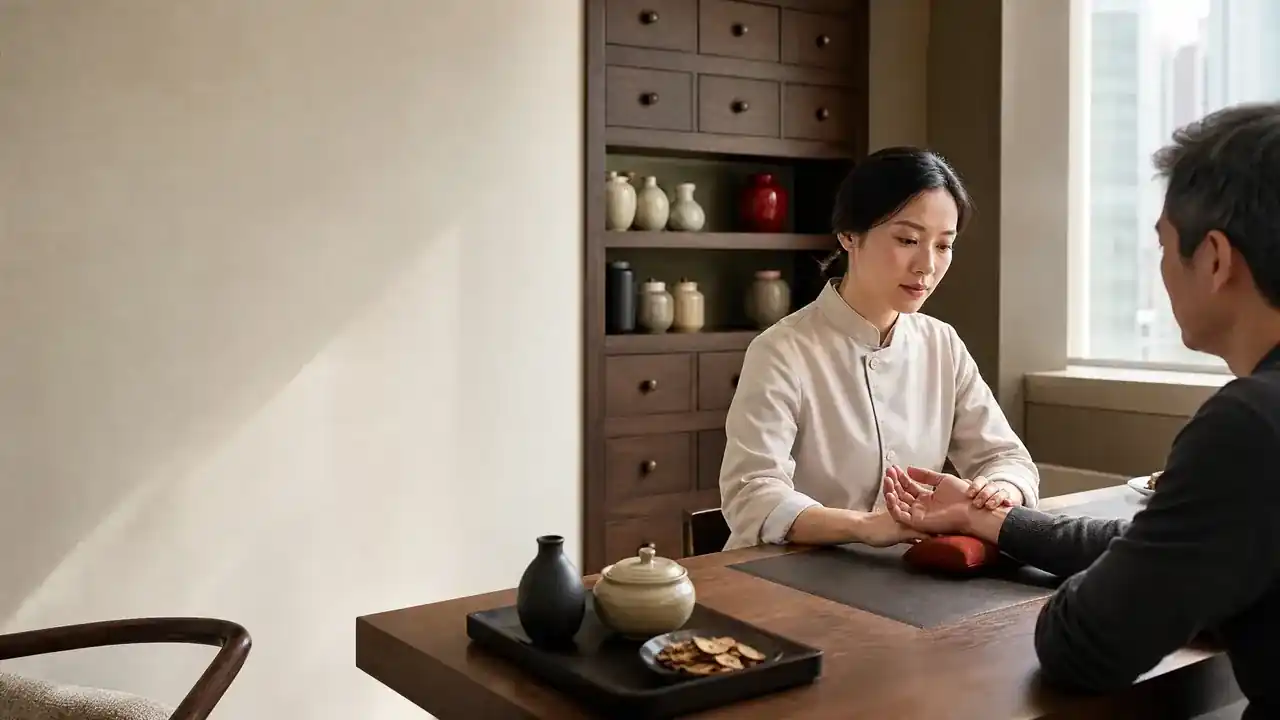
Pain massage aims to soothe discomfort caused by muscle tension, strain, or poor posture through targeted techniques. At Harmonia TCM, our Chinese medicine practitioners will assess your specific condition to determine if therapeutic massage or myofascial release is suitable for you, and develop a personalized care plan to help restore your body's balance and comfort.
Quick answer: Pain massage is a care technique targeting muscle and fascial tension. Through methods like therapeutic massage, it aims to soothe local discomfort. An assessment by a Chinese medicine practitioner is required beforehand to ensure it is suitable for your physical condition.
CLEAR PRICES
Interested in a treatment? You are always welcome to ask.
We clearly list our current single, trial and package prices so you can explore at your own pace. You are always welcome to message us on WhatsApp about any service, timing or arrangement.
| Category and service | Content / terms | Public price (HK$) | Booking note | Enquire |
|---|---|---|---|---|
| Hair & scalp | Scalp health and hair-loss support | AI scalp analysis, deep follicle cleansing and oil-control support | Trial offerPackageTrial 380; 6 sessions 3,480; 12 sessions 5,760; 20 sessions 8,600; 30 sessions 11,400 | Average per session for 6/12/20/30: 580/480/430/380 | Ask on WhatsApp |
| Hair & scalp | Hair acupuncture with herbal medicine | Scalp acupuncture with 3 days of decoction-free herbal medicine | Single visitPackageSingle 580; 6 sessions 3,180; 12 sessions 5,760; 20 sessions 8,600; 30 sessions 11,400 | Average per session for 6/12/20/30: 530/480/430/380 | Ask on WhatsApp |
| Hair & scalp | Integrated hair support programme | Acupuncture, herbal medicine and follicle activation; packages include shampoo and serum | Single visitPackageSingle 1,260; 8 sessions 8,640; 16 sessions 15,680; 20 sessions 18,600; 30 sessions 26,400 | Average per session for 8/16/20/30: 1,080/980/930/880 | Ask on WhatsApp |
| Weight management | Full-body acupoint embedding | Full-body acupoint embedding; packages include proportionate days of herbal support | Single visitPackageSingle 980; 10 sessions 7,800; 20 sessions 14,600; 30 sessions 20,400 | Average per session for 10/20/30: 780/730/680 | Ask on WhatsApp |
| Facial acupuncture | Brightening V-face (Essential) | Facial acupuncture, meridian support and swelling management | Trial offerPackageTrial 480; 10 sessions 5,200; 20 sessions 9,600; 30 sessions 13,500 | Average per session for 10/20/30: 520/480/450 | Ask on WhatsApp |
| Facial acupuncture | Firming and refining (Advanced) | Enhanced facial acupuncture for firmness and fine-line concerns with a moisturising mask serum | Trial offerPackageTrial 780; 10 sessions 9,000; 20 sessions 16,600; 30 sessions 23,400 | Average per session for 10/20/30: 900/830/780 | Ask on WhatsApp |
| Pain care | Extracorporeal shockwave therapy | Deep inflammation support and fascial relaxation | Prince Edward: 250 per area; Kwun Tong: 250 for 1 area, 450 for 2, 600 for 3 | Clinic-specific pricing; confirm location before booking | Ask on WhatsApp |
| Pain care | Manual therapy | TCM bone-injury assessment, manual alignment and tui na techniques | Single visitSingle 580 | Suitability is confirmed after assessment | Ask on WhatsApp |
| Pain care | Acupuncture with manual therapy | Acupuncture with manual structural support | Single visitSingle 680 | Suitability is confirmed after assessment | Ask on WhatsApp |
| TCM regulation | Acupuncture with herbal medicine | TCM consultation, whole-body acupuncture and 3 days of decoction-free herbal medicine granules | Single visitSingle 580 | Confirm clinician availability and service arrangement when booking | Ask on WhatsApp |
Principles and Applications of Pain Massage
Pain massage primarily targets muscle tension and discomfort caused by daily strain, poor posture, or overexertion. This care technique is not just about superficial relaxation; it focuses on addressing the tension in deep muscles and fascia. Through specific pressing and manipulation techniques, it aims to promote local blood circulation and help soothe tense tissues. In modern life, many people experience prolonged high tension in the muscles of the neck, shoulders, back, and lower back due to long hours working at a computer, frequent use of smartphones, or a lack of proper stretching exercises. These poor lifestyle habits are often common causes of chronic muscle discomfort. Pain massage specifically addresses these issues, providing a non-invasive care option.
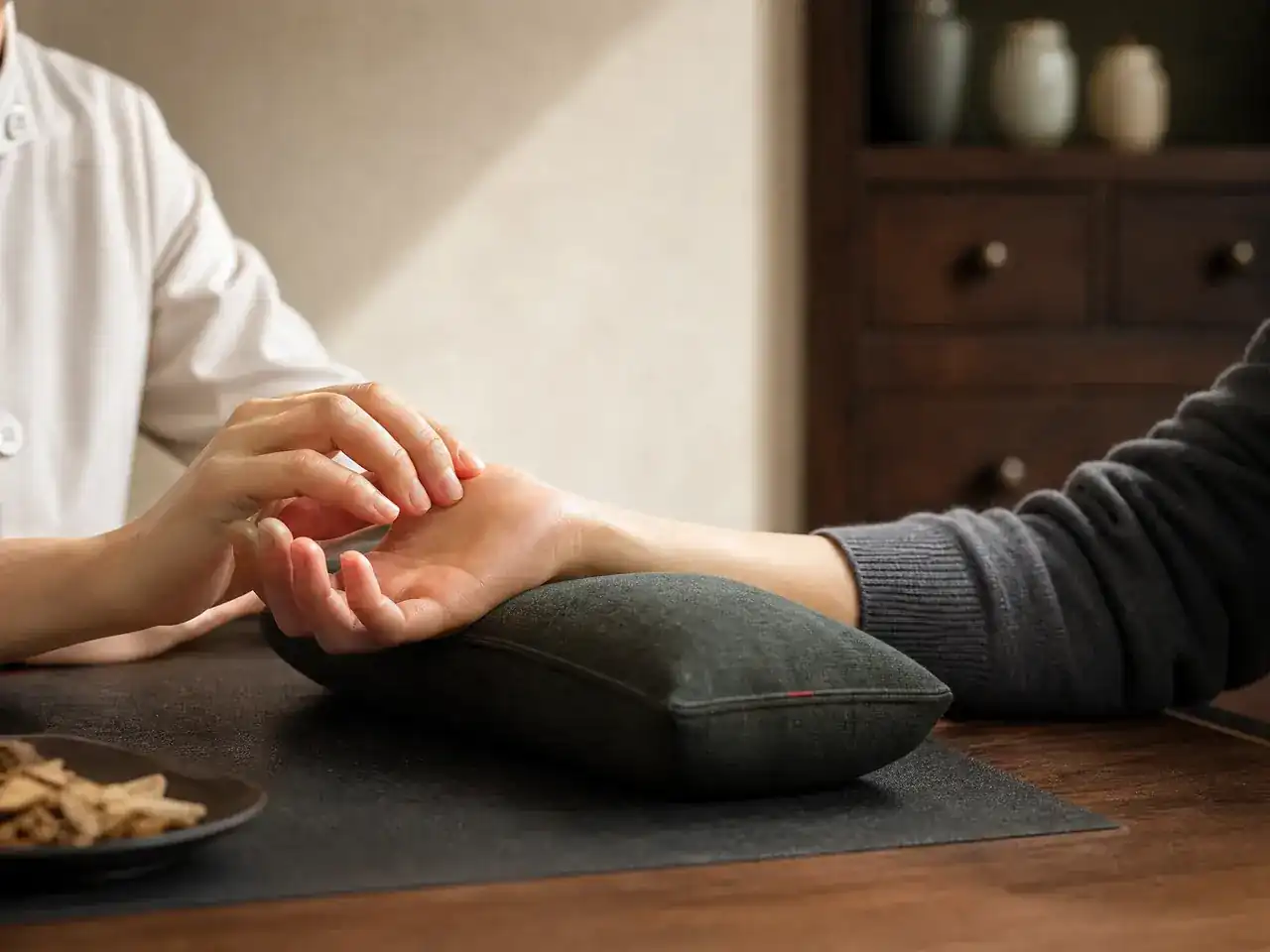
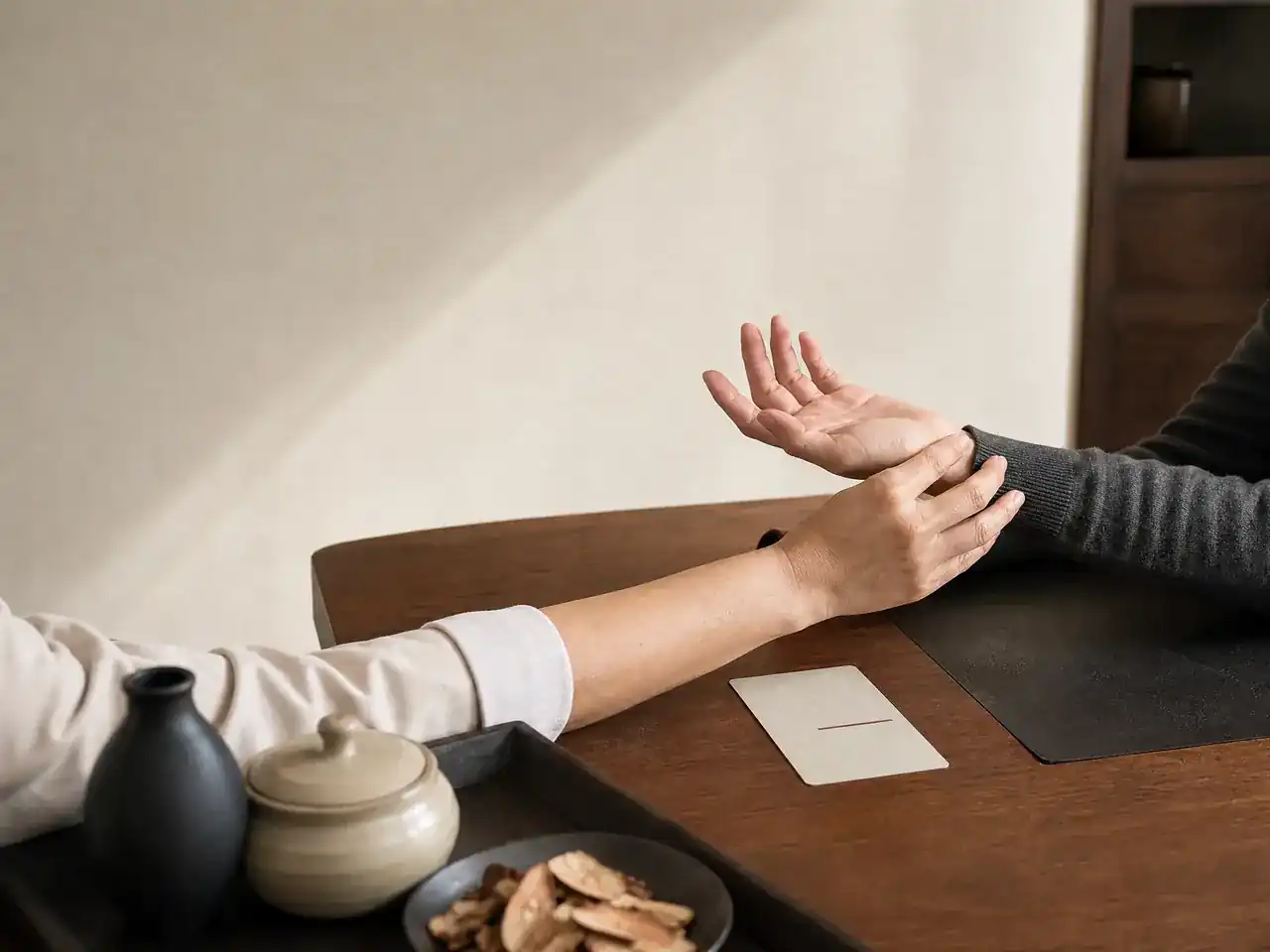
At Harmonia TCM, we understand that the source of discomfort varies for each individual. Therefore, before performing a pain massage, our Chinese medicine practitioners will conduct a detailed assessment to understand your lifestyle habits, as well as the location and severity of your pain. This helps us determine whether specific techniques like therapeutic massage or myofascial release are appropriate, thereby providing more targeted care. The practitioner will carefully palpate to find nodules or trigger points in the muscles and, based on these findings, develop a massage plan that best suits your current physical condition. We believe that only through precise assessment can the effectiveness and safety of the massage techniques be ensured.
The Role of Therapeutic Massage
Therapeutic massage is a technique that focuses on the deeper layers of muscles and fascia. When muscles are in a prolonged state of tension, local nodules or adhesions may form, which can not only cause discomfort but also limit the range of motion of joints. Therapeutic massage uses deeper and slower pressure, aiming to gradually release these tense areas. This technique is usually performed along the direction of the muscle fibers to help restore the normal elasticity and length of the muscles. For those who engage in long-term physical labor, high-intensity athletes, or individuals suffering from chronic muscle strain, therapeutic massage may be a suitable care option.
During this procedure, you may experience a certain degree of soreness, as the deeper tissues are being accessed and treated. However, this sensation is usually within an acceptable range, and many people feel local relaxation and relief after the massage. The practitioner will adjust the pressure at any time based on your tolerance to ensure the process is safe and comfortable. We emphasize that communication during the massage process is very important. If you feel unbearable pain at any time, you should inform the practitioner immediately so that we can adjust the technique in a timely manner to avoid unnecessary muscle damage.
Characteristics of Myofascial Release
Myofascia is a layer of connective tissue that wraps around muscles, bones, and organs. When the body is injured, inflamed, or subjected to prolonged poor posture, the myofascia can become tense, which in turn affects the function of surrounding muscles. Myofascial release techniques aim to help restore the elasticity and glide of the fascia through sustained and gentle pressure. The fascial system forms a continuous network in the human body; therefore, fascial tension in one area may lead to compensatory discomfort in other parts of the body. Myofascial release not only focuses on the local area of pain but also looks at the overall fascial balance.
Unlike traditional massage techniques, myofascial release usually does not require the use of a large amount of massage oil. Instead, it relies on the friction between the practitioner's hands and the patient's skin to precisely locate and treat the tense points in the fascia. This technique helps improve overall mobility and alleviate discomfort caused by fascial tension. When performing myofascial release, the practitioner will use their fingers, palms, or even elbows to apply steady and sustained pressure until they feel the fascial tissue relax and stretch. This process may take a longer time, but it often brings positive help in improving chronic fascial restrictions.
Differences Between Pain Massage and General Relaxation Massage
Many people may confuse pain massage with general spa or relaxation massages. While both can bring a sense of relaxation, their purposes and techniques differ significantly. General relaxation massage primarily focuses on soothing mental stress, using gentler techniques aimed at promoting overall relaxation and comfort. This type of massage usually uses a large amount of massage oil, combined with flowing manipulation movements, making it suitable as a way to reward and relax oneself after a tiring day.
In contrast, pain massage is much more targeted. It usually requires a detailed physical assessment first to identify the specific causes and locations of the discomfort. During the process, various techniques such as therapeutic massage and myofascial release may be combined to achieve the goal of soothing tension in specific areas. Therefore, pain massage leans more towards a functional type of care. It is not just about making you feel comfortable in the moment, but more about helping to improve the state of your muscles and fascia, thereby enhancing your quality of life and mobility in daily activities.
Comparison of Different Massage Techniques
To help you better understand the characteristics of different massage techniques, we have compiled the following comparison table. This can assist you in better expressing your needs and expectations when discussing with the Chinese medicine practitioner. Please note that the specific care plan still needs to be determined by the practitioner based on your actual condition. Each technique has its unique advantages and scope of application, and the practitioner will choose the most suitable combination of techniques for you based on your specific discomfort, constitution, and acceptance of massage pressure.
| Technique Name | Primary Goal | Applicable Situations | Technique Characteristics |
|---|---|---|---|
| Therapeutic Massage | Address tension in deep muscles and fascia | Chronic muscle strain, local nodules | Deep, slow pressure |
| Myofascial Release | Restore elasticity and glide of fascia | Fascial tension, restricted mobility | Sustained, gentle pressure, minimal oil |
| General Relaxation Massage | Soothe mental stress, promote overall relaxation | Daily fatigue, high stress | Gentle, flowing manipulation |
| Acupressure | Stimulate specific acupoints, harmonize meridians | Overall constitution adjustment, specific discomforts | Precise pressure on acupoints |
Applicability and Limitations of Pain Massage
While pain massage can be helpful in soothing muscle tension, it is not suitable for all situations. For example, when there is acute inflammation, redness, swelling, heat, and pain locally, or if there are unhealed wounds, massage in that area should be avoided. Additionally, individuals with certain specific conditions (such as severe osteoporosis, blood coagulation disorders, deep vein thrombosis, etc.) must consult a professional healthcare provider before undergoing any form of massage. For pregnant women, certain specific acupoints and massage techniques are contraindicated, so they must be assessed and operated by a Chinese medicine practitioner with relevant knowledge.
Before performing a pain massage, the Chinese medicine practitioners at Harmonia TCM will carefully review your medical history and current physical condition. This is not only to ensure the safety of the care but also to develop the most suitable plan for you. If you feel any discomfort during the massage, you should inform the practitioner immediately so that the technique can be adjusted or the care paused in a timely manner. We always put your safety and health first and are committed to providing professional and prudent care services.
Comprehensive Care in Conjunction with Other TCM Therapies
In the concept of Traditional Chinese Medicine, physical discomfort is often the result of a combination of multiple factors. Therefore, a single pain massage may not be able to completely resolve all issues. In some cases, the practitioner may recommend combining pain massage with other TCM therapies (such as acupuncture, cupping, or herbal medicine conditioning) to achieve a more comprehensive care effect. This comprehensive care approach can intervene from multiple levels to help the body restore balance.
For instance, for muscle tension caused by cold and dampness, cupping may be applied after the massage to help dispel the cold and dampness; whereas for soreness caused by a deficiency of Qi and blood, herbal medicine conditioning may be needed to improve the constitution from within. Acupuncture can further harmonize the meridians by stimulating specific acupoints, enhancing the soothing effect of the massage. This comprehensive care plan aims to help you restore your body's balance from multiple angles and improve your overall health status.
Frequently asked questions
Will the pain massage process be very painful?
You may feel a certain degree of soreness when undergoing therapeutic massage or when tense myofascia is being treated. However, this sensation should be within a tolerable range. The practitioner will communicate with you constantly and adjust the pressure based on your reactions to ensure the process is safe and comfortable.
How many sessions of pain massage do I need to see results?
This depends on the severity and duration of your discomfort, as well as your individual physical response. Some people may feel relief after just one massage, while chronic muscle strain may require multiple sessions of care. The practitioner will provide you with preliminary recommendations after the assessment.
What should I pay attention to after a pain massage?
It is recommended to drink plenty of warm water after the massage to promote the body's metabolism. At the same time, you should avoid immediate strenuous exercise to give your muscles ample time to rest and recover. If you feel mild soreness, you can consider gentle stretching or applying a warm compress.
Can pregnant women undergo pain massage?
Pregnant women must consult a professional healthcare provider before undergoing any form of massage. Certain acupoints or massage techniques are contraindicated during pregnancy. If you have a need, please be sure to inform the practitioner of your pregnancy status so that we can assess whether specific care is suitable.
Can pain massage completely cure my pain?
Pain massage primarily aims to soothe muscle tension and discomfort, and cannot guarantee a complete cure for all types of pain. For some pain caused by structural issues or underlying diseases, it may be necessary to combine it with other medical treatments. The practitioner will provide comprehensive advice based on your condition.
Can I still have a pain massage if I am taking painkillers?
Taking painkillers may reduce your sensitivity to pain, which could affect the practitioner's judgment of your reactions during the massage process. Please inform the practitioner during the assessment about the medications you are taking so that we can take appropriate preventive measures.
Related topics
Sources
Learn More About Pain Massage
If you have any questions about pain massage or wish to know if it is suitable for your physical condition, please feel free to contact us. Harmonia TCM's only physical clinic is located in Kwun Tong. This information is intended as general guidance, and actual arrangements must be confirmed by a registered Chinese medicine practitioner.