TCM Care
Facial Paralysis (TCM)
Facial paralysis, such as Bell's palsy, can significantly impact your daily life. Through TCM for facial paralysis, we aim to evaluate your overall constitution and explore suitable care plans to help restore balance and support your recovery journey.
Quick answer: TCM for facial paralysis primarily involves acupuncture, herbal medicine, and targeted therapies to assess and manage the condition. From a Traditional Chinese Medicine perspective, facial paralysis is often linked to a deficiency in vital energy, allowing wind-cold or wind-heat to affect the facial meridians. Treatment focuses on expelling wind, unblocking meridians, and restoring harmony. Suitability varies, and a registered TCM practitioner must confirm all treatment plans based on your specific needs.
View pricesInquire About Assessment
CLEAR PRICES
Interested in a treatment? You are always welcome to ask.
We clearly list our current single, trial and package prices so you can explore at your own pace. You are always welcome to message us on WhatsApp about any service, timing or arrangement.
| Category and service | Content / terms | Public price (HK$) | Booking note | Enquire |
|---|---|---|---|---|
| Hair & scalp | Scalp health and hair-loss support | AI scalp analysis, deep follicle cleansing and oil-control support | Trial offerPackageTrial 380; 6 sessions 3,480; 12 sessions 5,760; 20 sessions 8,600; 30 sessions 11,400 | Average per session for 6/12/20/30: 580/480/430/380 | Ask on WhatsApp |
| Hair & scalp | Hair acupuncture with herbal medicine | Scalp acupuncture with 3 days of decoction-free herbal medicine | Single visitPackageSingle 580; 6 sessions 3,180; 12 sessions 5,760; 20 sessions 8,600; 30 sessions 11,400 | Average per session for 6/12/20/30: 530/480/430/380 | Ask on WhatsApp |
| Hair & scalp | Integrated hair support programme | Acupuncture, herbal medicine and follicle activation; packages include shampoo and serum | Single visitPackageSingle 1,260; 8 sessions 8,640; 16 sessions 15,680; 20 sessions 18,600; 30 sessions 26,400 | Average per session for 8/16/20/30: 1,080/980/930/880 | Ask on WhatsApp |
| Weight management | Full-body acupoint embedding | Full-body acupoint embedding; packages include proportionate days of herbal support | Single visitPackageSingle 980; 10 sessions 7,800; 20 sessions 14,600; 30 sessions 20,400 | Average per session for 10/20/30: 780/730/680 | Ask on WhatsApp |
| Facial acupuncture | Brightening V-face (Essential) | Facial acupuncture, meridian support and swelling management | Trial offerPackageTrial 480; 10 sessions 5,200; 20 sessions 9,600; 30 sessions 13,500 | Average per session for 10/20/30: 520/480/450 | Ask on WhatsApp |
| Facial acupuncture | Firming and refining (Advanced) | Enhanced facial acupuncture for firmness and fine-line concerns with a moisturising mask serum | Trial offerPackageTrial 780; 10 sessions 9,000; 20 sessions 16,600; 30 sessions 23,400 | Average per session for 10/20/30: 900/830/780 | Ask on WhatsApp |
| Pain care | Extracorporeal shockwave therapy | Deep inflammation support and fascial relaxation | Prince Edward: 250 per area; Kwun Tong: 250 for 1 area, 450 for 2, 600 for 3 | Clinic-specific pricing; confirm location before booking | Ask on WhatsApp |
| Pain care | Manual therapy | TCM bone-injury assessment, manual alignment and tui na techniques | Single visitSingle 580 | Suitability is confirmed after assessment | Ask on WhatsApp |
| Pain care | Acupuncture with manual therapy | Acupuncture with manual structural support | Single visitSingle 680 | Suitability is confirmed after assessment | Ask on WhatsApp |
| TCM regulation | Acupuncture with herbal medicine | TCM consultation, whole-body acupuncture and 3 days of decoction-free herbal medicine granules | Single visitSingle 580 | Confirm clinician availability and service arrangement when booking | Ask on WhatsApp |
Understanding Facial Paralysis from a TCM Perspective
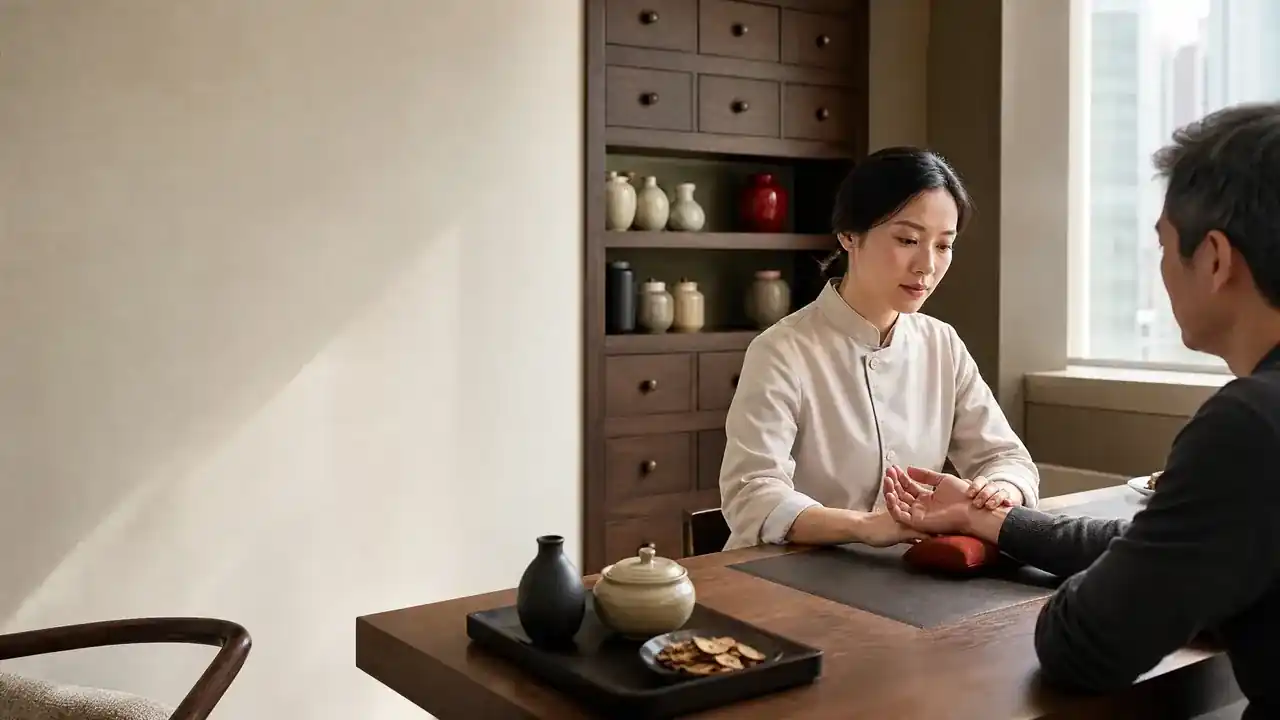
Facial paralysis, commonly diagnosed medically as Bell's palsy, is a condition characterized by sudden weakness or paralysis of the facial muscles. Individuals experiencing this may find it difficult to smile, close their eyes, or control facial expressions, often accompanied by drooling or changes in taste. This abrupt onset of facial paralysis not only alters one's appearance but also imposes significant psychological stress and disrupts daily activities. When considering TCM for facial paralysis, a practitioner will first conduct a detailed consultation to understand the onset and specific symptoms to thoroughly assess the condition.
From the viewpoint of Traditional Chinese Medicine, facial paralysis is often categorized under conditions like "deviated mouth and eye." TCM theory suggests that when the body's vital energy (Qi) is deficient and its defensive capabilities are weakened, external pathogenic factors—such as wind-cold or wind-heat—can easily invade the facial meridians. This invasion disrupts the normal flow of Qi and blood, depriving the facial muscles and nerves of necessary nourishment, which leads to muscle flaccidity and paralysis. Therefore, the core strategy of TCM for facial paralysis revolves around strengthening the body's resistance, expelling pathogenic wind, and unblocking the meridians to create a favorable physiological environment for nerve and muscle recovery.
Common Approaches in TCM for Facial Paralysis
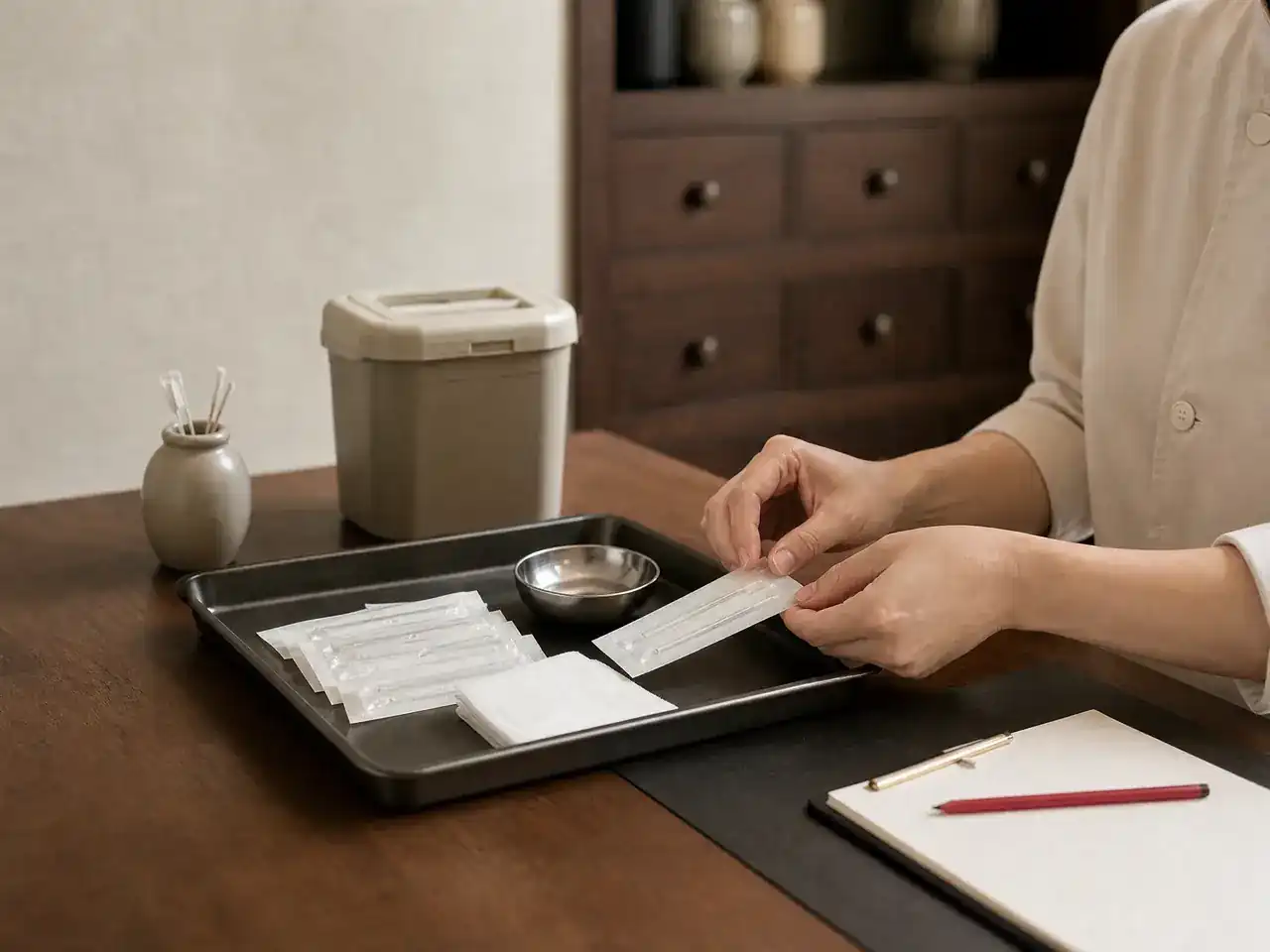
Acupuncture is one of the most widely discussed and utilized modalities in TCM for facial paralysis. By stimulating specific acupoints on the face and body, acupuncture aims to promote local blood circulation and clear blockages within the meridians. A registered TCM practitioner will select different combinations of acupoints and manipulation techniques depending on whether the patient is in the acute, recovery, or sequelae stage of facial paralysis. For instance, during the acute stage, gentle stimulation may be preferred to expel pathogenic wind, whereas in the recovery stage, stronger stimulation might be applied to tonify Qi and blood and nourish the tendons.
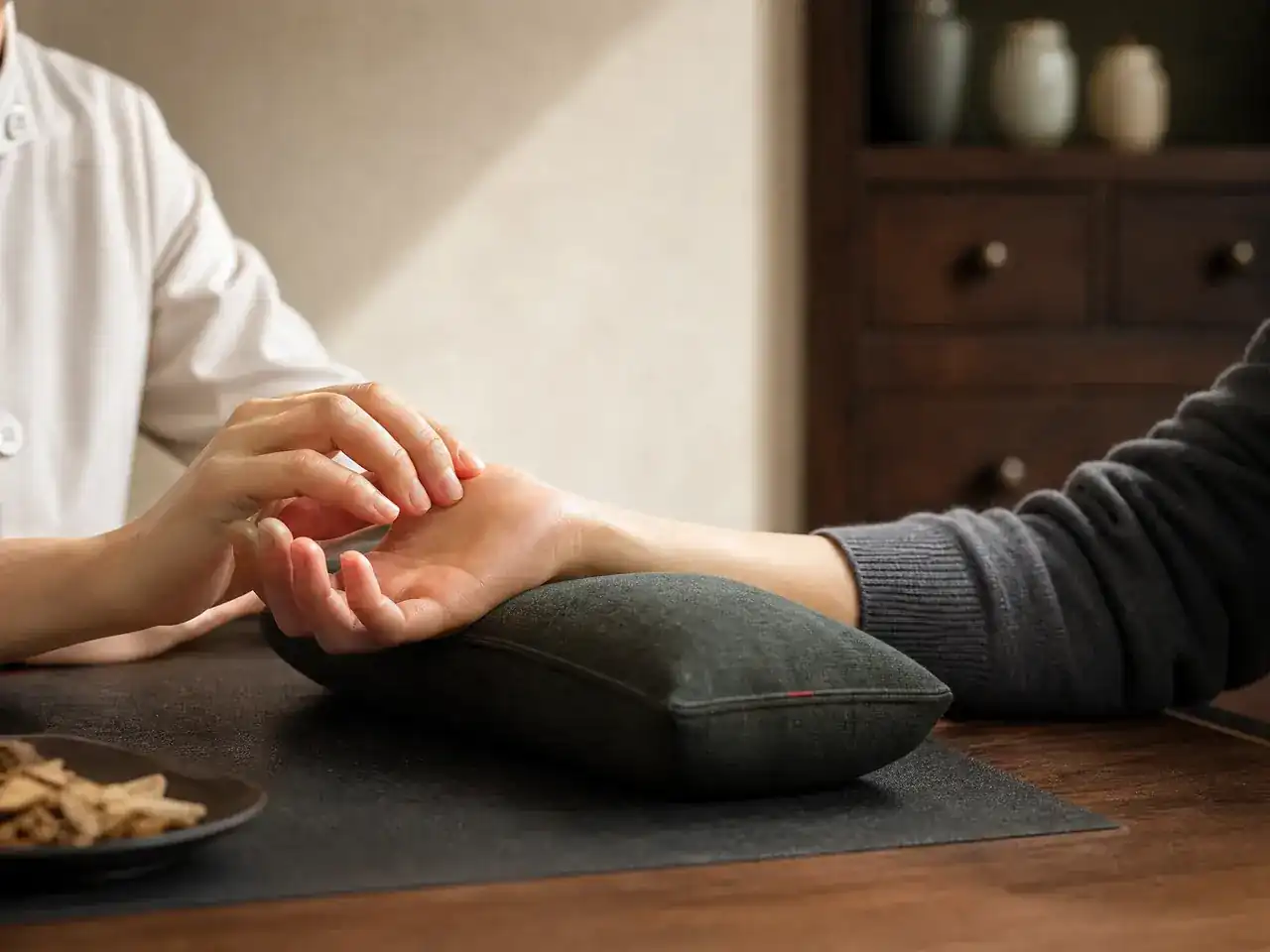
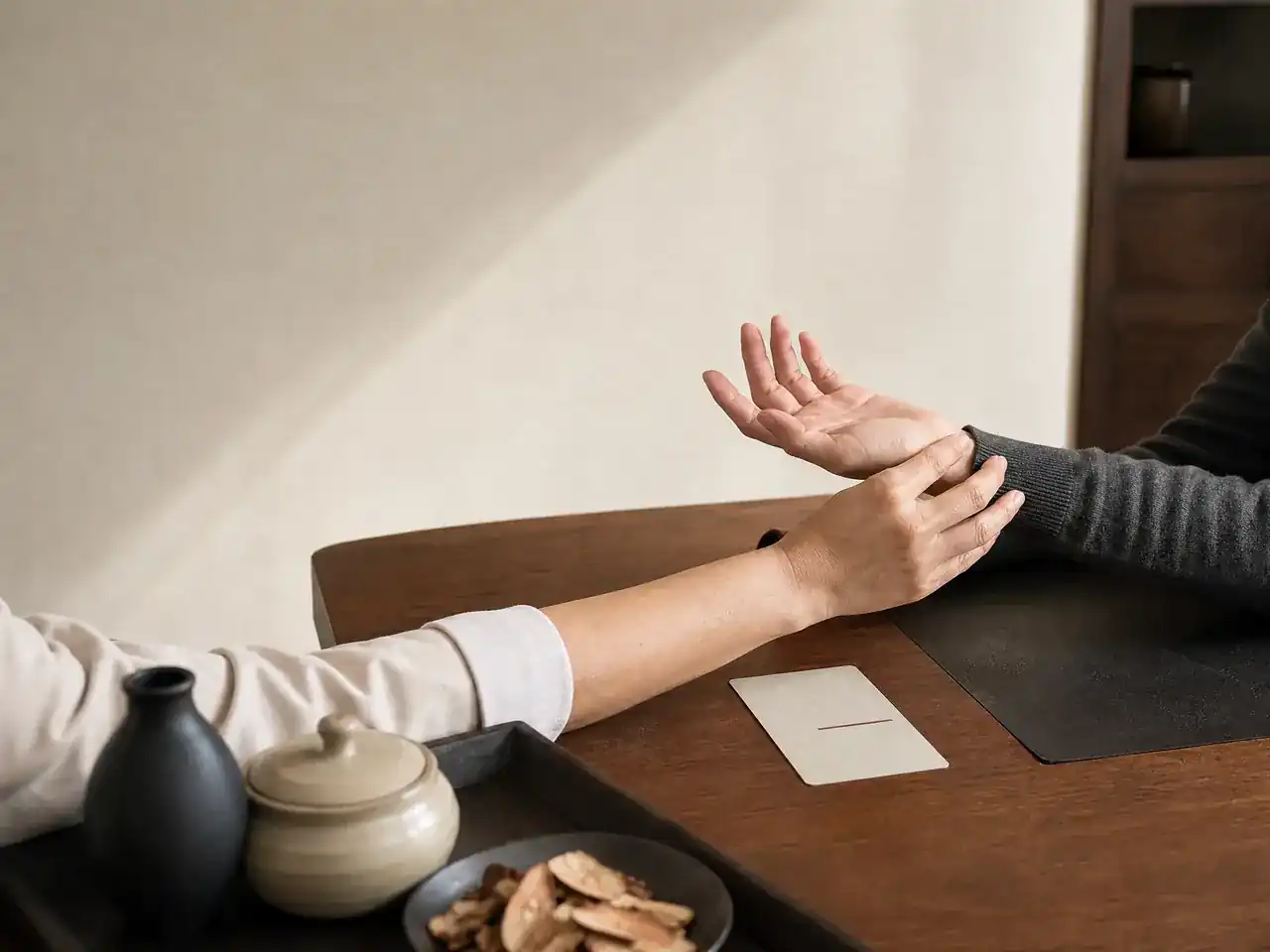
In addition to acupuncture, the internal administration of Chinese herbal medicine is a crucial component of TCM for facial paralysis. Through the four diagnostic methods—observation, auscultation and olfaction, inquiry, and pulse-taking—the practitioner identifies the patient's unique constitution and syndrome type. If the condition is attributed to wind-cold invading the meridians, herbs that dispel wind, scatter cold, and warm the channels may be prescribed. Conversely, if wind-heat or a deficiency of Qi and blood is identified, the herbal formula will be adjusted accordingly. In some cases, the practitioner may also recommend complementary therapies such as cupping, Tui Na (Chinese therapeutic massage), or specific facial exercises to provide multi-faceted support for the recovery from facial paralysis.
Stages of Facial Paralysis and TCM Strategies
The progression of facial paralysis typically unfolds in distinct stages, and the strategies employed in TCM for facial paralysis are adapted accordingly. During the initial acute stage (usually within the first one to two weeks of onset), the condition may still be developing. At this point, the primary focus of TCM care is to control the spread of pathogenic factors and reduce local inflammation and edema. The practitioner will closely monitor symptom changes and may advise the patient to keep their face warm and avoid direct exposure to wind.
As the patient enters the recovery stage, the symptoms of facial paralysis generally stabilize and begin to show signs of improvement. The focus of TCM for facial paralysis then shifts towards tonifying the vital energy and invigorating blood circulation to facilitate the repair of damaged nerves and the restoration of muscle function. If the condition persists into the sequelae stage, the complexity of treatment increases, and TCM care becomes more oriented towards long-term constitutional improvement and maintaining local function. The table below outlines the common TCM strategies across different stages:
| Stage | Timeframe | TCM Pathology Characteristics | Care Direction and Goals |
|---|---|---|---|
| Acute Stage | 1-2 weeks post-onset | Initial invasion of wind, blockage of Qi and blood in meridians | Expel wind, unblock meridians, control progression |
| Recovery Stage | 2 weeks to several months | Pathogens receding, vital energy recovering, poor circulation | Strengthen resistance, invigorate blood, promote functional recovery |
| Sequelae Stage | Several months or longer | Deficiency of Qi and blood, malnourished meridians, possible blood stasis | Tonify Qi and blood, nourish tendons, improve local microcirculation |
The Importance of Assessment and Personalized Plans
Every patient experiencing facial paralysis has a unique set of circumstances, constitutional background, and response to treatment. Consequently, TCM for facial paralysis emphasizes a highly personalized approach. At Harmonia TCM, we understand that a standardized protocol cannot meet everyone's needs. A registered TCM practitioner will conduct a comprehensive assessment for each individual, focusing not only on the localized symptoms of facial paralysis but also considering the patient's overall health status, lifestyle habits, and potential stress factors.
Through detailed consultations, the practitioner will collaborate with the patient to explore the most appropriate care plan. This may involve recommendations on the frequency of acupuncture sessions, adjustments to herbal prescriptions, and guidance on daily self-care. We encourage patients to maintain open communication throughout the process, sharing any physical changes or concerns so that the practitioner can adjust the strategy promptly. Please note that the information provided here is intended as general guidance. The actual treatment arrangements, suitability for specific therapies, and associated risks must be confirmed by a registered TCM practitioner following an in-person evaluation.
Clinic Location and Service Coverage
When seeking TCM for facial paralysis, understanding how and where services are provided is essential. Harmonia TCM currently operates its only physical clinic in Kwun Tong, where we offer professional TCM consultations and treatments. The various TCM care plans and service scopes described here serve primarily as reference information for in-clinic visits or specific home visit coverage. This does not imply that we have branch clinics in other districts.
We recognize that facial paralysis can cause significant inconvenience, particularly regarding mobility and travel. For patients with limited mobility or special needs, we may explore the feasibility of providing home consultations or treatments after a thorough assessment. However, such special arrangements are strictly subject to actual circumstances, resource availability, and the professional judgment of the TCM practitioner. All final confirmations and arrangements for services will be based on direct communication with the clinic. We are committed to providing the most appropriate support within our capacity.
Daily Care and Lifestyle Adjustments
In conjunction with professional TCM for facial paralysis, a patient's daily self-care plays a pivotal role in the recovery process. Facial paralysis often affects the ability to close the eye fully, leading to dryness and potential damage to the cornea. Therefore, patients must pay special attention to eye protection, such as wearing sunglasses during the day to shield against wind and dust, and using an eye patch or prescribed artificial tears at night. Additionally, keeping the face warm and avoiding direct exposure to cold wind, especially around the face and behind the ear, are crucial measures to prevent exacerbation of the condition.
Regarding diet and lifestyle, TCM generally advises patients with facial paralysis to maintain a light and balanced diet. It is recommended to avoid excessively spicy, greasy, or raw and cold foods, which can impair the spleen and stomach and hinder the production of Qi and blood. Adequate rest and good sleep quality are vital for restoring the body's vital energy. Furthermore, the sudden change in appearance can easily lead to anxiety and low mood. Maintaining a positive outlook, engaging in moderate relaxation exercises, and seeking support from family and friends have a significant positive impact on the overall recovery journey.
Frequently asked questions
How long does it typically take to see results from TCM for facial paralysis?
The recovery time for facial paralysis varies greatly among individuals, depending on the extent of nerve damage, the patient's age, constitution, and how soon treatment is initiated. Generally, if intervention begins early in the acute stage, some patients may observe improvements within a few weeks. However, for more severe cases of facial paralysis, the recovery process can take several months or longer. Your TCM practitioner will provide reasonable expectations based on your specific condition.
Is acupuncture treatment for facial paralysis painful?
During acupuncture, when the needle is inserted into an acupoint, patients typically experience a mild sensation of aching, numbness, distension, or heaviness. In TCM, this is known as "De Qi" and is considered a normal and desired therapeutic response. Most people tolerate this sensation well and do not find it excruciatingly painful. If you are particularly sensitive to pain, please inform your practitioner beforehand so they can adjust their technique accordingly.
Can I receive TCM treatment while taking Western medication for facial paralysis?
In many cases, an integrative approach combining TCM and Western medicine is possible, but it must be managed carefully. It is crucial to inform your registered TCM practitioner about all Western medications you are currently taking, such as corticosteroids or antiviral drugs. The practitioner will evaluate potential interactions and design a safe and appropriate plan for TCM for facial paralysis, ensuring that both forms of treatment complement each other effectively.
Are there any specific dietary restrictions for patients with facial paralysis?
TCM generally recommends that patients with facial paralysis maintain a light diet, consuming nutritious and easily digestible foods. It is advisable to avoid spicy, greasy, raw, cold, and stimulating foods, as these can impair digestive function or exacerbate inflammation in the body. Specific dietary guidelines should be tailored based on the practitioner's assessment of your individual constitution and syndrome type.
Does Harmonia TCM have branches in other districts offering TCM for facial paralysis?
Harmonia TCM currently operates its only physical clinic in Kwun Tong. The information provided on this website regarding TCM for facial paralysis serves primarily as a reference for in-clinic visits or specific home visit coverage. We do not have branch clinics in other areas. If traveling to our Kwun Tong clinic poses a difficulty for you, please contact us to discuss other potential arrangements.
Does booking an appointment online guarantee immediate treatment for facial paralysis?
This page serves as a thematic information resource, and its current status is "confirmation required." Submitting an appointment request or inquiry online indicates your preliminary interest and does not guarantee immediate treatment arrangements. The actual availability of the service, its suitability for your condition, and specific treatment schedules must be confirmed by a registered TCM practitioner and our clinic staff before any arrangements are finalized.
Related topics
Sources
Explore Your Care Plan for Facial Paralysis
Facial paralysis requires professional assessment and patient care. If you wish to understand whether TCM for facial paralysis is suitable for your condition, please feel free to contact us. A registered TCM practitioner at Harmonia TCM will conduct a detailed evaluation and provide professional recommendations. Please note that actual service arrangements are subject to confirmation by the clinic.