TCM Mood Regulation
Anxiety & Depression (TCM)
When facing anxiety and depression, Traditional Chinese Medicine focuses on the holistic harmony of Qi and blood, as well as the balance of internal organs. Through professional TCM assessment, Harmonia TCM provides personalized mood regulation plans combining acupuncture and herbal medicine, helping you find inner peace and health amidst a busy life.
Quick answer: TCM for anxiety and depression primarily utilizes acupuncture and herbal medicine to regulate the internal organs and harmonize Qi and blood, achieving effective mood regulation. Harmonia TCM provides professional assessments to tailor a suitable plan based on your individual constitution, helping to alleviate emotional distress and restore physical and mental balance.
View pricesLearn About Consultation Arrangements
CLEAR PRICES
Interested in a treatment? You are always welcome to ask.
We clearly list our current single, trial and package prices so you can explore at your own pace. You are always welcome to message us on WhatsApp about any service, timing or arrangement.
| Category and service | Content / terms | Public price (HK$) | Booking note | Enquire |
|---|---|---|---|---|
| Hair & scalp | Scalp health and hair-loss support | AI scalp analysis, deep follicle cleansing and oil-control support | Trial offerPackageTrial 380; 6 sessions 3,480; 12 sessions 5,760; 20 sessions 8,600; 30 sessions 11,400 | Average per session for 6/12/20/30: 580/480/430/380 | Ask on WhatsApp |
| Hair & scalp | Hair acupuncture with herbal medicine | Scalp acupuncture with 3 days of decoction-free herbal medicine | Single visitPackageSingle 580; 6 sessions 3,180; 12 sessions 5,760; 20 sessions 8,600; 30 sessions 11,400 | Average per session for 6/12/20/30: 530/480/430/380 | Ask on WhatsApp |
| Hair & scalp | Integrated hair support programme | Acupuncture, herbal medicine and follicle activation; packages include shampoo and serum | Single visitPackageSingle 1,260; 8 sessions 8,640; 16 sessions 15,680; 20 sessions 18,600; 30 sessions 26,400 | Average per session for 8/16/20/30: 1,080/980/930/880 | Ask on WhatsApp |
| Weight management | Full-body acupoint embedding | Full-body acupoint embedding; packages include proportionate days of herbal support | Single visitPackageSingle 980; 10 sessions 7,800; 20 sessions 14,600; 30 sessions 20,400 | Average per session for 10/20/30: 780/730/680 | Ask on WhatsApp |
| Facial acupuncture | Brightening V-face (Essential) | Facial acupuncture, meridian support and swelling management | Trial offerPackageTrial 480; 10 sessions 5,200; 20 sessions 9,600; 30 sessions 13,500 | Average per session for 10/20/30: 520/480/450 | Ask on WhatsApp |
| Facial acupuncture | Firming and refining (Advanced) | Enhanced facial acupuncture for firmness and fine-line concerns with a moisturising mask serum | Trial offerPackageTrial 780; 10 sessions 9,000; 20 sessions 16,600; 30 sessions 23,400 | Average per session for 10/20/30: 900/830/780 | Ask on WhatsApp |
| Pain care | Extracorporeal shockwave therapy | Deep inflammation support and fascial relaxation | Prince Edward: 250 per area; Kwun Tong: 250 for 1 area, 450 for 2, 600 for 3 | Clinic-specific pricing; confirm location before booking | Ask on WhatsApp |
| Pain care | Manual therapy | TCM bone-injury assessment, manual alignment and tui na techniques | Single visitSingle 580 | Suitability is confirmed after assessment | Ask on WhatsApp |
| Pain care | Acupuncture with manual therapy | Acupuncture with manual structural support | Single visitSingle 680 | Suitability is confirmed after assessment | Ask on WhatsApp |
| TCM regulation | Acupuncture with herbal medicine | TCM consultation, whole-body acupuncture and 3 days of decoction-free herbal medicine granules | Single visitSingle 580 | Confirm clinician availability and service arrangement when booking | Ask on WhatsApp |
Understanding Anxiety and Depression in TCM
This guide explains common considerations, the purpose of assessment, options that may be discussed, and key safety points. Individual advice depends on your circumstances.
In the theory of Traditional Chinese Medicine, emotional fluctuations are closely related to the functions of the internal organs and the circulation of Qi and blood. Anxiety and depression are often viewed as manifestations of 'emotional stagnation,' which may be associated with factors such as liver Qi stagnation, lack of nourishment for the heart and spirit, or weakness in the spleen and stomach. When the body's internal balance is disrupted, symptoms such as low mood, irritability, and insomnia are more likely to occur. The core of TCM treatment for anxiety and depression lies in 'treating the root cause,' identifying the fundamental reasons behind emotional distress through syndrome differentiation.
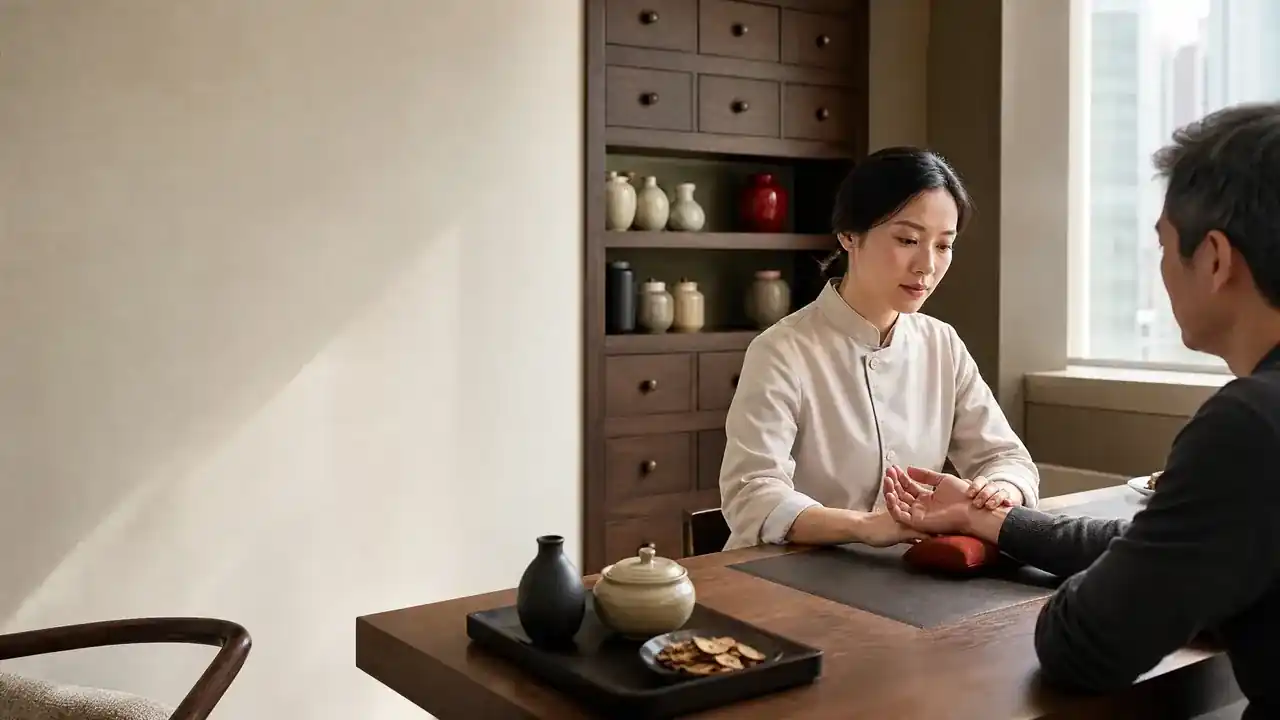
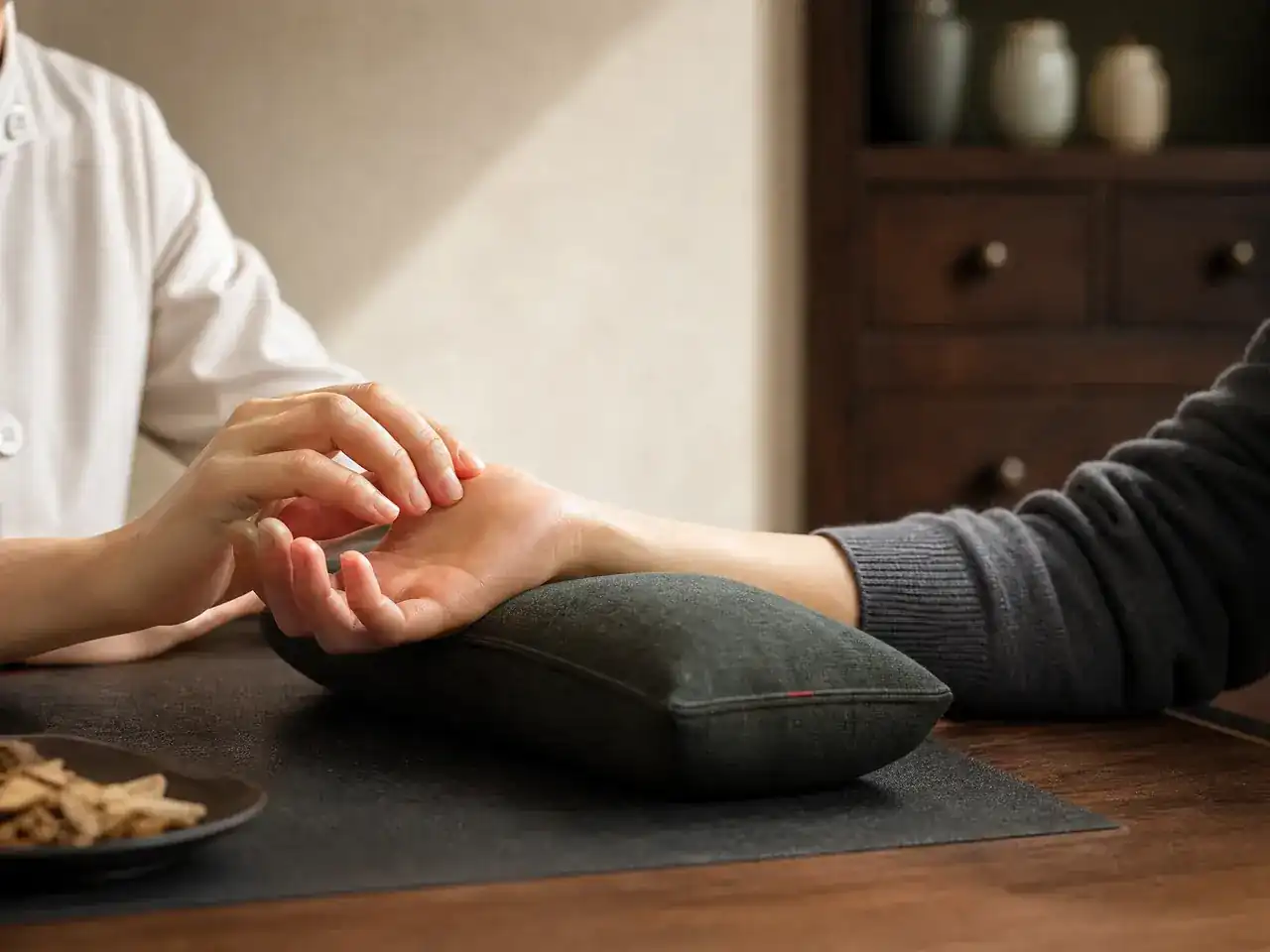
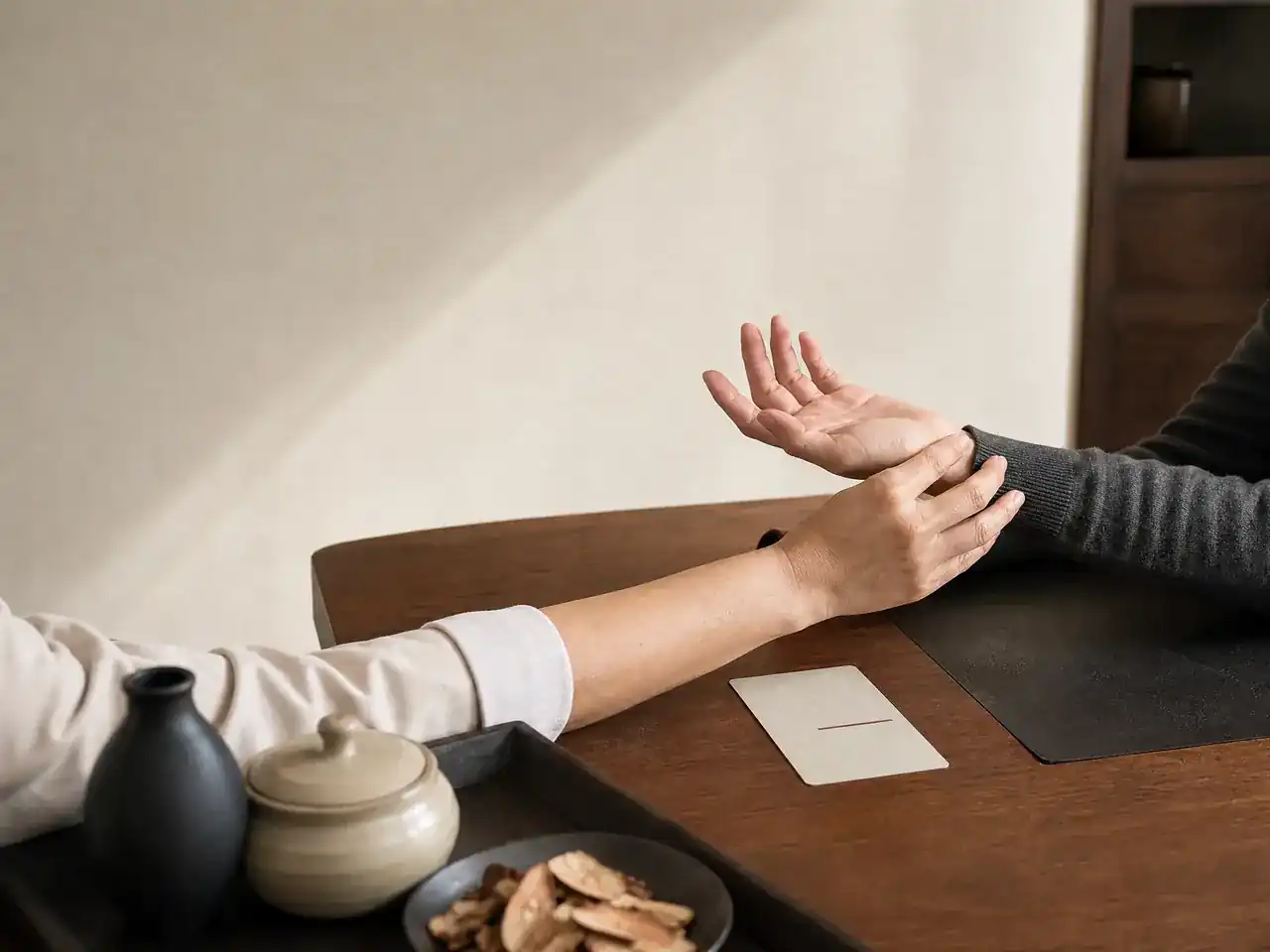
The registered Chinese medicine practitioners at Harmonia TCM will carefully understand your physical condition, lifestyle habits, and emotional changes, conducting a comprehensive assessment using the four diagnostic methods (observation, auscultation and olfaction, inquiry, and pulse-taking). We believe that everyone's constitution and experiences are unique; therefore, mood regulation must involve a customized plan. Through holistic care, we can not only alleviate superficial emotional symptoms but also improve overall health and enhance your quality of life.
The Application of Acupuncture and Herbs in Mood Regulation
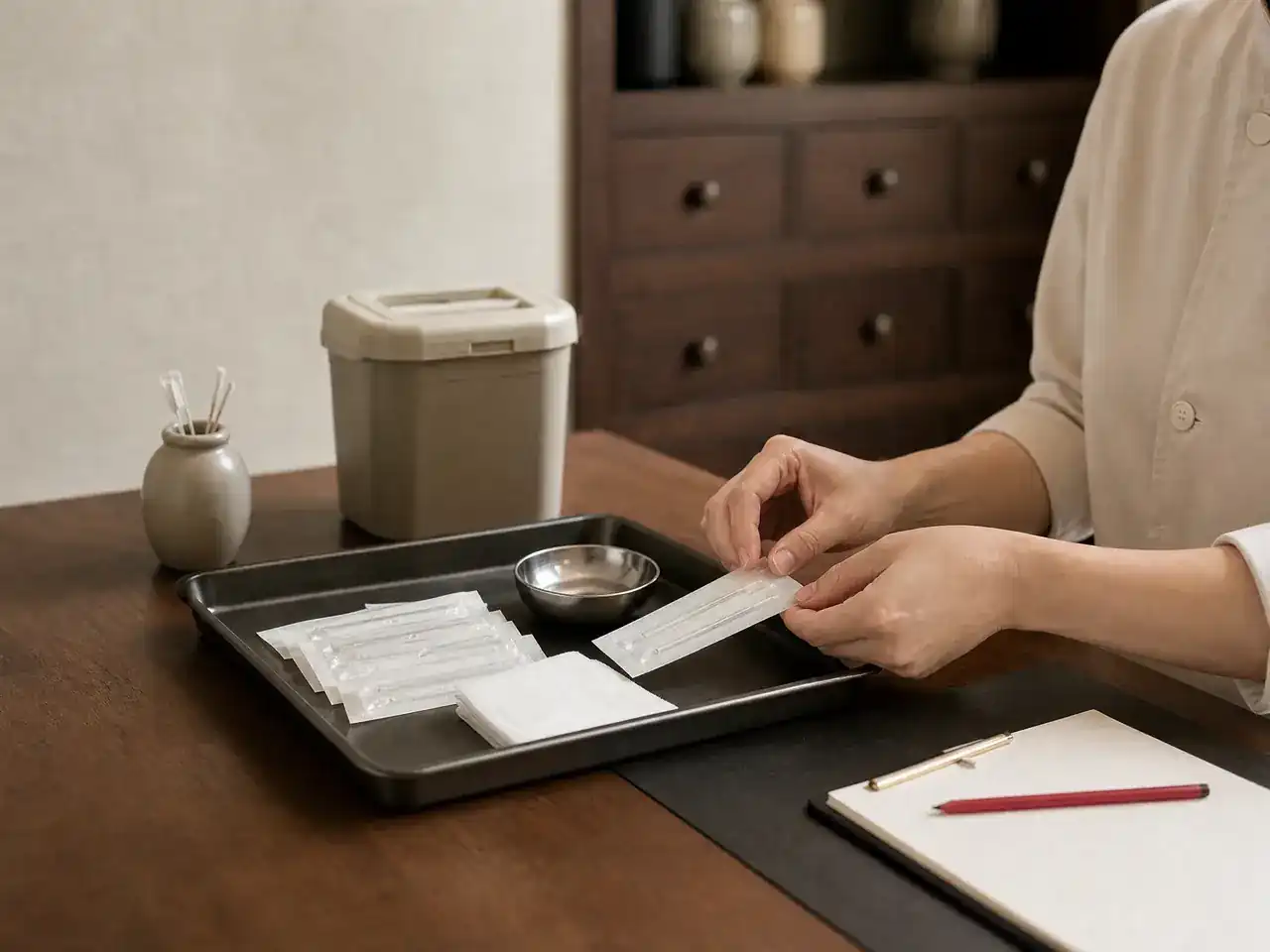
Acupuncture and herbal medicine are the two main modalities in TCM for treating anxiety and depression. Acupuncture involves stimulating specific acupoints, such as Baihui, Shenmen, and Neiguan, which helps to clear the meridians and harmonize Qi and blood, thereby achieving a calming effect on the mind. Many people feel physically and mentally relaxed after receiving acupuncture, with their stress released. Acupuncture not only directly affects the nervous system but also promotes endocrine balance, playing a positive role in improving sleep quality and stabilizing mood.
On the other hand, the application of herbal medicine is tailored according to the individual's constitution and syndrome type. For example, for those with liver Qi stagnation, formulas that soothe the liver and relieve depression may be used; for those with deficiencies in the heart and spleen, herbs that nourish Qi, enrich the blood, and calm the mind will be selected. Herbal conditioning is a gradual process aimed at fundamentally improving the constitution and enhancing the body's ability to cope with stress. The practitioners at Harmonia TCM will flexibly utilize acupuncture and herbs based on your specific situation to achieve the best mood regulation results.
Common Syndrome Types and Strategies in TCM Mood Regulation
TCM categorizes anxiety and depression into different syndrome types, each with its specific manifestations and conditioning strategies. Understanding your syndrome type helps in better cooperating with the treatment. Below are several common syndrome types and their corresponding conditioning directions for your reference. Please note that specific diagnostic and treatment plans must be determined by a registered Chinese medicine practitioner after a personal assessment.
Through syndrome differentiation, TCM can targetedly address the emotional issues faced by different constitutions. Regardless of the syndrome type, maintaining good lifestyle habits, moderate exercise, and a balanced diet are crucial supplementary aspects of mood regulation. During the consultation process, the practitioners at Harmonia TCM will provide comprehensive lifestyle guidance to help you better manage your emotions in daily life.
| Common Syndrome Type | Main Manifestations | Conditioning Direction | Examples of Acupoints/Herbs |
|---|---|---|---|
| Liver Qi Stagnation | Depressed mood, fullness in the chest and hypochondrium, frequent sighing | Soothe the liver, relieve depression, regulate Qi | Taichong acupoint, Bupleurum (Chaihu), Curcuma (Yujin) |
| Heart and Spleen Deficiency | Overthinking, palpitations, timidity, insomnia, forgetfulness | Nourish the heart and spleen, enrich blood, calm the mind | Shenmen acupoint, Codonopsis (Dangshen), Sour Jujube Seed (Suanzaoren) |
| Yin Deficiency with Hyperactive Fire | Irritability, insomnia, dry mouth and throat, heat in palms and soles | Nourish Yin, reduce fire, clear the heart, calm the mind | Sanyinjiao acupoint, Rehmannia (Shengdihuang), Ophiopogon (Maidong) |
| Phlegm Misting the Mind | Dull expression, muttering to oneself, chest tightness, excessive phlegm | Resolve phlegm, open the orifices, regulate Qi, relieve depression | Fenglong acupoint, Acorus (Shichangpu), Polygala (Yuanzhi) |
The Connection Between Lifestyle and Emotional Health
In addition to treatment with acupuncture and herbs, daily lifestyle plays a vital role in emotional health. TCM emphasizes the 'unity of heaven and humanity,' believing that human health is closely related to the natural environment and regular routines. In modern fast-paced life, chronic stress, irregular routines, and poor dietary habits can all become factors that trigger or exacerbate anxiety and depression. Therefore, establishing a healthy lifestyle is an indispensable part of mood regulation.
Harmonia TCM recommends that while receiving TCM treatment, you should try to maintain a regular routine and ensure adequate sleep. Moderate exercise, such as Tai Chi, yoga, or walking, helps promote the circulation of Qi and blood, relieving physical and mental stress. Furthermore, your diet should be light and easy to digest, avoiding excessive intake of spicy, greasy, or stimulating foods. Through comprehensive lifestyle adjustments, combined with professional TCM treatment, you can more effectively restore your physical and mental balance.
Harmonia TCM's Professional Commitment and Service Scope
Harmonia TCM is committed to providing professional and considerate TCM services to every patient. We understand that seeking help when facing emotional distress requires courage. Our medical team will listen to your needs with patience and empathy, providing you with a safe and comfortable treatment environment. We strictly adhere to the regulations of the Chinese Medicine Council of Hong Kong to ensure that all treatment processes meet professional standards.
Please note that service availability, suitability and arrangements require individual confirmation. If you are considering care, we can first discuss what may suit you and how an appointment can be arranged. Harmonia TCM's only physical clinic is located in Kwun Tong. the information provided here is intended as general guidance and does not imply the existence of branches in other areas. If you have any questions about our services or wish to learn more about TCM treatment for anxiety and depression, please feel free to contact us, and we will be happy to assist you.
Frequently asked questions
How long does it take for TCM treatment for anxiety and depression to show results?
The effectiveness of TCM treatment varies from person to person, depending on individual constitution, the severity of the condition, and the response to treatment. Generally, mild emotional distress may show improvement within a few weeks, while more chronic issues require continuous conditioning over several months or longer. The practitioner will adjust the plan appropriately based on your progress.
Does acupuncture for anxiety and depression hurt?
The needles used in acupuncture are very fine, and most people only feel a slight mosquito-bite sensation upon insertion. Once the needle reaches the acupoint, you may feel an aching, numb, distending, or heavy sensation known as 'Deqi.' This is a normal therapeutic response and usually does not cause unbearable pain. If you feel nervous about acupuncture, please let the practitioner know at any time.
Can I take Chinese herbal medicine and Western antidepressants at the same time?
In many cases, combining Chinese and Western medicine is feasible, but it must be done with great caution. Certain Chinese herbs may interact with Western medications, affecting efficacy or increasing side effects. Therefore, you must report all medications you are taking in detail to both your TCM practitioner and Western medical doctor, allowing professionals to assess and guide you on how to use them safely together.
Besides taking medicine and acupuncture, what else can I do to improve my mood?
Lifestyle adjustments are crucial for mood regulation. It is recommended to maintain a regular routine, ensure adequate sleep, engage in moderate exercise such as walking, yoga, or Tai Chi, and keep a balanced diet while reducing the intake of stimulating foods. Additionally, learning relaxation techniques, such as deep breathing or meditation, can also help alleviate stress.
Where is Harmonia TCM's physical clinic located?
Harmonia TCM's only physical clinic is located in Kwun Tong. the information provided here is intended as general guidance and does not imply that we have branches in other areas. If you require a face-to-face consultation and treatment, please visit our Kwun Tong clinic.
What should I do if my mood suddenly becomes very bad?
If you experience intense thoughts of self-harm, severe hallucinations, or a complete loss of emotional control, please seek emergency medical assistance immediately, such as going to the nearest emergency room or calling an emergency helpline. TCM treatment is primarily used for long-term constitutional conditioning; in the face of an acute psychiatric crisis, seeking conventional emergency and psychiatric support must be the priority.
Related topics
Sources
Take the First Step Towards Restoring Balance
You do not have to face anxiety and depression alone. Harmonia TCM's professional team is ready to provide you with a personalized mood regulation plan. Please note that actual service arrangements require confirmation by the clinic.