TCM Specialty Care
Floaters
Floaters are a common visual symptom where individuals perceive dark shapes drifting across their field of vision. Traditional Chinese Medicine views this condition as closely related to the state of the body's internal organs and meridians, aiming to improve overall balance through constitutional assessment and care.
Quick answer: Floaters appear as spots, threads, or cobweb-like dark shapes drifting in your vision, often more noticeable against bright backgrounds. In TCM, eye floaters are frequently seen as a manifestation of Qi and blood deficiency or liver and kidney imbalance. Care focuses on identifying the underlying constitution and using methods like herbal medicine or acupuncture to support overall well-being and alleviate visual symptoms.
View pricesLearn About Our Services
CLEAR PRICES
Interested in a treatment? You are always welcome to ask.
We clearly list our current single, trial and package prices so you can explore at your own pace. You are always welcome to message us on WhatsApp about any service, timing or arrangement.
| Category and service | Content / terms | Public price (HK$) | Booking note | Enquire |
|---|---|---|---|---|
| Hair & scalp | Scalp health and hair-loss support | AI scalp analysis, deep follicle cleansing and oil-control support | Trial offerPackageTrial 380; 6 sessions 3,480; 12 sessions 5,760; 20 sessions 8,600; 30 sessions 11,400 | Average per session for 6/12/20/30: 580/480/430/380 | Ask on WhatsApp |
| Hair & scalp | Hair acupuncture with herbal medicine | Scalp acupuncture with 3 days of decoction-free herbal medicine | Single visitPackageSingle 580; 6 sessions 3,180; 12 sessions 5,760; 20 sessions 8,600; 30 sessions 11,400 | Average per session for 6/12/20/30: 530/480/430/380 | Ask on WhatsApp |
| Hair & scalp | Integrated hair support programme | Acupuncture, herbal medicine and follicle activation; packages include shampoo and serum | Single visitPackageSingle 1,260; 8 sessions 8,640; 16 sessions 15,680; 20 sessions 18,600; 30 sessions 26,400 | Average per session for 8/16/20/30: 1,080/980/930/880 | Ask on WhatsApp |
| Weight management | Full-body acupoint embedding | Full-body acupoint embedding; packages include proportionate days of herbal support | Single visitPackageSingle 980; 10 sessions 7,800; 20 sessions 14,600; 30 sessions 20,400 | Average per session for 10/20/30: 780/730/680 | Ask on WhatsApp |
| Facial acupuncture | Brightening V-face (Essential) | Facial acupuncture, meridian support and swelling management | Trial offerPackageTrial 480; 10 sessions 5,200; 20 sessions 9,600; 30 sessions 13,500 | Average per session for 10/20/30: 520/480/450 | Ask on WhatsApp |
| Facial acupuncture | Firming and refining (Advanced) | Enhanced facial acupuncture for firmness and fine-line concerns with a moisturising mask serum | Trial offerPackageTrial 780; 10 sessions 9,000; 20 sessions 16,600; 30 sessions 23,400 | Average per session for 10/20/30: 900/830/780 | Ask on WhatsApp |
| Pain care | Extracorporeal shockwave therapy | Deep inflammation support and fascial relaxation | Prince Edward: 250 per area; Kwun Tong: 250 for 1 area, 450 for 2, 600 for 3 | Clinic-specific pricing; confirm location before booking | Ask on WhatsApp |
| Pain care | Manual therapy | TCM bone-injury assessment, manual alignment and tui na techniques | Single visitSingle 580 | Suitability is confirmed after assessment | Ask on WhatsApp |
| Pain care | Acupuncture with manual therapy | Acupuncture with manual structural support | Single visitSingle 680 | Suitability is confirmed after assessment | Ask on WhatsApp |
| TCM regulation | Acupuncture with herbal medicine | TCM consultation, whole-body acupuncture and 3 days of decoction-free herbal medicine granules | Single visitSingle 580 | Confirm clinician availability and service arrangement when booking | Ask on WhatsApp |
Understanding Floaters and Common Visual Symptoms
Floaters are an extremely common phenomenon encountered in eye care. Individuals often notice dark shapes drifting across their field of vision, particularly when looking at a plain bright background, such as a white wall, a blank piece of paper, or a clear blue sky. These visual disturbances can take on a wide variety of shapes, including tiny dots, semi-transparent circles, squiggly lines, or complex cobweb-like structures. While in the vast majority of cases, floaters are a benign part of the natural aging process, these constantly moving shapes can still cause significant annoyance and impact an individual's reading ability, driving comfort, and overall quality of life.
From the perspective of modern anatomy and physiology, floaters are typically caused by the natural degeneration or liquefaction of the vitreous humor inside the eye. The vitreous is a clear, gel-like substance that fills the space between the lens and the retina, helping the eye maintain its round shape. As we age, or due to factors like high myopia (nearsightedness), this gel gradually shrinks and becomes more liquid. During this process, microscopic clumps or strands of collagen fibers can form within the vitreous. When light enters the eye, these clumps cast tiny shadows on the retina, which our brain perceives as the drifting floaters.
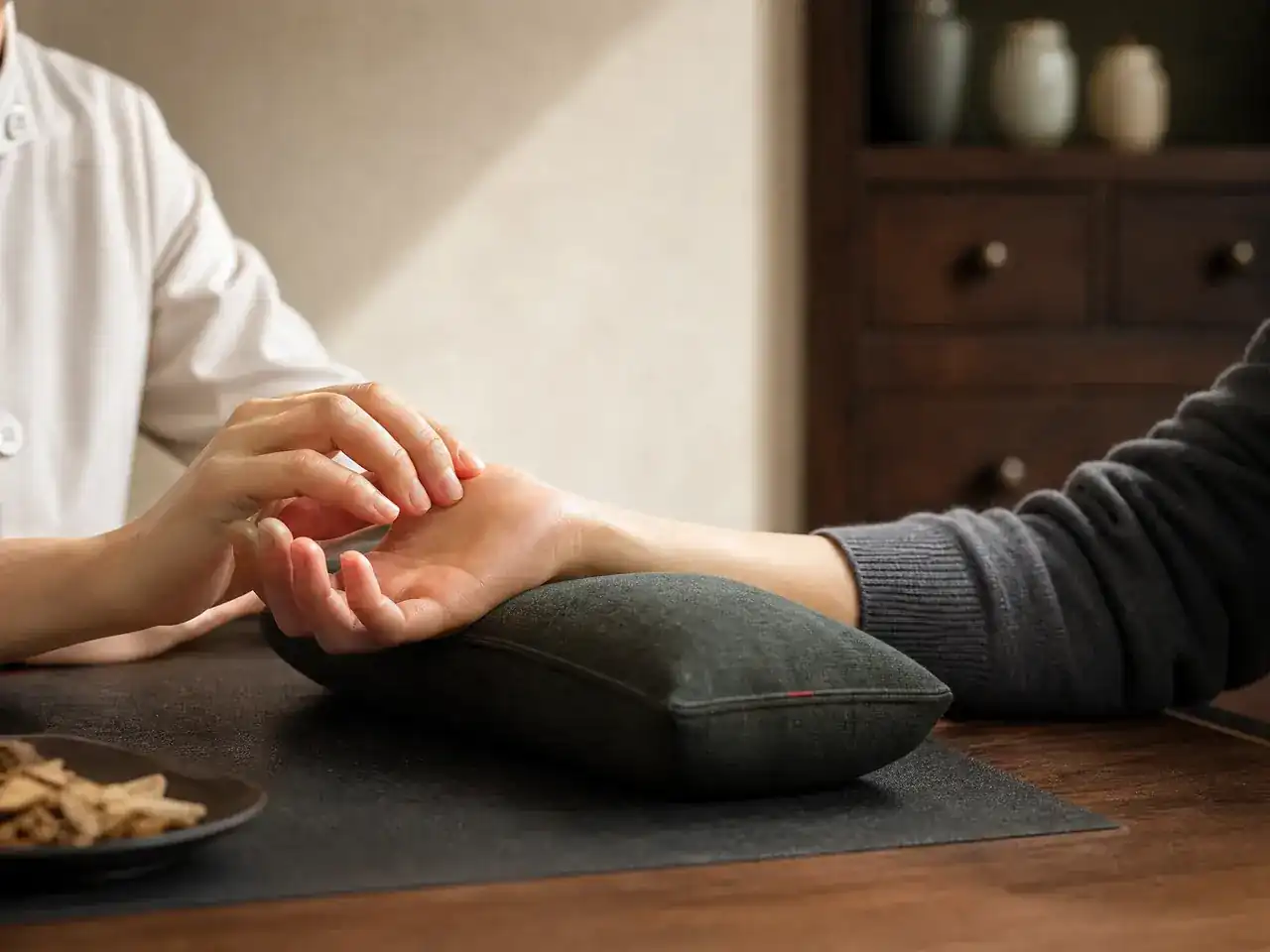
Traditional Chinese Medicine (TCM) offers a unique and holistic perspective on floaters, traditionally categorizing such visual symptoms under the concept of "cloud and mist obscuring the vision." TCM theory posits that the eyes are not isolated organs; rather, their health is intimately connected to the flow of Qi (vital energy) and blood throughout the entire body, and specifically to the functional state of core internal organs such as the liver, kidneys, and spleen. Therefore, when eye floaters appear, TCM practitioners often view them as an external manifestation of an internal imbalance, prompting a comprehensive evaluation of the patient's overall health rather than focusing solely on the localized eye symptom.
The TCM Pathology of Visual Disturbances
In the foundational theories of Traditional Chinese Medicine, there is a well-known principle stating that "the liver opens into the eyes." This signifies a direct and crucial relationship between the liver's function and visual health. The liver is responsible for storing blood, and an adequate supply of liver blood is essential for nourishing the eyes. If liver blood becomes deficient—often due to chronic stress, lack of sleep, or overexertion—the eyes lose their necessary nourishment, making them susceptible to dryness, blurred vision, and the appearance of floaters. Furthermore, the depletion of kidney essence is another critical factor. Because TCM emphasizes that the liver and kidneys share a common source, a deficiency in kidney essence frequently leads to a corresponding deficiency in liver blood, exacerbating the lack of nutritional support to the ocular tissues.
Beyond the liver and kidneys, the strength of the spleen and stomach functions can also indirectly influence the development of floaters. In TCM, the spleen and stomach are considered the "root of post-natal existence" and the primary source for the generation of Qi and blood. The food we consume relies on the digestive and absorptive capabilities of the spleen and stomach to be transformed into the vital energy and blood that nourish the entire body. If these digestive organs are weak, they cannot efficiently produce enough Qi and blood to ascend and nourish the eyes. Over time, this chronic lack of nutritional support can trigger degenerative ocular discomforts and visual disturbances.
Another common pathological mechanism identified in TCM is the stagnation of Qi and blood, or the upward disturbance of phlegm and dampness. When the circulation of Qi and blood is impeded, or when poor dietary habits (such as excessive consumption of greasy or sweet foods) lead to the internal accumulation of phlegm and dampness, these pathological products can travel upward along the meridians and obstruct the delicate microcirculation around the eyes. This obstruction not only hinders the delivery of fresh blood and nutrients but also prevents the efficient removal of metabolic waste from the eye, contributing to the perception of dark shadows or a cloudy sensation in the visual field.
Common TCM Constitution Types Associated with Floaters
When evaluating and managing floaters, TCM strictly adheres to the principle of "pattern differentiation," conducting a detailed assessment of the patient's overall constitution based on their specific signs and symptoms. One of the most frequently encountered constitutional types in clinical practice is the deficiency of liver and kidney. Patients with this pattern not only experience noticeable dark shapes drifting in their vision but also typically present with a range of systemic signs of decline. These may include frequent dizziness, ringing in the ears (tinnitus), chronic soreness and weakness in the lower back and knees, and poor sleep quality or vivid dreams. This constitution is commonly seen in older adults, as well as in younger individuals who experience chronic fatigue from overwork or lack of restorative sleep.
The deficiency of both Qi and blood is another prevalent classification among patients with eye floaters. A distinguishing characteristic of this pattern is that the visual symptoms tend to worsen significantly after physical exertion or prolonged periods of visual strain. In their daily lives, these individuals often feel easily fatigued, exhibit a pale complexion lacking healthy color, and may experience shortness of breath or palpitations with mild activity. This pattern is frequently associated with long-term dietary imbalances, physical weakness following a prolonged illness, or chronic poor absorption by the spleen and stomach.
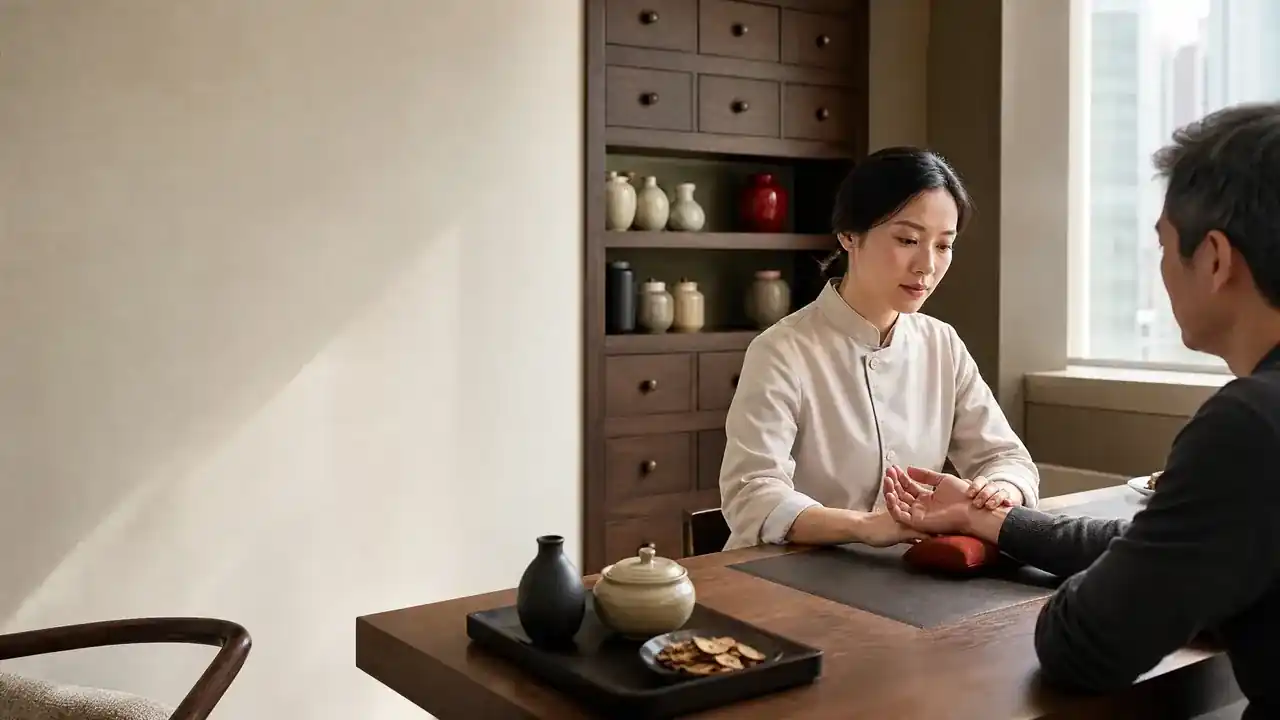
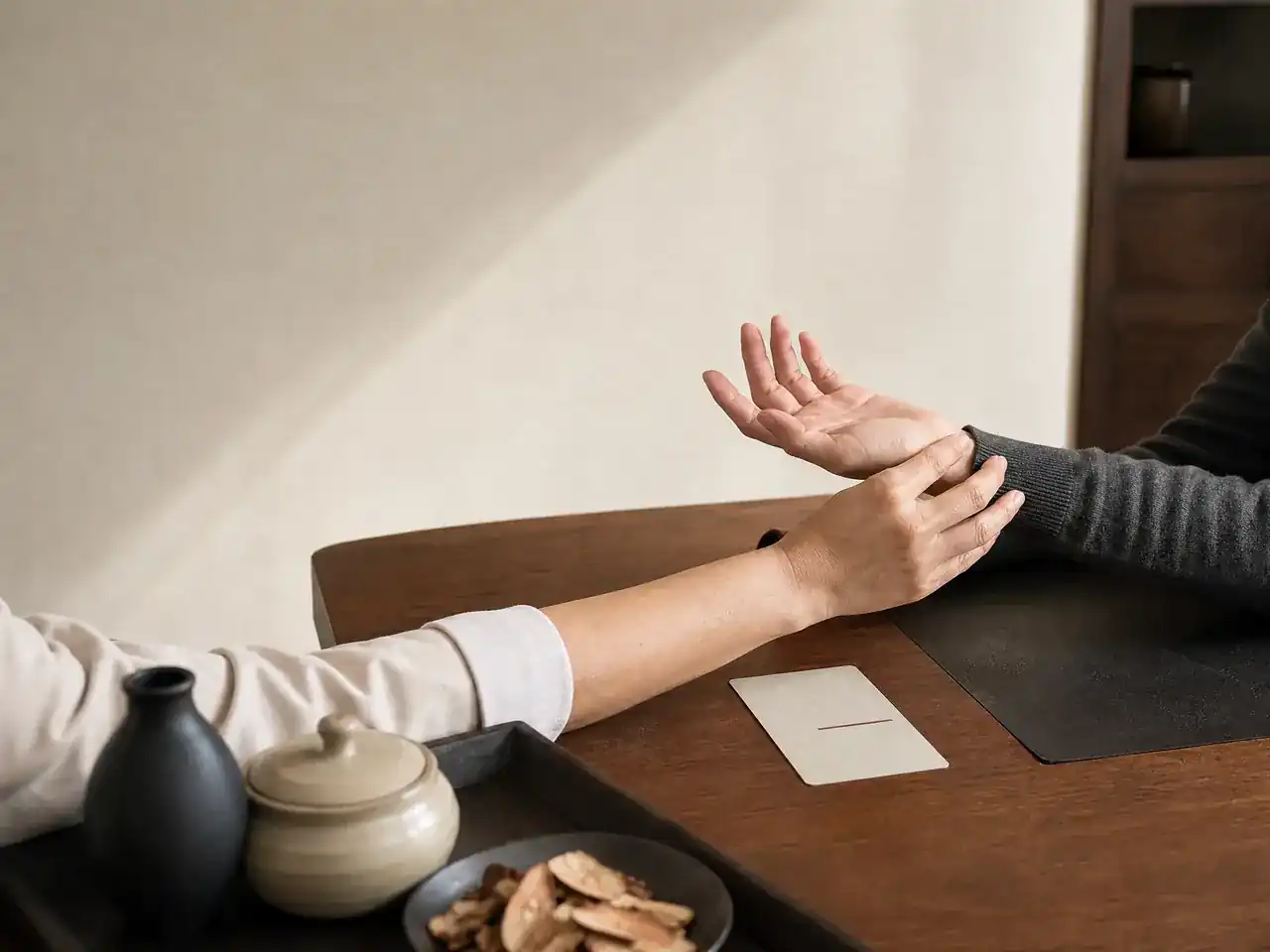
Additionally, there is the pattern of upward disturbance of phlegm and dampness. Patients with this constitution may describe their floaters as larger, more diffuse shapes, often feeling as though a layer of mist or cloud is partially obscuring their vision. Systemically, they frequently experience a sensation of heaviness or tightness in the chest, a poor appetite, a feeling of sluggishness in the body, and their tongue often presents with a thick, greasy coating. Through a comprehensive consultation, pulse taking, and tongue observation, the TCM practitioner accurately determines the patient's specific constitutional type to formulate the most targeted and personalized care plan.
| Constitution Type | Primary Visual Symptoms | Accompanying Systemic Signs | TCM Care Focus |
|---|---|---|---|
| Liver and Kidney Deficiency | Numerous dark floaters; eyes tire easily | Dizziness, tinnitus, lower back ache, insomnia | Nourish liver and kidney; support visual clarity |
| Qi and Blood Deficiency | Floaters worsen with fatigue; prone to blurred vision | Chronic fatigue, pale complexion, palpitations | Tonify Qi and blood; strengthen the spleen |
| Phlegm and Dampness Disturbance | Larger, cloudy floaters; misty vision sensation | Chest tightness, poor appetite, greasy tongue coating | Resolve phlegm; promote clear circulation |
| Liver Qi Stagnation | Floaters fluctuate with emotional stress | Irritability, chest distension, dry mouth | Soothe the liver; regulate Qi flow |
TCM Approaches and Principles for Managing Floaters
The core principle of managing floaters in Traditional Chinese Medicine lies in its holistic approach and pattern differentiation. When addressing patients with eye floaters, TCM practitioners do not merely focus on the localized visual symptoms. Instead, they aim to improve the overall function of the internal organs and optimize the circulation of Qi and blood throughout the body. Through the administration of carefully formulated internal herbal prescriptions, practitioners can provide deep, constitutional support tailored to the individual. For instance, herbs that nourish the liver and kidneys may be used to address degenerative changes, while herbs that strengthen the spleen and tonify Qi are selected to enhance the body's natural ability to produce and circulate vital energy and blood.
Acupuncture, a traditional non-pharmacological therapy in TCM, is also a vital tool in the management of floaters. By precisely stimulating specific acupoints around the eyes (such as Jingming, Zanzhu, and Sizhukong), as well as distal points on the body (like Hegu on the hands, Zusanli on the legs, and Taichong on the feet), practitioners can effectively promote local microcirculation and clear blockages within the meridians. This enhanced circulation not only helps increase the supply of oxygen and nutrients to the ocular tissues but may also facilitate the absorption and clearance of metabolic waste within the eye, thereby helping to alleviate the visual disturbances caused by floaters.
In addition to professional interventions like herbal medicine and acupuncture, TCM practitioners will also provide personalized recommendations for acupressure massage and lifestyle adjustments. Establishing a routine of daily eye care, ensuring adequate periods of rest, and maintaining a balanced, nutritious diet are considered indispensable components of the care plan. These supportive measures play a crucial role in maintaining long-term ocular health and maximizing the effectiveness of the TCM treatments, empowering patients to take an active role in their own well-being.
Daily Eye Care and Prevention Strategies
Establishing excellent daily eye care habits is a crucial component in preventing and managing visual symptoms like floaters. In our modern digital age, it is essential to minimize prolonged, uninterrupted use of smartphones, computers, and other electronic screens. Eye care experts strongly recommend following the 20-20-20 rule or ensuring that for every thirty to forty minutes of focused near work, you force yourself to take a five to ten-minute break. During this rest period, you can close your eyes to rest, or look out a window at green plants and distant objects. This practice allows the ciliary muscles and other ocular structures to fully relax and recover from strain.
When it comes to daily dietary choices, you can consciously incorporate natural foods that are beneficial for eye health. According to TCM nutritional principles, ingredients such as black sesame seeds, goji berries (wolfberries), chrysanthemum flowers, mulberries, and blueberries possess excellent properties for nourishing the liver and kidneys, clearing heat, and providing antioxidant support. These can easily be added to your daily routine as herbal teas or dietary supplements. Concurrently, to avoid placing unnecessary burden on your body, it is advisable to reduce the intake of spicy, deep-fried, highly sugared, and excessively greasy foods. Such diets can foster the accumulation of internal damp-heat, which may negatively impact the health of the delicate microvasculature in the eyes.
Maintaining a regular sleep schedule and a stable emotional state are equally important aspects of comprehensive eye care. Adequate, high-quality sleep provides the critical time needed for liver blood to be restored and stored effectively. Meanwhile, a calm and optimistic emotional state helps prevent the stagnation of liver Qi, ensuring that the flow of Qi and blood remains unobstructed. Furthermore, when spending time outdoors in bright sunlight or high UV index conditions, it is highly recommended to wear sunglasses with proper UV protection. This simple step significantly reduces the direct damage caused by harmful ultraviolet rays to the retina and the vitreous body.
The Importance of Professional Medical Assessment
While it is true that in the vast majority of cases, floaters are a benign manifestation of physiological aging, we must never become complacent about them. Occasionally, the sudden appearance or rapid worsening of floaters can serve as an early warning sign of a severe, sight-threatening eye condition, such as a retinal tear, retinal detachment, vitreous hemorrhage, or intraocular inflammation. Therefore, when you experience floaters for the first time, or if your existing symptoms undergo a noticeable and sudden change, seeking a professional medical evaluation is absolutely essential and should not be delayed.
At Harmonia TCM, our team of registered Chinese medicine practitioners will conduct a thorough and comprehensive assessment of your constitution, gaining a deep understanding of your overall health status and any underlying imbalances. However, out of the utmost responsibility for our patients' visual safety, we strongly advise that all individuals experiencing floaters undergo a comprehensive dilated fundus examination by a specialist ophthalmologist before commencing TCM care. This crucial step ensures that any organic lesions requiring urgent surgical or conventional medical intervention are definitively ruled out.
The concept of integrating Western and Chinese medicine is gaining increasing recognition and importance in the field of modern eye care. Provided that the structural integrity of the retina is confirmed to be safe and there are no acute risks, TCM constitutional care can serve as an excellent complementary and supportive approach. By improving ocular microcirculation and regulating the body's overall Qi and blood balance, TCM care not only helps mitigate the visual interference caused by floaters but also comprehensively enhances the patient's overall health and quality of life.
Frequently asked questions
Can TCM completely cure eye floaters?
The primary goal of TCM care is to improve your overall constitution and promote Qi and blood circulation in the eyes, thereby reducing the annoyance of floaters or slowing their progression. For established vitreous opacities, TCM cannot guarantee complete elimination or a "cure," but many patients find the symptoms become much less intrusive in their daily lives after receiving care.
Is acupuncture for floaters painful and safe?
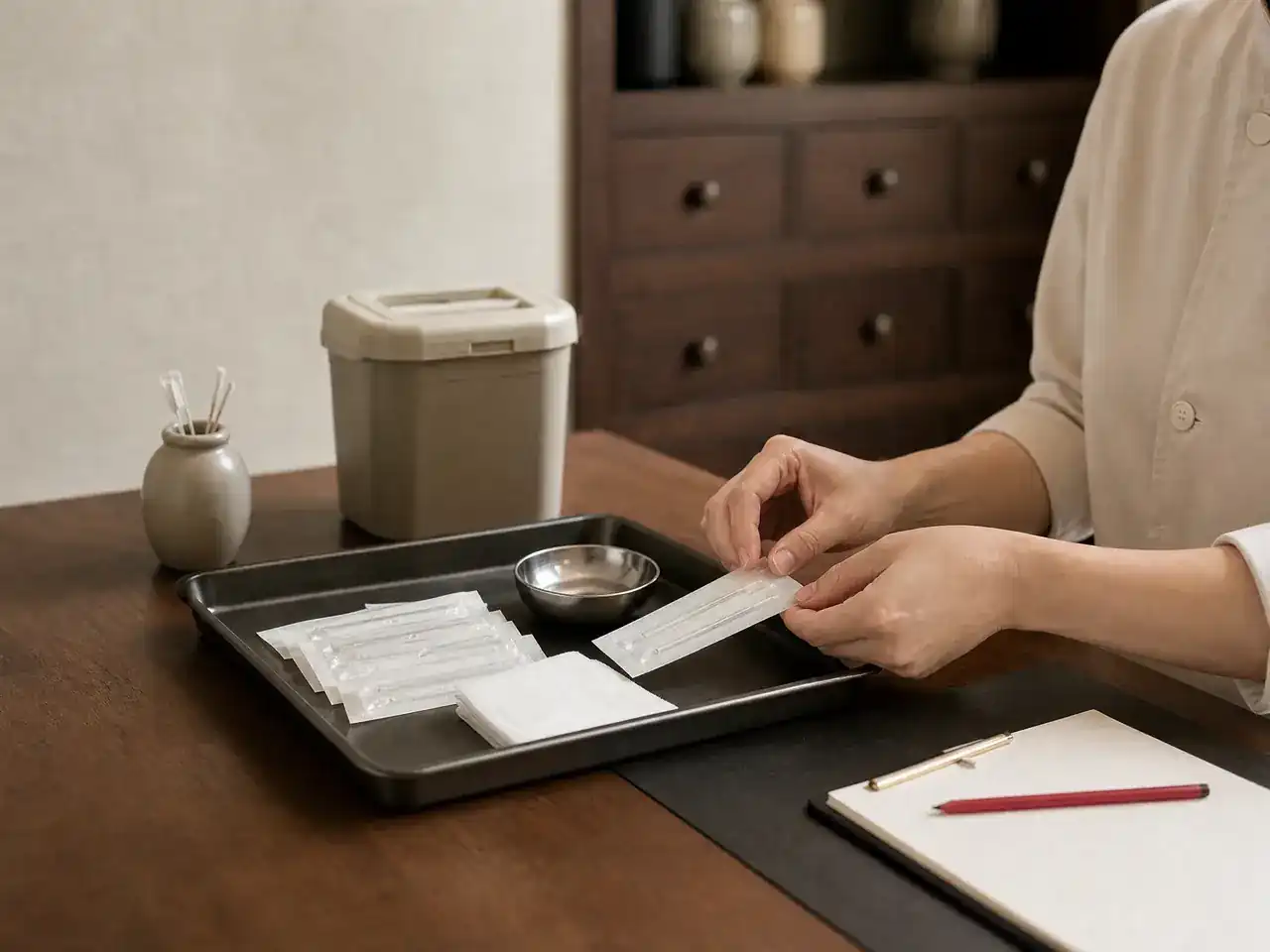
Acupuncture around the eyes typically only produces a mild aching or heavy sensation (known as "De Qi"), rather than sharp pain. The registered practitioners at Harmonia TCM are professionally trained to use ultra-fine, sterile, single-use needles and carefully avoid dangerous areas, ensuring the procedure is performed with the highest safety standards.
Does drinking goji berry and chrysanthemum tea help with floaters?
Goji berries and chrysanthemum are known in TCM for nourishing the liver and kidneys and clearing the eyes. They can provide supportive benefits for visual symptoms caused by liver and kidney deficiency or liver heat. However, since everyone's constitution is different, excessive consumption may cause digestive upset in those with a cold and weak spleen. It is best consumed under the guidance of a registered practitioner.
Are there any dietary restrictions for patients with floaters?
It is generally recommended that individuals with floaters avoid excessive consumption of spicy, deep-fried, highly sugared, and cold or raw foods. These foods can impair the spleen and stomach or promote internal damp-heat, which can disrupt the production and circulation of Qi and blood, potentially having an indirect negative impact on eye health.
How long does it usually take to see results from TCM care for floaters?
Because floaters are often related to long-term constitutional imbalances, the care process requires patience. Generally, it may take several weeks to a few months of consistent care to observe changes. The exact timeframe varies depending on individual constitution, age, and lifestyle habits. Your practitioner will regularly assess your progress throughout the course of care.
Can I receive TCM care while I am also seeing an ophthalmologist?
Yes, absolutely. An integrative approach combining Western and Chinese medicine is ideal for managing floaters. Western medicine monitors the structural safety of the eye and rules out acute diseases, while TCM focuses on holistic constitutional improvement. Please ensure both your ophthalmologist and TCM practitioner are aware of all the treatments you are receiving to ensure a coordinated care plan.
Related topics
Sources
Seek a Professional TCM Assessment for Visual Symptoms
This information is provided to help you understand the topic and prepare questions for an assessment. If you are considering care, we can first discuss what may suit you and how an appointment can be arranged. We are dedicated to providing professional constitutional assessments.