Oncology Support (TCM)
Oncology support (TCM)
At Harmonia TCM in Kwun Tong, we offer oncology support through Traditional Chinese Medicine to assist individuals undergoing cancer supportive care and radiotherapy recovery. Our approach focuses on holistic well-being and symptom management to complement conventional treatments.
Quick answer: Oncology support at Harmonia TCM involves Traditional Chinese Medicine practices aimed at assisting individuals during cancer supportive care and radiotherapy recovery. While TCM may help manage symptoms and improve quality of life, it is important to consult your medical team and seek professional advice before starting any complementary therapy.
View pricesRequest Consultation Information
CLEAR PRICES
Interested in a treatment? You are always welcome to ask.
We clearly list our current single, trial and package prices so you can explore at your own pace. You are always welcome to message us on WhatsApp about any service, timing or arrangement.
| Category and service | Content / terms | Public price (HK$) | Booking note | Enquire |
|---|---|---|---|---|
| Hair & scalp | Scalp health and hair-loss support | AI scalp analysis, deep follicle cleansing and oil-control support | Trial offerPackageTrial 380; 6 sessions 3,480; 12 sessions 5,760; 20 sessions 8,600; 30 sessions 11,400 | Average per session for 6/12/20/30: 580/480/430/380 | Ask on WhatsApp |
| Hair & scalp | Hair acupuncture with herbal medicine | Scalp acupuncture with 3 days of decoction-free herbal medicine | Single visitPackageSingle 580; 6 sessions 3,180; 12 sessions 5,760; 20 sessions 8,600; 30 sessions 11,400 | Average per session for 6/12/20/30: 530/480/430/380 | Ask on WhatsApp |
| Hair & scalp | Integrated hair support programme | Acupuncture, herbal medicine and follicle activation; packages include shampoo and serum | Single visitPackageSingle 1,260; 8 sessions 8,640; 16 sessions 15,680; 20 sessions 18,600; 30 sessions 26,400 | Average per session for 8/16/20/30: 1,080/980/930/880 | Ask on WhatsApp |
| Weight management | Full-body acupoint embedding | Full-body acupoint embedding; packages include proportionate days of herbal support | Single visitPackageSingle 980; 10 sessions 7,800; 20 sessions 14,600; 30 sessions 20,400 | Average per session for 10/20/30: 780/730/680 | Ask on WhatsApp |
| Facial acupuncture | Brightening V-face (Essential) | Facial acupuncture, meridian support and swelling management | Trial offerPackageTrial 480; 10 sessions 5,200; 20 sessions 9,600; 30 sessions 13,500 | Average per session for 10/20/30: 520/480/450 | Ask on WhatsApp |
| Facial acupuncture | Firming and refining (Advanced) | Enhanced facial acupuncture for firmness and fine-line concerns with a moisturising mask serum | Trial offerPackageTrial 780; 10 sessions 9,000; 20 sessions 16,600; 30 sessions 23,400 | Average per session for 10/20/30: 900/830/780 | Ask on WhatsApp |
| Pain care | Extracorporeal shockwave therapy | Deep inflammation support and fascial relaxation | Prince Edward: 250 per area; Kwun Tong: 250 for 1 area, 450 for 2, 600 for 3 | Clinic-specific pricing; confirm location before booking | Ask on WhatsApp |
| Pain care | Manual therapy | TCM bone-injury assessment, manual alignment and tui na techniques | Single visitSingle 580 | Suitability is confirmed after assessment | Ask on WhatsApp |
| Pain care | Acupuncture with manual therapy | Acupuncture with manual structural support | Single visitSingle 680 | Suitability is confirmed after assessment | Ask on WhatsApp |
| TCM regulation | Acupuncture with herbal medicine | TCM consultation, whole-body acupuncture and 3 days of decoction-free herbal medicine granules | Single visitSingle 580 | Confirm clinician availability and service arrangement when booking | Ask on WhatsApp |


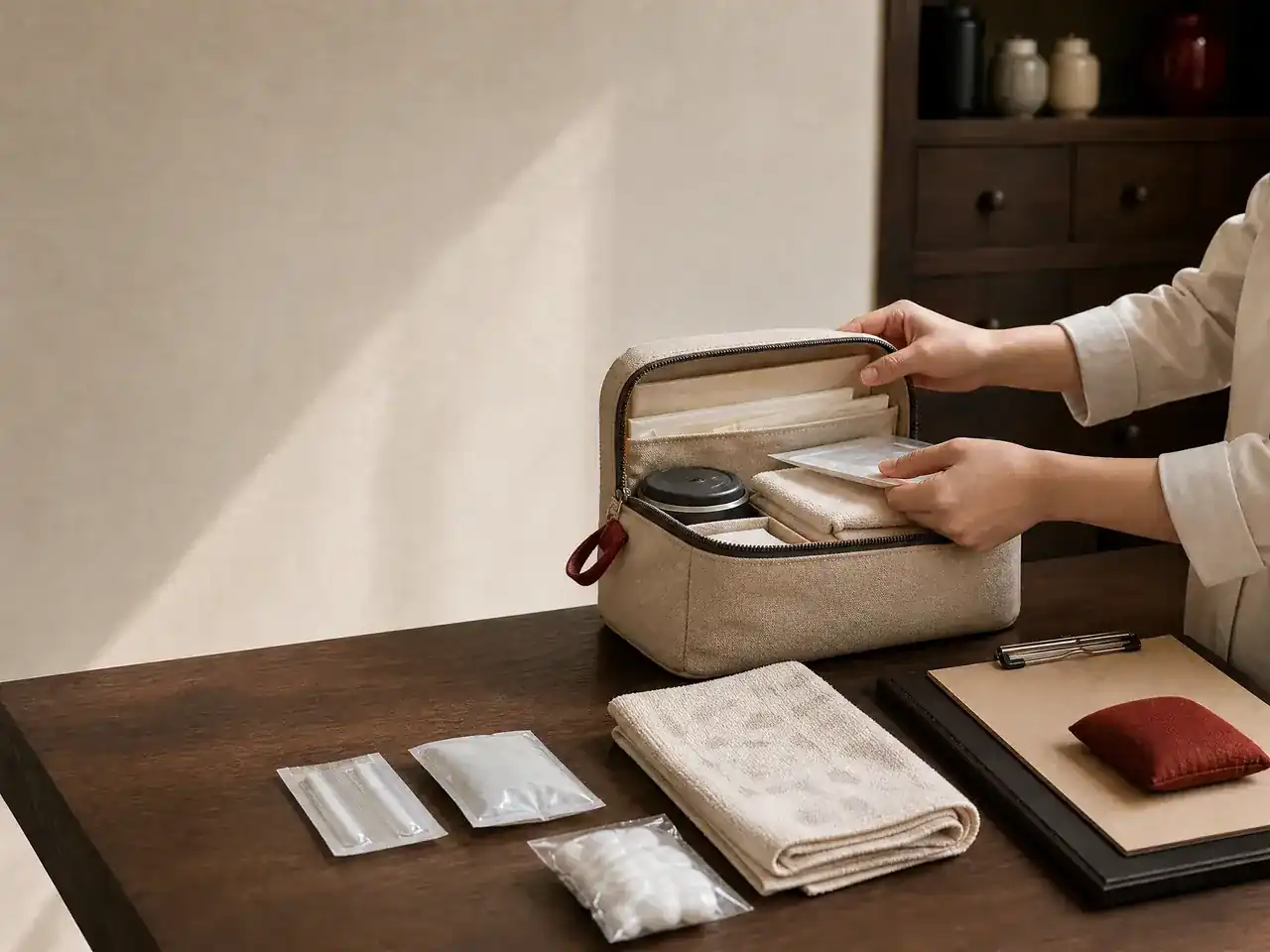
Understanding Oncology Support with Traditional Chinese Medicine
Oncology support refers to complementary care designed to assist individuals undergoing cancer treatments such as chemotherapy, radiotherapy, or surgery. At Harmonia TCM in Kwun Tong, oncology support involves the application of Traditional Chinese Medicine (TCM) principles to help manage treatment side effects, support recovery, and enhance overall well-being during cancer supportive care.
TCM adopts a holistic perspective, viewing the body as an interconnected system. Practitioners assess a patient’s constitution, symptoms, and treatment history to tailor supportive therapies. Although TCM does not replace conventional cancer treatments, it aims to work alongside them to provide relief from symptoms such as fatigue, nausea, pain, and emotional distress.
How TCM May Support Radiotherapy Recovery
Radiotherapy is a common cancer treatment that uses targeted radiation to destroy cancer cells. While effective, it may cause side effects such as skin irritation, fatigue, dry mouth, and digestive issues. TCM practitioners at Harmonia TCM may use herbal medicine, acupuncture, and dietary guidance to address these symptoms and support the body’s natural healing processes.
For example, acupuncture may be considered to alleviate fatigue and improve circulation, while specific herbal formulas might be recommended to nourish the body’s Qi and blood. Dietary advice is also integral to help maintain strength and nutritional status during recovery. It is important to note that any TCM intervention is customised and coordinated with your oncology team to ensure safety and appropriateness.
Cancer Supportive Care Through TCM: An Integrative Approach
Cancer supportive care focuses on improving quality of life for individuals living with cancer by managing symptoms and side effects. TCM offers a range of modalities that may complement conventional supportive care measures. These include acupuncture, herbal treatments, tuina massage, and qigong exercises, each aimed at restoring balance and harmony within the body.
The integrative approach at Harmonia TCM emphasises personalised assessment. Practitioners evaluate physical and emotional symptoms, treatment history, and overall constitution to develop a tailored supportive plan. This holistic method recognises that cancer and its treatments can impact multiple body systems and psychological well-being.
Common TCM Modalities Used in Oncology Support
Traditional Chinese Medicine employs various modalities that may assist in oncology support and radiotherapy recovery. Each has specific aims and considerations:
Below is a table summarising common TCM modalities and their potential supportive roles.
| TCM Modality | Potential Supportive Role |
|---|---|
| Acupuncture | May alleviate pain, fatigue, nausea, and improve circulation during cancer treatment. |
| Herbal Medicine | Customised formulas may help strengthen immunity, reduce inflammation, and support organ function. |
| Tuina Massage | Gentle manual therapy to relieve muscle tension and promote relaxation. |
| Qigong and Tai Chi | Mind-body exercises that may enhance energy flow, reduce stress, and improve physical function. |
| Dietary Therapy | Tailored nutrition advice to support digestion, energy, and overall health during treatment phases. |
Consultation and Assessment in Oncology Support
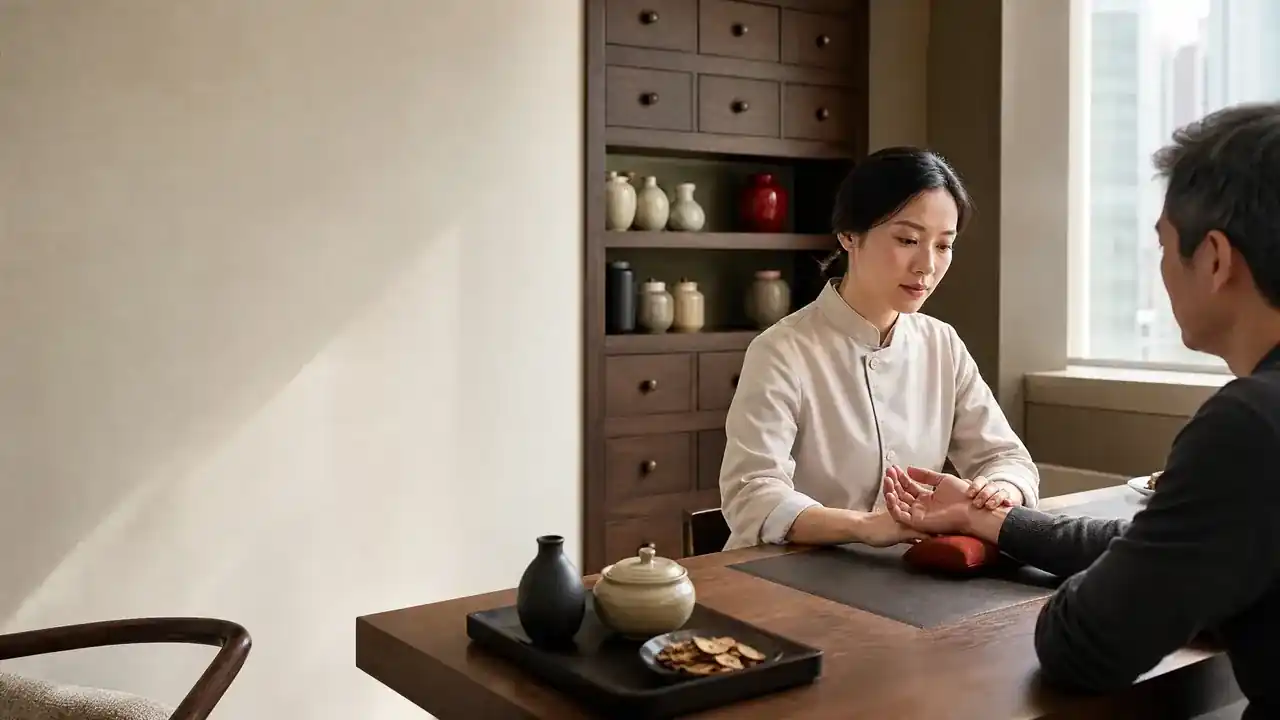
At Harmonia TCM in Kwun Tong, oncology support begins with a comprehensive consultation. The practitioner will review your medical history, current cancer treatments, symptoms, and overall health status. This assessment helps identify specific imbalances or symptoms that TCM therapies may address.
Open communication with your oncology medical team is essential to ensure coordinated care. TCM practitioners do not replace conventional cancer treatments but provide support that may help improve comfort and quality of life. Any herbal prescriptions or therapies will be carefully selected to avoid interactions with conventional medications.
Evidence and Considerations for TCM in Cancer Care
While many patients seek TCM as part of their cancer supportive care, it is important to understand the current evidence base. Research indicates that some TCM modalities, such as acupuncture, may help manage specific symptoms like chemotherapy-induced nausea or radiotherapy-related fatigue. However, evidence varies and is not conclusive for all interventions.
TCM should be considered a complementary approach rather than a standalone treatment. Patients should maintain regular follow-ups with their oncology specialists and report any new or worsening symptoms immediately. Furthermore, safety is paramount; all herbal products should be sourced from reputable providers and used under professional supervision.
A useful conversation about oncology support should separate the name of the concern from the person’s actual experience. Two people using the same phrase may describe different locations, patterns, triggers, levels of limitation, previous investigations and expectations. A practitioner therefore needs enough time to ask what has changed, what remains possible, what makes symptoms better or worse, and what the person most wants to regain. This prevents a popular search term from becoming a shortcut to diagnosis. It also makes it easier to explain when Chinese medicine may be considered as supportive care, when another professional opinion is appropriate, and when urgent assessment takes priority.
Planning for Oncology support (TCM) also means agreeing how progress will be reviewed. A sensible review looks beyond a single pain score or one good day. Depending on the concern, it may consider sleep, confidence with movement, ability to work, tolerance for ordinary activity, use of other care, and whether any new warning signs have appeared. The plan should remain adjustable: a person can pause, ask questions, decline an option or choose a different route. If the service is not yet confirmed by Harmonia TCM, the website topic should be treated as educational scope only until the clinic verifies availability, practitioner suitability, timing and fees.
Frequently asked questions
Can TCM replace conventional cancer treatments?
No, TCM is intended as a complementary approach to support well-being during cancer treatment. It does not replace chemotherapy, radiotherapy, surgery, or other conventional therapies.
Is acupuncture safe during radiotherapy recovery?
Acupuncture may be safe when performed by experienced TCM practitioners who are informed of your medical history. It may help alleviate certain side effects but should be coordinated with your oncology team.
How do I know if herbal medicine is suitable for me?
Herbal prescriptions are personalised based on your condition and treatment history. Always consult with a qualified TCM practitioner and inform your medical doctors before using any herbs.
Will TCM cause side effects or interact with my cancer medications?
Some herbal medicines may interact with cancer treatments. It is important to disclose all therapies to your healthcare providers to manage potential risks and side effects.
How often should I attend TCM sessions for oncology support?
The frequency depends on your individual condition and treatment plan. Your TCM practitioner will recommend a schedule tailored to your needs and response to therapy.
Can TCM help with emotional distress during cancer treatment?
Yes, TCM approaches including acupuncture, qigong, and herbal formulas may help support emotional well-being and reduce stress as part of comprehensive cancer supportive care.
Related topics
Sources
Explore Oncology Support at Harmonia TCM
If you are interested in learning more about how Traditional Chinese Medicine may support your cancer treatment journey and radiotherapy recovery, please contact Harmonia TCM in Kwun Tong for a consultation. Our team will provide a personalised assessment and discuss how TCM may complement your current care.