TCM Care
Qi and Blood Deficiency TCM regulation
Qi and blood deficiency is a common constitutional imbalance that can lead to persistent fatigue, a pale complexion, and a lack of vitality. At Harmonia TCM Clinic in Kwun Tong, we conduct detailed assessments to understand your specific condition and provide targeted TCM regulation to help restore your balance.
Quick answer: Qi and blood deficiency often affects those with prolonged fatigue or improper recovery from illness. Harmonia TCM Clinic in Kwun Tong provides personalized TCM regulation, such as herbal medicine and acupuncture, to address fatigue and pale complexion. This information outlines common considerations and assessment directions. If you would like to discuss what may suit you or how an appointment can be arranged, please contact us.
View pricesContact Us for Details
CLEAR PRICES
Interested in a treatment? You are always welcome to ask.
We clearly list our current single, trial and package prices so you can explore at your own pace. You are always welcome to message us on WhatsApp about any service, timing or arrangement.
| Category and service | Content / terms | Public price (HK$) | Booking note | Enquire |
|---|---|---|---|---|
| Hair & scalp | Scalp health and hair-loss support | AI scalp analysis, deep follicle cleansing and oil-control support | Trial offerPackageTrial 380; 6 sessions 3,480; 12 sessions 5,760; 20 sessions 8,600; 30 sessions 11,400 | Average per session for 6/12/20/30: 580/480/430/380 | Ask on WhatsApp |
| Hair & scalp | Hair acupuncture with herbal medicine | Scalp acupuncture with 3 days of decoction-free herbal medicine | Single visitPackageSingle 580; 6 sessions 3,180; 12 sessions 5,760; 20 sessions 8,600; 30 sessions 11,400 | Average per session for 6/12/20/30: 530/480/430/380 | Ask on WhatsApp |
| Hair & scalp | Integrated hair support programme | Acupuncture, herbal medicine and follicle activation; packages include shampoo and serum | Single visitPackageSingle 1,260; 8 sessions 8,640; 16 sessions 15,680; 20 sessions 18,600; 30 sessions 26,400 | Average per session for 8/16/20/30: 1,080/980/930/880 | Ask on WhatsApp |
| Weight management | Full-body acupoint embedding | Full-body acupoint embedding; packages include proportionate days of herbal support | Single visitPackageSingle 980; 10 sessions 7,800; 20 sessions 14,600; 30 sessions 20,400 | Average per session for 10/20/30: 780/730/680 | Ask on WhatsApp |
| Facial acupuncture | Brightening V-face (Essential) | Facial acupuncture, meridian support and swelling management | Trial offerPackageTrial 480; 10 sessions 5,200; 20 sessions 9,600; 30 sessions 13,500 | Average per session for 10/20/30: 520/480/450 | Ask on WhatsApp |
| Facial acupuncture | Firming and refining (Advanced) | Enhanced facial acupuncture for firmness and fine-line concerns with a moisturising mask serum | Trial offerPackageTrial 780; 10 sessions 9,000; 20 sessions 16,600; 30 sessions 23,400 | Average per session for 10/20/30: 900/830/780 | Ask on WhatsApp |
| Pain care | Extracorporeal shockwave therapy | Deep inflammation support and fascial relaxation | Prince Edward: 250 per area; Kwun Tong: 250 for 1 area, 450 for 2, 600 for 3 | Clinic-specific pricing; confirm location before booking | Ask on WhatsApp |
| Pain care | Manual therapy | TCM bone-injury assessment, manual alignment and tui na techniques | Single visitSingle 580 | Suitability is confirmed after assessment | Ask on WhatsApp |
| Pain care | Acupuncture with manual therapy | Acupuncture with manual structural support | Single visitSingle 680 | Suitability is confirmed after assessment | Ask on WhatsApp |
| TCM regulation | Acupuncture with herbal medicine | TCM consultation, whole-body acupuncture and 3 days of decoction-free herbal medicine granules | Single visitSingle 580 | Confirm clinician availability and service arrangement when booking | Ask on WhatsApp |

Understanding the Causes and Impacts of Qi and Blood Deficiency
In Traditional Chinese Medicine (TCM) theory, qi and blood are the fundamental substances that maintain the body's vital activities. Qi and blood deficiency generally refers to an insufficiency of these elements, leading to inadequate nourishment of the organs and meridians. This state can be caused by various factors, including prolonged overwork, improper diet, chronic illness, or congenital weaknesses. When qi and blood cannot circulate properly, the body will send out various warning signals.
Individuals with qi and blood deficiency often experience persistent fatigue and weakness, finding it difficult to fully recover even after rest. In addition, a pale complexion, dizziness, palpitations, and insomnia are also common manifestations. These issues not only affect the quality of daily life but may also lower the body's resistance, making one more susceptible to external pathogens. Therefore, addressing and regulating qi and blood deficiency early is crucial for maintaining overall health.
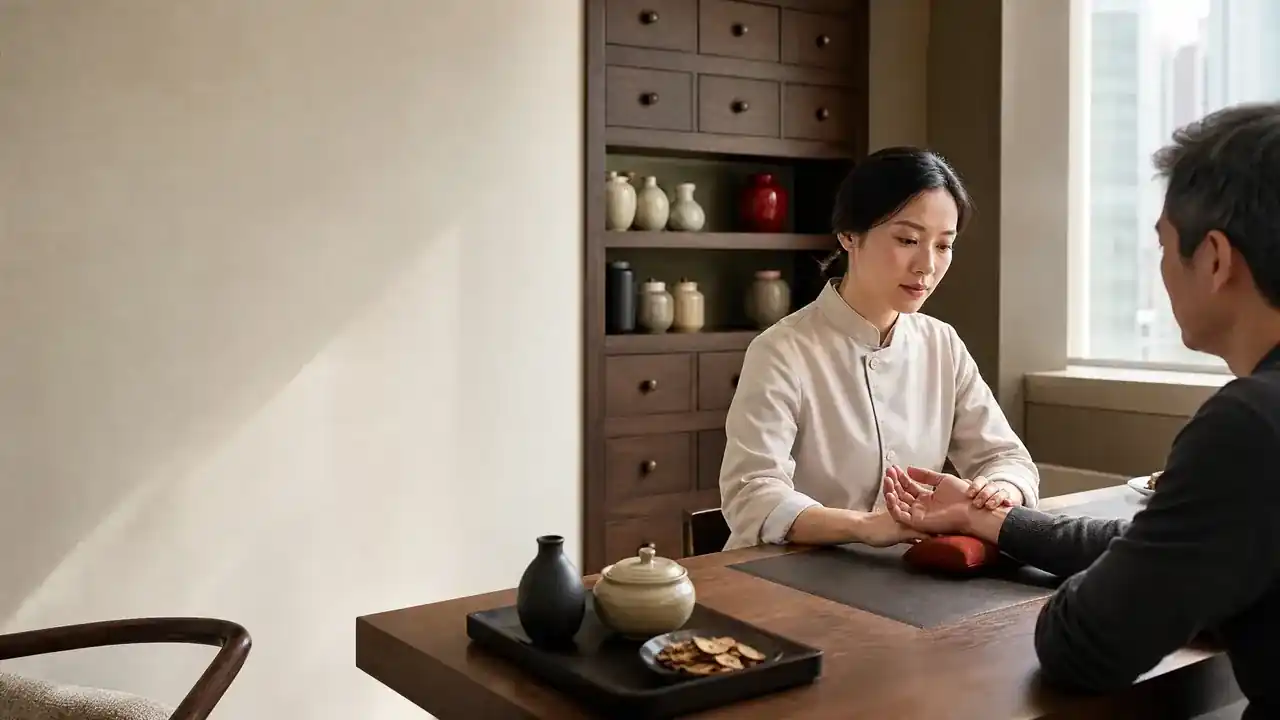
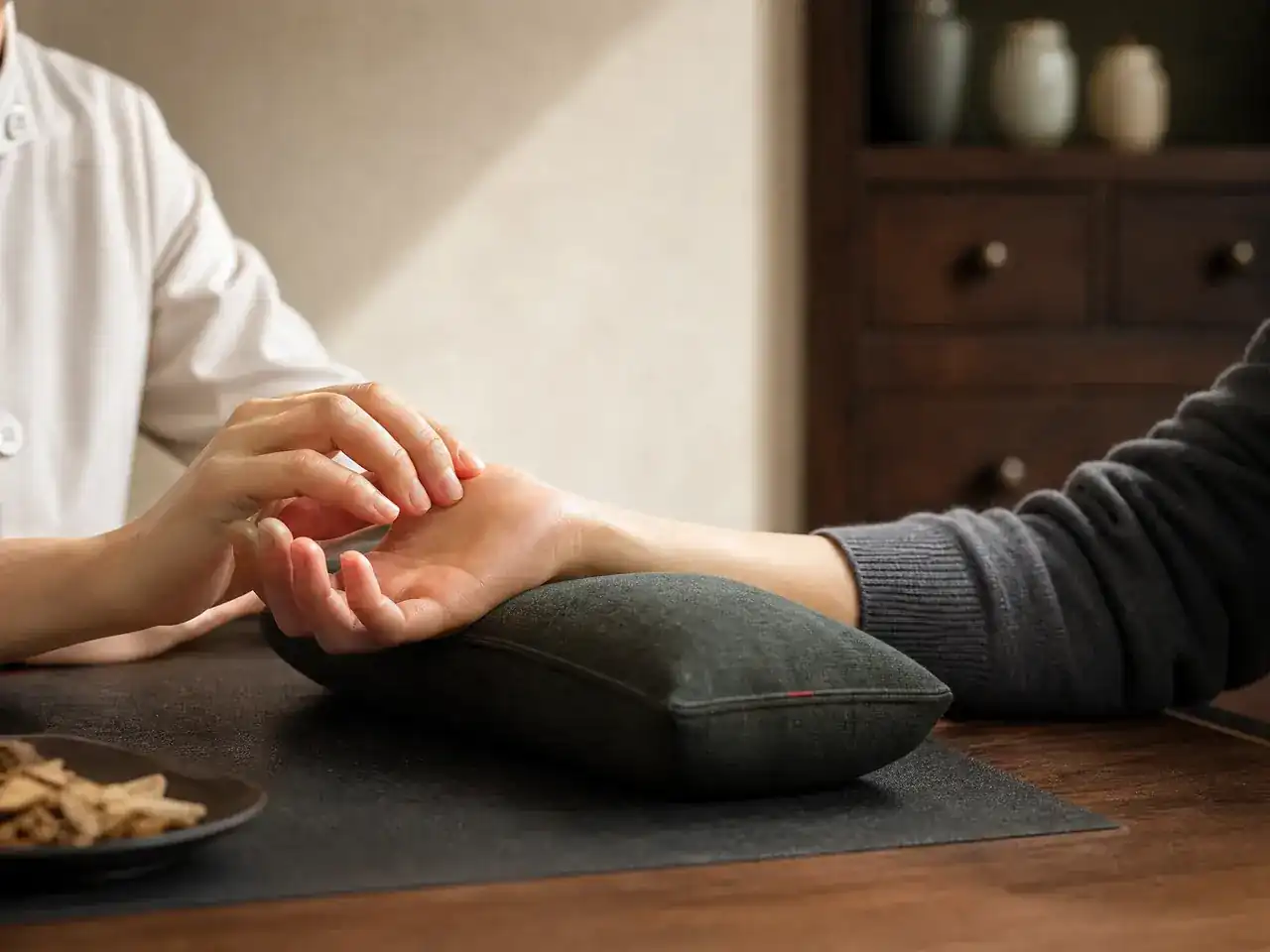
The registered Chinese medicine practitioners at Harmonia TCM Clinic in Kwun Tong will conduct a detailed assessment of your constitutional characteristics and specific symptoms through the four diagnostic methods: observation, auscultation and olfaction, inquiry, and pulse-taking. We understand that everyone's condition is unique, so during the assessment, the practitioner will carefully analyze the root causes of your qi and blood deficiency to formulate the most suitable regulation plan for you.
Common Manifestations and Constitutional Characteristics
Qi and blood deficiency is not a single symptom but a group of interrelated manifestations. In daily life, one of the most obvious characteristics is a persistent sense of fatigue. This fatigue is often not simply caused by a lack of sleep, but rather a lack of sufficient energy in the body to maintain normal physiological activities. Patients may find themselves out of breath after mild exertion or feeling particularly exhausted in the afternoon.
Besides fatigue, a pale complexion is also an important indicator of qi and blood deficiency. TCM believes that 'the heart governs the blood vessels, and its manifestation is in the face.' When qi and blood are insufficient, the facial skin cannot receive adequate nourishment, appearing dull and lacking color. Furthermore, some individuals may also experience pale lips and nails, cold hands and feet, and easy hair loss. These external manifestations reflect the internal depletion of qi and blood.
For women, qi and blood deficiency may also affect the menstrual cycle, leading to a reduced flow, delayed periods, or even amenorrhea. For these complex symptoms, TCM emphasizes pattern differentiation and treatment. It does not merely address a single symptom but focuses on improving the overall constitution. By regulating the functions of the spleen and stomach to enhance the source of qi and blood production, it helps to fundamentally improve the state of qi and blood deficiency.
How TCM Assesses and Regulates Qi and Blood Deficiency
The TCM assessment of qi and blood deficiency is a comprehensive and meticulous process. The practitioner will first observe your complexion and tongue, and take your pulse to understand the abundance or decline of qi and blood in your organs. At the same time, the practitioner will inquire in detail about your lifestyle habits, dietary preferences, sleep quality, and emotional state. This information helps the practitioner accurately determine the extent of the qi and blood deficiency and its impact on various body systems.
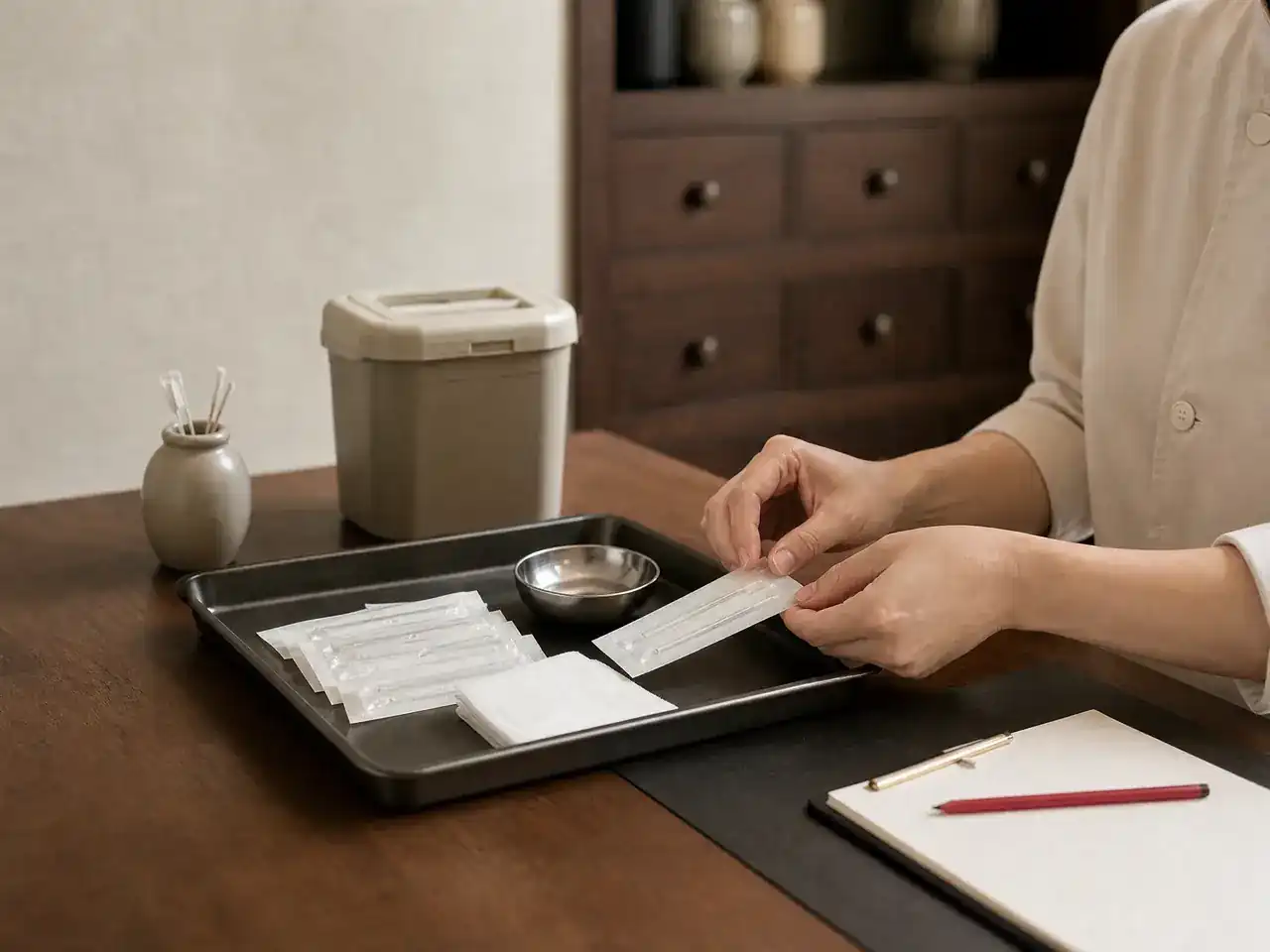
After establishing the diagnosis of qi and blood deficiency, TCM regulation usually adopts the principle of 'tonifying qi and nourishing blood.' Commonly used Chinese herbal medicines include Codonopsis, Astragalus, Angelica sinensis, and prepared Rehmannia, which are believed to have the effect of supplementing qi and generating blood. The practitioner will reasonably combine these herbs according to your specific constitution to prescribe personalized herbal decoctions or granules. In addition to internal herbal medicine, acupuncture is also a commonly used auxiliary regulation method. By stimulating specific acupoints, it helps to clear the meridians and promote the circulation of qi and blood.
It must be emphasized that TCM regulation is a gradual process and cannot be achieved overnight. The practitioners at Harmonia TCM Clinic in Kwun Tong will maintain close communication with you and adjust the plan in a timely manner based on your response during the regulation process. We are committed to providing you with safe and appropriate TCM support to help you gradually improve issues such as fatigue and a pale complexion.
Comparing Qi and Blood Deficiency with Other Constitutions
In TCM constitutional theory, besides qi and blood deficiency, there are various other constitutional states. Understanding the differences between these constitutions helps in more accurate self-observation and health management. For example, individuals with a yin deficiency constitution may also feel fatigue, but it is often accompanied by 'heat' manifestations such as a dry mouth and throat, and heat in the palms and soles; whereas a yang deficiency constitution is more prone to an aversion to cold and cold limbs.
Qi and blood deficiency is also often confused with qi stagnation and blood stasis. Qi stagnation and blood stasis mainly refer to the unsmooth circulation of qi and blood, commonly manifesting as localized stabbing pain, a dark complexion, or ecchymosis. Although both are related to qi and blood, the principles of regulation are completely different. Qi and blood deficiency requires 'tonifying,' while qi stagnation and blood stasis require 'dredging.' Therefore, accurate constitutional identification is a prerequisite for effective regulation.
The table below lists the main characteristics comparing qi and blood deficiency with other common constitutions for your reference. Please note that this is general information only and cannot replace the diagnosis of a professional Chinese medicine practitioner. If you have questions about your constitution, it is recommended to seek a professional assessment from a registered Chinese medicine practitioner.
| Constitution Type | Main Characteristics | Common Manifestations | Regulation Principle |
|---|---|---|---|
| Qi and Blood Deficiency | Insufficient qi and blood, organs lack nourishment | Fatigue, pale complexion, dizziness, palpitations | Tonify qi and nourish blood, strengthen spleen and stomach |
| Yin Deficiency with Internal Heat | Depletion of yin fluid, internal generation of deficient heat | Dry mouth and throat, heat in palms and soles, hot flashes, night sweats | Nourish yin and clear heat, moisten dryness and generate fluid |
| Yang Deficiency with Cold Coagulation | Insufficient yang qi, failure to warm | Aversion to cold, cold limbs, loose stools | Warm and tonify yang qi, dispel cold and unblock collaterals |
| Qi Stagnation and Blood Stasis | Unsmooth qi mechanism, obstructed blood circulation | Localized stabbing pain, dark complexion, ecchymosis on tongue | Regulate qi and activate blood, resolve stasis and relieve pain |
Coordinating Daily Diet and Lifestyle Habits
In addition to receiving professional TCM regulation, daily diet and lifestyle habits are equally important for improving qi and blood deficiency. TCM believes that 'the spleen and stomach are the foundation of acquired constitution and the source of qi and blood production.' Therefore, protecting the functions of the spleen and stomach is key to regulating qi and blood. It is recommended that the diet should be light and easy to digest, avoiding excessive consumption of raw, cold, greasy, or spicy and stimulating foods to prevent increasing the burden on the spleen and stomach.
When choosing ingredients, you can moderately increase foods that have the effect of strengthening the spleen, supplementing qi, nourishing blood, and calming the mind, such as red dates, longan, goji berries, yam, and black sesame. At the same time, maintaining a regular daily routine, avoiding staying up late, and ensuring adequate sleep will help the body's qi and blood recover. Moderate exercise, such as walking, Tai Chi, or yoga, can also promote qi and blood circulation, but overly strenuous exercise should be avoided to prevent depleting qi and blood.
Emotional management is also an aspect that cannot be ignored. Long-term mental tension, anxiety, or depression will affect the smooth flow of the qi mechanism, thereby affecting the generation and circulation of qi and blood. Maintaining a peaceful state of mind and learning to relax appropriately has a positive effect on improving manifestations of qi and blood deficiency, such as fatigue and a pale complexion. The practitioners at Harmonia TCM Clinic in Kwun Tong will also provide relevant lifestyle advice while regulating your condition, helping you to comprehensively enhance your health status.
Service Commitment of Harmonia TCM Clinic in Kwun Tong
Harmonia TCM's only physical clinic is located in Kwun Tong. We are committed to providing professional and reliable TCM services to residents in the district and surrounding areas. For the regulation of qi and blood deficiency, we adhere to a patient-centered approach, formulating personalized plans through detailed assessments and communication. We understand that every patient's needs and expectations are different, so throughout the regulation process, we will patiently answer your questions to ensure you have a full understanding of the plan.
the information provided here is intended as general guidance and aims to help the public better understand the basic concepts of qi and blood deficiency and TCM regulation. Whether the relevant services are actually provided, whether they are suitable for your specific situation, as well as potential risks and arrangements, must be confirmed by our registered Chinese medicine practitioners after a personal consultation. We will not make any unrealistic guarantees but will provide you with appropriate TCM support with a professional attitude.
If you experience persistent fatigue or a pale complexion due to qi and blood deficiency and wish to seek help from TCM, you are welcome to contact Harmonia TCM Clinic in Kwun Tong. Our team will wholeheartedly serve you and work with you towards a healthier, more balanced life.
Frequently asked questions
How long does it take to see improvement when regulating qi and blood deficiency?
The time required for TCM regulation of qi and blood deficiency varies from person to person, depending on the extent of the deficiency, individual constitution, and response to the regulation. Generally, mild qi and blood deficiency may see a reduction in fatigue within a few weeks; while longer-term imbalances may require several months of continuous regulation. The practitioner will provide reasonable expectations based on your specific situation.
Besides herbal medicine, can acupuncture help improve a pale complexion?
Acupuncture can serve as an auxiliary method to herbal medicine regulation. By stimulating specific acupoints, acupuncture helps to clear the meridians and promote qi and blood circulation. When qi and blood circulation improves, the facial skin receives better nourishment, and a pale complexion may also improve accordingly. Whether acupuncture is suitable for you must be evaluated and decided by a practitioner.
Can individuals with qi and blood deficiency casually take over-the-counter tonics?
It is not recommended to casually take tonics on your own. There are different types of qi and blood deficiency, and it may be accompanied by other constitutional biases (such as being too weak to receive tonics). Blindly taking tonics without professional pattern differentiation may not only be ineffective but could even increase the body's burden or cause other discomforts. It is recommended to undergo regulation under the guidance of a registered Chinese medicine practitioner.
Does Harmonia TCM Clinic in Kwun Tong offer home visit consultation services?
Harmonia TCM's only physical clinic is located in Kwun Tong. Regarding whether home visit services are provided, it is currently pending confirmation. The actual service arrangements, coverage area, and feasibility must be further confirmed by the clinic and a registered Chinese medicine practitioner. Please contact us for the latest information.
Can pregnant or breastfeeding women receive regulation for qi and blood deficiency?
The constitution of pregnant and breastfeeding women is relatively special, and their response to herbal medicine and acupuncture may also differ. Although TCM can provide regulation for these individuals, it must be done with extreme caution. If you are pregnant or breastfeeding, please be sure to inform the practitioner truthfully during the consultation so that a safe and appropriate plan can be formulated.
If I am taking Western medication, can I receive TCM regulation at the same time?
In many cases, combining Chinese and Western medicine is possible, but attention must be paid to potential interactions between medications. To ensure safety, please provide the Chinese medicine practitioner with a list of all Western medications and supplements you are currently taking during the consultation. The practitioner will adjust the herbal prescription accordingly and advise on the time interval between taking Chinese and Western medicines.
Related topics
Sources
Learn More About TCM Regulation for Qi and Blood Deficiency
If you frequently experience fatigue or a pale complexion and wish to understand how TCM can help assess and regulate your constitution, you are welcome to contact us. The registered Chinese medicine practitioners at Harmonia TCM Clinic in Kwun Tong will provide you with professional advice. Please note that actual service arrangements must be confirmed by the clinic.