TCM Internal Medicine
Hormonal imbalance
Hormonal imbalance can impact multiple systems in the body, potentially leading to fatigue, mood swings, sleep disturbances, and irregular menstrual cycles. From a Traditional Chinese Medicine (TCM) perspective, these issues are often related to disharmony in organ functions and the flow of Qi and blood. The registered Chinese medicine practitioners at Harmonia TCM are dedicated to conducting comprehensive assessments to understand each patient's unique constitution. We provide targeted endocrine balance support plans aimed at helping the body restore its natural harmony.
Quick answer: Hormonal imbalance is common across different age groups and can cause various physical and emotional discomforts. TCM focuses on endocrine balance by assessing individual constitutions to improve organ function and support the body's natural equilibrium. If you experience severe or continuously worsening symptoms, you should seek appropriate immediate medical evaluation.
CLEAR PRICES
Interested in a treatment? You are always welcome to ask.
We clearly list our current single, trial and package prices so you can explore at your own pace. You are always welcome to message us on WhatsApp about any service, timing or arrangement.
| Category and service | Content / terms | Public price (HK$) | Booking note | Enquire |
|---|---|---|---|---|
| Hair & scalp | Scalp health and hair-loss support | AI scalp analysis, deep follicle cleansing and oil-control support | Trial offerPackageTrial 380; 6 sessions 3,480; 12 sessions 5,760; 20 sessions 8,600; 30 sessions 11,400 | Average per session for 6/12/20/30: 580/480/430/380 | Ask on WhatsApp |
| Hair & scalp | Hair acupuncture with herbal medicine | Scalp acupuncture with 3 days of decoction-free herbal medicine | Single visitPackageSingle 580; 6 sessions 3,180; 12 sessions 5,760; 20 sessions 8,600; 30 sessions 11,400 | Average per session for 6/12/20/30: 530/480/430/380 | Ask on WhatsApp |
| Hair & scalp | Integrated hair support programme | Acupuncture, herbal medicine and follicle activation; packages include shampoo and serum | Single visitPackageSingle 1,260; 8 sessions 8,640; 16 sessions 15,680; 20 sessions 18,600; 30 sessions 26,400 | Average per session for 8/16/20/30: 1,080/980/930/880 | Ask on WhatsApp |
| Weight management | Full-body acupoint embedding | Full-body acupoint embedding; packages include proportionate days of herbal support | Single visitPackageSingle 980; 10 sessions 7,800; 20 sessions 14,600; 30 sessions 20,400 | Average per session for 10/20/30: 780/730/680 | Ask on WhatsApp |
| Facial acupuncture | Brightening V-face (Essential) | Facial acupuncture, meridian support and swelling management | Trial offerPackageTrial 480; 10 sessions 5,200; 20 sessions 9,600; 30 sessions 13,500 | Average per session for 10/20/30: 520/480/450 | Ask on WhatsApp |
| Facial acupuncture | Firming and refining (Advanced) | Enhanced facial acupuncture for firmness and fine-line concerns with a moisturising mask serum | Trial offerPackageTrial 780; 10 sessions 9,000; 20 sessions 16,600; 30 sessions 23,400 | Average per session for 10/20/30: 900/830/780 | Ask on WhatsApp |
| Pain care | Extracorporeal shockwave therapy | Deep inflammation support and fascial relaxation | Prince Edward: 250 per area; Kwun Tong: 250 for 1 area, 450 for 2, 600 for 3 | Clinic-specific pricing; confirm location before booking | Ask on WhatsApp |
| Pain care | Manual therapy | TCM bone-injury assessment, manual alignment and tui na techniques | Single visitSingle 580 | Suitability is confirmed after assessment | Ask on WhatsApp |
| Pain care | Acupuncture with manual therapy | Acupuncture with manual structural support | Single visitSingle 680 | Suitability is confirmed after assessment | Ask on WhatsApp |
| TCM regulation | Acupuncture with herbal medicine | TCM consultation, whole-body acupuncture and 3 days of decoction-free herbal medicine granules | Single visitSingle 580 | Confirm clinician availability and service arrangement when booking | Ask on WhatsApp |

Common Manifestations of Hormonal Imbalance and the TCM Perspective
Hormonal imbalance is increasingly common in modern life, with wide-ranging effects that may involve mood, sleep, metabolism, and the reproductive system. Patients often experience unexplained fatigue, weight changes, mood swings, poor sleep quality, and irregular menstrual cycles in women. While these symptoms are common, ignoring them over the long term can have a profound impact on overall quality of life. Therefore, early identification and seeking professional assessment are crucial.
From the perspective of Traditional Chinese Medicine, hormonal imbalance is often closely related to internal Yin-Yang disharmony, Qi and blood imbalances, and dysfunction of the internal organs. TCM emphasizes the holistic nature of the human body, considering organs such as the Kidneys, Liver, and Spleen to play key roles in maintaining endocrine balance. For instance, the Kidneys are considered the foundation of innate constitution, closely related to reproduction, growth, and development. The Liver is responsible for ensuring the smooth flow of Qi and regulating emotions, while the Spleen is the foundation of acquired constitution, managing digestion and nutrient absorption. When the functions of these organs deviate, the need for endocrine balance support may increase.
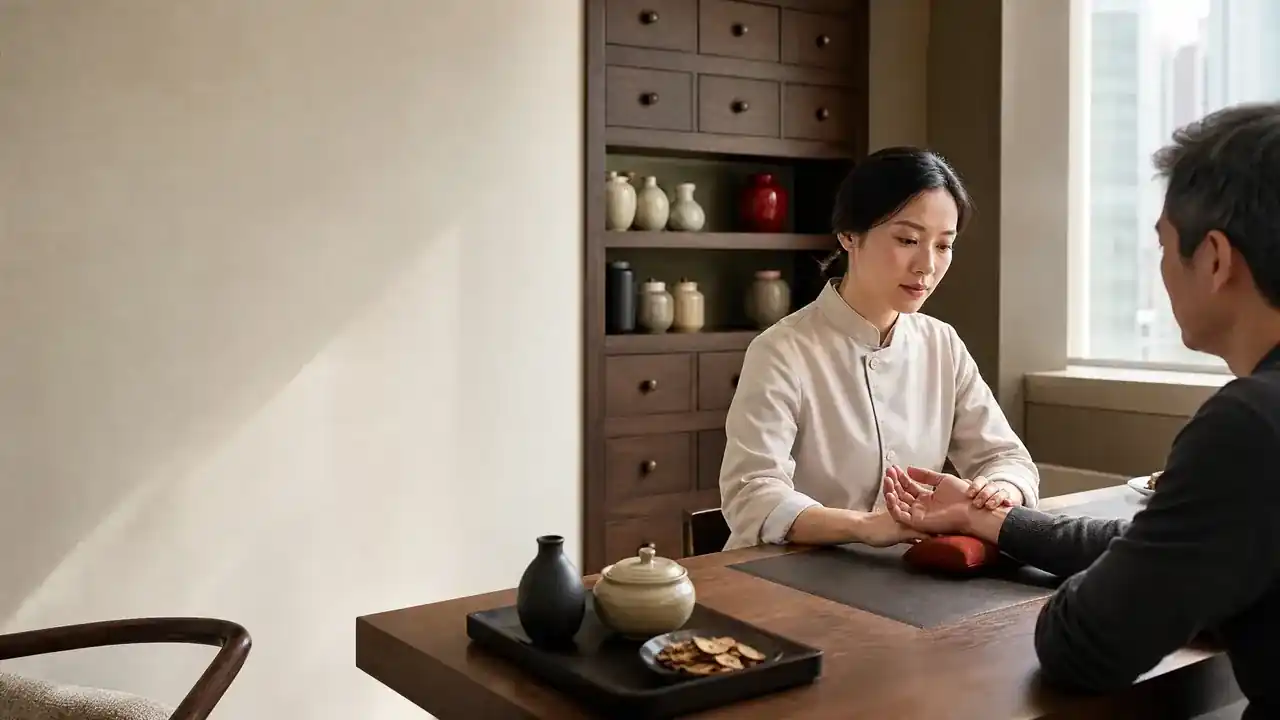
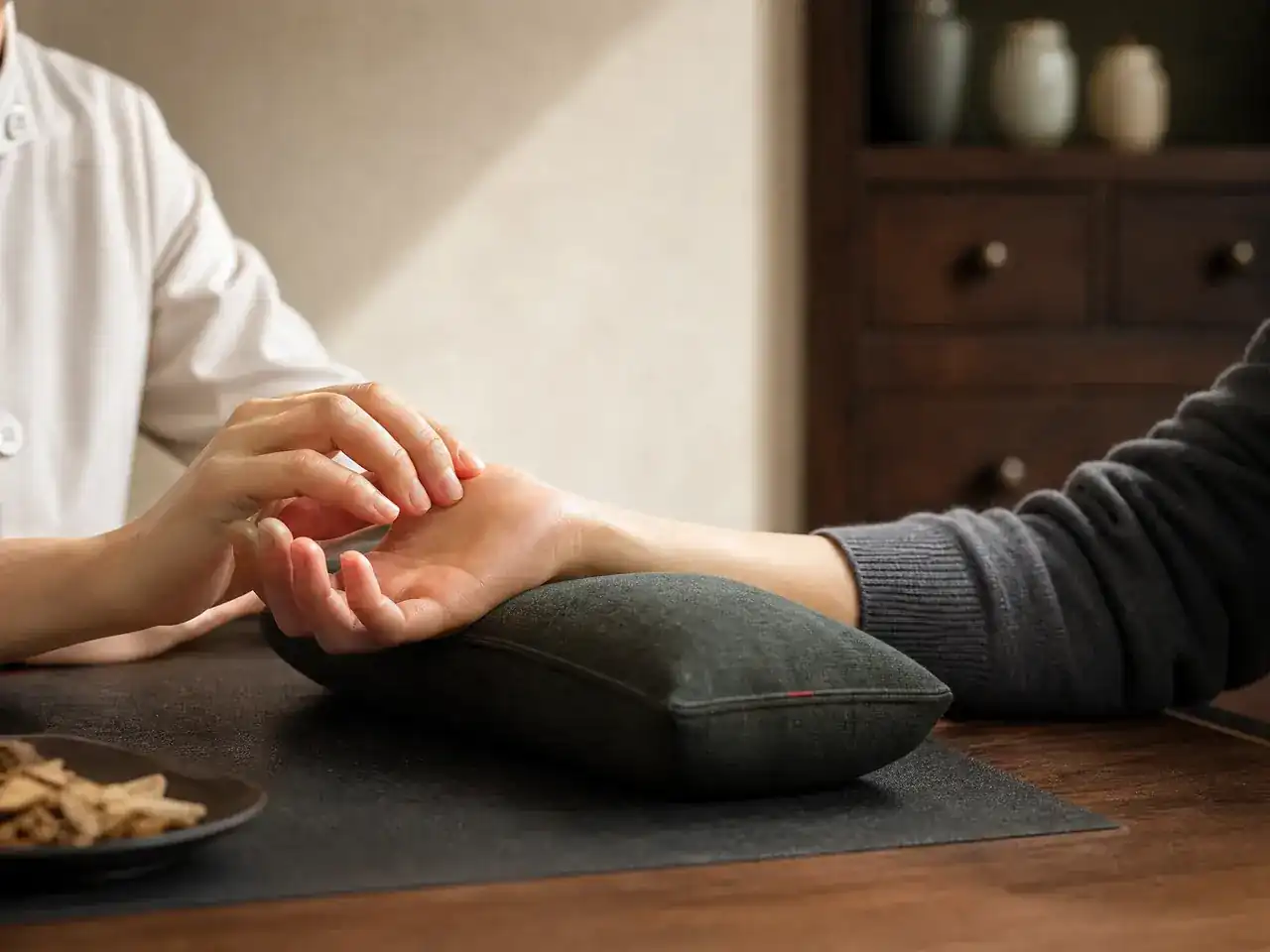
When addressing these issues, the registered Chinese medicine practitioners at Harmonia TCM utilize the traditional four diagnostic methods: observation, auscultation and olfaction, inquiry, and pulse-taking. This comprehensive approach allows practitioners to thoroughly understand the patient's specific symptoms, lifestyle habits, and medical history. Through this detailed assessment, practitioners can identify the patient's constitutional imbalances and formulate personalized support plans aimed at helping the body gradually return to a state of natural balance.
Personalized Assessment for Endocrine Balance
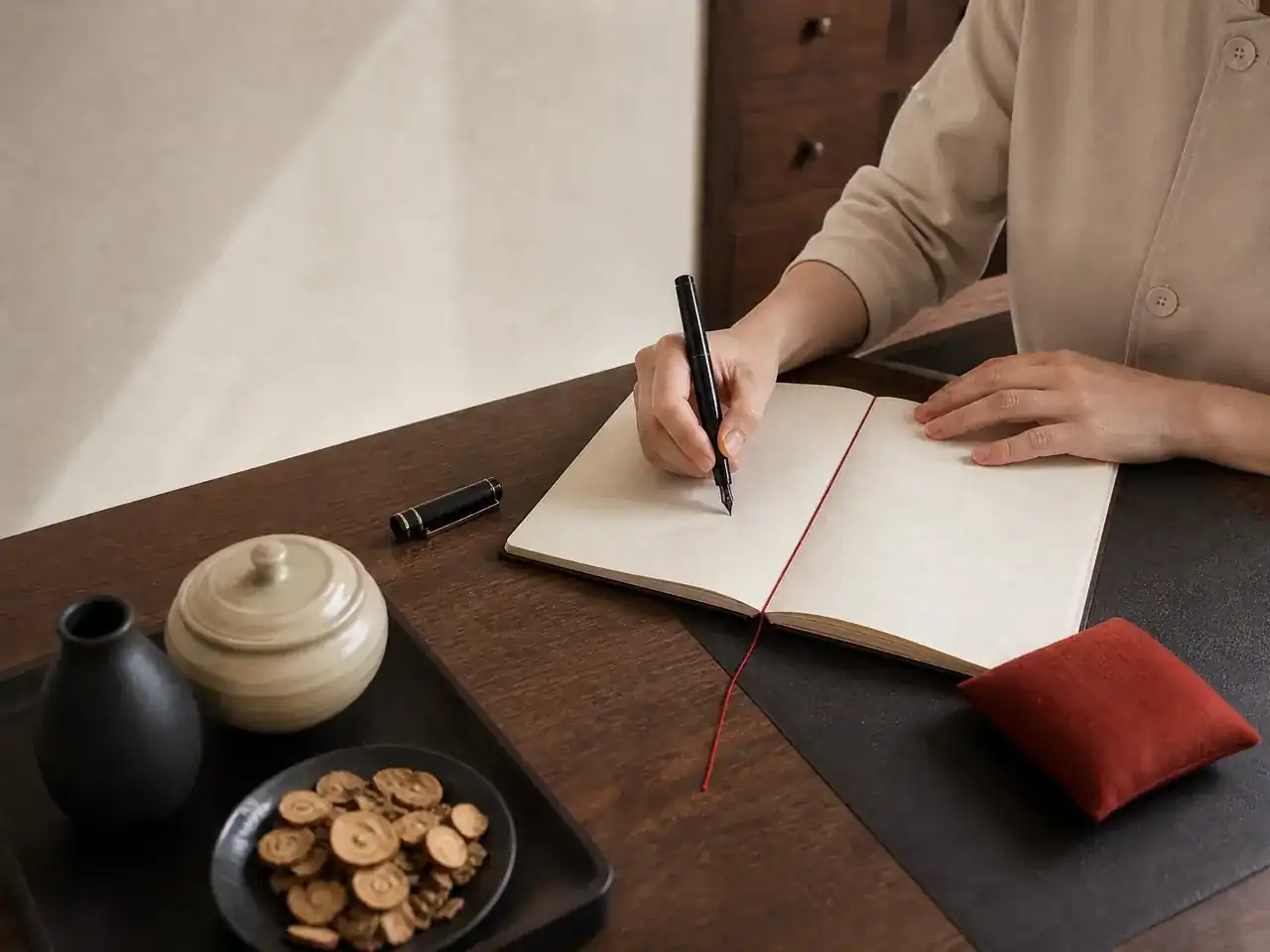
Every individual's constitution and living environment are unique, which means that the support plans for hormonal imbalance should also be distinct. The core of endocrine balance in TCM lies in 'syndrome differentiation and treatment,' which involves determining the appropriate approach based on the patient's specific 'syndrome.' This requires the Chinese medicine practitioner to have extensive clinical experience and keen observation skills to ensure the accuracy of the assessment.
During the assessment process, the practitioner will pay special attention to the patient's overall condition, rather than just focusing on a single symptom. For example, for a patient presenting with significant mood swings and a feeling of distension in the chest and hypochondrium, the practitioner might consider the possibility of Liver Qi stagnation. Conversely, for a patient who frequently feels cold, has cold extremities, and experiences soreness in the lower back and knees, the focus might shift to Kidney Yang deficiency. This targeted assessment helps to more accurately pinpoint the root of the problem.
Furthermore, the practitioner will discuss potential influencing factors in the patient's daily life, such as dietary habits, stress levels, and sleep routines. These factors often play a contributing role in the development of hormonal imbalance. Through comprehensive analysis, the practitioner can provide the patient with more holistic lifestyle advice, which, combined with professional TCM support, works together to promote overall health.
The Diversity of TCM Support Options
For hormonal imbalance, TCM offers a variety of support methods. These methods can be used individually or combined based on the patient's specific situation. Common approaches include the internal use of Chinese herbal medicine, acupuncture, Tui Na (Chinese therapeutic massage), and cupping. Each method has its unique mechanism of action and scope of application, and the practitioner will select the most suitable plan for the patient based on the assessment results.
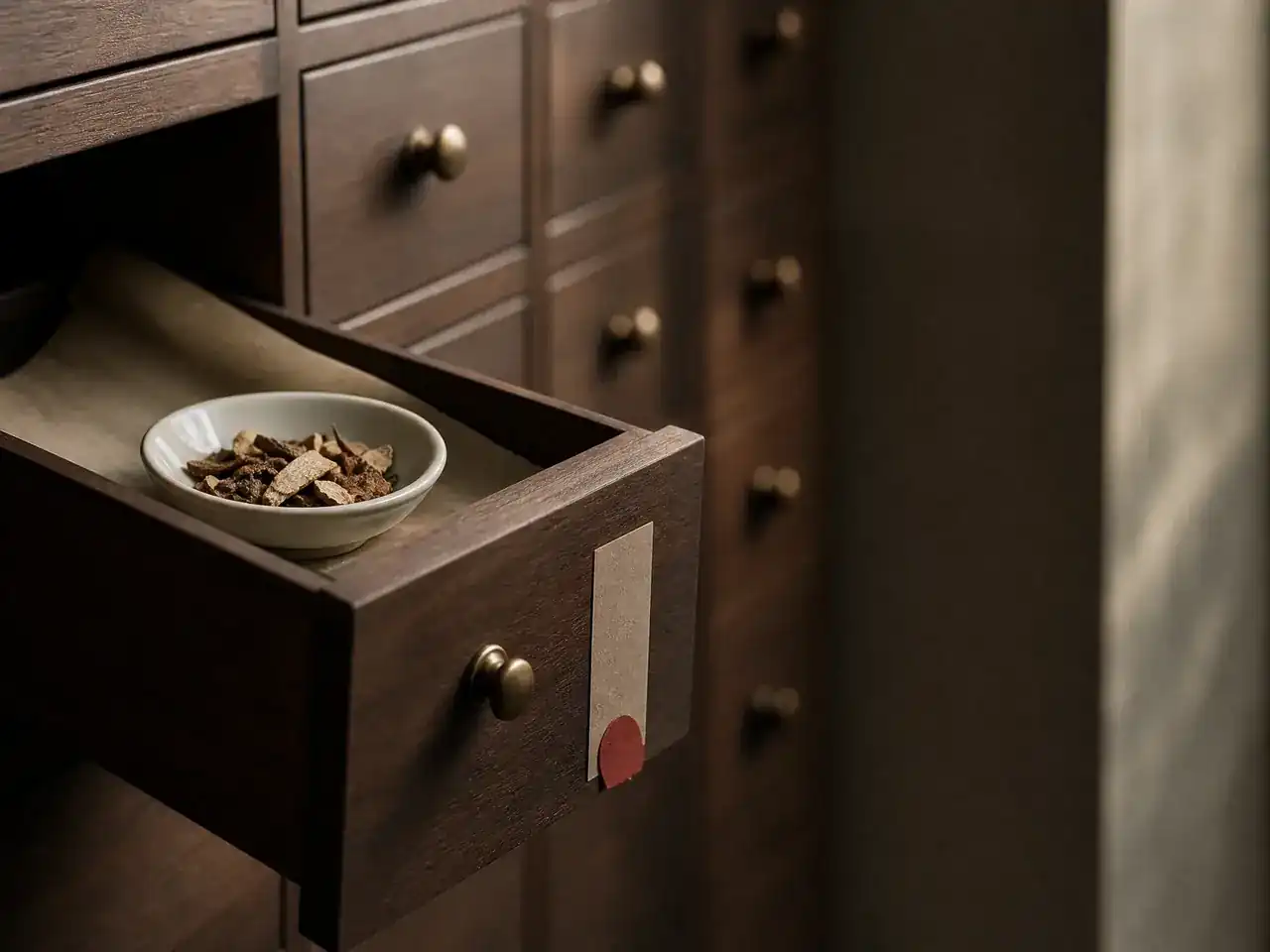
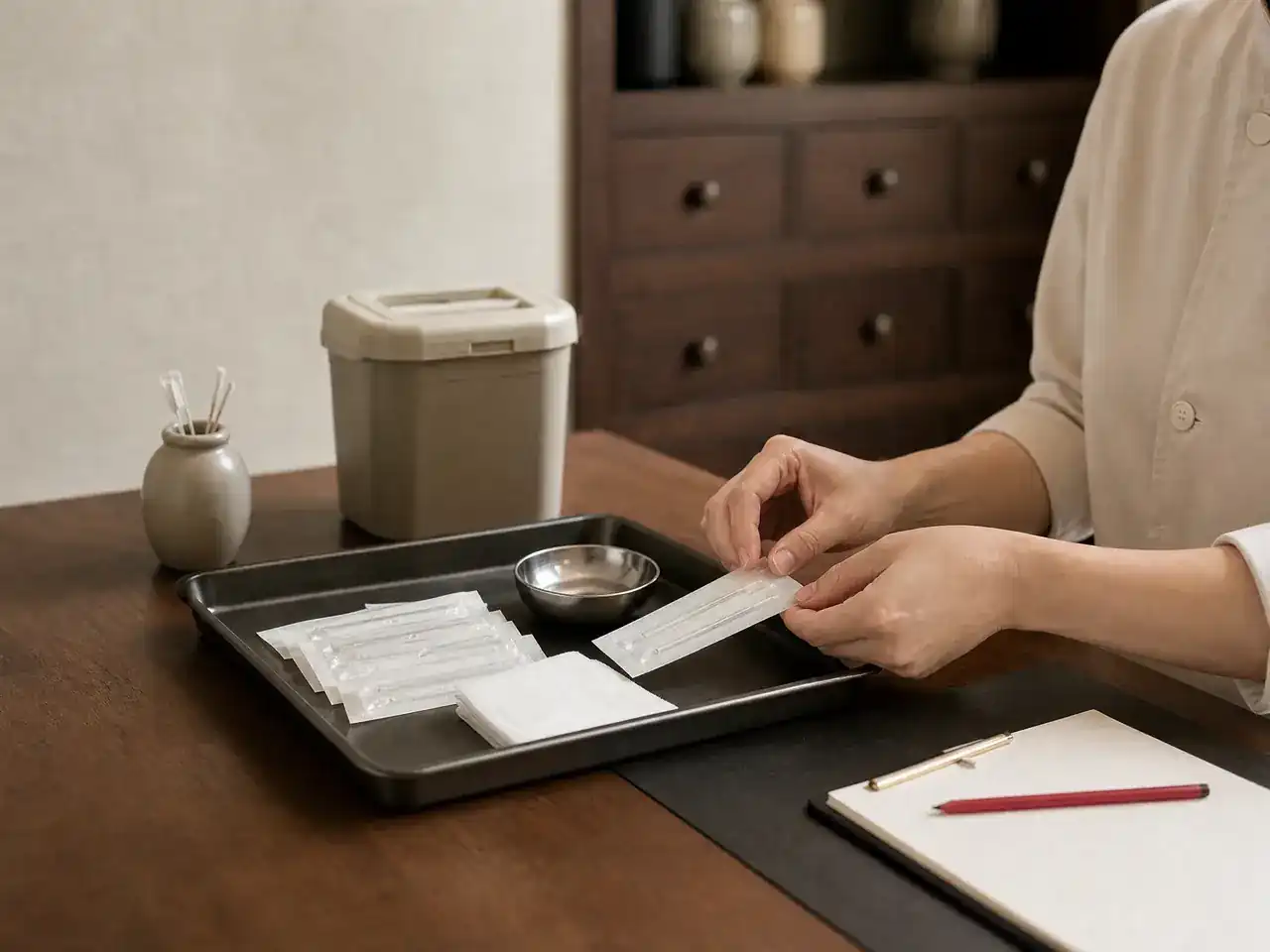
The internal use of Chinese herbal medicine is a commonly utilized method for endocrine balance. The practitioner will prescribe a formula consisting of various herbal ingredients tailored to the patient's constitution and syndrome. These formulas aim to regulate organ functions and harmonize Qi and blood, thereby improving the overall physiological state. Acupuncture involves stimulating specific acupoints on the body to clear the meridians and regulate the flow of Qi and blood. For some patients experiencing pain or localized discomfort, acupuncture may provide a certain degree of relief.
Throughout the process, the practitioner will closely monitor the patient's response and adjust the plan as necessary. This dynamic adjustment mechanism ensures the targeted and adaptable nature of the support plan. At the same time, the practitioner will explain the purpose and potential effects of each method in detail, allowing the patient to fully understand and participate in their own health management.
Comparison of Common TCM Syndromes in Hormonal Imbalance
To more clearly illustrate the TCM classification of hormonal imbalance, the following table lists several common syndromes and their primary characteristics. This can help patients gain a preliminary understanding of their physical condition, but a specific diagnosis and assessment must still be conducted by a registered Chinese medicine practitioner.
| TCM Syndrome | Common Manifestations | Related Organs | Direction of Support |
|---|---|---|---|
| Liver Qi Stagnation | Mood swings, chest and hypochondriac distension, irregular menstrual cycles | Liver | Soothe the Liver, relieve stagnation, regulate Qi and menstruation |
| Kidney Deficiency (Yin/Yang) | Sore lower back and knees, aversion to cold or feeling hot in the palms/soles, tinnitus | Kidneys | Nourish Yin and tonify Kidneys, or warm and tonify Kidney Yang |
| Spleen Deficiency with Dampness | Fatigue, poor appetite, loose stools, weight gain | Spleen | Strengthen the Spleen, replenish Qi, resolve dampness, harmonize the stomach |
| Qi and Blood Deficiency | Pale complexion, dizziness, palpitations, fatigue, scanty menstruation | Heart, Spleen | Replenish Qi, nourish blood, strengthen the Spleen, calm the Heart |
Coordinating Lifestyle and Daily Care
In addition to professional TCM support, self-care in the patient's daily life is equally important. Good lifestyle habits are the foundation for maintaining endocrine balance. Chinese medicine practitioners typically advise patients to make appropriate adjustments in areas such as diet, daily routine, and emotional management to complement the overall support plan.
Regarding diet, it is recommended to maintain balanced nutritional intake and avoid excessive consumption of raw, cold, spicy, or greasy foods, which can impair Spleen and Stomach functions. In terms of daily routine, patients should try to maintain regular sleep schedules, avoid staying up late, and allow the body ample opportunity to rest and repair. Furthermore, moderate exercise can help promote the flow of Qi and blood and strengthen the constitution.
Emotional management plays a significant role in endocrine balance. Long-term psychological stress and negative emotions can affect the Liver's function of maintaining the smooth flow of Qi, thereby exacerbating the symptoms of hormonal imbalance. Therefore, patients should learn to relax appropriately and find stress-relief methods that suit them, such as meditation, yoga, or deep breathing exercises. Maintaining a calm state of mind has positive implications for promoting the body's recovery.
Harmonia TCM's Professional Commitment and Service Arrangements
Harmonia TCM is committed to providing patients with professional, safe, and attentive Chinese medicine services. Our registered Chinese medicine practitioners possess extensive clinical experience and strictly adhere to the professional codes of the Chinese Medicine Council of Hong Kong. When addressing complex issues such as hormonal imbalance, we consistently adhere to a patient-centered principle, providing personalized assessment and support.
Please note that service availability, suitability and arrangements require individual confirmation. Availability, suitability, potential risks, and specific arrangements for the related services require final confirmation by the clinic and a registered Chinese medicine practitioner. Our only physical clinic is located in Kwun Tong. The service scope mentioned here is intended as general guidance and does not imply the existence of branches in other areas.
We encourage patients to maintain an open and positive attitude when facing health issues. Through in-depth communication with the practitioner, patients can better understand their physical condition and collaboratively develop the most suitable health management plan. Harmonia TCM will accompany you on this journey to restore balance.
Frequently asked questions
How does TCM assess hormonal imbalance?
TCM primarily assesses hormonal imbalance through the four diagnostic methods: observation, auscultation and olfaction, inquiry, and pulse-taking. The practitioner will observe the patient's complexion and tongue, listen to their voice and breathing, inquire about detailed symptoms, lifestyle habits, and medical history, and take their pulse. This information helps the practitioner identify constitutional imbalances and formulate an appropriate endocrine balance plan.
How long does endocrine balance support usually take?
The duration of endocrine balance support varies from person to person, depending on the patient's specific constitution, the severity of the symptoms, and their response to TCM support. Generally, TCM support is a gradual process that may take several weeks to months. The practitioner will regularly assess progress and discuss the expected timeline with the patient.
Do I need to change my dietary habits while receiving TCM support?
Yes, dietary habits play an important role in endocrine balance. The practitioner will typically provide specific dietary advice based on your constitution, such as avoiding raw, cold, spicy, or greasy foods, and encouraging balanced nutritional intake. Good dietary habits help complement the TCM support plan and promote the body's balance.
Can I take Chinese herbal medicine and Western medicine at the same time?
Taking Chinese herbal medicine and Western medicine simultaneously may cause interactions. Therefore, before starting TCM support, you must provide the registered Chinese medicine practitioner with a detailed report of all Western medications and supplements you are currently taking. The practitioner will assess potential risks and recommend an appropriate interval between taking the medications to ensure safety.
Is acupuncture helpful for hormonal imbalance?
Acupuncture is one of the commonly used support methods in TCM. By stimulating specific acupoints, acupuncture aims to clear the meridians and regulate the flow of Qi and blood. For certain discomforts related to hormonal imbalance, such as pain or mood swings, acupuncture may provide a degree of relief. Whether it is suitable for you must be determined by the practitioner after an assessment.
What should I do if my symptoms do not improve?
If your symptoms do not improve or even worsen after receiving TCM support for a period of time, you should inform your Chinese medicine practitioner immediately. The practitioner will reassess your condition and adjust the plan. At the same time, if you experience severe or continuously worsening symptoms, you should seek appropriate immediate conventional medical evaluation.
Related topics
Sources
Learn More About Endocrine Balance
If you have any questions about hormonal imbalance or TCM assessment, please feel free to contact us. The registered Chinese medicine practitioners at Harmonia TCM will provide you with professional advice and support.