TCM Diagnosis & Assessment
Pulse Diagnosis
Pulse diagnosis is an indispensable assessment method in traditional Chinese medicine. By feeling the rhythm and variations of the pulse, TCM practitioners can gain preliminary insights into the flow of Qi and blood, as well as the state of the internal organs. At Harmonia TCM, we combine pulse reading with a comprehensive TCM diagnosis to provide objective, professional constitution analysis and care plans for every individual. Please note that the availability, suitability, and arrangements of the pulse diagnosis services described on this page require final confirmation by a registered Chinese medicine practitioner and the clinic.
Quick answer: Pulse diagnosis is a diagnostic method where TCM practitioners assess the state of Qi, blood, and internal organs by palpating the radial artery at the wrist. As a crucial part of TCM diagnosis, tcm pulse reading helps practitioners develop personalized care plans.
View pricesInquire About Services
CLEAR PRICES
Interested in a treatment? You are always welcome to ask.
We clearly list our current single, trial and package prices so you can explore at your own pace. You are always welcome to message us on WhatsApp about any service, timing or arrangement.
| Category and service | Content / terms | Public price (HK$) | Booking note | Enquire |
|---|---|---|---|---|
| Hair & scalp | Scalp health and hair-loss support | AI scalp analysis, deep follicle cleansing and oil-control support | Trial offerPackageTrial 380; 6 sessions 3,480; 12 sessions 5,760; 20 sessions 8,600; 30 sessions 11,400 | Average per session for 6/12/20/30: 580/480/430/380 | Ask on WhatsApp |
| Hair & scalp | Hair acupuncture with herbal medicine | Scalp acupuncture with 3 days of decoction-free herbal medicine | Single visitPackageSingle 580; 6 sessions 3,180; 12 sessions 5,760; 20 sessions 8,600; 30 sessions 11,400 | Average per session for 6/12/20/30: 530/480/430/380 | Ask on WhatsApp |
| Hair & scalp | Integrated hair support programme | Acupuncture, herbal medicine and follicle activation; packages include shampoo and serum | Single visitPackageSingle 1,260; 8 sessions 8,640; 16 sessions 15,680; 20 sessions 18,600; 30 sessions 26,400 | Average per session for 8/16/20/30: 1,080/980/930/880 | Ask on WhatsApp |
| Weight management | Full-body acupoint embedding | Full-body acupoint embedding; packages include proportionate days of herbal support | Single visitPackageSingle 980; 10 sessions 7,800; 20 sessions 14,600; 30 sessions 20,400 | Average per session for 10/20/30: 780/730/680 | Ask on WhatsApp |
| Facial acupuncture | Brightening V-face (Essential) | Facial acupuncture, meridian support and swelling management | Trial offerPackageTrial 480; 10 sessions 5,200; 20 sessions 9,600; 30 sessions 13,500 | Average per session for 10/20/30: 520/480/450 | Ask on WhatsApp |
| Facial acupuncture | Firming and refining (Advanced) | Enhanced facial acupuncture for firmness and fine-line concerns with a moisturising mask serum | Trial offerPackageTrial 780; 10 sessions 9,000; 20 sessions 16,600; 30 sessions 23,400 | Average per session for 10/20/30: 900/830/780 | Ask on WhatsApp |
| Pain care | Extracorporeal shockwave therapy | Deep inflammation support and fascial relaxation | Prince Edward: 250 per area; Kwun Tong: 250 for 1 area, 450 for 2, 600 for 3 | Clinic-specific pricing; confirm location before booking | Ask on WhatsApp |
| Pain care | Manual therapy | TCM bone-injury assessment, manual alignment and tui na techniques | Single visitSingle 580 | Suitability is confirmed after assessment | Ask on WhatsApp |
| Pain care | Acupuncture with manual therapy | Acupuncture with manual structural support | Single visitSingle 680 | Suitability is confirmed after assessment | Ask on WhatsApp |
| TCM regulation | Acupuncture with herbal medicine | TCM consultation, whole-body acupuncture and 3 days of decoction-free herbal medicine granules | Single visitSingle 580 | Confirm clinician availability and service arrangement when booking | Ask on WhatsApp |

The Fundamental Principles and Historical Background of Pulse Diagnosis
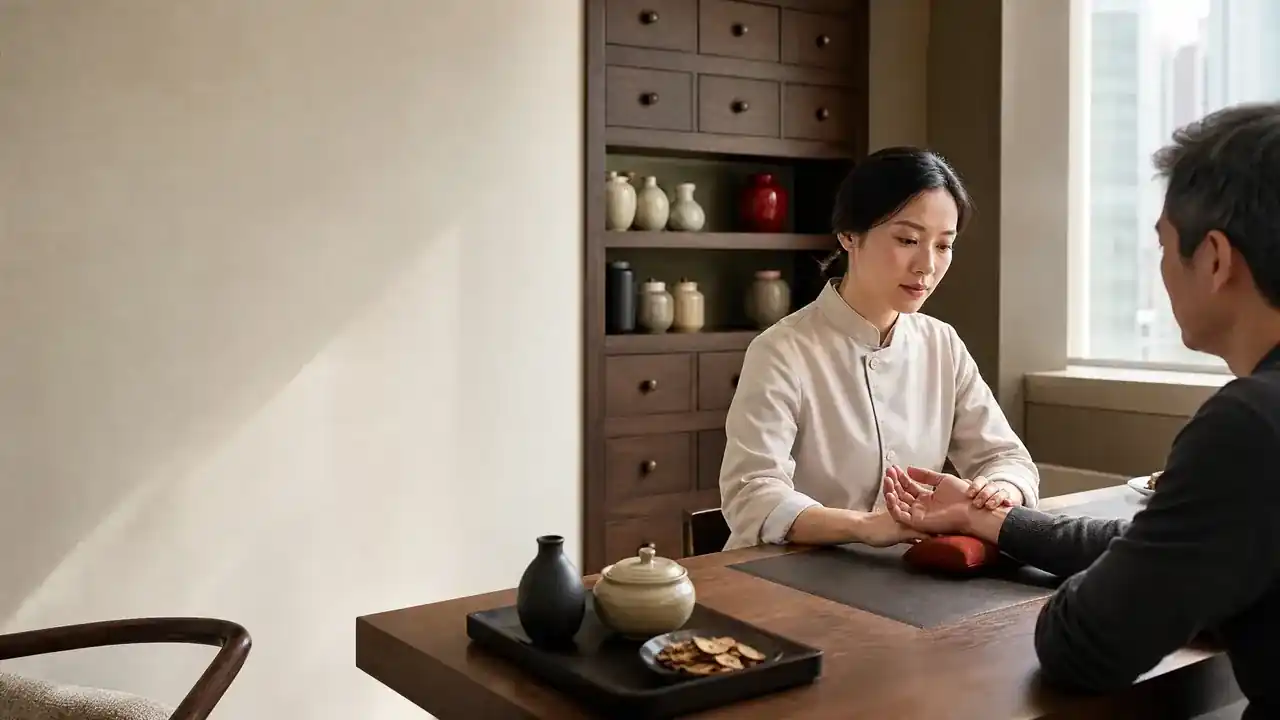
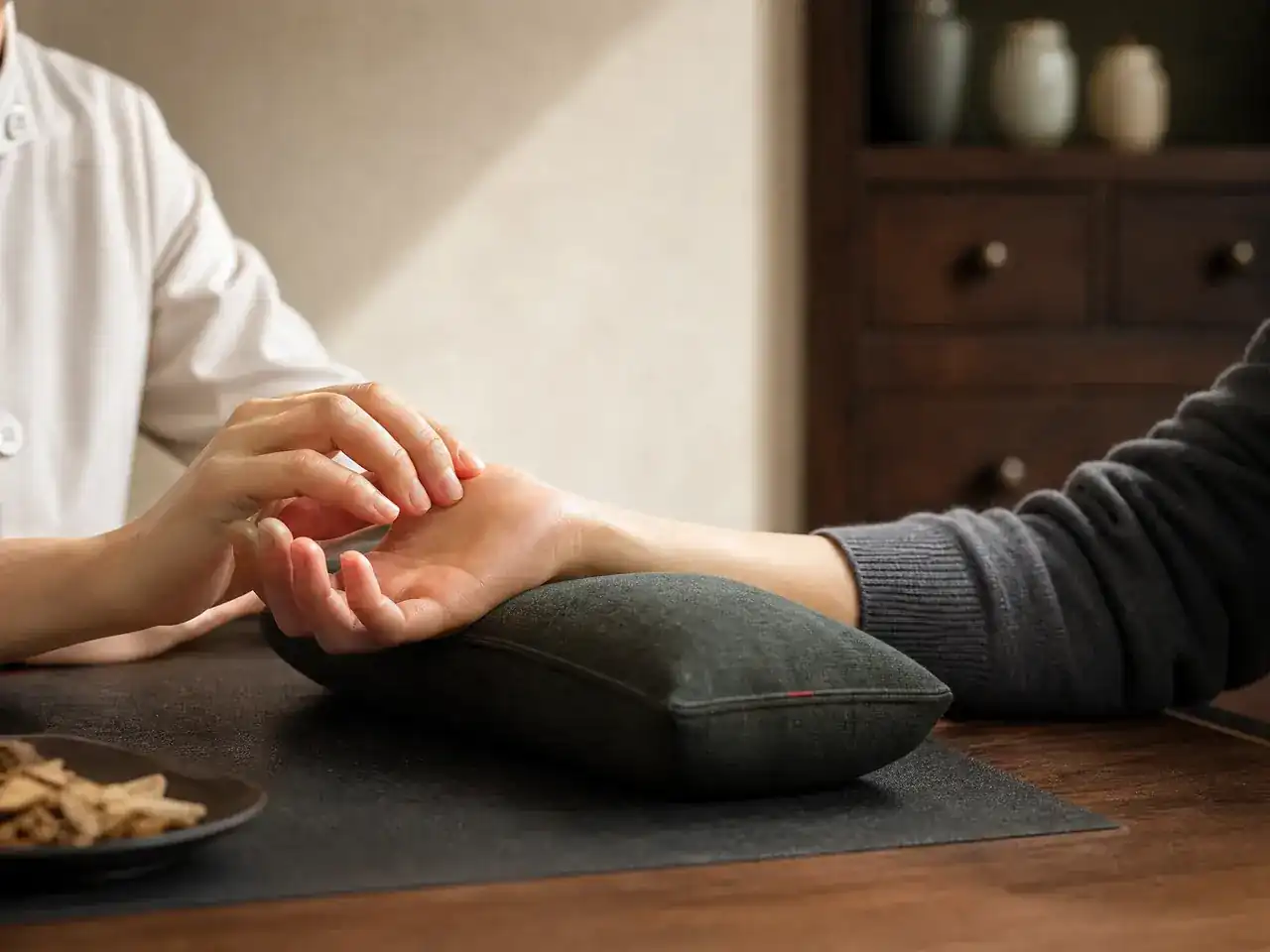
Pulse diagnosis, serving as one of the core assessment tools in traditional Chinese medicine, boasts a profound historical background and a deeply rooted theoretical foundation that spans thousands of years. According to the fundamental principles of traditional Chinese medicine, the intricate flow of Qi and blood, the functional status of the internal organs, and the overall condition of the meridian system are all continuously reflected at specific locations on the surface of the body. The radial artery located at the wrist, traditionally referred to as the "Cun Kou" or the inch opening, is the most commonly utilized site for conducting pulse diagnosis. By carefully palpating this specific area to feel the frequency, rhythm, strength, fluidity, depth, and subtle variations of the pulse, experienced TCM practitioners are able to gather vital information regarding the internal state of the body. This non-invasive assessment method not only exemplifies the holistic and microscopic observational approach of traditional Chinese medicine toward the human body but also showcases the profound wisdom accumulated by ancient medical scholars through extensive, long-term clinical practice and observation.
Throughout the long river of historical development, the theories and techniques associated with pulse diagnosis have been continuously refined, expanded, and systematically organized. From the preliminary explorations and foundational discussions of pulse characteristics found in the ancient medical text "Huangdi Neijing" (The Yellow Emperor's Inner Classic), to the detailed classification and standardization of pulse types meticulously documented in the "Mai Jing" (The Pulse Classic) authored by the prominent Jin dynasty physician Wang Shuhe, pulse diagnosis has gradually evolved into an absolutely indispensable component of the comprehensive TCM diagnosis process. Modern practitioners of traditional Chinese medicine, while faithfully inheriting and applying these traditional pulse diagnosis theories, have also begun to integrate contemporary knowledge of human anatomy and physiology to conduct more in-depth explorations into the physiological mechanisms underlying the formation of various pulse characteristics. Although pulse diagnosis cannot provide the precise, quantified data typically generated by modern medical imaging technologies or comprehensive blood tests, it nevertheless retains a unique and highly valuable reference role in evaluating the overall functional state of the human body, assessing the abundance or deficiency of Qi and blood, and identifying specific constitutional imbalances.
It is crucial to emphasize that pulse diagnosis is never intended to be utilized as an isolated diagnostic technique; rather, it must be seamlessly integrated with other assessment methods in order to maximize its clinical utility and accuracy. When conducting a pulse diagnosis, a TCM practitioner must possess not only an acute sense of touch and a wealth of practical clinical experience but also a profound mastery of traditional Chinese medicine theory, which is essential for accurately interpreting the complex information conveyed by the pulse. At Harmonia TCM, we place a strong emphasis on the professionalism, rigor, and meticulousness of pulse diagnosis. Our practitioners carefully analyze the specific pulse variations of each individual, combining these findings with a thorough evaluation of overall clinical manifestations to form a comprehensive judgment. This rigorous approach ensures that the subsequent care plans and wellness strategies are built upon a solid, objective foundation, tailored specifically to address the unique health needs of the individual.
The Four Pillars of Assessment: A Comprehensive TCM Diagnosis System
Within the clinical practice of traditional Chinese medicine, pulse diagnosis is never employed in isolation. Instead, it functions as one of the four fundamental pillars of assessment, working in close coordination with the other three methods to form a highly comprehensive and cohesive TCM diagnosis system. The first pillar, observation, involves the practitioner carefully examining the individual's outward physical manifestations, including their overall demeanor, facial complexion, body posture, and the specific characteristics of their tongue. This visual assessment provides preliminary clues regarding the strength of the body's Qi and blood, as well as the nature of any underlying pathogenic factors. The second pillar, listening and smelling, requires the practitioner to attentively listen to the individual's voice, breathing patterns, and any sounds of coughing, while also noting any distinct body odors or breath characteristics, thereby gathering additional sensory information relevant to the individual's health status. The third pillar, inquiry, involves a detailed and structured conversation in which the practitioner asks comprehensive questions about the individual's medical history, daily lifestyle habits, dietary preferences, sleep patterns, family medical background, and current symptoms, aiming to fully understand the development and context of the health condition.
The fourth pillar, palpation, which encompasses both pulse diagnosis and the physical palpation of specific body areas, allows the practitioner to further confirm, refine, and supplement the wealth of information gathered through the first three assessment methods. By physically touching the pulse and examining areas such as the abdomen or specific acupoints, the practitioner can detect subtle physiological changes that might not be apparent through observation or inquiry alone. These four diagnostic methods each have their own specific focus and strengths, yet they are mutually complementary and entirely indispensable to the overall assessment process. It is only by synthesizing and comprehensively analyzing the diverse information obtained through observation, listening, inquiry, and palpation that a TCM practitioner can formulate an accurate and holistic judgment regarding the individual's constitutional state and specific health challenges. This diagnostic model, which strongly emphasizes a holistic perspective and the dynamic balance of the body's systems, is a defining characteristic of traditional Chinese medicine and remains a core reason for its enduring value in modern health management.
In practical clinical application, TCM practitioners utilize the comprehensive results derived from these four pillars of assessment to apply the core principle of pattern differentiation. This involves categorizing the individual's unique combination of symptoms and physical signs into specific, recognized "patterns" or "syndromes." For instance, when addressing the common symptom of chronic fatigue, a comprehensive TCM diagnosis might reveal that one individual's fatigue is rooted in a "Qi deficiency" pattern, while another's is caused by "Yin deficiency" or "dampness accumulation." This highly refined and nuanced classification system enables traditional Chinese medicine to provide highly personalized and precisely targeted care plans for different individuals, even when they present with seemingly identical primary complaints. The practitioner team at Harmonia TCM consistently adheres to this complete and rigorous process of observation, listening, inquiry, and palpation during every assessment. This unwavering commitment ensures that every diagnostic conclusion is supported by sufficient clinical evidence, thereby allowing us to provide the most appropriate, effective, and individualized health support for every person who seeks our care.
Classification of Pulse Types and Their Clinical Significance
Traditional Chinese medicine categorizes the pulse into a wide variety of distinct types, with each specific pulse characteristic corresponding to particular physiological conditions or underlying pathological states. Traditionally, these variations have been systematically classified into twenty-eight fundamental pulse types, which include the floating pulse, sinking pulse, slow pulse, rapid pulse, deficient pulse, excess pulse, slippery pulse, and choppy pulse, among others. A floating pulse, which can be felt with light pressure, typically indicates that a pathogenic factor is located at the exterior level of the body, a condition frequently observed during the early stages of a common cold or respiratory infection. Conversely, a sinking pulse, which requires deeper pressure to be detected, generally suggests that the issue lies deeper within the body, often pointing to functional imbalances within the internal organs. The slow and rapid pulses primarily reflect the speed of the heartbeat and are usually closely associated with the body's internal temperature states, indicating cold or heat syndromes, respectively. The deficient and excess pulses provide crucial insights into the relative strength of the body's vital Qi compared to the intensity of the pathogenic factors present. Furthermore, the slippery and choppy pulses relate to the fluidity and smoothness of the flow of Qi and blood; a slippery pulse is often associated with the accumulation of dampness, phlegm, or pregnancy, whereas a choppy pulse frequently indicates stagnation of Qi or stasis of blood.
In addition to these fundamental pulse types, clinical practice frequently encounters complex situations where multiple pulse characteristics appear simultaneously, forming composite pulses such as a floating-rapid pulse, a sinking-slow pulse, or a wiry-slippery pulse. These composite pulse presentations reflect far more intricate and multifaceted pathological changes occurring within the human body. When conducting a tcm pulse reading, the practitioner must meticulously differentiate the depth, speed, shape, and strength of the pulse, and then synthesize these detailed tactile findings with the individual's specific reported symptoms to form a comprehensive clinical judgment. The subtle variations in the pulse not only reflect the current, real-time state of the body but can also, to a certain extent, indicate the potential future trajectory of a health condition. This predictive aspect provides practitioners with essential reference points for proactively adjusting and optimizing care plans to better support the individual's recovery and long-term well-being.
However, the interpretation of pulse characteristics is by no means a rigid or static process. The pulse of any given individual is subject to continuous change, influenced by a wide array of dynamic factors including seasonal transitions, climatic variations, emotional fluctuations, dietary intake, and daily lifestyle routines. For example, it is generally observed that the pulse tends to be slightly more wiry during the spring, more surging in the summer, more floating in the autumn, and more sinking in the winter. Furthermore, individual differences such as age, gender, and inherent constitutional type also exert a significant influence on the baseline characteristics of the pulse. Therefore, when interpreting the pulse, a TCM practitioner must fully account for these dynamic variables to avoid rigid or inaccurate conclusions. At Harmonia TCM, we possess a deep understanding of the inherent complexity and variability of the pulse. Our practitioners consistently adopt a dynamic and contextualized perspective when observing and analyzing pulse characteristics, ensuring that the resulting assessment is both highly objective and clinically accurate.
| Pulse Type | Palpation Characteristics | Common Clinical Associations | Important Considerations |
|---|---|---|---|
| Floating Pulse | Easily felt with light pressure; weakens slightly with deep pressure | Often indicates exterior syndromes, such as the early stages of a cold | Must be combined with other symptoms to confirm an exterior condition |
| Sinking Pulse | Not easily felt with light pressure; requires deep pressure to detect | Often indicates interior syndromes, such as internal organ imbalances | Individuals with a heavier body build may naturally have a deeper pulse |
| Slow Pulse | Slow rhythm, typically fewer than four beats per breath | Often indicates cold syndromes or a deficiency of Yang energy | Athletes or those who exercise regularly may naturally have a slower pulse |
| Rapid Pulse | Fast rhythm, typically five or more beats per breath | Often indicates heat syndromes or Yin deficiency with internal heat | Emotional excitement or recent physical exertion can also increase pulse rate |
| Slippery Pulse | Smooth and flowing, often described as pearls rolling in a dish | Often indicates dampness, phlegm, food stagnation, or pregnancy | Must rule out physiological causes such as pregnancy before concluding pathology |
| Choppy Pulse | Rough and uneven flow, often described as a knife scraping bamboo | Often indicates Qi stagnation, blood stasis, or deficiency of essence and blood | Requires comprehensive judgment combined with tongue observation and symptoms |
The Application of Pulse Diagnosis in Modern TCM Care
In contemporary society, as public awareness and prioritization of proactive health management continue to rise significantly, the application of pulse diagnosis within the realm of modern TCM care has become increasingly widespread and highly valued. A growing number of individuals are choosing traditional Chinese medicine not necessarily because they are suffering from severe, acute illnesses, but rather because they proactively seek to improve sub-optimal health conditions. These sub-health states often manifest as chronic fatigue, poor sleep quality, persistent digestive discomfort, or high levels of emotional stress. In addressing these nuanced health challenges, pulse diagnosis is able to demonstrate its unique and powerful advantages. Through meticulous and detailed analysis of the pulse, skilled TCM practitioners are capable of detecting subtle deviations in the flow of Qi and blood, as well as identifying potential, underlying imbalances in organ function, long before these issues develop into obvious, structurally identifiable diseases. This early detection capability allows practitioners to provide highly targeted, preventative advice and customized care strategies designed to restore balance and prevent future health complications.
Beyond its crucial role in managing sub-optimal health, pulse diagnosis also plays an exceptionally important part in the long-term management and supportive care of chronic conditions. For individuals dealing with complex issues such as chronic pain syndromes, metabolic disorders, or immune system imbalances, TCM care typically involves a sustained, long-term process rather than a quick fix. Throughout this extended care journey, practitioners regularly utilize pulse diagnosis to continuously track changes in the body's internal state, objectively evaluate the actual effectiveness of the implemented care plan, and make timely, dynamic adjustments to herbal formulations or acupuncture point selections based on the evolving characteristics of the pulse. This mechanism of continuous, dynamic adjustment, driven by regular pulse assessments, ensures that the TCM care provided remains highly targeted, flexible, and responsive to the individual's changing needs, thereby significantly enhancing the overall effectiveness of the health management strategy.
Furthermore, pulse diagnosis finds extensive and highly specialized applications in specific areas of health management, including women's health, postpartum recovery, and weight management. For instance, during the critical period of postpartum recovery, practitioners can effectively utilize pulse diagnosis to accurately assess the restoration of the mother's Qi and blood, providing essential guidance for appropriate dietary adjustments and lifestyle modifications to support optimal healing. At Harmonia TCM, we firmly position pulse diagnosis as one of our most vital tools for delivering personalized health management. Whether an individual is seeking support for a specific, localized health concern or aiming for a comprehensive enhancement of their overall constitution, our dedicated practitioners will conduct rigorous and thorough pulse assessments. This meticulous approach allows us to tailor the most appropriate and effective care plans, empowering our clients to successfully restore their body's natural balance and achieve optimal well-being.
Limitations of Pulse Diagnosis and the Importance of Comprehensive Assessment
Despite the undeniably important and central role that pulse diagnosis occupies within the framework of traditional Chinese medicine, it is absolutely imperative that we maintain an objective understanding of its inherent limitations. First and foremost, pulse diagnosis is an assessment method that relies heavily on the subjective clinical experience, tactile sensitivity, and interpretive skills of the individual practitioner. When palpating the pulse of the same individual, different practitioners might arrive at slightly varying conclusions due to differences in their accumulated experience, specific palpation techniques, and personal understanding of the standardized pulse criteria. This inherent subjectivity means that pulse diagnosis cannot achieve the same level of absolute standardization and precise quantification as modern medical laboratory tests or imaging diagnostics. Consequently, relying solely on pulse diagnosis to formulate a definitive medical diagnosis is not only insufficiently rigorous but also carries inherent clinical risks.
Secondly, the characteristics of the pulse are highly susceptible to the influence of a multitude of internal and external factors, which can sometimes lead to a phenomenon known as "inconsistency between pulse and symptoms." This occurs when the information conveyed by the pulse appears to contradict the actual symptoms reported by the individual. For example, in certain complex cases, an individual might be experiencing a severe health condition, yet their pulse may present as relatively stable and unremarkable; conversely, another individual might only be experiencing mild discomfort, but their pulse may exhibit dramatic and intense variations. In such perplexing situations, if a practitioner were to base their judgment entirely on the pulse findings, the likelihood of misinterpretation would be significantly increased. Therefore, traditional Chinese medicine strongly emphasizes the critical principles of "discarding the pulse to follow the symptoms" or "discarding the symptoms to follow the pulse." This means that when discrepancies arise, the practitioner must conduct a profound and comprehensive analysis of the specific context to uncover the true underlying cause of the imbalance.
To effectively overcome the inherent limitations of pulse diagnosis, TCM practitioners must steadfastly adhere to the principle of comprehensive assessment, which mandates the integrated use of all four pillars: observation, listening, inquiry, and palpation. It is only by cross-referencing and mutually validating the information obtained through pulse diagnosis with the detailed findings from the other three assessment methods that a practitioner can arrive at a truly comprehensive, accurate, and reliable diagnostic conclusion. Furthermore, when confronted with complex, severe, or rapidly progressing health issues, TCM practitioners should actively encourage individuals to integrate modern medical diagnostic tools, such as comprehensive blood tests, advanced imaging studies, and other objective physiological measurements. This integrative approach ensures access to a broader spectrum of objective data. At Harmonia TCM, we consistently uphold a scientific, rigorous, and responsible attitude, seamlessly integrating the profound wisdom of traditional TCM diagnosis with the principles of modern health management to ensure that we provide the safest, most reliable, and most effective health advice to every individual we serve.
How to Prepare for a Pulse Diagnosis Session
To ensure the highest possible degree of accuracy during a pulse diagnosis assessment, there are several important details and preparatory steps that individuals should carefully observe prior to their consultation. First and foremost, within the one to two hours immediately preceding the appointment, it is highly advisable to avoid engaging in any strenuous physical activities or vigorous exercise. Such exertion inevitably leads to an increased heart rate and an accelerated circulation of Qi and blood, which can temporarily alter the natural state of the pulse and mask underlying constitutional patterns. Secondly, individuals should strictly avoid the consumption of beverages containing caffeine or alcohol, including coffee, strong tea, energy drinks, and alcoholic beverages. These substances act as stimulants or depressants on the cardiovascular system and can significantly alter both the rhythm and the strength of the pulse, leading to potentially inaccurate readings. Additionally, it is crucial to maintain a calm and stable emotional state before the consultation, making a conscious effort to avoid excessive stress, anxiety, anger, or overexcitement, as significant emotional fluctuations are directly and immediately reflected in the characteristics of the pulse.
During the actual pulse diagnosis procedure, the individual should adopt a relaxed and comfortable seated posture. The arm should be placed flat on the surface of the desk or examination table, positioned at approximately the same horizontal level as the heart. The wrist should be naturally extended, avoiding any excessive tension, forceful stretching, or awkward bending, which ensures that the practitioner can accurately and comfortably palpate the radial artery. While the practitioner is actively conducting the pulse diagnosis, the individual should remain quiet and still, refraining from speaking or making unnecessary movements with their arm, as such actions can easily disrupt the practitioner's delicate tactile perception and concentration. Typically, the practitioner will systematically palpate the pulse on both the left and right wrists separately, with each individual palpation lasting approximately one to three minutes. The individual simply needs to cooperate patiently and maintain a natural, unforced breathing pattern throughout the process.
In addition to adhering to the aforementioned preparatory guidelines, individuals should also be proactive in providing the practitioner with a comprehensive and detailed account of their medical history and daily lifestyle habits during the consultation. This includes disclosing whether they are currently taking any medications (encompassing Western pharmaceuticals, Chinese herbal medicines, dietary supplements, and vitamins), describing any specific dietary preferences or restrictions, detailing the quality and patterns of their recent sleep, and sharing any relevant family history of hereditary diseases. This wealth of contextual information holds immense reference value, enabling the practitioner to comprehensively analyze the pulse findings and formulate a highly accurate and individualized judgment. At Harmonia TCM, we place immense value on open, thorough, and transparent communication with our clients. Our practitioners will ask detailed questions before and after the pulse diagnosis to gather all necessary information and will patiently address any questions or concerns the individual may have, ensuring that the entire assessment process is conducted with the utmost professionalism, clarity, and care.
Frequently asked questions
Can pulse diagnosis diagnose all types of diseases?
No. Pulse diagnosis is an important method in TCM for assessing the state of Qi, blood, and internal organs, but it cannot provide precise pathological or anatomical diagnoses like modern medical tests. It must be combined with observation, listening, and inquiry for a comprehensive analysis, and for certain structural diseases, modern medical testing is still required.
Why do TCM practitioners need to feel the pulse on both wrists?
In TCM theory, the pulse on the left and right wrists corresponds to different internal organs. Generally, the left pulse primarily reflects the state of the heart, liver, and kidneys, while the right pulse reflects the lungs, spleen, and vital gate (Mingmen). Palpating both wrists helps the practitioner gain a comprehensive understanding of the Qi and blood circulation across all internal organs.
Do I need to fast before a pulse diagnosis session?
Complete fasting is not required, but it is recommended to avoid being overly full or overly hungry within one to two hours before the pulse diagnosis. Being too full concentrates Qi and blood in the digestive system, while being too hungry may lead to a relative deficiency of Qi and blood, both of which can affect the true presentation of the pulse. Maintaining a normal dietary state is sufficient.
Does pregnancy affect the pulse?
Yes. During pregnancy, a woman's Qi and blood circulation undergo significant changes, typically resulting in a "slippery pulse." This is a normal physiological change in the pulse. If you are pregnant or suspect you might be, please be sure to proactively inform the TCM practitioner during your consultation so that this factor can be considered in the assessment.
How long does a pulse diagnosis process usually take?
Generally, the practitioner's palpation of the pulse on one wrist takes about one to three minutes, totaling three to six minutes for both hands. However, the exact time will vary depending on the complexity of the individual's condition and the practitioner's assessment needs. In some cases, the practitioner may repeatedly palpate to confirm subtle pulse details.
Will the results of a pulse diagnosis change over time?
Yes. The pulse is a dynamic reflection of the body's Qi and blood circulation and will change with seasons, climate, emotions, diet, daily routines, and the progression of a disease. Therefore, during long-term TCM care, the practitioner will regularly conduct pulse diagnosis to track changes in the body's state and adjust the care plan accordingly.
Related topics
Sources
Understand Your Constitutional State
Gain deep insights into your Qi, blood, and organ health through a professional and comprehensive TCM assessment. Please note that the service arrangements described on this page require confirmation by the clinic.