TCM Gynaecological Care
Vaginal Discharge TCM diagnosis & treatment
Abnormal vaginal discharge is a common concern for many women and may reflect internal imbalances. Through TCM diagnosis, Harmonia TCM assesses your constitution to provide personalized evaluation and care recommendations.
Quick answer: From a TCM perspective, abnormal vaginal discharge is often related to spleen deficiency, kidney deficiency, or damp-heat. Harmonia TCM Clinic in Kwun Tong uses TCM diagnosis to assess your overall condition and provide targeted care. Please note that actual arrangements require confirmation by a registered TCM practitioner.
CLEAR PRICES
Interested in a treatment? You are always welcome to ask.
We clearly list our current single, trial and package prices so you can explore at your own pace. You are always welcome to message us on WhatsApp about any service, timing or arrangement.
| Category and service | Content / terms | Public price (HK$) | Booking note | Enquire |
|---|---|---|---|---|
| Hair & scalp | Scalp health and hair-loss support | AI scalp analysis, deep follicle cleansing and oil-control support | Trial offerPackageTrial 380; 6 sessions 3,480; 12 sessions 5,760; 20 sessions 8,600; 30 sessions 11,400 | Average per session for 6/12/20/30: 580/480/430/380 | Ask on WhatsApp |
| Hair & scalp | Hair acupuncture with herbal medicine | Scalp acupuncture with 3 days of decoction-free herbal medicine | Single visitPackageSingle 580; 6 sessions 3,180; 12 sessions 5,760; 20 sessions 8,600; 30 sessions 11,400 | Average per session for 6/12/20/30: 530/480/430/380 | Ask on WhatsApp |
| Hair & scalp | Integrated hair support programme | Acupuncture, herbal medicine and follicle activation; packages include shampoo and serum | Single visitPackageSingle 1,260; 8 sessions 8,640; 16 sessions 15,680; 20 sessions 18,600; 30 sessions 26,400 | Average per session for 8/16/20/30: 1,080/980/930/880 | Ask on WhatsApp |
| Weight management | Full-body acupoint embedding | Full-body acupoint embedding; packages include proportionate days of herbal support | Single visitPackageSingle 980; 10 sessions 7,800; 20 sessions 14,600; 30 sessions 20,400 | Average per session for 10/20/30: 780/730/680 | Ask on WhatsApp |
| Facial acupuncture | Brightening V-face (Essential) | Facial acupuncture, meridian support and swelling management | Trial offerPackageTrial 480; 10 sessions 5,200; 20 sessions 9,600; 30 sessions 13,500 | Average per session for 10/20/30: 520/480/450 | Ask on WhatsApp |
| Facial acupuncture | Firming and refining (Advanced) | Enhanced facial acupuncture for firmness and fine-line concerns with a moisturising mask serum | Trial offerPackageTrial 780; 10 sessions 9,000; 20 sessions 16,600; 30 sessions 23,400 | Average per session for 10/20/30: 900/830/780 | Ask on WhatsApp |
| Pain care | Extracorporeal shockwave therapy | Deep inflammation support and fascial relaxation | Prince Edward: 250 per area; Kwun Tong: 250 for 1 area, 450 for 2, 600 for 3 | Clinic-specific pricing; confirm location before booking | Ask on WhatsApp |
| Pain care | Manual therapy | TCM bone-injury assessment, manual alignment and tui na techniques | Single visitSingle 580 | Suitability is confirmed after assessment | Ask on WhatsApp |
| Pain care | Acupuncture with manual therapy | Acupuncture with manual structural support | Single visitSingle 680 | Suitability is confirmed after assessment | Ask on WhatsApp |
| TCM regulation | Acupuncture with herbal medicine | TCM consultation, whole-body acupuncture and 3 days of decoction-free herbal medicine granules | Single visitSingle 580 | Confirm clinician availability and service arrangement when booking | Ask on WhatsApp |
Understanding Vaginal Discharge and the TCM Perspective
Abnormal vaginal discharge, characterized by unusual changes in volume, color, consistency, or odor, is a common physiological concern for women. Normal vaginal secretion should be clear or milky white, without a strong odor, and moderate in amount. Its primary function is to keep the vagina moist, maintain a healthy pH balance, and provide a certain level of natural cleansing to protect against infections. However, when the discharge becomes yellow-green, resembles cottage cheese, contains blood, or has a strong, unpleasant odor, it may be considered abnormal. These changes not only cause physical discomfort, such as vulvar itching, a burning sensation, and irritation, but can also significantly affect daily life, work performance, and emotional well-being, and may even cause distress and anxiety in intimate relationships.
From the perspective of Traditional Chinese Medicine (TCM), abnormal vaginal discharge is often associated with the dysfunction of internal organs, particularly the spleen, kidneys, and liver. TCM diagnosis suggests that the spleen is responsible for transforming and transporting fluids and nutrients throughout the body. If spleen Qi is weak, fluid may accumulate and flow downward, leading to increased discharge. Additionally, kidney Qi deficiency or the accumulation of damp-heat are common pathological mechanisms that disrupt the body's natural equilibrium. Liver Qi stagnation transforming into heat can also affect the body's regulatory functions and the Chong and Ren meridians. Therefore, when assessing vaginal discharge, TCM focuses not only on local symptoms but also on the overall constitution to identify the root cause and provide targeted, holistic care.
Common TCM Patterns of Vaginal Discharge
TCM diagnosis categorizes abnormal vaginal discharge into several distinct patterns, each with specific clinical manifestations and underlying causes. The pattern of spleen deficiency with dampness is often characterized by a large amount of white or pale yellow, thin, and watery discharge, accompanied by systemic symptoms such as fatigue, poor appetite, loose stools, and a general feeling of heaviness. This is commonly seen in women who are overworked, overthink, or have irregular dietary habits that weaken the digestive system. The kidney Yang deficiency pattern presents with clear, watery, and profuse discharge, often accompanied by lower back soreness, a feeling of coldness in the limbs, frequent nocturia, and a pale complexion. This is usually related to innate deficiency, aging, or prolonged illness affecting the kidneys' ability to warm and nourish the body.
Another common pattern is the downward flow of damp-heat, characterized by profuse, yellow or yellow-green, thick, and sticky discharge with a noticeable foul odor and intense vulvar itching. Patients with this pattern may also experience a bitter taste in the mouth, dark and scanty urine, irritability, and a feeling of heat in the lower abdomen. This is often seen in individuals who consume a lot of spicy, greasy, and rich foods, or those who live in damp and hot environments. Furthermore, the pattern of liver Qi stagnation with heat presents with profuse, yellow or blood-tinged discharge, accompanied by irritability, chest and flank distension, a dry mouth, and irregular menstruation. Through detailed consultation and observation, a TCM practitioner can accurately determine the specific pattern and formulate an appropriate, individualized care strategy.
TCM Diagnosis and Assessment Methods
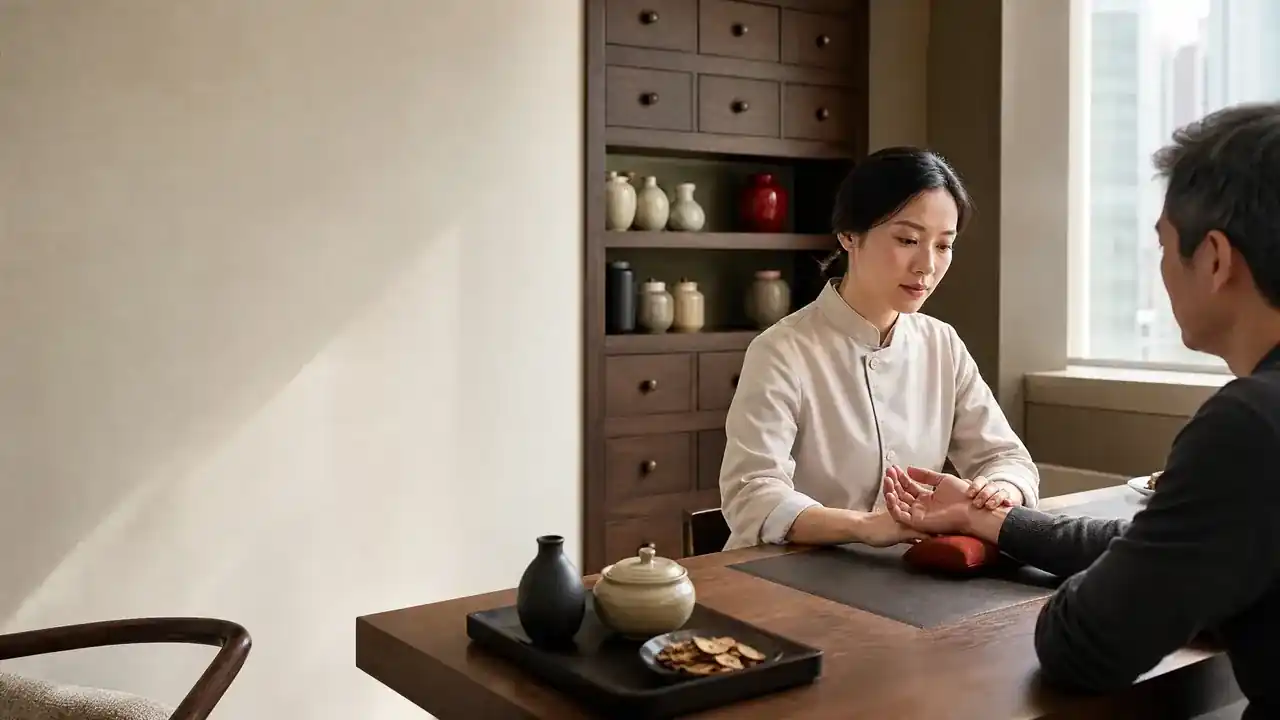
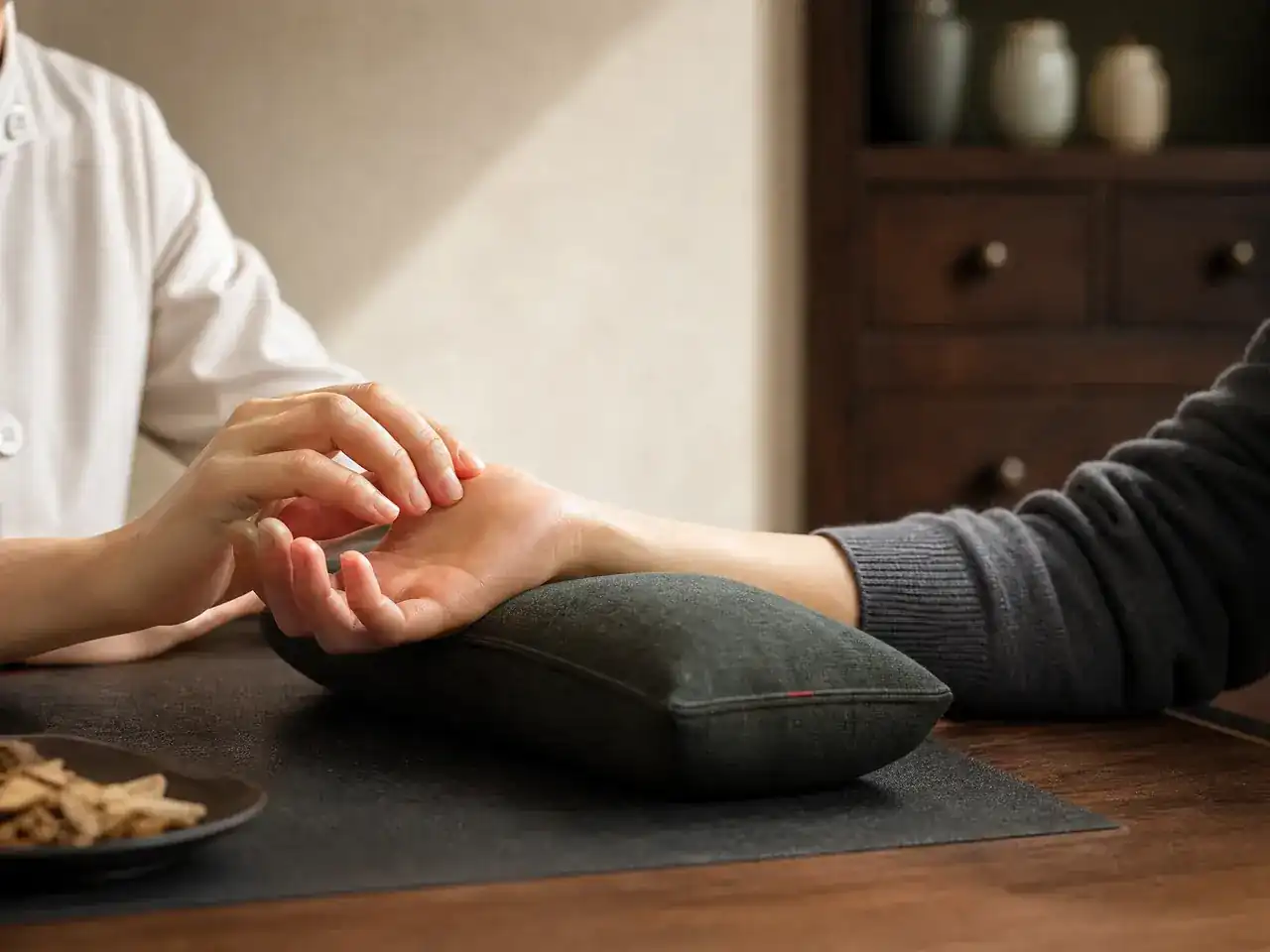
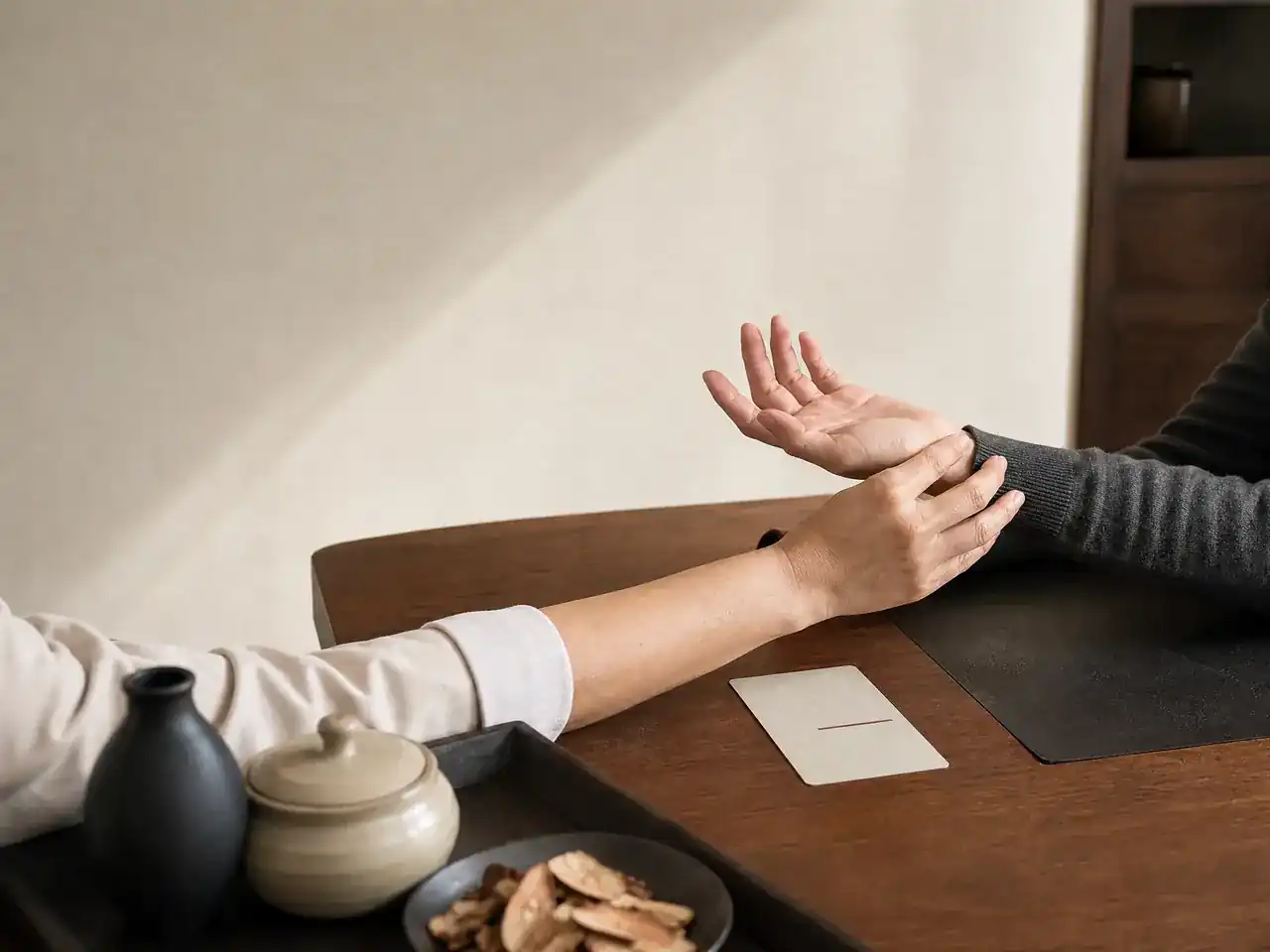
At Harmonia TCM, we deeply value the unique constitution and individual needs of each person. Our experienced TCM practitioners comprehensively assess your health status using the traditional four diagnostic methods: observation, auscultation and olfaction, inquiry, and pulse taking. This thorough process includes observing your complexion, vitality, and tongue (such as the thickness, color, and moisture of the tongue coating), asking detailed questions about the specific characteristics of the vaginal secretion (volume, color, consistency, odor), menstrual history (cycle length, volume, color, presence of clots), and daily routine (sleep patterns, stress levels, diet), and taking your pulse to understand the state of your internal organs and the flow of Qi and blood. This detailed and holistic information helps us deeply understand the potential underlying causes of the abnormal discharge and accurately differentiate the TCM patterns.
Based on the comprehensive results of the TCM diagnosis, the practitioner will discuss a personalized care direction with you. This tailored approach may include the internal use of customized Chinese herbal medicine prescriptions, acupuncture, or other suitable TCM therapies such as moxibustion or cupping, depending on your specific needs. Herbal medicine aims to address the root cause from within, such as strengthening the spleen to resolve dampness, clearing heat and detoxifying, or warming the kidneys to consolidate Qi. Acupuncture involves stimulating specific acupoints along the meridians to regulate the flow of Qi and blood, which helps improve local symptoms, reduce inflammation, and promote overall systemic balance. Our ultimate goal is to help your body restore its natural balance and resilience by harmonizing your constitution. Please note that all assessments and recommendations must be made by a registered TCM practitioner based on your actual, current condition.
Daily Care and Prevention of Abnormal Vaginal Discharge
In addition to seeking professional TCM assessment and care, daily care and lifestyle adjustments are equally important and play a crucial role in improving and preventing abnormal vaginal discharge. Keeping the vulvar area clean and dry is a fundamental basic principle. It is recommended to wash the vulva gently with warm water daily and strictly avoid using irritating chemical cleansers, scented soaps, or excessive vaginal douching, which can disrupt the normal, healthy balance of vaginal flora and alter the natural pH level, making you more susceptible to infections. It is also highly recommended to wear breathable, loose-fitting cotton underwear and avoid overly tight clothing, such as tight jeans, synthetic leggings, or non-breathable pantyhose, to reduce local heat and moisture accumulation, which can create an environment conducive to bacterial or fungal overgrowth.
In terms of diet, you should consciously reduce the intake of cold, raw, spicy, heavily processed, and greasy foods to avoid exacerbating internal damp-heat or damaging the delicate functions of the spleen and stomach. It is advisable to consume more fresh vegetables, fruits, whole grains, and easily digestible protein-rich foods to maintain a balanced and nutritious diet that supports overall health. Moderate, regular exercise helps promote Qi and blood circulation, reduces stress, and strengthens the physical constitution. Activities such as yoga, brisk walking, swimming, or Tai Chi are excellent choices. At the same time, maintaining good, consistent sleep habits and actively avoiding excessive physical fatigue and mental stress also help maintain endocrine stability and a robust immune system. If you notice persistent, unusual, or worsening changes in your vaginal secretion, you should seek professional medical advice promptly. Do not purchase and use over-the-counter medications or home remedies on your own to avoid delaying proper treatment, masking underlying issues, or causing adverse reactions.
Different Perspectives of TCM and Western Medicine
Western medicine typically attributes abnormal vaginal discharge to direct infections by specific pathogens such as bacteria (e.g., bacterial vaginosis), fungi (like Candida albicans causing yeast infections), or parasites (such as Trichomonas vaginalis). It relies on clinical examinations and laboratory tests (such as vaginal secretion cultures, pH testing, and microscopic evaluation) to accurately identify the causative pathogen and then applies targeted, evidence-based treatments like oral or topical antibiotics, antifungal medications, or antiprotozoal drugs. This approach is highly effective, fast-acting, and crucial in controlling acute infections and can quickly alleviate distressing symptoms. However, some women may experience frustrating recurrent episodes, which may be related to a persistent imbalance in the vaginal microecology, hormonal fluctuations, or a temporary decline in systemic immunity.
In contrast, TCM focuses more on adjusting the body's internal environment and enhancing its natural defenses. TCM believes that external pathogens can successfully invade the body often because of insufficient healthy Qi (vital energy) or the presence of accumulated pathological products like damp-heat or phlegm. Therefore, TCM care aims not only to alleviate the current, superficial symptoms but also to improve the underlying constitution, regulate the functions of the internal organs, and enhance the body's overall resistance and self-healing capacity, thereby reducing the chances of recurrent abnormal discharge. TCM care is a gradual, holistic process that emphasizes treating the root cause rather than just the manifestation. Both approaches have their distinct advantages and limitations, and the most appropriate method can be chosen based on individual circumstances, preferences, and the severity of the condition. In many cases, a thoughtful combination of TCM and Western medicine can yield better, more sustainable results, providing both immediate relief and long-term balance.
Comparison of TCM Patterns for Vaginal Discharge
To help you better understand the diverse characteristics of different TCM patterns associated with abnormal vaginal discharge, we have compiled the following detailed comparison table. Please note that this information is provided for educational reference only, and an actual, accurate diagnosis must always be made by a qualified, registered TCM practitioner after a comprehensive evaluation.
| Pattern | Discharge Characteristics | Accompanying Symptoms | Care Direction |
|---|---|---|---|
| Spleen Deficiency with Dampness | Profuse, white or pale yellow, thin, watery, odorless | Fatigue, poor appetite, loose stools, feeling of heaviness, pale complexion | Strengthen the spleen, elevate Yang Qi, resolve and remove dampness |
| Kidney Yang Deficiency | Profuse, clear, watery, continuous dripping, cold sensation | Lower back soreness, cold limbs, frequent nocturia, fatigue, pale tongue | Warm and tonify the kidney Yang, consolidate Qi, and stop excessive discharge |
| Downward Flow of Damp-Heat | Profuse, yellow or yellow-green, thick, sticky, foul odor | Intense vulvar itching, bitter taste in mouth, dark scanty urine, irritability | Clear heat, detoxify, drain dampness, and relieve itching |
| Liver Qi Stagnation with Heat | Profuse, yellow or blood-tinged, fluctuating volume | Irritability, chest and flank distension, dry mouth, irregular menstruation | Soothe the liver, regulate Qi, clear heat, and resolve dampness |
Frequently asked questions
Can abnormal vaginal discharge be managed solely with TCM?
TCM care can be highly beneficial and effective for abnormal discharge caused by underlying constitutional imbalances, such as spleen or kidney deficiency. However, if a severe, acute bacterial, fungal, or parasitic infection is involved, targeted Western medical treatment (like antibiotics) may be necessary for rapid control. It is strongly recommended to have a comprehensive assessment by a registered TCM practitioner for appropriate, safe advice.
How long does a TCM diagnosis and assessment for vaginal discharge typically take?
The initial consultation usually takes longer to allow for a detailed inquiry, comprehensive examination, and thorough discussion of your health history, typically lasting around 30 to 45 minutes. Subsequent follow-up appointment times are generally shorter and depend on your individual progress and the specific requirements of your ongoing care plan.
What specific dietary precautions should I take during the TCM care period?
It is generally recommended to significantly reduce the intake of cold, raw, spicy, greasy, and overly sweet foods to avoid exacerbating internal damp-heat or negatively affecting the digestive functions of the spleen and stomach. Specific, personalized dietary advice will be provided based on the practitioner's detailed assessment of your unique constitution.
Does Harmonia TCM offer home visit assessments for this condition?
Harmonia TCM's only physical clinic is located in Kwun Tong. The arrangement and feasibility of home visits depend on actual circumstances, practitioner availability, and the specific nature of your condition, and require formal confirmation by the clinic and a registered TCM practitioner. Please contact us directly for more details.
Can I safely take Chinese herbal medicine if I am currently taking Western medication?
Taking Chinese and Western medicines simultaneously may potentially cause unexpected interactions or affect the efficacy of either treatment. Please clearly and fully inform the TCM practitioner of all medications you are currently taking. The practitioner will recommend an appropriate time interval between doses (usually at least two hours) or adjust the herbal prescription accordingly to ensure safety.
How long does it usually take to see noticeable results from TCM care for vaginal discharge?
The time required to see noticeable results varies significantly from person to person, depending heavily on the severity and duration of the condition, your individual constitution, and how well your body responds to the care. Generally, chronic or frequently recurrent cases require a longer period of sustained, consistent care to achieve lasting balance.
Related topics
Sources
Book a Comprehensive TCM Assessment
If you are troubled by abnormal vaginal discharge and seeking a holistic approach, please contact Harmonia TCM Clinic in Kwun Tong. Our experienced, registered TCM practitioners will provide a detailed TCM diagnosis, professional assessment, and personalized recommendations to help restore your balance.