TCM Gynaecology & Postnatal Care
Pelvic Repair (Postnatal)
Postnatal pelvic repair is a crucial health topic for many women after childbirth. The processes of pregnancy and delivery can cause significant changes to the pelvic structure and surrounding muscle groups, which may subsequently impact the quality of daily life. Through the holistic approach of Traditional Chinese Medicine (TCM), combined with the principles of postnatal care, we can gain a deeper understanding of the pelvic floor recovery process. This page will provide you with detailed information regarding pelvic repair, TCM assessment methods, and essential daily care precautions, helping you restore balance and comfort to your body during the postnatal stage.
Quick answer: Postnatal pelvic repair refers to the process of assisting the pelvic structure and surrounding muscles to return to their normal function through appropriate care and assessment after childbirth. TCM views these changes as being related to the depletion of Qi and blood, as well as blockages in the meridians. Therefore, a comprehensive assessment is conducted using the four diagnostic methods. It is recommended that mothers seek the advice of a registered TCM practitioner during the golden recovery period of six weeks to six months postpartum to develop a suitable postnatal care plan and promote pelvic floor recovery.
View pricesContact Kwun Tong Clinic
CLEAR PRICES
Interested in a treatment? You are always welcome to ask.
We clearly list our current single, trial and package prices so you can explore at your own pace. You are always welcome to message us on WhatsApp about any service, timing or arrangement.
| Category and service | Content / terms | Public price (HK$) | Booking note | Enquire |
|---|---|---|---|---|
| Hair & scalp | Scalp health and hair-loss support | AI scalp analysis, deep follicle cleansing and oil-control support | Trial offerPackageTrial 380; 6 sessions 3,480; 12 sessions 5,760; 20 sessions 8,600; 30 sessions 11,400 | Average per session for 6/12/20/30: 580/480/430/380 | Ask on WhatsApp |
| Hair & scalp | Hair acupuncture with herbal medicine | Scalp acupuncture with 3 days of decoction-free herbal medicine | Single visitPackageSingle 580; 6 sessions 3,180; 12 sessions 5,760; 20 sessions 8,600; 30 sessions 11,400 | Average per session for 6/12/20/30: 530/480/430/380 | Ask on WhatsApp |
| Hair & scalp | Integrated hair support programme | Acupuncture, herbal medicine and follicle activation; packages include shampoo and serum | Single visitPackageSingle 1,260; 8 sessions 8,640; 16 sessions 15,680; 20 sessions 18,600; 30 sessions 26,400 | Average per session for 8/16/20/30: 1,080/980/930/880 | Ask on WhatsApp |
| Weight management | Full-body acupoint embedding | Full-body acupoint embedding; packages include proportionate days of herbal support | Single visitPackageSingle 980; 10 sessions 7,800; 20 sessions 14,600; 30 sessions 20,400 | Average per session for 10/20/30: 780/730/680 | Ask on WhatsApp |
| Facial acupuncture | Brightening V-face (Essential) | Facial acupuncture, meridian support and swelling management | Trial offerPackageTrial 480; 10 sessions 5,200; 20 sessions 9,600; 30 sessions 13,500 | Average per session for 10/20/30: 520/480/450 | Ask on WhatsApp |
| Facial acupuncture | Firming and refining (Advanced) | Enhanced facial acupuncture for firmness and fine-line concerns with a moisturising mask serum | Trial offerPackageTrial 780; 10 sessions 9,000; 20 sessions 16,600; 30 sessions 23,400 | Average per session for 10/20/30: 900/830/780 | Ask on WhatsApp |
| Pain care | Extracorporeal shockwave therapy | Deep inflammation support and fascial relaxation | Prince Edward: 250 per area; Kwun Tong: 250 for 1 area, 450 for 2, 600 for 3 | Clinic-specific pricing; confirm location before booking | Ask on WhatsApp |
| Pain care | Manual therapy | TCM bone-injury assessment, manual alignment and tui na techniques | Single visitSingle 580 | Suitability is confirmed after assessment | Ask on WhatsApp |
| Pain care | Acupuncture with manual therapy | Acupuncture with manual structural support | Single visitSingle 680 | Suitability is confirmed after assessment | Ask on WhatsApp |
| TCM regulation | Acupuncture with herbal medicine | TCM consultation, whole-body acupuncture and 3 days of decoction-free herbal medicine granules | Single visitSingle 580 | Confirm clinician availability and service arrangement when booking | Ask on WhatsApp |
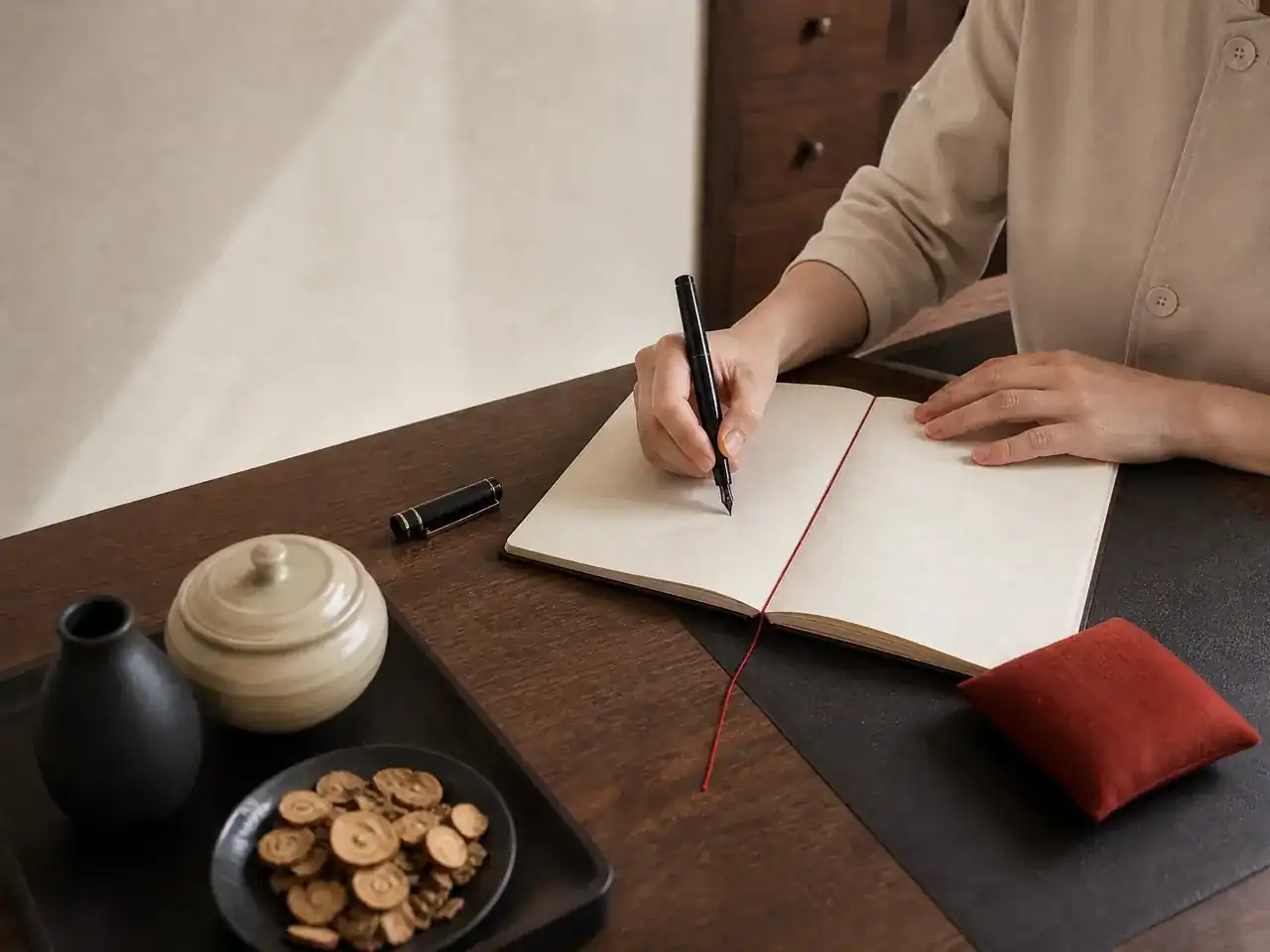
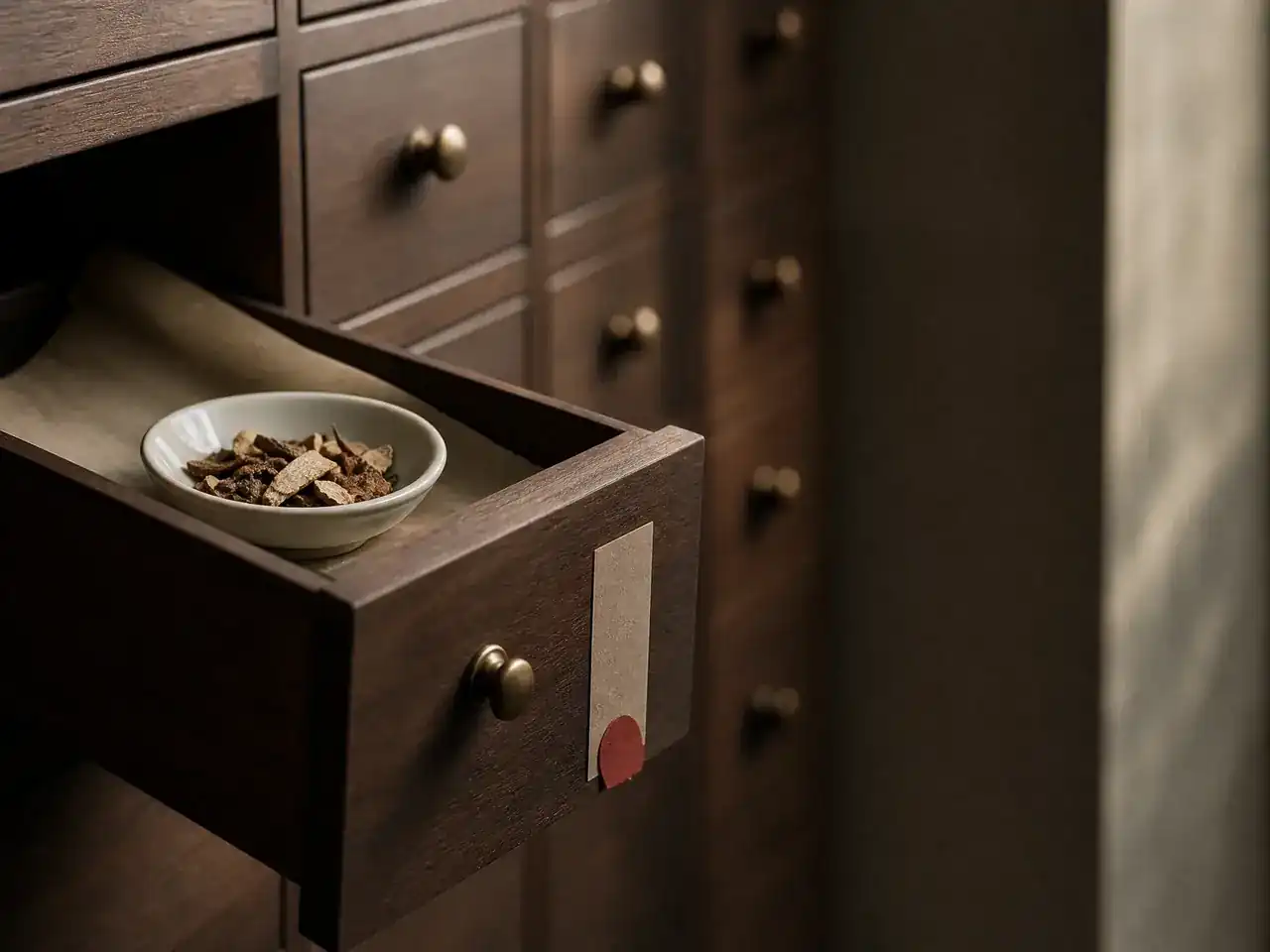
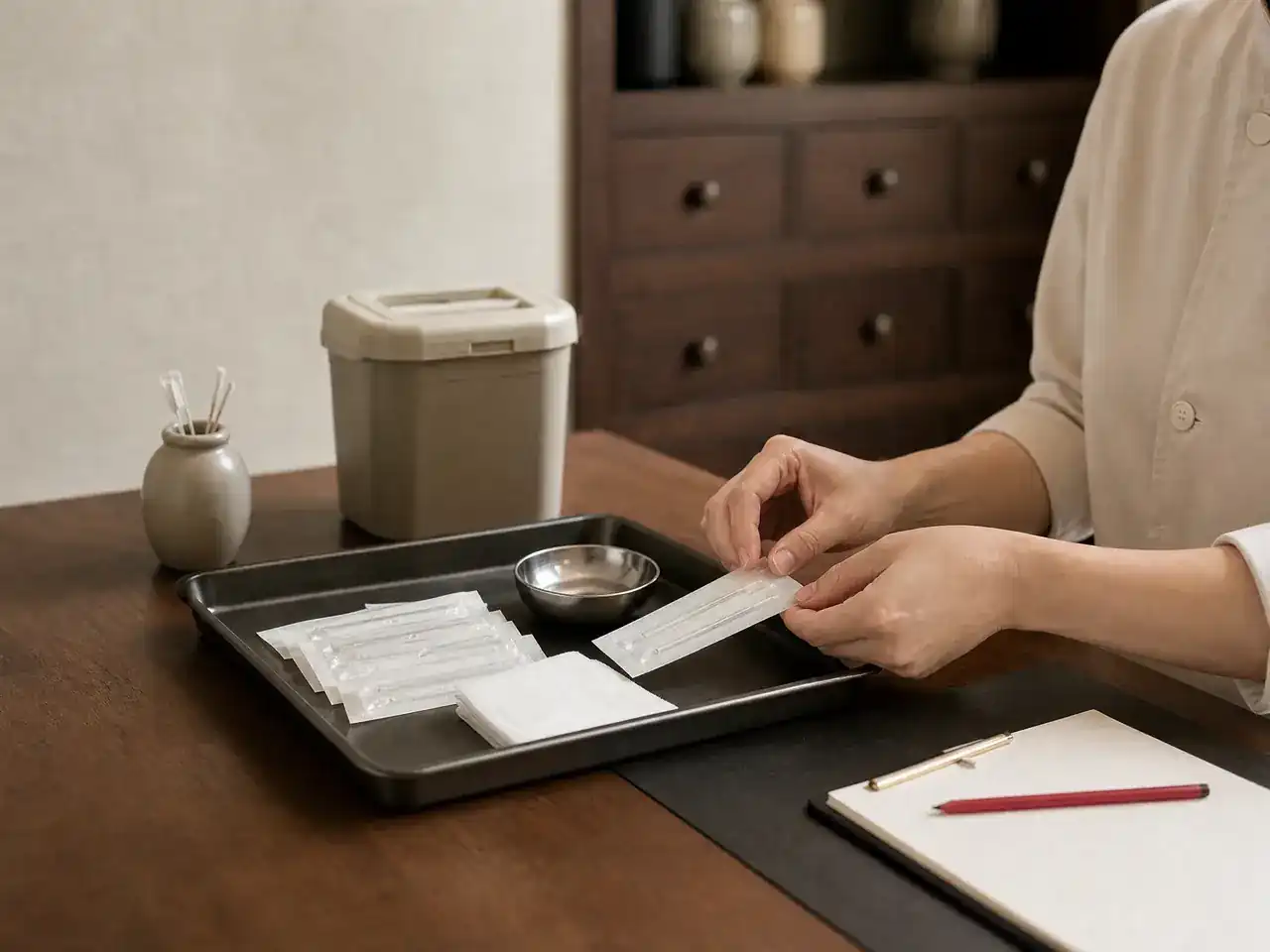
What is Postnatal Pelvic Repair?
Postnatal pelvic repair refers to a series of assessment and care measures aimed at addressing the structural changes and muscle laxity in the pelvic region that women experience following pregnancy and childbirth. During pregnancy, in order to accommodate the growth of the fetus and prepare for delivery, the mother's body secretes relaxin, a hormone that causes the pelvic ligaments and joints to become more relaxed and flexible. While this physiological change is entirely natural and necessary for childbirth, failure to properly recover from it postpartum can lead to a range of discomforts and long-term issues.
The process of childbirth, particularly vaginal delivery, places immense strain and pressure on the pelvic floor muscles. This intense stretching can not only lead to minor misalignments of the pelvic joints but may also cause significant fatigue and weakness in the pelvic floor musculature. Therefore, pelvic repair is not merely about realigning the skeletal structure; it encompasses the comprehensive functional rehabilitation of the surrounding muscles, ligaments, and fascia. This is a gradual, step-by-step process that requires mothers to give their bodies ample time and appropriate support during the postnatal period.
From the perspective of Traditional Chinese Medicine, postpartum women are in a unique physiological state characterized by 'deficiency and stasis' (xu and yu). The immense consumption of Qi and blood during childbirth leaves the mother's body relatively weak, which directly affects the nourishment of the muscles, tendons, and bones. Consequently, when addressing pelvic repair, TCM places it within the broader framework of comprehensive postnatal care. The emphasis is on replenishing Qi and blood, and strengthening the body's foundation, thereby creating optimal internal conditions for effective pelvic floor recovery.
Similar concerns can involve different symptoms, priorities and safety considerations. An assessment therefore considers your actual situation rather than relying on a service label alone.
Causes and Impacts of Postnatal Pelvic Changes
During pregnancy, as the fetus gradually increases in size, the weight of the expanding uterus exerts continuous and increasing pressure on the pelvic floor muscles. Concurrently, hormonal changes reduce the stability of the pelvic joints, and a slight separation at the pubic symphysis may occur. These structural and muscular changes do not disappear immediately after childbirth; rather, they require a period of natural recovery. If a mother engages in strenuous exercise or heavy lifting too soon after giving birth, she may inadvertently delay or complicate this natural healing process.
The alteration of the pelvic structure and the laxity of the pelvic floor muscles can have multifaceted impacts on a mother's well-being. Common symptoms include lower back pain, a sensation of heaviness or aching in the pelvic region, and even mild urinary incontinence when coughing, sneezing, or laughing. These discomforts not only affect the mother's physical health but can also have a profound negative impact on her psychological state and overall quality of life. Therefore, paying early attention to and understanding the knowledge related to pelvic repair is of paramount importance.
In TCM theory, the pelvic region is an area where several vital meridians, including the Ren (Conception), Du (Governing), and Chong (Penetrating) vessels, circulate. When the pelvic structure changes, or when the local circulation of Qi and blood is impeded, it can lead to meridian blockages, which in turn trigger pain or other discomforts. Through TCM's principle of pattern differentiation and treatment, personalized care recommendations can be provided based on the specific constitution and symptoms of each mother. This approach helps to improve local Qi and blood circulation, facilitating the repair and regeneration of tissues.
How TCM Views Postnatal Pelvic and Pelvic Floor Recovery
Although Traditional Chinese Medicine does not have a specific term equivalent to the modern medical concept of 'pelvic repair,' it possesses a wealth of theoretical knowledge and clinical experience regarding related postpartum symptoms, such as musculoskeletal aching and the sinking of Qi due to deficiency. TCM emphasizes that 'the Liver controls the tendons, the Kidney controls the bones, and the Spleen controls the muscles.' This means that the health of the pelvis and pelvic floor muscles is intimately connected to the functions of the Liver, Kidney, and Spleen. Proper regulation of these three organs postpartum is highly beneficial for promoting pelvic floor recovery.
Kidney Qi plays a pivotal role in postpartum recovery. TCM considers the Kidney to be the 'root of innate vitality,' responsible for storing essence, generating marrow, and governing the bones. The process of childbirth consumes a significant amount of Kidney Qi. If Kidney Qi remains deficient postpartum, symptoms such as soreness and weakness in the lower back and knees, as well as instability in the pelvic joints, are likely to occur. Therefore, consolidating the Kidney and strengthening the foundation is a primary principle of postnatal care. Simultaneously, the Spleen is the 'root of acquired vitality' and the source of Qi and blood production. A robust Spleen ensures that the muscles receive adequate nutrition, thereby improving the laxity of the pelvic floor muscles.
Furthermore, TCM places great importance on the smooth circulation of Qi and blood. Postpartum women are prone to experiencing a dual deficiency of Qi and blood, or the internal retention of blood stasis. These conditions can impair microcirculation in the pelvic region, delaying tissue repair. Through appropriate methods to regulate Qi and invigorate blood, local stasis can be cleared, and the generation of new blood can be promoted, providing an abundant material basis for pelvic repair. This philosophy, which values both the holistic state of the body and the specific local conditions, is a hallmark of TCM's approach to managing postpartum issues.
Common TCM Assessment Methods for Pelvic Repair
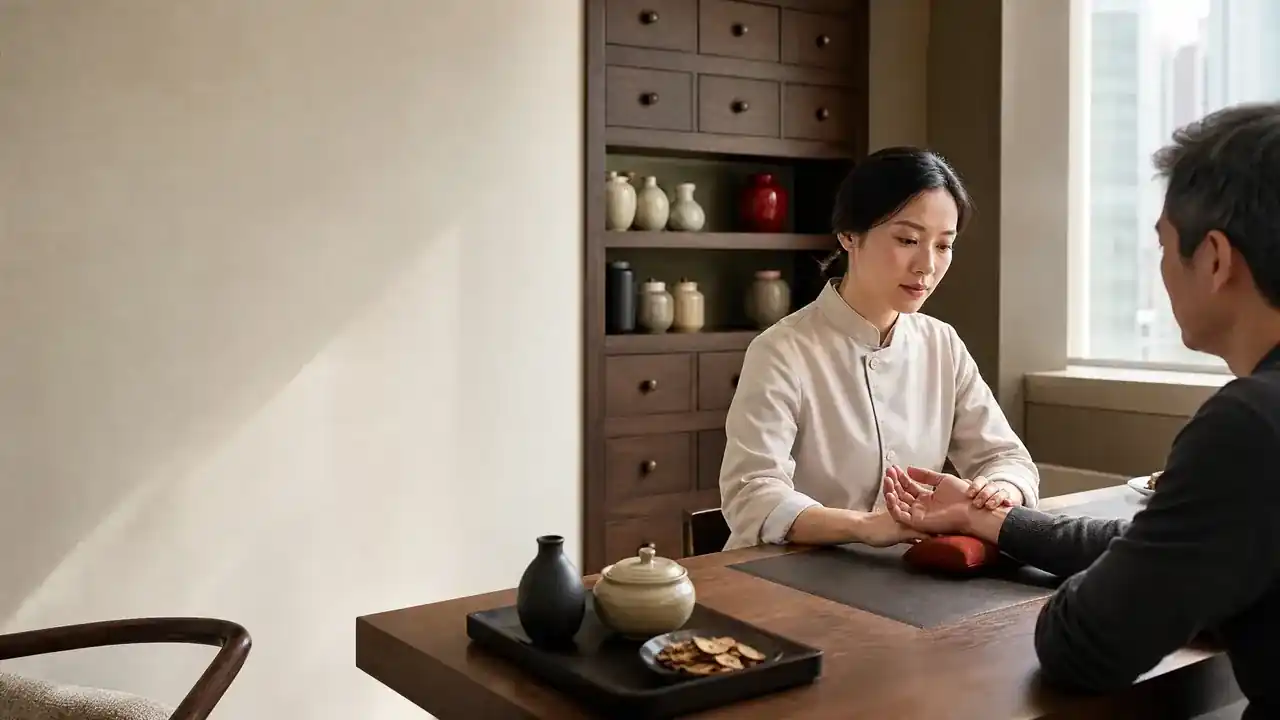
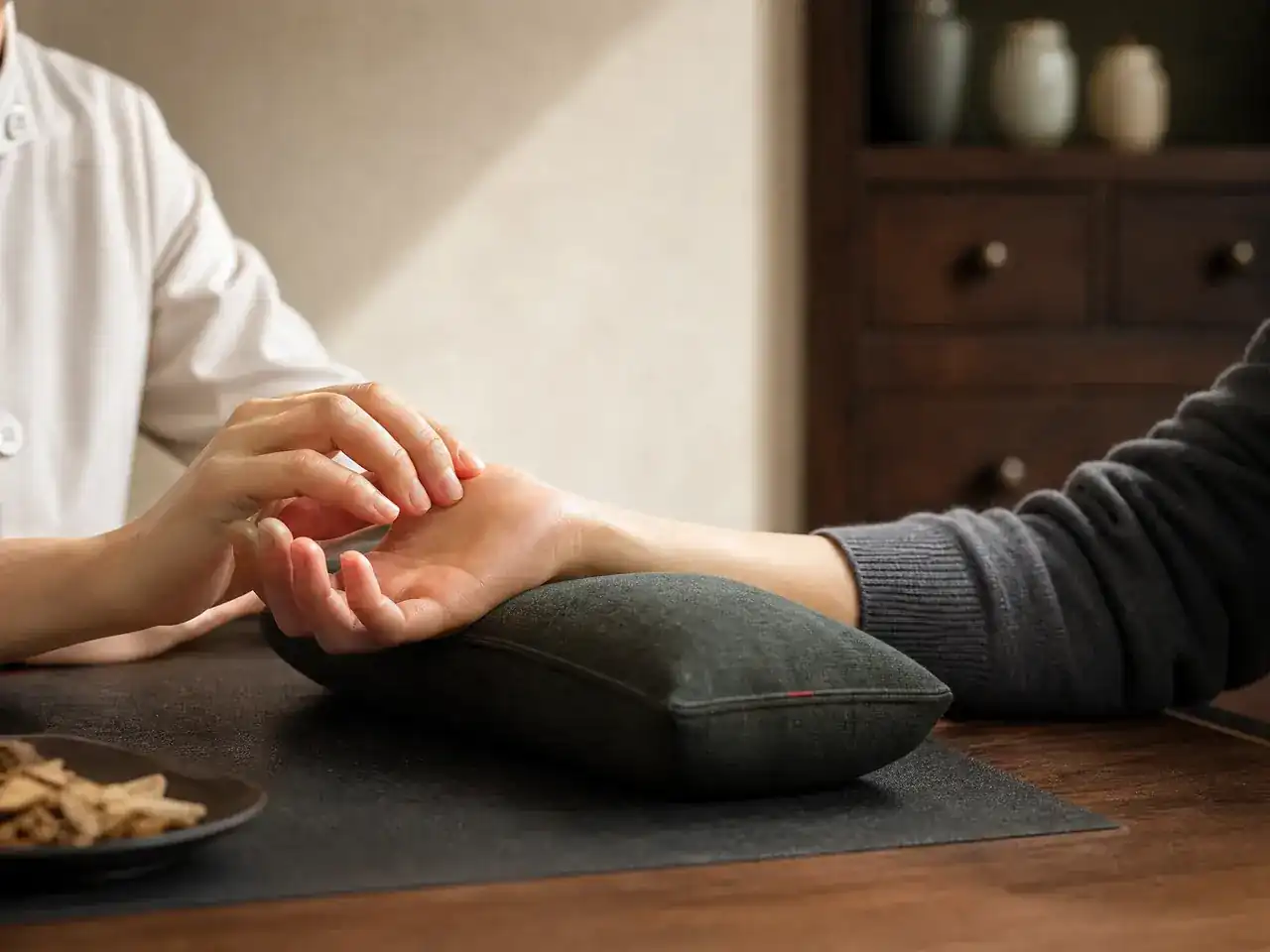
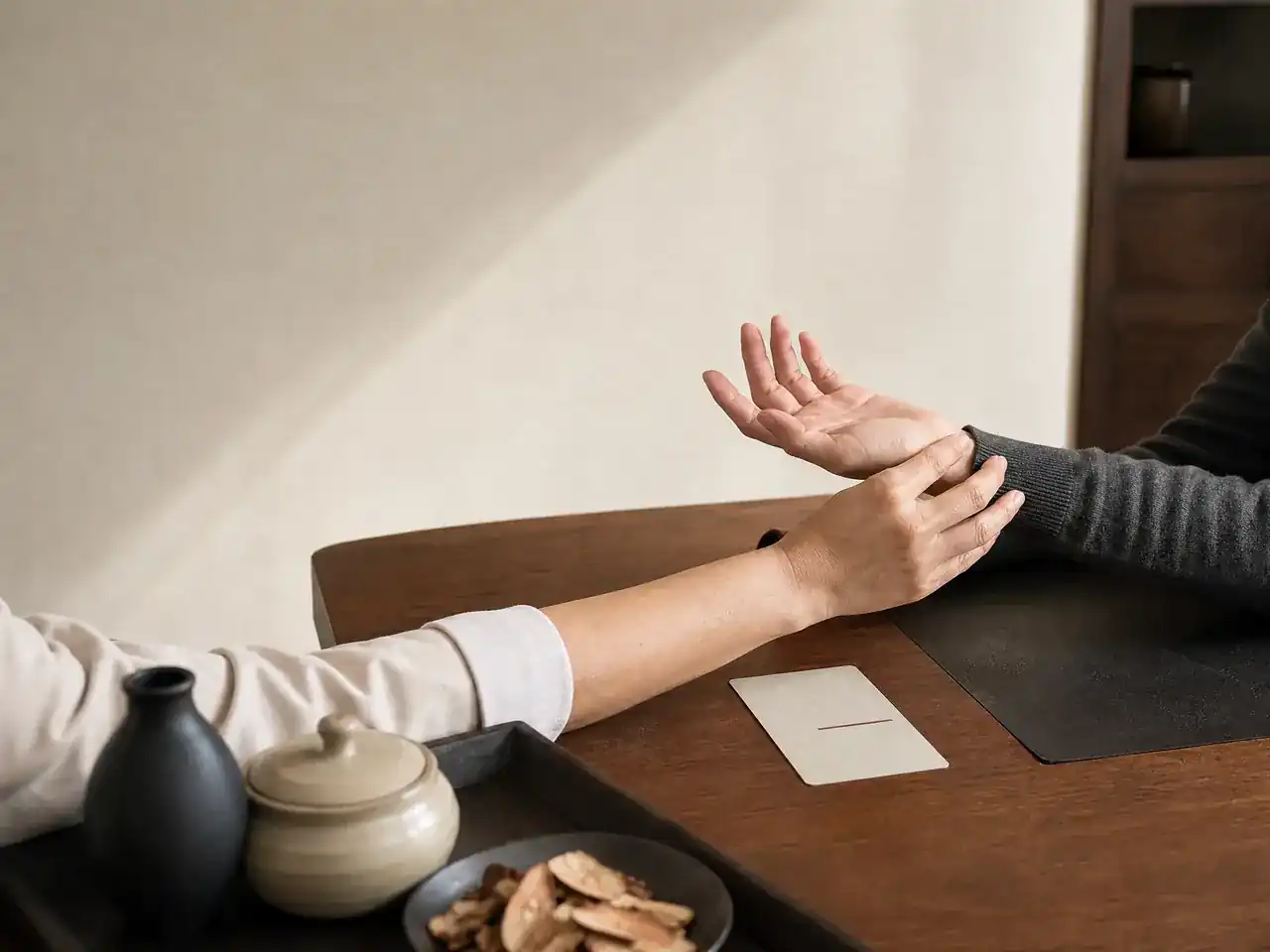
Before initiating any postnatal care, a comprehensive assessment is absolutely essential. A TCM practitioner will utilize the traditional four diagnostic methods—observation, auscultation and olfaction, inquiry, and palpation—to thoroughly understand the mother's overall health status and the specific issues in the pelvic region. Observation involves examining the mother's complexion, tongue coating, and gait. Auscultation and olfaction involve listening to her voice and breathing. Inquiry includes asking detailed questions about postpartum lochia, the location and severity of pain, and bowel and bladder functions. Palpation involves taking the pulse and conducting local physical examinations.
Specifically for pelvic repair, the TCM practitioner will pay close attention to the muscle tension and joint mobility in the lumbosacral area and around the pelvis. Through gentle palpation, the practitioner can assess whether there is local tenderness, muscle stiffness, or joint misalignment. Concurrently, the practitioner will evaluate the abundance or decline of the mother's Qi and blood, as well as her organ functions, to determine her constitutional type—for instance, whether she belongs to the Qi and blood deficiency type, the Kidney deficiency type, or the blood stasis type. These assessment results serve as the crucial foundation for formulating subsequent care plans.
It is important to emphasize that Harmonia TCM's only physical clinic is located in Kwun Tong. The information provided here is for reference purposes only and does not imply that we have branches in other districts. All assessments and specific arrangements must be personally confirmed by a registered TCM practitioner within our clinic. We are dedicated to providing professional and safe assessment services for mothers, ensuring that each individual receives the most appropriate care recommendations tailored to her needs.
Comprehensive Approach to Postnatal Care and Pelvic Repair
Postnatal pelvic repair is not a single intervention but a comprehensive approach that integrates multiple methods. Under the guidance of a TCM practitioner, mothers can promote comprehensive bodily recovery through various means, including dietary regulation, internal administration of Chinese herbal medicine, and external therapies like acupuncture and Tui Na (massage). In terms of diet, it is recommended that mothers consume foods rich in high-quality protein and collagen to assist in the repair of muscles and ligaments. At the same time, cold and raw foods should be avoided to prevent damaging the Spleen and Stomach, which could hinder the production of Qi and blood.
Herbal medicine regulation is a vital component of postnatal care. Based on the practitioner's pattern differentiation, the mother may be prescribed Chinese herbal medicines that have the effects of tonifying Qi and blood, consolidating the Kidney and strengthening bones, or invigorating blood and resolving stasis. These herbal medicines aim to regulate organ functions from within, improve the overall constitution, and create favorable conditions for pelvic repair. However, the use of Chinese herbal medicine must be conducted under the strict supervision of a registered TCM practitioner. Mothers should never purchase and consume herbs on their own to avoid adverse reactions.
In addition to internal herbal medicine, acupuncture and Tui Na are commonly used external treatment methods in TCM. Acupuncture can regulate the Qi and blood in the meridians and alleviate local pain and muscle tension by stimulating specific acupoints, such as Guanyuan, Qihai, and Shenshu. Tui Na utilizes professional massage techniques to help relax tight muscles and improve local blood circulation. These methods complement each other, working synergistically to promote pelvic floor recovery and enhance the stability of the pelvic structure.
Combining Pelvic Repair with Daily Care
In addition to seeking professional TCM assessment and care, mothers should also pay attention to relevant maintenance measures in their daily lives. Maintaining correct posture is crucial for pelvic repair. When breastfeeding, holding the baby, or performing daily activities, mothers should try to keep their spine straight and avoid bending over or maintaining the same posture for prolonged periods. Furthermore, adequate rest is indispensable; mothers should ensure they get sufficient sleep and avoid overexertion.
When their physical condition permits, mothers can engage in gentle pelvic floor muscle exercises, such as Kegel exercises. These exercises help strengthen the pelvic floor muscles and improve issues like urinary incontinence. However, the intensity and frequency of the exercises should be increased gradually, and it is best to perform them under the guidance of a professional. If any discomfort is felt during exercise, the mother should stop immediately and seek medical advice.
The following table summarizes the key points of pelvic repair and daily care recommendations at different postnatal stages for mothers' reference. Please note that everyone's recovery progress is different, and specific care plans should be adjusted based on individual circumstances.
| Postnatal Stage | Physiological Characteristics | TCM Care Focus | Daily Care Recommendations |
|---|---|---|---|
| 1-2 Weeks Postpartum | Lochia discharge period, weak Qi and blood, loose pelvic joints | Resolve stasis and generate new blood, warm meridians and dispel cold, avoid over-tonification | Rest fully, avoid heavy lifting, keep warm |
| 3-6 Weeks Postpartum | Lochia gradually clears, organ functions gradually recover | Tonify Qi and blood, strengthen Spleen and harmonize Stomach, promote tissue repair | Begin gentle pelvic floor muscle contraction exercises |
| 6 Weeks - 3 Months Postpartum | Golden period for pelvic repair, muscle strength begins to rebuild | Consolidate Kidney and strengthen foundation, strengthen tendons and bones, improve local circulation | Perform targeted pelvic repair exercises under professional guidance |
| 3-6 Months Postpartum | Body functions basically stable, pelvic floor function continues to improve | Harmonize Yin and Yang, consolidate treatment effects, prevent strain | Maintain good posture, gradually resume daily activity levels |
Frequently asked questions
How soon after childbirth can I start pelvic repair?
It is generally recommended that mothers who had a vaginal delivery can start pelvic repair 4-6 weeks postpartum, and those who had a cesarean section can start 6-8 weeks postpartum (after the wound has healed), provided there are no abnormalities upon professional assessment. The first six months postpartum are considered the golden period for recovery, and early intervention helps achieve better results.
Will the pelvic repair process be painful?
Professional TCM pelvic repair and care processes are usually gentle and safe. During palpation or Tui Na massage, you may feel local soreness or mild discomfort, but this should be within a tolerable range. If you feel significant pain, you should inform the practitioner immediately so they can adjust their technique.
Does TCM postnatal care help with pelvic floor recovery?
Yes. Through pattern differentiation and treatment, TCM uses methods such as herbal medicine and acupuncture to tonify Qi and blood, and consolidate the Kidney and strengthen tendons. This helps improve the nutritional supply and local microcirculation of the pelvic floor muscles, thereby providing good internal support for pelvic floor recovery.
Does Harmonia TCM offer pelvic repair services in other districts?
Harmonia TCM's only physical clinic is located in Kwun Tong. The services and assessments described here must be conducted within the Kwun Tong clinic. We currently do not have branches in other districts, so please be mindful of the location when making an appointment.
Do I still need to pay attention to pelvic repair if I don't have obvious symptoms like urinary incontinence?
Even without obvious symptoms, pregnancy and childbirth still have a certain impact on the pelvic structure. A professional assessment can help detect potential issues early, such as minor joint misalignments or uneven muscle tension, and prevent future strain through appropriate care.
How many sessions of pelvic repair are needed to see results?
The progress of recovery varies depending on individual constitution, mode of delivery, and daily care. Generally, the TCM practitioner will recommend a suitable care cycle based on the results of the initial assessment. Mothers need to be patient and cooperate with daily posture adjustments and exercises to achieve the best recovery state.
Related topics
Sources
Learn More About Postnatal Pelvic Repair
This information outlines common considerations and assessment directions. If you would like to discuss what may suit you or how an appointment can be arranged, please contact us. Welcome to contact our clinic in Kwun Tong to learn more about professional assessment arrangements for postnatal care.