Service pending confirmation
Pelvic Inflammatory Disease (PID) TCM treatment
Pelvic inflammatory disease (PID) is a potentially serious infection of the female reproductive organs. At Harmonia TCM, we provide safety-first information on how TCM may offer supportive care alongside medical management. This is not a substitute for antibiotics when indicated. Our PID-related service is currently pending confirmation; please contact our Kwun Tong clinic to ask about availability and whether an assessment can be arranged.
Quick answer: Pelvic inflammatory disease requires prompt medical assessment, and antibiotics are often essential. Within an integrative plan approved by your doctor, TCM treatment may be considered to support comfort, circulation, and recovery once acute symptoms are stabilising. Harmonia TCM’s PID-related service is pending confirmation. Please contact our Kwun Tong clinic to inquire about availability, suitability, and how we would coordinate with your existing medical care.
View pricesInquire about availability
CLEAR PRICES
Interested in a treatment? You are always welcome to ask.
We clearly list our current single, trial and package prices so you can explore at your own pace. You are always welcome to message us on WhatsApp about any service, timing or arrangement.
| Category and service | Content / terms | Public price (HK$) | Booking note | Enquire |
|---|---|---|---|---|
| Hair & scalp | Scalp health and hair-loss support | AI scalp analysis, deep follicle cleansing and oil-control support | Trial offerPackageTrial 380; 6 sessions 3,480; 12 sessions 5,760; 20 sessions 8,600; 30 sessions 11,400 | Average per session for 6/12/20/30: 580/480/430/380 | Ask on WhatsApp |
| Hair & scalp | Hair acupuncture with herbal medicine | Scalp acupuncture with 3 days of decoction-free herbal medicine | Single visitPackageSingle 580; 6 sessions 3,180; 12 sessions 5,760; 20 sessions 8,600; 30 sessions 11,400 | Average per session for 6/12/20/30: 530/480/430/380 | Ask on WhatsApp |
| Hair & scalp | Integrated hair support programme | Acupuncture, herbal medicine and follicle activation; packages include shampoo and serum | Single visitPackageSingle 1,260; 8 sessions 8,640; 16 sessions 15,680; 20 sessions 18,600; 30 sessions 26,400 | Average per session for 8/16/20/30: 1,080/980/930/880 | Ask on WhatsApp |
| Weight management | Full-body acupoint embedding | Full-body acupoint embedding; packages include proportionate days of herbal support | Single visitPackageSingle 980; 10 sessions 7,800; 20 sessions 14,600; 30 sessions 20,400 | Average per session for 10/20/30: 780/730/680 | Ask on WhatsApp |
| Facial acupuncture | Brightening V-face (Essential) | Facial acupuncture, meridian support and swelling management | Trial offerPackageTrial 480; 10 sessions 5,200; 20 sessions 9,600; 30 sessions 13,500 | Average per session for 10/20/30: 520/480/450 | Ask on WhatsApp |
| Facial acupuncture | Firming and refining (Advanced) | Enhanced facial acupuncture for firmness and fine-line concerns with a moisturising mask serum | Trial offerPackageTrial 780; 10 sessions 9,000; 20 sessions 16,600; 30 sessions 23,400 | Average per session for 10/20/30: 900/830/780 | Ask on WhatsApp |
| Pain care | Extracorporeal shockwave therapy | Deep inflammation support and fascial relaxation | Prince Edward: 250 per area; Kwun Tong: 250 for 1 area, 450 for 2, 600 for 3 | Clinic-specific pricing; confirm location before booking | Ask on WhatsApp |
| Pain care | Manual therapy | TCM bone-injury assessment, manual alignment and tui na techniques | Single visitSingle 580 | Suitability is confirmed after assessment | Ask on WhatsApp |
| Pain care | Acupuncture with manual therapy | Acupuncture with manual structural support | Single visitSingle 680 | Suitability is confirmed after assessment | Ask on WhatsApp |
| TCM regulation | Acupuncture with herbal medicine | TCM consultation, whole-body acupuncture and 3 days of decoction-free herbal medicine granules | Single visitSingle 580 | Confirm clinician availability and service arrangement when booking | Ask on WhatsApp |

Pelvic inflammatory disease: what it means and how TCM views related patterns
Pelvic inflammatory disease is an infection-driven inflammation affecting the uterus, fallopian tubes, and/or ovaries. It commonly arises from ascendant infection of the lower genital tract and can follow untreated sexually transmitted infections or other forms of genital infection. Urgent medical care is essential in suspected acute PID because timely antibiotics reduce the risks of complications. Within this biomedical reality, TCM is best considered as adjunctive, supportive care—never a replacement for doctor-prescribed treatment.
From a Traditional Chinese Medicine lens, symptoms often described in pelvic inflammatory disease—such as lower abdominal pain, feverish sensations, discharge changes, and fatigue—may be interpreted through patterns like damp-heat in the lower jiao, qi and blood stasis, or spleen-kidney deficiency after illness. These TCM patterns are frameworks for understanding an individual’s presentation; they are not one-to-one equivalents of biomedical diagnoses. Any proposed support would be tailored and paced according to safety, current medications, and your doctor’s plan.
At Harmonia TCM, our role is to complement your medical care when it is safe and appropriate to do so. We prioritise red-flag screening, coordination with your GP or gynaecologist, and clear goals such as easing discomfort and supporting general wellbeing during convalescence. Our pelvic inflammatory disease service is currently pending confirmation; please contact our Kwun Tong clinic to inquire about whether an assessment can be arranged and what precautions would apply in your case.
Safety first: when urgent medical care comes before complementary support
In suspected or confirmed pelvic inflammatory disease, swift biomedical assessment is imperative. Untreated or undertreated infection can lead to serious complications, and antibiotics are often necessary. Any complementary plan must not delay, replace, or conflict with urgent medical care. If you have severe pain, high fever, fainting, or pregnancy with pelvic pain, please seek immediate care at an emergency department or see your doctor without delay.
Once a clinician confirms that acute infection is stabilising—and only with your doctor’s approval—adjunctive TCM may be considered to support comfort and recovery. This measured approach respects both the seriousness of pelvic inflammatory disease and the potential value of symptomatic support. If our service is available at the time of your inquiry, we will still conduct safety screening and may advise deferring TCM until any fever, severe pain, or other red flags have settled.
How a TCM practitioner may assess PID-related concerns
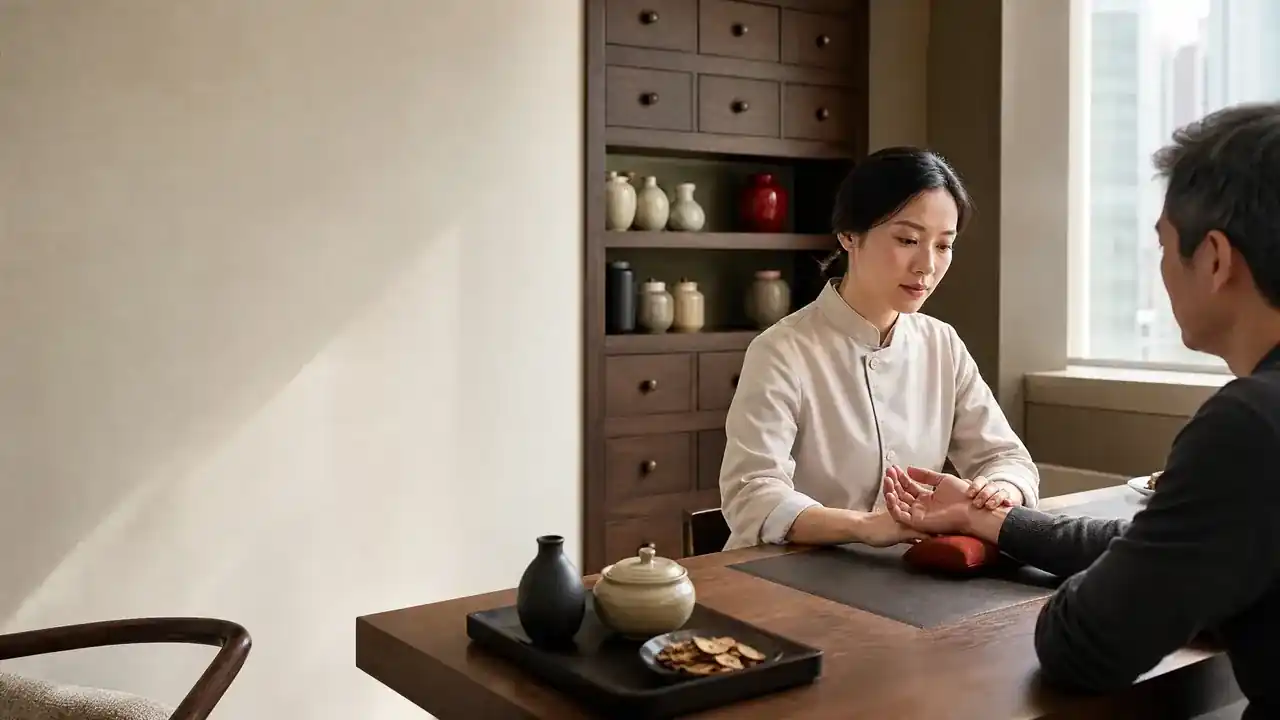
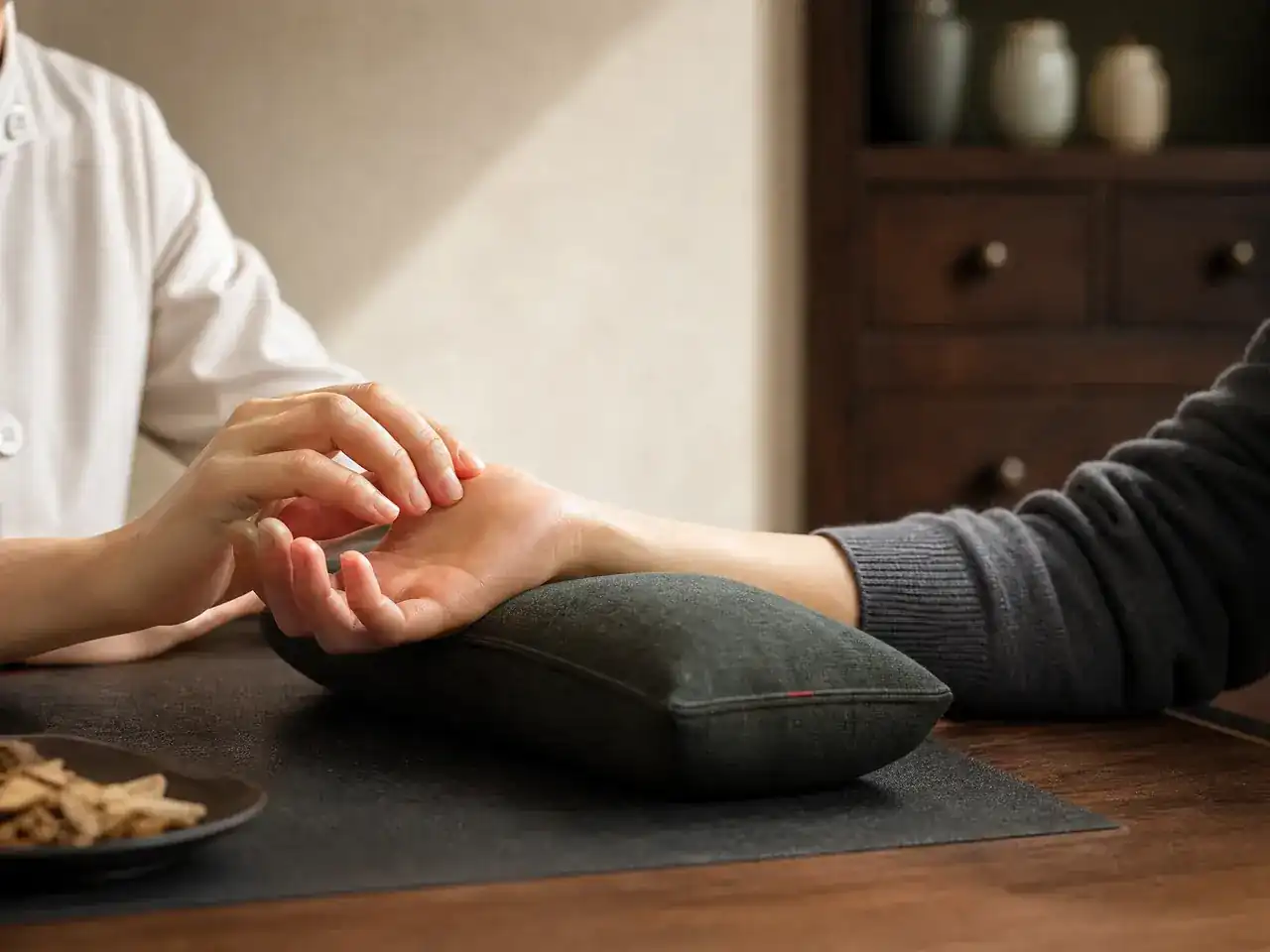
If and when it is safe to proceed, a TCM assessment explores your overall health picture to identify patterns that may relate to the symptoms surrounding pelvic inflammatory disease. The consultation typically reviews the onset and course of symptoms, menstrual history, pain characteristics, bowel and urinary patterns, sleep, stress, and diet. Tongue and pulse observations may add context. The goal is to understand whether presentations such as damp-heat, qi stagnation, blood stasis, or deficiency patterns seem relevant, and what this might mean for supportive strategies.
Your practitioner will also ask about recent tests, imaging, antibiotics taken, and any current prescriptions or supplements. This ensures that any supportive recommendations—whether acupuncture, heat therapy, or carefully considered herbal options—are discussed with interaction risks and timing in mind. We maintain a conservative stance: if there is any uncertainty about safety or if symptoms are worsening, TCM care will be paused and you will be referred back to your doctor promptly.
Supportive approaches that may be discussed (post-stabilisation)
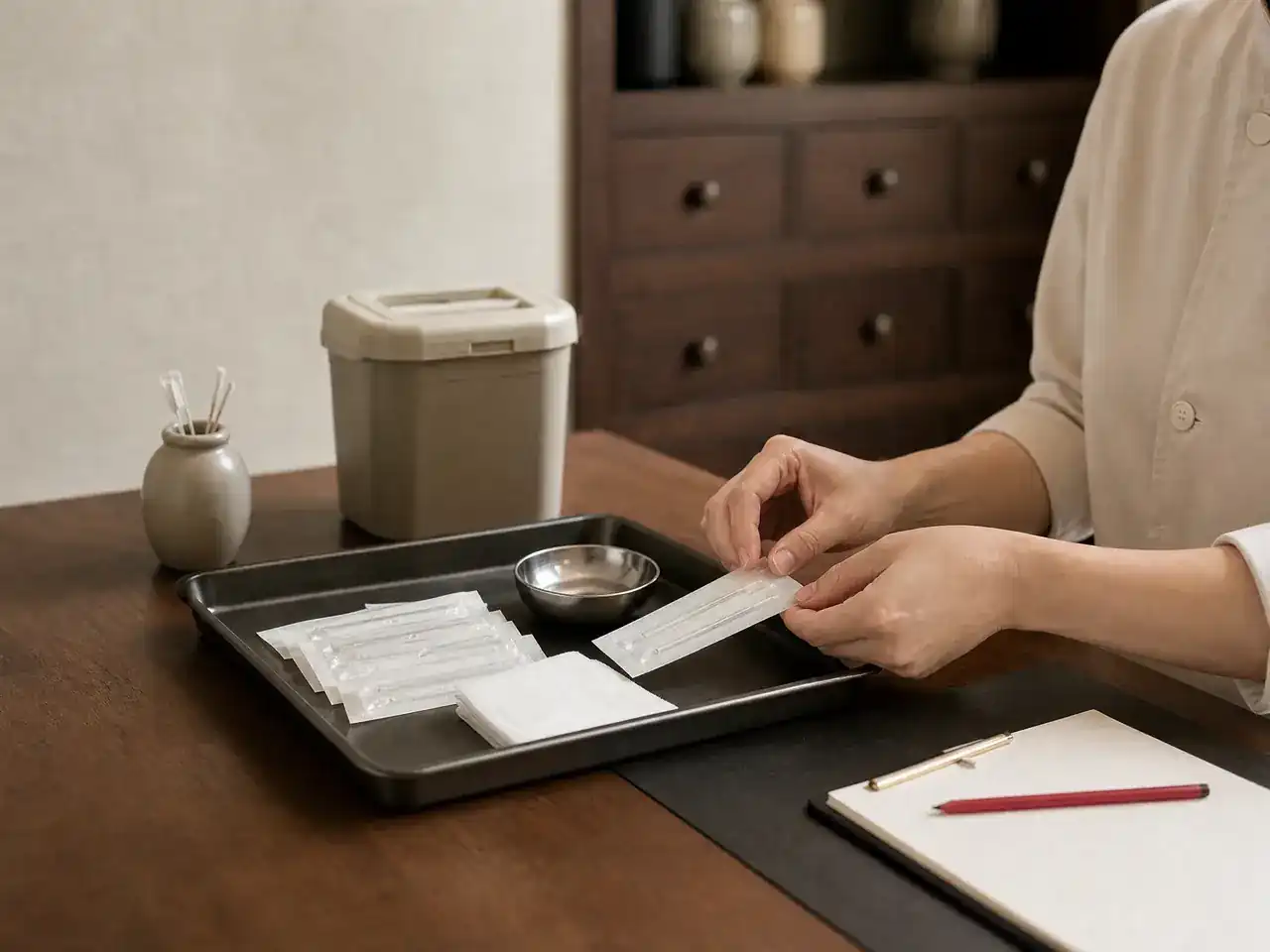
When acute infection is being treated and symptoms are settling, your practitioner may discuss supportive approaches aimed at easing discomfort, promoting circulation, and helping recovery under medical supervision. Examples can include acupuncture tailored to your pattern, gentle heat therapy, and stepwise lifestyle guidance. If herbs are considered, they are chosen cautiously, with attention to timing relative to antibiotics and other medicines. Evidence for these approaches in pelvic inflammatory disease is still developing; we will explain uncertainties honestly.
Your plan, if appropriate, is individualised and may evolve as you recover. The pace is conservative—techniques are adjusted or deferred if any sign of flare-up appears. The following table outlines typical goals and considerations for common modalities used in supportive TCM care after pelvic inflammatory disease has been medically addressed.
| Approach | Typical focus in PID-related care | Examples | Key considerations | Notes |
|---|---|---|---|---|
| Acupuncture | Ease pelvic discomfort; support local circulation; relax muscle guarding | Point selection based on pattern; gentle needling; possible distal points for regulation | Avoid strong stimulation during acute phases; reassess if pain or fever increases | NHS notes acupuncture may help some pain conditions; individual responses vary |
| Individualised Chinese herbal formulas | Address patterns such as damp-heat or blood stasis in recovery phase | Formula selection depends on tongue, pulse, and symptoms | Must be reviewed for interactions with antibiotics, contraceptives, or other drugs; avoid self-prescribing | Use only from qualified practitioners; pause and seek medical advice if symptoms worsen |
| Moxibustion/heat therapy | Warm channels; ease cramping or cold-type discomfort in late recovery | Gentle local or distal warming if suitable | Avoid over-heating the lower abdomen during or shortly after acute infection | Used cautiously; discontinue if any signs of inflammation re-emerge |
| Lifestyle and diet guidance | Support immunity, digestion, and bowel regularity; reduce recurrence risks | Balanced meals; adequate hydration; graded activity; sleep hygiene | Integrate with medical advice on sexual health, partner treatment, and testing | Education-focused; emphasises prevention and recovery habits |
| Coordination with biomedical care | Ensure complementary support stays aligned with your doctor’s plan | Share summaries, monitor red flags, adjust timing | Stop TCM immediately and seek care if red flags appear | Collaboration helps keep safety central |
What to expect at Harmonia TCM (Kwun Tong) – pending confirmation
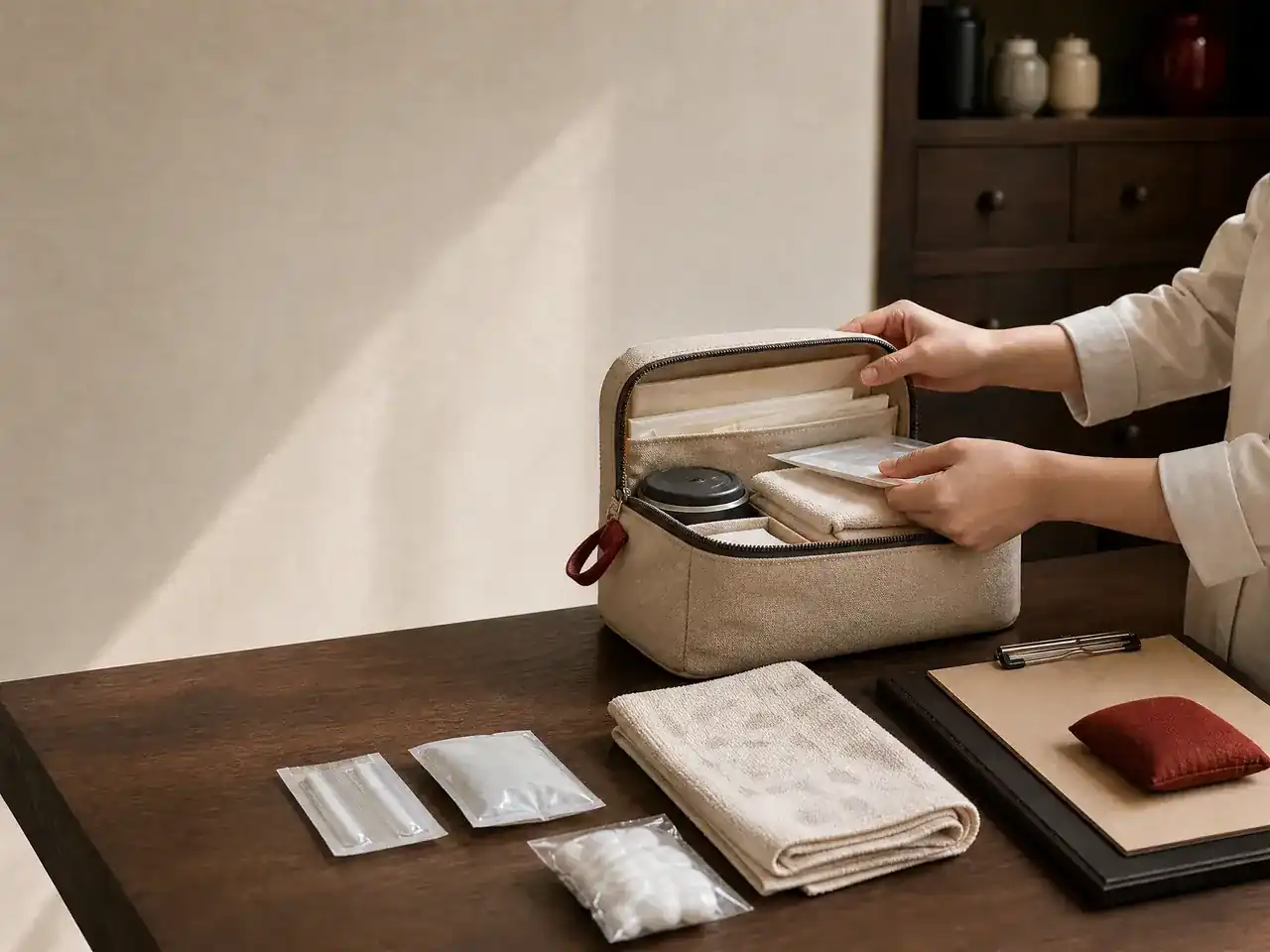
Our clinic in Kwun Tong emphasises a safety-first, integrative pathway. If our pelvic inflammatory disease service is available at the time of your inquiry, we begin with a suitability check and red-flag screening. We ask you to bring medical records, test results, and medication lists so that any discussion of adjunctive support remains aligned with your doctor’s plan. Where needed, we provide a written summary to share with your GP or gynaecologist.
Because this is a pending service, scheduling is not guaranteed. Depending on your presentation, we may recommend that you complete or stabilise antibiotic treatment before any in-person TCM assessment. If you are still acutely unwell, we will advise immediate medical attention and defer TCM. Where TCM is appropriate, sessions are paced conservatively, with frequent reassessment and clear criteria for pausing or referring back to biomedical care.
Recovery, prevention, and self-care after pelvic inflammatory disease
Convalescence after pelvic inflammatory disease benefits from rest, hydration, and light, progressive activity as tolerated. Discuss sexual health measures with your clinician, including partner testing or treatment if appropriate, and use of barrier protection. Good bowel habits, stress management, and sufficient sleep can support overall recovery. In TCM terms, this often aligns with gently supporting spleen and kidney qi while easing any residual stasis through movement and breathwork.
Nutrition can be simple and supportive: warm, easy-to-digest foods for those prone to digestive weakness; adequate protein and iron if menstrual losses were heavy; and mindful hydration. Avoid self-prescribing herbal products or intense abdominal therapies during recovery. If pain, fever, or discharge worsens at any point, seek medical advice promptly. Any tcm treatment discussed at Harmonia TCM would be framed as adjunctive, time-limited, and responsive to your healing trajectory and medical team’s guidance.
Frequently asked questions
Can TCM replace antibiotics for pelvic inflammatory disease?
No. Antibiotics are often essential in pelvic inflammatory disease because the condition involves infection of the reproductive organs. Complementary care should not be used in place of medical treatment or to delay it. If your doctor confirms that acute infection is stabilising, adjunctive TCM may be discussed to help with comfort, circulation, and recovery. Any plan should be shared with your GP or gynaecologist, and paused if symptoms worsen.
When could adjunctive TCM be considered after starting treatment for PID?
Timing depends on your doctor’s advice and your symptoms. In many cases, adjunctive care is only considered once acute fever and severe pain are settling, and you are tolerating medicines well. Always obtain approval from your treating clinician. If there is any doubt, delay TCM and prioritise follow-up with your GP or gynaecologist. Should our service be available, we will still conduct our own safety screen before proceeding.
How might acupuncture be used to support pelvic pain related to past PID?
If medically appropriate, acupuncture may be discussed to support comfort and circulation. Sessions typically use gentle techniques and may combine local and distal points depending on your TCM pattern. Sensations can include a dull ache or heaviness that fades quickly. Treatment is paused if symptoms flare, and it should be deferred during acute infection or high fever. Responses vary; some individuals feel short-term relief, others need reassessment.
Are Chinese herbs safe if I am taking antibiotics or contraceptive pills for PID-related care?
Safety requires professional review. Some herbs and supplements may interact with antibiotics, anticoagulants, or hormonal contraceptives. We advise against self-prescribing and only consider formulas after checking your medication list and obtaining your doctor’s approval. If any new symptoms appear—such as rash, dizziness, or worsening pain—stop the product and seek medical advice promptly. Quality sourcing and dose accuracy are essential.
How is progress monitored, and when would you stop TCM support?
We track pain levels, temperature trends, discharge changes, energy, sleep, and menstrual patterns, always in parallel with your medical follow-up. We stop or adjust if any red flags arise, if symptoms worsen, or if your doctor advises against continuing. The goal is conservative, time-limited support that complements—not replaces—biomedical care. If progress stalls, we will reassess and may refer you back for further testing.
What should I bring to an appointment, and is the service currently available in Kwun Tong?
Please bring medical notes, lab results, imaging, medication and supplement lists, allergy information, and your doctor’s instructions. This helps us align any adjunctive plan with your existing care. Our pelvic inflammatory disease service is pending confirmation and may not be available at all times. Contact our Kwun Tong clinic to inquire about current availability and whether an assessment can be arranged safely.
Related topics
Sources
PID-related TCM support – service pending confirmation
Our pelvic inflammatory disease (PID) support pathway is under review. Availability is not guaranteed. Please contact Harmonia TCM in Kwun Tong to ask about current arrangements, suitability, and how we coordinate with your doctor before any visit.