Treatments
Tianjiu / moxibustion therapy
Tianjiu moxibustion is a traditional external therapy in Chinese medicine that involves applying herbal pastes to specific acupoints or using the warmth of burning mugwort. These methods aim to harmonize the body's constitution and meridian system. Before considering any moxibustion therapy, a comprehensive assessment by a registered Chinese medicine practitioner is essential to determine its suitability and safety for your individual health profile.
Quick answer: Tianjiu moxibustion is an external TCM therapy involving the application of herbal pastes to acupoints during specific solar terms. Moxibustion encompasses broader heat-stimulation techniques. While often explored for asthma/allergy tianjiu and constitutional support, suitability must be evaluated by a registered practitioner.
View pricesBook a TCM Assessment
CLEAR PRICES
Interested in a treatment? You are always welcome to ask.
We clearly list our current single, trial and package prices so you can explore at your own pace. You are always welcome to message us on WhatsApp about any service, timing or arrangement.
| Category and service | Content / terms | Public price (HK$) | Booking note | Enquire |
|---|---|---|---|---|
| Hair & scalp | Scalp health and hair-loss support | AI scalp analysis, deep follicle cleansing and oil-control support | Trial offerPackageTrial 380; 6 sessions 3,480; 12 sessions 5,760; 20 sessions 8,600; 30 sessions 11,400 | Average per session for 6/12/20/30: 580/480/430/380 | Ask on WhatsApp |
| Hair & scalp | Hair acupuncture with herbal medicine | Scalp acupuncture with 3 days of decoction-free herbal medicine | Single visitPackageSingle 580; 6 sessions 3,180; 12 sessions 5,760; 20 sessions 8,600; 30 sessions 11,400 | Average per session for 6/12/20/30: 530/480/430/380 | Ask on WhatsApp |
| Hair & scalp | Integrated hair support programme | Acupuncture, herbal medicine and follicle activation; packages include shampoo and serum | Single visitPackageSingle 1,260; 8 sessions 8,640; 16 sessions 15,680; 20 sessions 18,600; 30 sessions 26,400 | Average per session for 8/16/20/30: 1,080/980/930/880 | Ask on WhatsApp |
| Weight management | Full-body acupoint embedding | Full-body acupoint embedding; packages include proportionate days of herbal support | Single visitPackageSingle 980; 10 sessions 7,800; 20 sessions 14,600; 30 sessions 20,400 | Average per session for 10/20/30: 780/730/680 | Ask on WhatsApp |
| Facial acupuncture | Brightening V-face (Essential) | Facial acupuncture, meridian support and swelling management | Trial offerPackageTrial 480; 10 sessions 5,200; 20 sessions 9,600; 30 sessions 13,500 | Average per session for 10/20/30: 520/480/450 | Ask on WhatsApp |
| Facial acupuncture | Firming and refining (Advanced) | Enhanced facial acupuncture for firmness and fine-line concerns with a moisturising mask serum | Trial offerPackageTrial 780; 10 sessions 9,000; 20 sessions 16,600; 30 sessions 23,400 | Average per session for 10/20/30: 900/830/780 | Ask on WhatsApp |
| Pain care | Extracorporeal shockwave therapy | Deep inflammation support and fascial relaxation | Prince Edward: 250 per area; Kwun Tong: 250 for 1 area, 450 for 2, 600 for 3 | Clinic-specific pricing; confirm location before booking | Ask on WhatsApp |
| Pain care | Manual therapy | TCM bone-injury assessment, manual alignment and tui na techniques | Single visitSingle 580 | Suitability is confirmed after assessment | Ask on WhatsApp |
| Pain care | Acupuncture with manual therapy | Acupuncture with manual structural support | Single visitSingle 680 | Suitability is confirmed after assessment | Ask on WhatsApp |
| TCM regulation | Acupuncture with herbal medicine | TCM consultation, whole-body acupuncture and 3 days of decoction-free herbal medicine granules | Single visitSingle 580 | Confirm clinician availability and service arrangement when booking | Ask on WhatsApp |
Principles of Tianjiu and Moxibustion Therapies
Tianjiu moxibustion and general moxibustion are integral components of external therapies in Traditional Chinese Medicine (TCM). The core philosophy behind these treatments is to stimulate specific acupoints on the body's surface, aiming to clear meridian pathways, harmonize the flow of Qi and blood, and balance Yin and Yang. Tianjiu therapy, in particular, strongly emphasizes the concept of correspondence between humans and nature. It is traditionally performed during the most extreme climatic periods of the year, such as the Sanfu days in the height of summer or the Sanjiu days in the depths of winter. During these specific times, practitioners prepare a paste from warming herbal powders and apply it to selected acupoints. The goal is to utilize the medicinal properties and the stimulation of the acupoints to induce a localized skin reaction, which is believed to influence the systemic circulation of Qi and blood.
While tianjiu primarily relies on herbal applications, broader moxibustion therapies predominantly use mugwort (Artemisia vulgaris) as the primary material. Moxibustion involves burning processed mugwort (moxa) to provide warm stimulation to acupoints, utilizing both the heat and the volatile compounds released by the herb. According to TCM theory, mugwort possesses properties that warm the meridians, dispel cold, and promote the flow of Qi. The application of either tianjiu or moxibustion must be grounded in rigorous TCM pattern differentiation. A practitioner will comprehensively evaluate the patient's specific constitution, the nature of their condition (such as cold, heat, deficiency, or excess), and the prevailing environmental conditions before deciding on the appropriate therapy, acupoints, and herbal formulations.
Exploring Asthma/Allergy Tianjiu Applications
In clinical practice, asthma/allergy tianjiu is one of the more frequently discussed applications of tianjiu therapy. TCM often attributes respiratory conditions like allergic rhinitis and asthma to deficiencies in the Lung, Spleen, and Kidney organ systems, coupled with the invasion of external pathogenic cold and wind. Tianjiu therapy aims to address these underlying imbalances by applying warming herbal pastes to specific acupoints. The intention is to tonify the Yang Qi of the internal organs, dispel accumulated cold pathogens, and thereby improve the patient's underlying 'cold-deficiency' constitution. This process of constitutional adjustment is not immediate; it typically requires consistent application during specific solar terms over several years to potentially achieve long-term harmonizing effects.
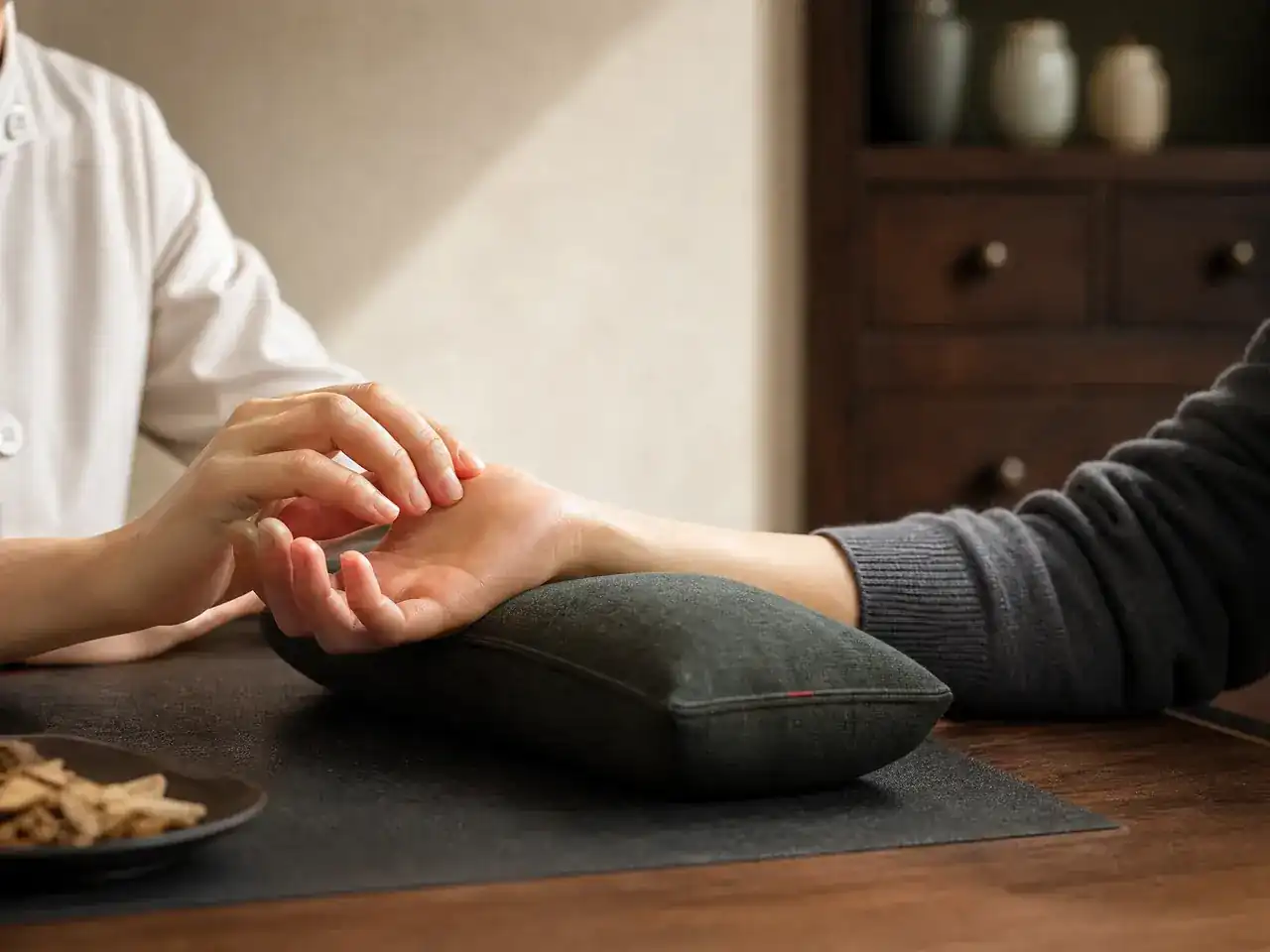
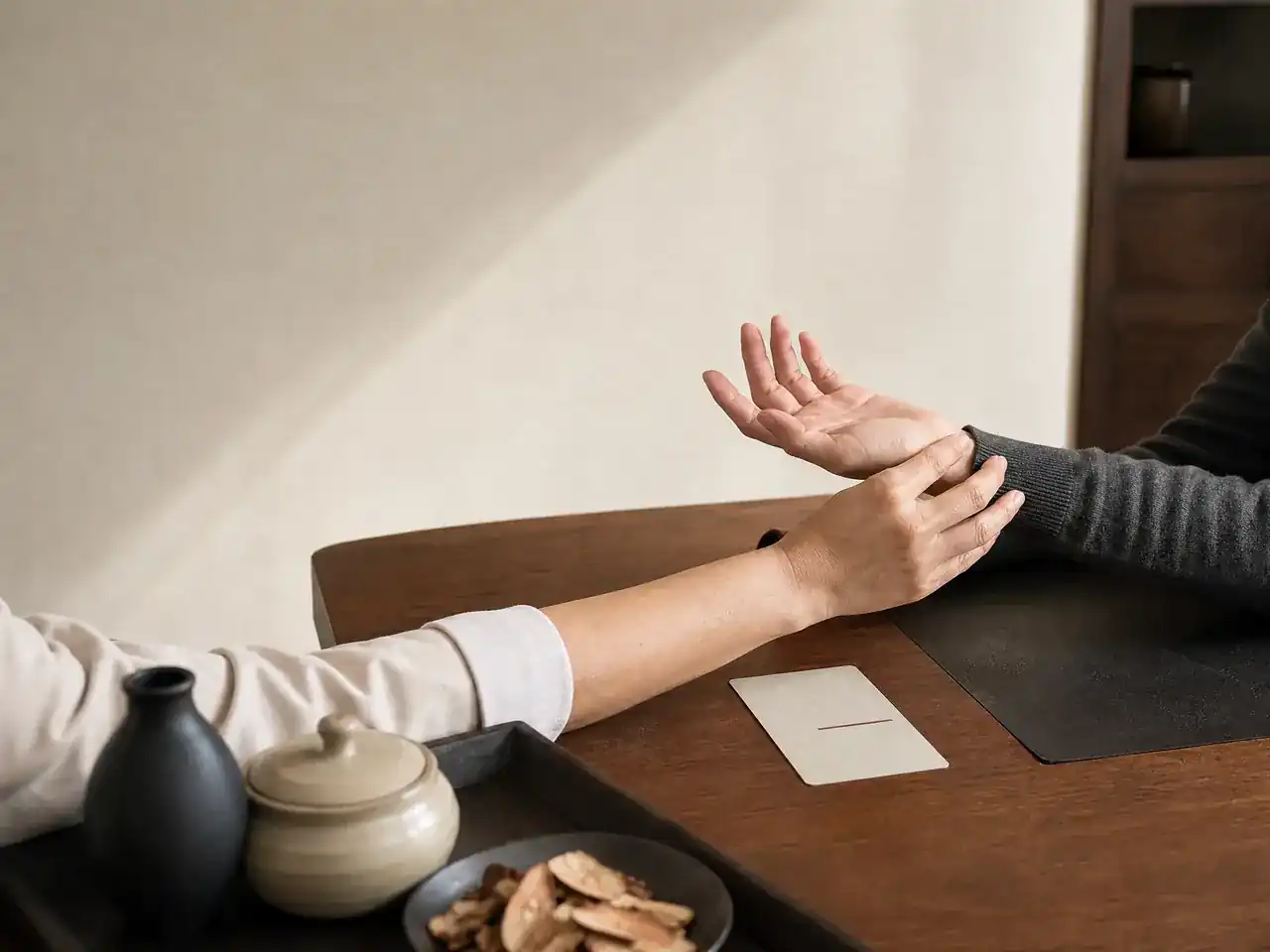
However, it is crucial to emphasize that tianjiu therapy is not suitable for all individuals experiencing allergies or asthma. For those with a 'heat' constitution, individuals currently in an acute phase of illness (such as an acute asthma attack or experiencing a fever), those with broken skin, or individuals allergic to the herbal paste ingredients, tianjiu therapy may not only be ineffective but could potentially exacerbate the condition or cause adverse reactions. Therefore, before considering asthma/allergy tianjiu, patients must undergo a professional assessment by a registered Chinese medicine practitioner. The practitioner will take a detailed medical history and observe the tongue and pulse to determine if the patient has the appropriate cold-deficiency constitution for tianjiu and to develop a personalized application plan.
Forms and Characteristics of Moxibustion
Beyond tianjiu therapy, various forms of moxibustion are widely utilized in TCM clinical settings. The most common methods include moxa stick moxibustion, moxa cone moxibustion, and warming needle moxibustion. Moxa stick moxibustion involves lighting a rolled stick of moxa and holding it at a distance above the skin (suspended moxibustion). The patient feels a comfortable, penetrating warmth without the skin being burned. Moxa cone moxibustion uses small, cone-shaped pieces of moxa placed either directly on the skin or indirectly (such as on a slice of ginger or garlic) before being ignited. Warming needle moxibustion combines acupuncture with moxibustion; after an acupuncture needle is inserted and the 'Deqi' sensation is achieved, moxa is attached to the handle of the needle and ignited, allowing the heat to travel down the needle deep into the acupoint.
Different forms of moxibustion have distinct indications and stimulation intensities. For instance, ginger-partitioned moxibustion is often considered for pain or indigestion associated with cold stagnation, while warming needle moxibustion is frequently used for joint pain or deep tissue blockages caused by cold and dampness. The choice of moxibustion method depends entirely on the practitioner's professional judgment of the patient's condition. During any moxibustion treatment, the practitioner will closely monitor the patient's response, adjusting the distance, duration, and dosage of the moxa to ensure the safety and comfort of the procedure and to prevent adverse events such as burns.
Comparing Tianjiu Therapy and General Acupuncture
While both tianjiu therapy and general acupuncture are external TCM therapies based on meridian and acupoint theory, they differ significantly in their specific operations, stimulation methods, and optimal timing. Tianjiu therapy relies primarily on the chemical stimulation of herbs combined with seasonal climatic factors, whereas general acupuncture focuses on physical, mechanical stimulation. Understanding these differences helps patients establish reasonable expectations when communicating with their practitioners.
The table above provides a brief comparison of tianjiu therapy and general acupuncture across several key aspects. It is important to note that these two therapies are not mutually exclusive. In some cases, a practitioner may suggest combining different external therapies based on the patient's specific needs to achieve the best possible constitutional harmonization. However, the selection and implementation of any therapy must be conducted under the guidance of a professional Chinese medicine practitioner.
| Comparison Aspect | Tianjiu Therapy | General Acupuncture |
|---|---|---|
| Primary Stimulation Method | Herbal paste applied to acupoints, inducing a local skin reaction | Fine needles inserted into acupoints, producing a 'Deqi' sensation (aching, numbness, heaviness) |
| Timing Characteristics | Highly seasonal, typically performed during Sanfu (summer) or Sanjiu (winter) days | No specific seasonal restrictions; can be performed anytime based on the condition |
| Suitable Constitutions | Generally suitable for cold-deficiency constitutions and insufficient Yang Qi | Broadly applicable, covering various constitutions including cold, heat, deficiency, and excess |
| Sensation During Procedure | May experience warmth, tingling, or blistering at the application site | Slight prick upon insertion, followed by a localized aching or distending sensation |
| Professional Assessment Requirement | Requires assessment of constitution and skin condition by a registered practitioner | Requires pattern differentiation and operation by a registered practitioner |
Precautions and Risks of Tianjiu Therapy
Although tianjiu therapy is a traditional practice with a long history, it is not entirely without risks. Because the herbs used in tianjiu are often highly stimulating, it is generally considered a normal reaction for the local skin to exhibit redness, slight itching, a sensation of warmth, or even mild tingling after application. However, some patients may experience more severe skin reactions, such as significant blistering, severe swelling, or intense pain. In such instances, the patient should immediately remove the herbal paste and seek assistance from their practitioner. It is crucial not to puncture any blisters independently, as this can lead to infection.
Furthermore, tianjiu therapy has clear contraindications. It is generally not recommended for pregnant women, infants under two years of age, individuals with severe cardiopulmonary insufficiency, diabetic patients (due to slower wound healing), and those currently experiencing a cold, fever, or an acute phase of an illness. During the period of receiving tianjiu therapy, patients should maintain a light diet, avoiding cold, raw, spicy, greasy, and potentially allergenic foods (such as seafood and beef). Additionally, they should ensure adequate rest and avoid overexertion and exposure to cold to support the therapeutic process.
Professional Assessment and Follow-up at Harmonia TCM
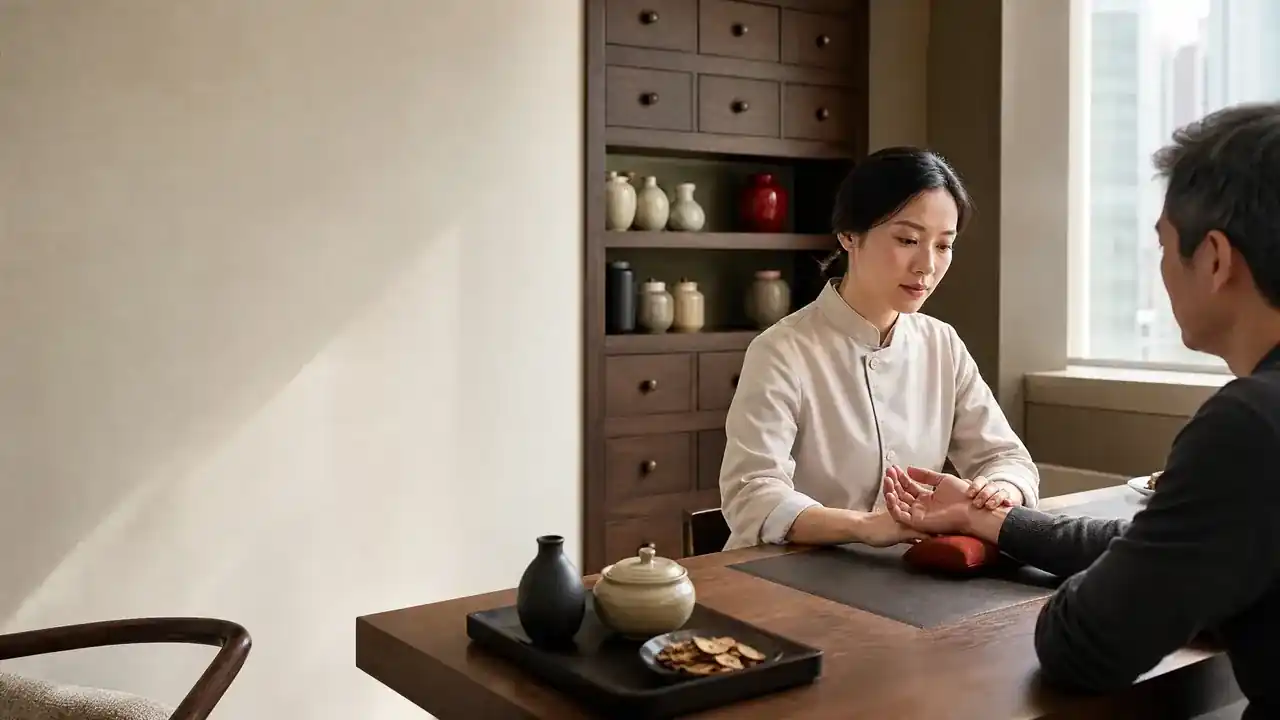
At Harmonia TCM, we understand that every patient's constitution and health status are unique. Therefore, we strictly adhere to professional medical standards. Before providing any recommendations for tianjiu moxibustion or other therapies, a comprehensive and detailed assessment by our registered Chinese medicine practitioners is mandatory. This includes a thorough inquiry into medical history, constitution identification, and a comprehensive analysis of current symptoms. We are committed to providing patients with clear and accurate medical information, ensuring they make informed decisions after fully understanding the principles, expected outcomes, and potential risks of the therapies.
This information outlines common considerations and assessment directions. If you would like to discuss what may suit you or how an appointment can be arranged, please contact us. Harmonia TCM's only physical clinic is located in Kwun Tong. the information provided here is intended as general guidance and does not constitute any medical diagnosis or guarantee of treatment efficacy. If you have any questions about tianjiu moxibustion or wish to know if these therapies are suitable for your individual condition, we recommend scheduling a face-to-face professional consultation with our registered practitioners.
Frequently asked questions
Is tianjiu therapy suitable for everyone?
No. Tianjiu therapy is primarily targeted at individuals with a cold-deficiency constitution. Pregnant women, infants, patients with fever, those with broken skin or allergies to the medication, and patients with certain chronic diseases are generally not suitable candidates. Assessment by a registered practitioner is mandatory.
Can asthma/allergy tianjiu cure my allergies?
TCM believes that tianjiu helps harmonize the constitution and improve cold-deficiency states, which may reduce the frequency and severity of allergy or asthma symptoms. However, this is not a guaranteed cure, and effects vary by individual, typically requiring long-term constitutional support.
Is it normal to get blisters after applying tianjiu paste?
Slight redness or tiny blisters can be a normal reaction to the medication. However, large blisters or severe pain indicate an excessive reaction. You should remove the paste immediately and seek assistance from your practitioner. Do not puncture the blisters yourself to prevent infection.
Can tianjiu therapy only be done during Sanfu or Sanjiu days?
Traditionally, tianjiu is mostly performed during the Sanfu (hottest summer days) and Sanjiu (coldest winter days) periods to align with climatic changes. However, in some cases, practitioners may recommend similar acupoint application treatments at other times based on a patient's specific condition.
What dietary precautions should I take while receiving moxibustion therapy?
It is generally recommended to maintain a light diet while receiving tianjiu or moxibustion. Avoid cold, raw, spicy, and greasy foods, as well as ingredients like shrimp, crab, and beef, which TCM considers likely to cause allergies or exacerbate skin reactions.
Does Harmonia TCM's Kwun Tong clinic offer tianjiu services?
This information is provided to help you understand the topic and prepare questions for an assessment. Actual availability of tianjiu services, specific arrangements, and fees must be confirmed by Harmonia TCM's physical clinic in Kwun Tong and a registered practitioner. Please contact us for the latest information and to schedule an assessment.
Related topics
Sources
Seek a Professional TCM Constitution Assessment
Want to know if tianjiu moxibustion or general moxibustion is suitable for your individual constitution? Schedule a detailed assessment with a registered Chinese medicine practitioner at Harmonia TCM. Our Kwun Tong clinic will provide you with professional consultation and advice.