TCM Dermatology Care
Urticaria (Hives) TCM relief & regulation
Urticaria, commonly known as hives, often presents with intense itching and raised red welts that can significantly disrupt daily life. At Harmonia TCM Clinic in Kwun Tong, we utilize the traditional Chinese medicine approach of syndrome differentiation to deeply understand your unique constitution. We provide targeted TCM assessments and regulation plans aimed at helping to soothe discomfort and restore your body's natural balance.
Quick answer: From a TCM perspective, urticaria (hives) is often associated with wind, dampness, heat pathogens, and an underlying constitutional weakness. TCM regulation focuses on syndrome differentiation, utilizing methods like herbal medicine or acupuncture to assist with itch relief and constitutional adjustment. Harmonia TCM Clinic in Kwun Tong offers relevant assessments; actual arrangements require confirmation by a registered TCM practitioner.
View pricesContact Us for Details
CLEAR PRICES
Interested in a treatment? You are always welcome to ask.
We clearly list our current single, trial and package prices so you can explore at your own pace. You are always welcome to message us on WhatsApp about any service, timing or arrangement.
| Category and service | Content / terms | Public price (HK$) | Booking note | Enquire |
|---|---|---|---|---|
| Hair & scalp | Scalp health and hair-loss support | AI scalp analysis, deep follicle cleansing and oil-control support | Trial offerPackageTrial 380; 6 sessions 3,480; 12 sessions 5,760; 20 sessions 8,600; 30 sessions 11,400 | Average per session for 6/12/20/30: 580/480/430/380 | Ask on WhatsApp |
| Hair & scalp | Hair acupuncture with herbal medicine | Scalp acupuncture with 3 days of decoction-free herbal medicine | Single visitPackageSingle 580; 6 sessions 3,180; 12 sessions 5,760; 20 sessions 8,600; 30 sessions 11,400 | Average per session for 6/12/20/30: 530/480/430/380 | Ask on WhatsApp |
| Hair & scalp | Integrated hair support programme | Acupuncture, herbal medicine and follicle activation; packages include shampoo and serum | Single visitPackageSingle 1,260; 8 sessions 8,640; 16 sessions 15,680; 20 sessions 18,600; 30 sessions 26,400 | Average per session for 8/16/20/30: 1,080/980/930/880 | Ask on WhatsApp |
| Weight management | Full-body acupoint embedding | Full-body acupoint embedding; packages include proportionate days of herbal support | Single visitPackageSingle 980; 10 sessions 7,800; 20 sessions 14,600; 30 sessions 20,400 | Average per session for 10/20/30: 780/730/680 | Ask on WhatsApp |
| Facial acupuncture | Brightening V-face (Essential) | Facial acupuncture, meridian support and swelling management | Trial offerPackageTrial 480; 10 sessions 5,200; 20 sessions 9,600; 30 sessions 13,500 | Average per session for 10/20/30: 520/480/450 | Ask on WhatsApp |
| Facial acupuncture | Firming and refining (Advanced) | Enhanced facial acupuncture for firmness and fine-line concerns with a moisturising mask serum | Trial offerPackageTrial 780; 10 sessions 9,000; 20 sessions 16,600; 30 sessions 23,400 | Average per session for 10/20/30: 900/830/780 | Ask on WhatsApp |
| Pain care | Extracorporeal shockwave therapy | Deep inflammation support and fascial relaxation | Prince Edward: 250 per area; Kwun Tong: 250 for 1 area, 450 for 2, 600 for 3 | Clinic-specific pricing; confirm location before booking | Ask on WhatsApp |
| Pain care | Manual therapy | TCM bone-injury assessment, manual alignment and tui na techniques | Single visitSingle 580 | Suitability is confirmed after assessment | Ask on WhatsApp |
| Pain care | Acupuncture with manual therapy | Acupuncture with manual structural support | Single visitSingle 680 | Suitability is confirmed after assessment | Ask on WhatsApp |
| TCM regulation | Acupuncture with herbal medicine | TCM consultation, whole-body acupuncture and 3 days of decoction-free herbal medicine granules | Single visitSingle 580 | Confirm clinician availability and service arrangement when booking | Ask on WhatsApp |
TCM Perspectives and Causes of Urticaria (Hives)
In Traditional Chinese Medicine, urticaria is often referred to as "hidden rash" or "wind rash blocks." Its primary characteristics include the sudden appearance of red or pale wheals of varying sizes, accompanied by severe itching. These hives can appear anywhere on the body and typically leave no trace once they subside. According to TCM theory, the onset of urticaria is frequently linked to external wind pathogens, internal accumulation of damp-heat, or a deficiency in Qi and blood. When the body's vital Qi is relatively weak, external pathogens can take advantage of this vulnerability, becoming trapped in the skin and muscles, thereby triggering these symptoms.
TCM holds the view that "without wind, there is no itching," making the wind pathogen a primary factor in the unbearable itchiness associated with urticaria. However, wind rarely acts alone; it often combines with other pathogenic factors such as cold, heat, or dampness. For instance, a combination of wind and heat may result in red, burning, and intensely itchy rashes, whereas wind and cold might cause pale rashes that worsen in cold environments. Furthermore, improper diet leading to damp-heat in the stomach and intestines, or emotional stress causing disharmony of Qi and blood, can also serve as internal factors that induce or exacerbate hives. Therefore, when evaluating urticaria, TCM practitioners comprehensively consider the patient's overall condition and constitutional traits.
Syndrome Differentiation: Tailored Regulation for Different Constitutions
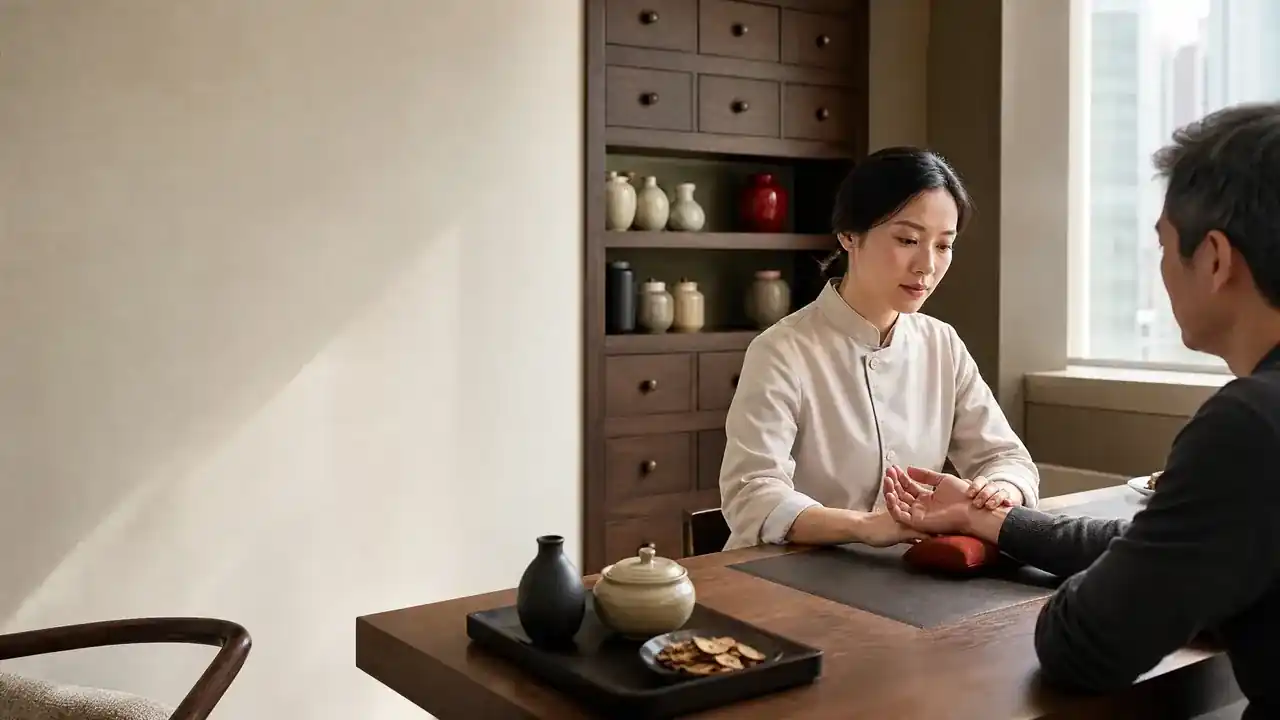
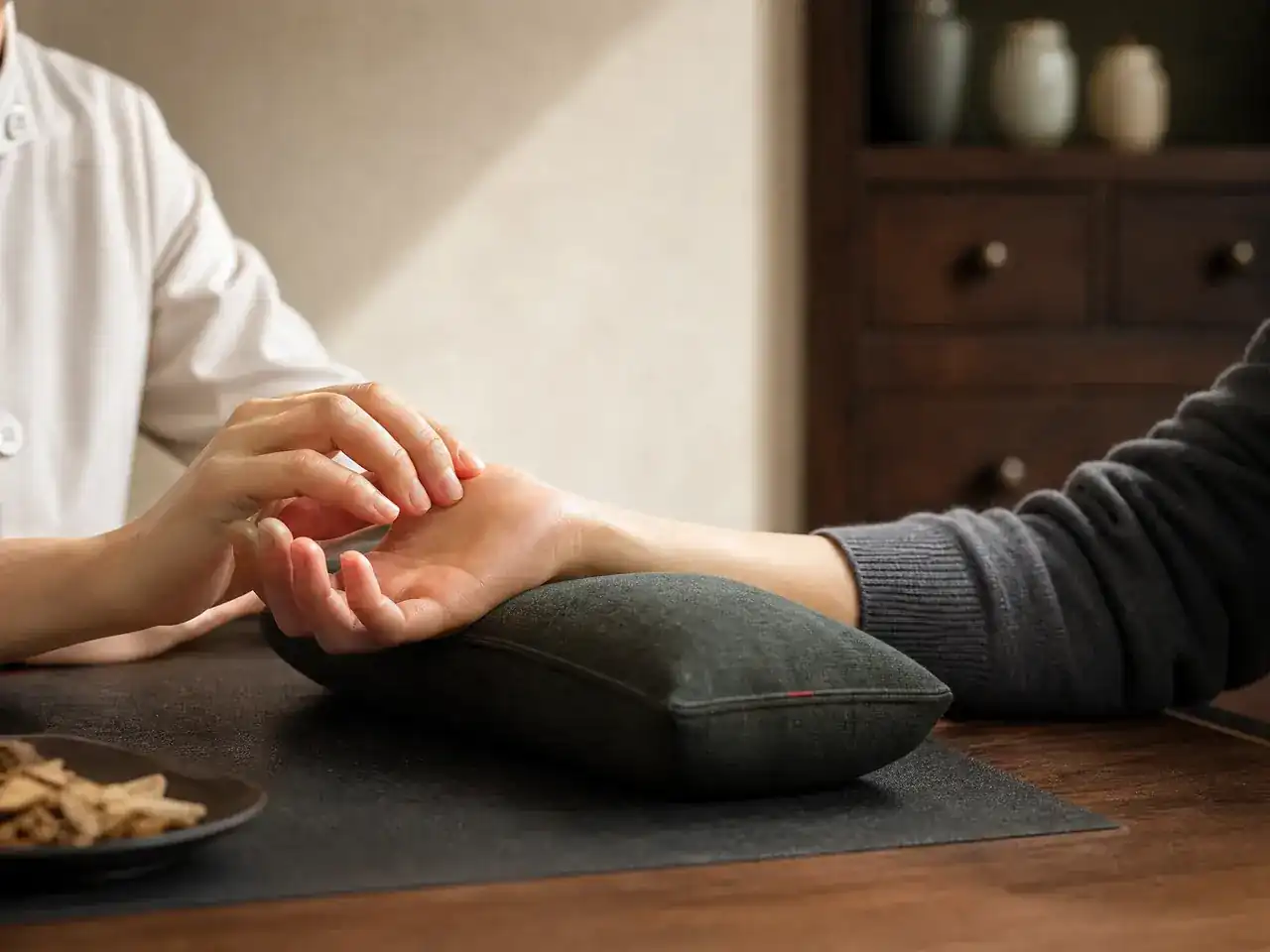
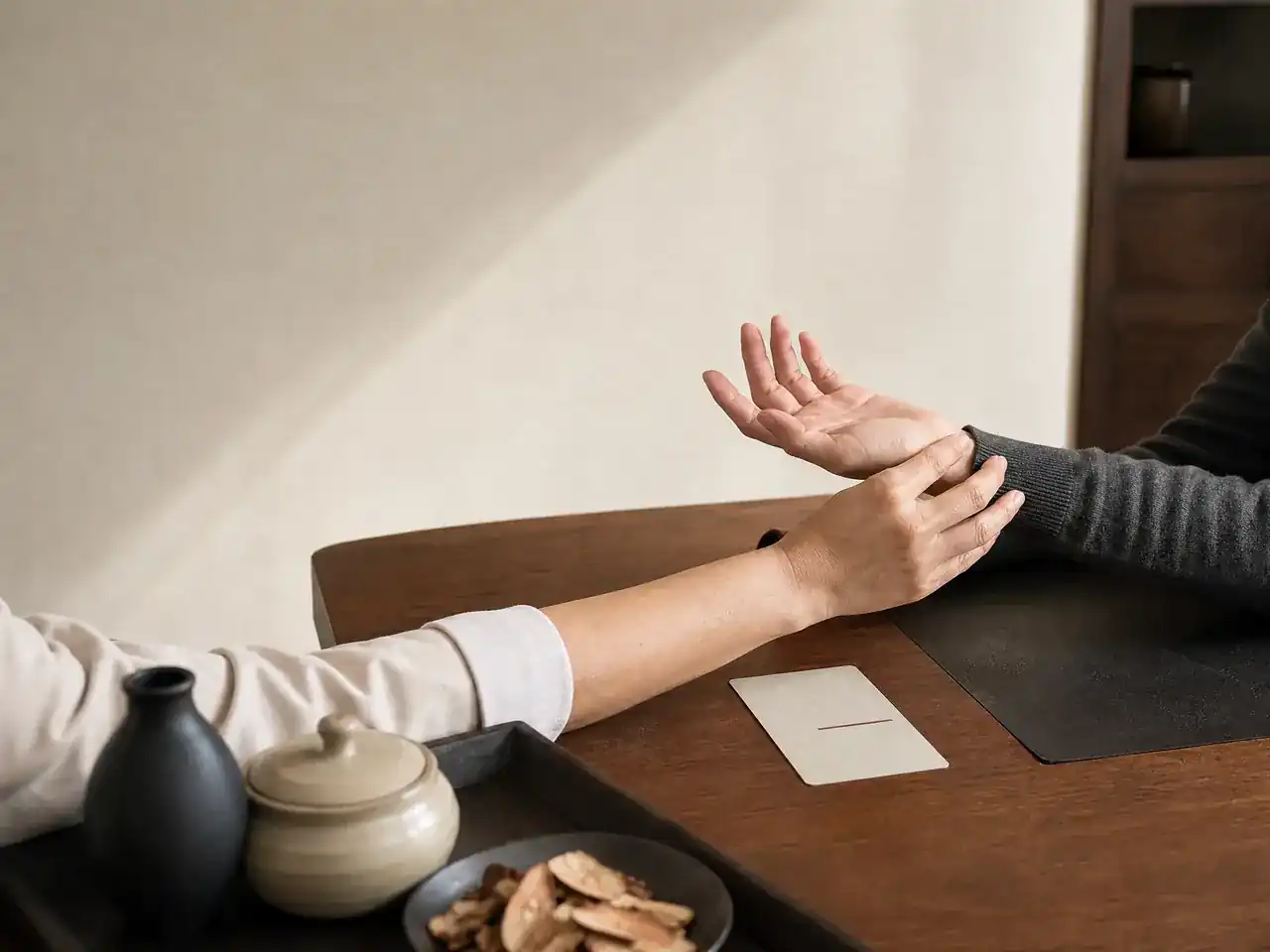
The core of TCM regulation for urticaria lies in "syndrome differentiation and treatment." This means developing a personalized plan based on each patient's specific symptoms, tongue appearance, pulse characteristics, and overall constitution. Common syndrome types include wind-heat invading the exterior, wind-cold binding the exterior, damp-heat in the stomach and intestines, and dual deficiency of Qi and blood. For those with wind-heat, the regulation direction primarily focuses on dispersing wind and clearing heat; for wind-cold, the emphasis is on dispersing wind and dispelling cold. This targeted assessment helps in more accurately addressing the hives caused by different underlying factors.
Beyond itch relief and soothing during acute flare-ups, TCM also places significant importance on constitutional regulation during remission periods. For chronic, recurrent urticaria, TCM often attributes the condition to insufficient Qi and blood or weak defensive Qi. In such cases, the focus of regulation shifts towards tonifying Qi, securing the exterior, and nourishing blood to moisten dryness. The goal is to improve the overall constitution, thereby assisting in reducing the likelihood of recurrence. The registered TCM practitioners at Harmonia will carefully evaluate your condition to provide appropriate recommendations.
Comparison of Common TCM Syndromes in Urticaria
To provide a clearer understanding of how TCM classifies and evaluates urticaria, the following table outlines several common syndrome types and their primary manifestations. Please note that this is intended as general guidance. An actual diagnosis and regulation plan must be determined by a registered TCM practitioner after a detailed consultation using the four diagnostic methods.
| TCM Syndrome | Rash Characteristics | Accompanying Symptoms | Regulation Direction |
|---|---|---|---|
| Wind-Heat | Red rashes, burning severe itch, worsens with heat | Thirst, restlessness, red and swollen throat | Disperse wind, clear heat, relieve itch |
| Wind-Cold | Pale or light red rashes, worsens with cold or wind | Aversion to cold, absence of thirst | Disperse wind, dispel cold, harmonize Ying and Wei |
| Damp-Heat in Intestines | Red rashes, accompanied by gastrointestinal discomfort | Abdominal bloating/pain, constipation or diarrhea | Disperse wind, unblock bowels, drain heat |
| Qi and Blood Deficiency | Recurrent rashes, lingering for months or longer | Pale complexion, fatigue, poor sleep | Tonify Qi, secure exterior, nourish blood and skin |
Common TCM Methods for Itch Relief and Soothing
When addressing the itching caused by urticaria, TCM employs various traditional methods. Oral herbal medicine is one of the most common approaches. Practitioners will prescribe suitable herbal formulas based on the results of syndrome differentiation, aiming to disperse wind, clear heat, remove dampness, or nourish blood. These herbal prescriptions are designed to adjust bodily functions from within, assisting in soothing the skin's uncomfortable reactions.
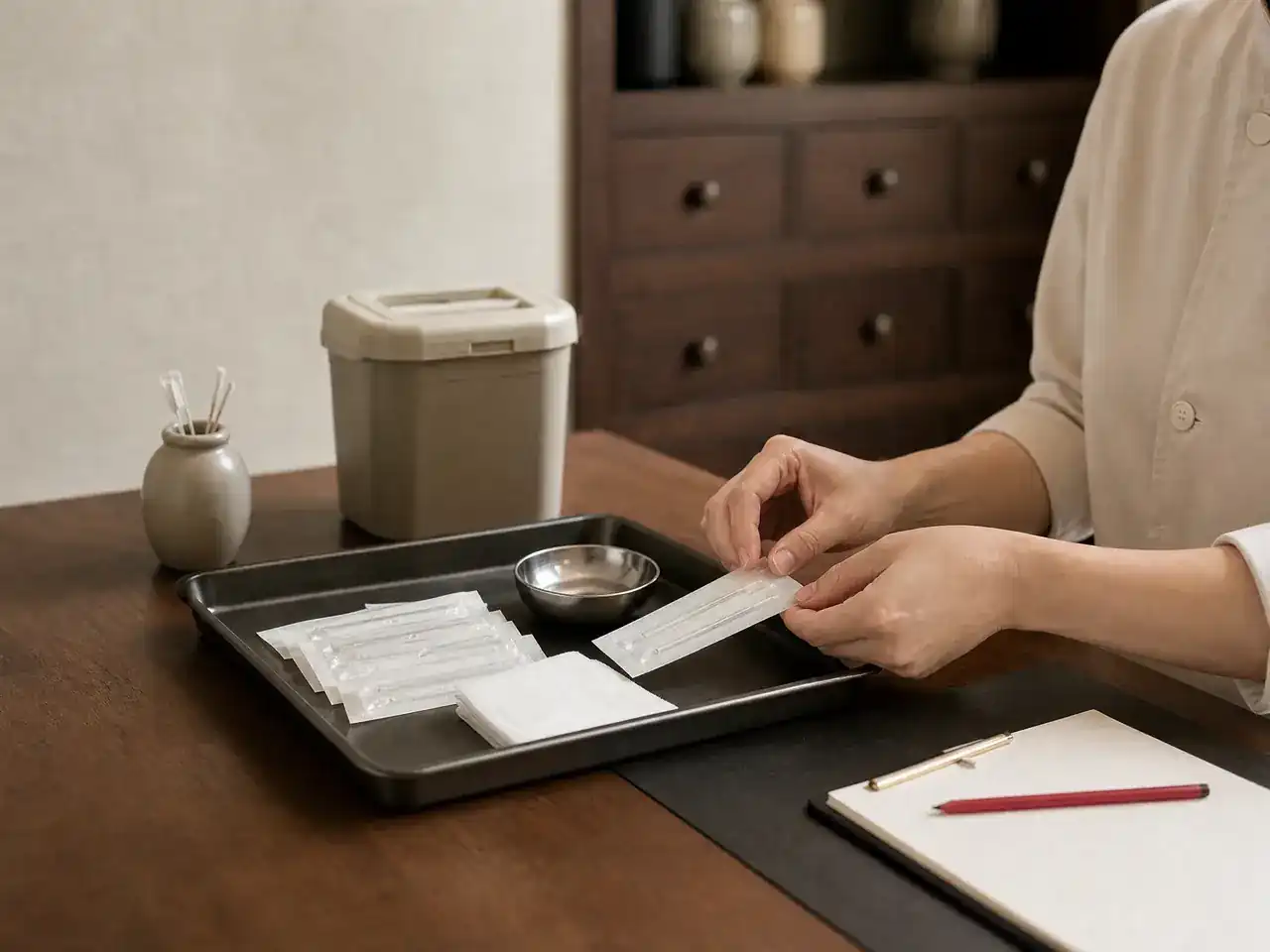
In addition to oral herbal medicine, acupuncture is a frequently used complementary method in TCM. By stimulating specific acupoints, acupuncture may help unblock meridians and harmonize Qi and blood, thereby exerting an itch-relieving and calming effect. In certain situations, practitioners might also recommend external herbal washes or compresses applied directly to the affected skin to alleviate itching. The application of any of these methods requires a professional assessment by a registered TCM practitioner based on your specific circumstances.
Daily Care and Dietary Recommendations
Alongside receiving TCM regulation, daily lifestyle care is equally crucial in managing urticaria. Regarding diet, TCM generally advises patients to maintain a bland diet during flare-ups, avoiding spicy, greasy, raw, cold, and seafood items that might trigger or worsen symptoms. Concurrently, maintaining adequate hydration helps promote the body's metabolism.
In terms of daily living, keeping the indoor environment clean and well-ventilated, and avoiding contact with known allergens (such as dust mites or animal dander) are fundamental principles. Wearing loose, breathable cotton clothing can reduce friction and irritation on the skin. Furthermore, maintaining emotional stability and avoiding excessive fatigue and late nights have a positive impact on preserving the harmony of Qi and blood, which may help reduce the frequency of hives outbreaks.
Service Arrangements at Harmonia TCM Clinic Kwun Tong
Harmonia TCM's clinic is in Kwun Tong, providing professional TCM services to residents in the district and surrounding areas. We understand the significant inconvenience that an urticaria flare-up can cause, which is why we are dedicated to offering attentive and professional assessment and regulation. Please note that the services and information described here are intended as general guidance. The actual availability, suitability for your specific condition, as well as associated risks and arrangements, must be finally confirmed by our registered TCM practitioners and the clinic.
If you have any questions about our services or wish to learn more about TCM regulation for urticaria, please feel free to contact us. We will provide appropriate advice and arrangements based on your needs. For patients with mobility issues or special requirements, we can also explore the feasibility of home visits or outreach coverage, with specific arrangements depending on the actual situation.
Frequently asked questions
How long does TCM regulation for urticaria (hives) usually take?
The duration of TCM regulation varies from person to person, depending on the severity of the urticaria, how long you have had it, and your individual constitution. Acute flare-ups may see soothing in a shorter time, while chronic, recurrent hives might require weeks to months of continuous constitutional regulation. A registered TCM practitioner will provide an initial expected timeline after assessment.
Can I use Western anti-itch medication while taking TCM herbs?
Using Chinese and Western medicines simultaneously may cause interactions. If you are taking Western medications (like antihistamines) or using topical creams, you must inform the registered TCM practitioner during your consultation. The practitioner will evaluate if concurrent use is suitable and provide safe medication advice, typically recommending at least a two-hour gap between taking Chinese and Western medicines.
Is acupuncture helpful for soothing the itch of urticaria?
Acupuncture is one of the complementary methods commonly used in TCM. By stimulating specific acupoints, acupuncture may help unblock meridians and harmonize Qi and blood. Some patients report that this provides a degree of help in soothing the itch. However, the effects of acupuncture vary, and it is not suitable for everyone. The practitioner will make a decision after evaluating your condition.
Does Harmonia Kwun Tong Clinic offer a 'miracle cure' for urticaria?
TCM emphasizes syndrome differentiation and treatment; there is no such thing as a 'miracle cure' or 'special medicine' that suits everyone. The registered TCM practitioners at Harmonia will prescribe the most suitable herbal combination based on your unique constitution and symptoms. We are committed to providing professional, grounded assessment and regulation, and we do not make any unrealistic guarantees of curative effects.
If I cannot visit the Kwun Tong clinic in person, can a home visit be arranged?
Harmonia's only physical clinic is located in Kwun Tong. For patients with mobility issues or special needs, we can explore the feasibility of providing home visit coverage. The arrangement of such services depends on the practitioner's schedule and the patient's actual situation, and it is not a routine service available for immediate booking. Please contact us for details and to confirm arrangements.
Are there any specific dietary restrictions for urticaria patients?
TCM generally advises urticaria patients to avoid 'fa wu' (stimulating foods) during flare-ups, such as spicy foods, seafood (especially shrimp and crab), mutton, bamboo shoots, and alcohol, to prevent exacerbating damp-heat or wind pathogens. Specific dietary advice should be provided by a practitioner based on your individual constitution and syndrome differentiation, as blind, excessive dietary restrictions can lead to nutritional imbalance.
Related topics
Sources
Seek Professional TCM Assessment
If you are troubled by urticaria (hives), you are welcome to contact Harmonia TCM Clinic in Kwun Tong. Our registered TCM practitioners will conduct a detailed assessment and explore suitable regulation plans. Actual service arrangements require confirmation by the clinic.