Home Visits
Home Visit Post-surgery Rehabilitation
The recovery period following surgery is crucial for restoring physical function. Harmonia TCM's post-surgery home visit rehab service is designed to provide Traditional Chinese Medicine (TCM) assessment and support for patients with limited mobility or those who prefer to rest at home. Through acupuncture, Tui Na (Chinese therapeutic massage), and herbal medicine, we assist patients with joint and tendon rehab in a familiar environment, promoting the circulation of Qi and blood, and developing a progressive recovery plan tailored to individual constitutions. Please note that home-visit coverage, timing, fees, and suitability require individual clinic confirmation; availability should be confirmed before booking.
Quick answer: Post-surgery home visit rehab provides in-home TCM support for patients recovering from surgery. Utilizing acupuncture and herbal medicine, it assists in joint and tendon rehab, promotes Qi and blood circulation, and aims for progressive recovery. Home-visit coverage and arrangements require individual clinic confirmation.
View pricesInquire About Home Visit Details
CLEAR PRICES
Interested in a treatment? You are always welcome to ask.
We clearly list our current single, trial and package prices so you can explore at your own pace. You are always welcome to message us on WhatsApp about any service, timing or arrangement.
| Category and service | Content / terms | Public price (HK$) | Booking note | Enquire |
|---|---|---|---|---|
| Hair & scalp | Scalp health and hair-loss support | AI scalp analysis, deep follicle cleansing and oil-control support | Trial offerPackageTrial 380; 6 sessions 3,480; 12 sessions 5,760; 20 sessions 8,600; 30 sessions 11,400 | Average per session for 6/12/20/30: 580/480/430/380 | Ask on WhatsApp |
| Hair & scalp | Hair acupuncture with herbal medicine | Scalp acupuncture with 3 days of decoction-free herbal medicine | Single visitPackageSingle 580; 6 sessions 3,180; 12 sessions 5,760; 20 sessions 8,600; 30 sessions 11,400 | Average per session for 6/12/20/30: 530/480/430/380 | Ask on WhatsApp |
| Hair & scalp | Integrated hair support programme | Acupuncture, herbal medicine and follicle activation; packages include shampoo and serum | Single visitPackageSingle 1,260; 8 sessions 8,640; 16 sessions 15,680; 20 sessions 18,600; 30 sessions 26,400 | Average per session for 8/16/20/30: 1,080/980/930/880 | Ask on WhatsApp |
| Weight management | Full-body acupoint embedding | Full-body acupoint embedding; packages include proportionate days of herbal support | Single visitPackageSingle 980; 10 sessions 7,800; 20 sessions 14,600; 30 sessions 20,400 | Average per session for 10/20/30: 780/730/680 | Ask on WhatsApp |
| Facial acupuncture | Brightening V-face (Essential) | Facial acupuncture, meridian support and swelling management | Trial offerPackageTrial 480; 10 sessions 5,200; 20 sessions 9,600; 30 sessions 13,500 | Average per session for 10/20/30: 520/480/450 | Ask on WhatsApp |
| Facial acupuncture | Firming and refining (Advanced) | Enhanced facial acupuncture for firmness and fine-line concerns with a moisturising mask serum | Trial offerPackageTrial 780; 10 sessions 9,000; 20 sessions 16,600; 30 sessions 23,400 | Average per session for 10/20/30: 900/830/780 | Ask on WhatsApp |
| Pain care | Extracorporeal shockwave therapy | Deep inflammation support and fascial relaxation | Prince Edward: 250 per area; Kwun Tong: 250 for 1 area, 450 for 2, 600 for 3 | Clinic-specific pricing; confirm location before booking | Ask on WhatsApp |
| Pain care | Manual therapy | TCM bone-injury assessment, manual alignment and tui na techniques | Single visitSingle 580 | Suitability is confirmed after assessment | Ask on WhatsApp |
| Pain care | Acupuncture with manual therapy | Acupuncture with manual structural support | Single visitSingle 680 | Suitability is confirmed after assessment | Ask on WhatsApp |
| TCM regulation | Acupuncture with herbal medicine | TCM consultation, whole-body acupuncture and 3 days of decoction-free herbal medicine granules | Single visitSingle 580 | Confirm clinician availability and service arrangement when booking | Ask on WhatsApp |
The Importance of Post-surgery Home Visit Rehab and the Role of TCM
While surgery can resolve many structural or acute medical issues, the subsequent rehabilitation process is equally critical in determining a patient's ultimate quality of life. Many patients face challenges such as pain, swelling, localized tissue stiffness, and an overall decline in physical strength following a surgical procedure. For some patients with limited mobility or those who prefer to recuperate in a quiet environment, traveling to a clinic for follow-up treatments can impose an additional burden. The post-surgery home visit rehab service is specifically designed to address these needs, allowing patients to receive professional Traditional Chinese Medicine (TCM) assessment and support in the familiar and comfortable surroundings of their own homes.
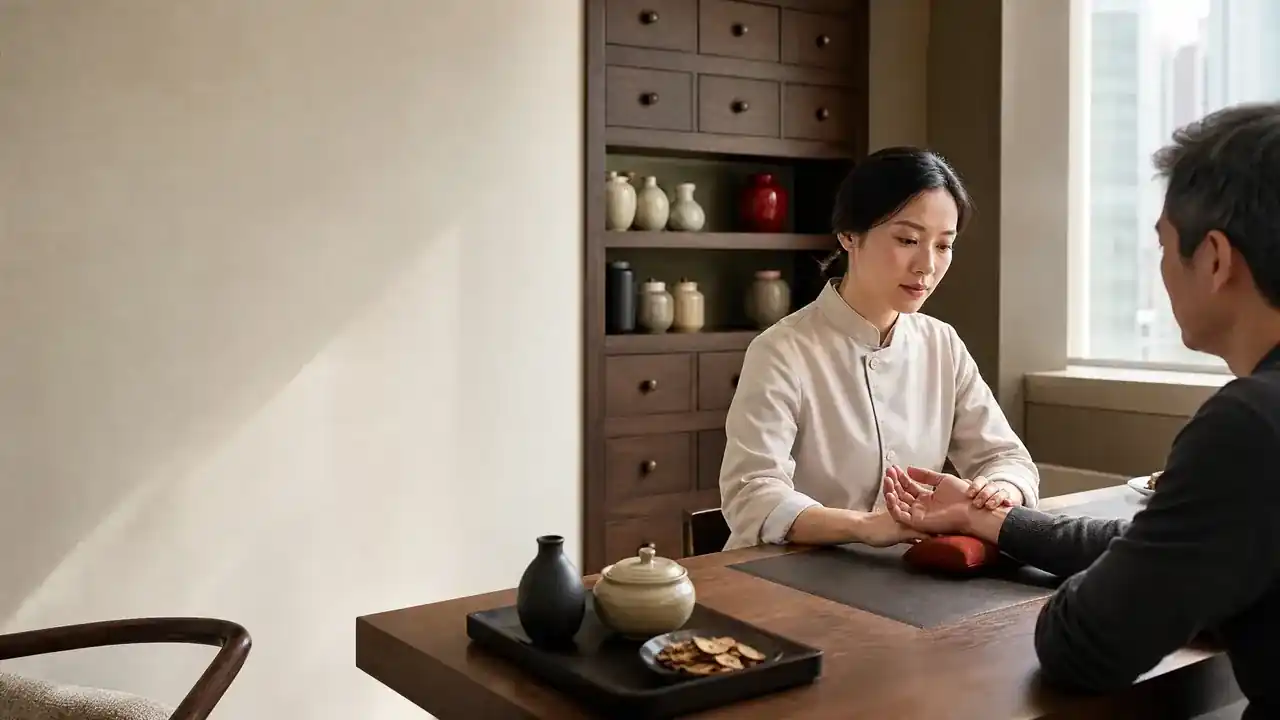
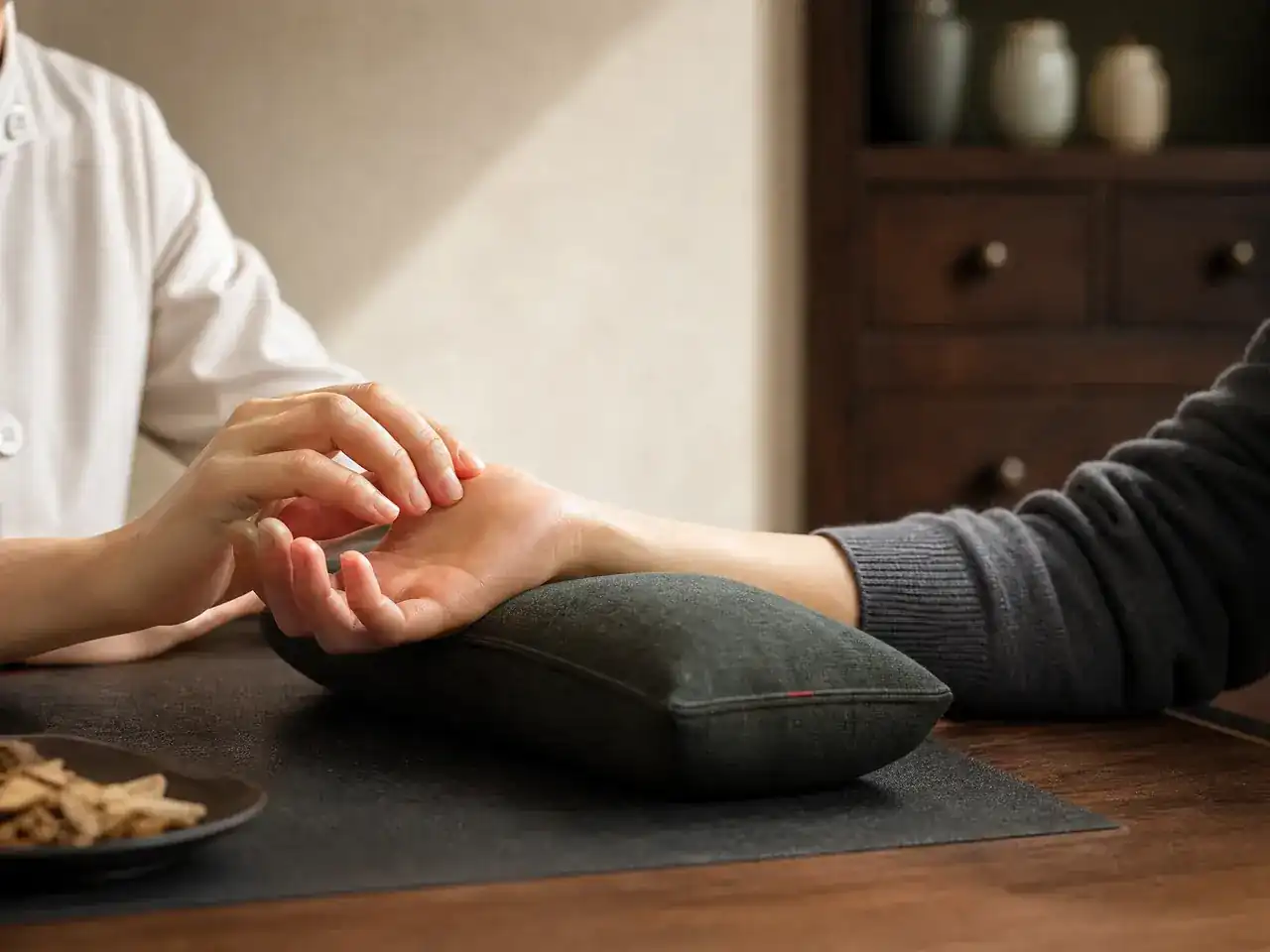
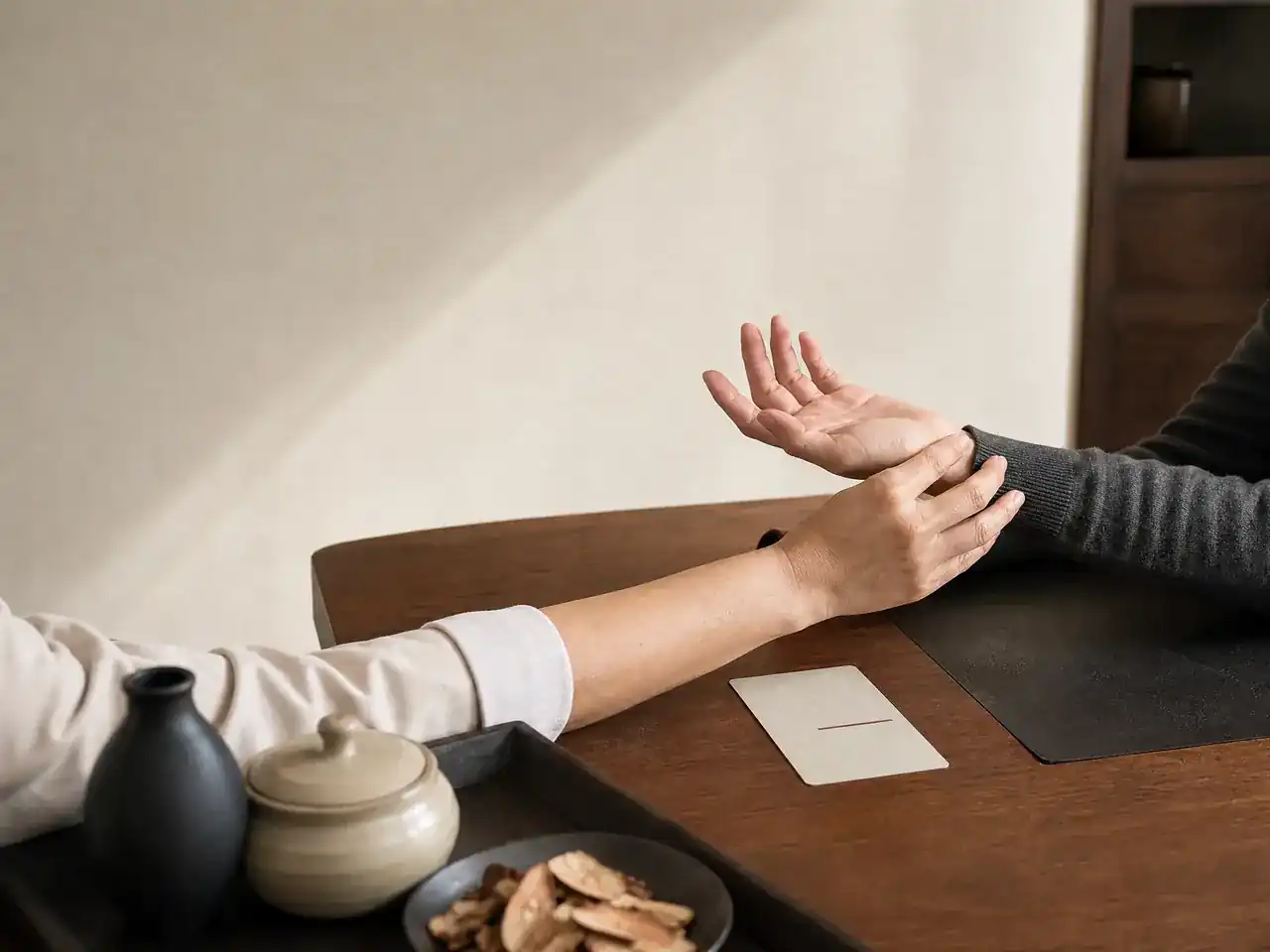
In TCM theory, the surgical process can deplete the body's Qi (vital energy) and blood, and may lead to localized blockages in the meridians, creating a state where 'lack of free flow causes pain.' Therefore, the core objective of post-surgery home visit rehab is to harmonize Qi and blood and clear the meridians. A registered TCM practitioner will conduct a detailed assessment of the patient's post-operative condition, constitutional characteristics, and recovery progress through the four diagnostic methods: observation, auscultation and olfaction, inquiry, and pulse-taking. For joint and tendon rehab, TCM utilizes non-invasive therapies such as acupuncture and Tui Na, combined with appropriate herbal prescriptions, aiming to alleviate localized discomfort, promote the natural repair of tissues, and thereby assist the patient in progressive recovery and regaining independence in daily life.
Comprehensive Support for Joint and Tendon Rehab
Following orthopedic surgeries, such as joint replacements, ligament repairs, or fracture fixations, joint and tendon rehab is a paramount aspect of the recovery process. In the initial post-operative phase, localized tissues often exhibit an inflammatory response, leading to redness, swelling, heat, and pain, which may be accompanied by restricted joint mobility. If appropriate interventions are not implemented in a timely manner, tissue adhesions may develop, further impacting long-term functional mobility. The post-surgery home visit rehab service provides timely TCM care during the phase when patients require support the most.
During the process of joint and tendon rehab, acupuncture is widely utilized to alleviate pain and improve localized blood circulation. By stimulating specific acupoints, acupuncture helps regulate the transmission of pain signals in the nervous system and promotes microcirculation, accelerating the removal of metabolic waste products. Furthermore, based on the patient's specific condition, the TCM practitioner may prescribe herbal medicines with properties that invigorate blood circulation, resolve stasis, and relax tendons and activate collaterals. These herbs can be administered orally or applied topically to further support the repair of damaged tissues. This comprehensive strategy, addressing both internal and external factors, helps create more favorable physiological conditions for progressive recovery.
Progressive Recovery: From Bed Rest to Resuming Daily Activities
Post-surgery rehabilitation is a gradual process that should neither be rushed nor overly protective. The concept of progressive recovery involves adjusting the level of activity and the intensity of treatment in a timely manner, based on the patient's actual recovery status. A significant advantage of post-surgery home visit rehab is that the TCM practitioner can observe the patient's activities in their home environment and provide targeted recommendations. For instance, in the early post-operative stage, the focus may be on passive joint movements and pain management; as the condition improves, there will be a gradual transition to active muscle strengthening and functional activities.
The holistic approach of TCM plays a vital role in progressive recovery. In addition to focusing on localized joint and tendon rehab, the TCM practitioner will also evaluate the patient's overall state of Qi and blood, as well as the function of the Zang-Fu organs. Post-operative fatigue, poor appetite, or decreased sleep quality can all indirectly affect the progress of recovery. By using herbal medicine to regulate the spleen and stomach, digestion and absorption can be improved, providing adequate nutritional support for the body. Prescriptions that calm the mind and spirit can help improve sleep, promoting the body's self-repair mechanisms. This comprehensive support ensures that the process of progressive recovery is more stable and sustained.
Assessment and Personalized Planning in Post-surgery Home Visit Rehab
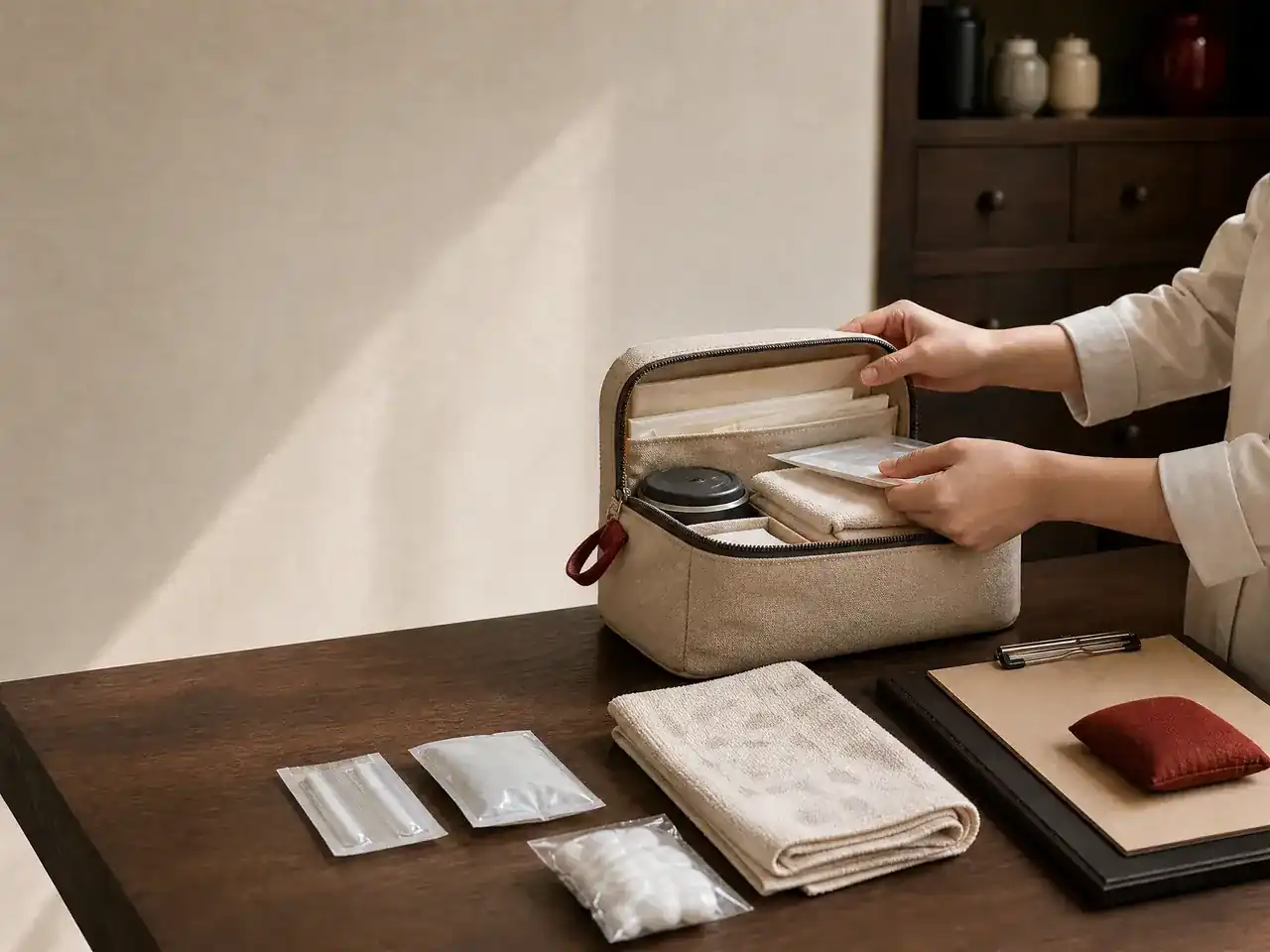
Every patient's type of surgery, age, underlying health conditions, and home environment are unique. Therefore, post-surgery home visit rehab must be founded on a detailed, personalized assessment. During the initial home visit, the TCM practitioner will conduct a comprehensive consultation and physical examination to understand the specific details of the surgery, current medication usage, and the recommendations of the attending physician. Concurrently, the practitioner will assess the patient's home environment to ensure the safety and feasibility of the treatment process.
Based on the assessment results, the TCM practitioner will collaborate with the patient and their family to develop a practical rehabilitation plan. This plan will clearly outline short-term goals for pain management and long-term goals for progressive recovery. Regarding joint and tendon rehab, the plan will detail the frequency of acupuncture sessions, the duration of herbal medicine courses, and daily precautions regarding posture and activity restrictions. As recovery progresses, the TCM practitioner will regularly reassess the patient's condition and flexibly adjust the treatment plan to ensure the patient consistently receives the most appropriate support.
Integrating TCM Post-surgery Rehab with Conventional Medical Care
Post-surgery home visit rehab is not intended to replace conventional medical follow-ups or physiotherapy provided by Western medicine; rather, it serves as a complementary and integrative healthcare option. TCM and Western medicine each have their respective strengths in post-surgery rehabilitation, and their combination often yields the greatest benefits for the patient. For example, Western medicine plays an irreplaceable role in structural repair and infection control, while TCM excels in symptom relief, constitutional regulation, and promoting overall balance.
During post-surgery home visit rehab, the TCM practitioner will closely monitor the patient for any red flag symptoms that require Western medical intervention, such as wound infections, deep vein thrombosis, or severe nerve damage. If any of these abnormal conditions are detected, the practitioner will immediately advise the patient to seek assistance from an emergency department or a specialist. Furthermore, the TCM practitioner will encourage the patient to continue following the instructions of their attending physician and maintain communication with other healthcare professionals when necessary, ensuring that the processes of joint and tendon rehab and progressive recovery are safe, effective, and well-coordinated.
Comparison of Post-surgery Recovery Stages and TCM Intervention Focus
Post-surgery rehabilitation can generally be divided into different stages, each with distinct physiological characteristics and recovery goals. The following table summarizes the characteristics of the various post-operative stages and the corresponding focus of TCM intervention in post-surgery home visit rehab, helping patients better understand the process of progressive recovery.
| Recovery Stage | Physiological Characteristics & Common Challenges | Focus of TCM Intervention | Expected Goals |
|---|---|---|---|
| Initial Post-operative Phase (1-2 weeks) | Localized redness, swelling, heat, pain; depletion of Qi and blood; restricted mobility | Invigorating blood, resolving stasis, reducing swelling, relieving pain; acupuncture to alleviate localized discomfort | Alleviating acute symptoms, preventing complications |
| Healing Phase (3-6 weeks) | Tissue repair begins; potential for adhesions; gradual return of physical strength | Relaxing tendons, activating collaterals, harmonizing Qi and blood; coordinating with gentle joint movements | Promoting joint and tendon rehab, improving range of motion |
| Remodeling Phase (7-12 weeks) | Strengthening of tissue structure; need for muscle strength rebuilding | Tonifying liver and kidneys, strengthening tendons and bones; supporting active exercise | Enhancing muscle strength, achieving progressive recovery |
| Maintenance Phase (After 3 months) | Basic functional recovery; potential for mild residual discomfort | Regulating constitution, consolidating treatment effects, preventing strain | Restoring daily activity capabilities, improving quality of life |
Frequently asked questions
Is post-surgery home visit rehab suitable for all types of surgery patients?
It is not suitable for all patients. Post-surgery home visit rehab is primarily intended for patients who are stable, have been discharged from the hospital, and are in the recovery phase, particularly following orthopedic surgeries involving joint and tendon rehab. For patients with complex conditions, those requiring close monitoring of vital signs, or those at high risk of complications, rehabilitation in a hospital or a fully equipped medical facility is recommended. Suitability for home visits requires individual assessment and confirmation by the clinic.
Is it safe to receive acupuncture treatment at home?
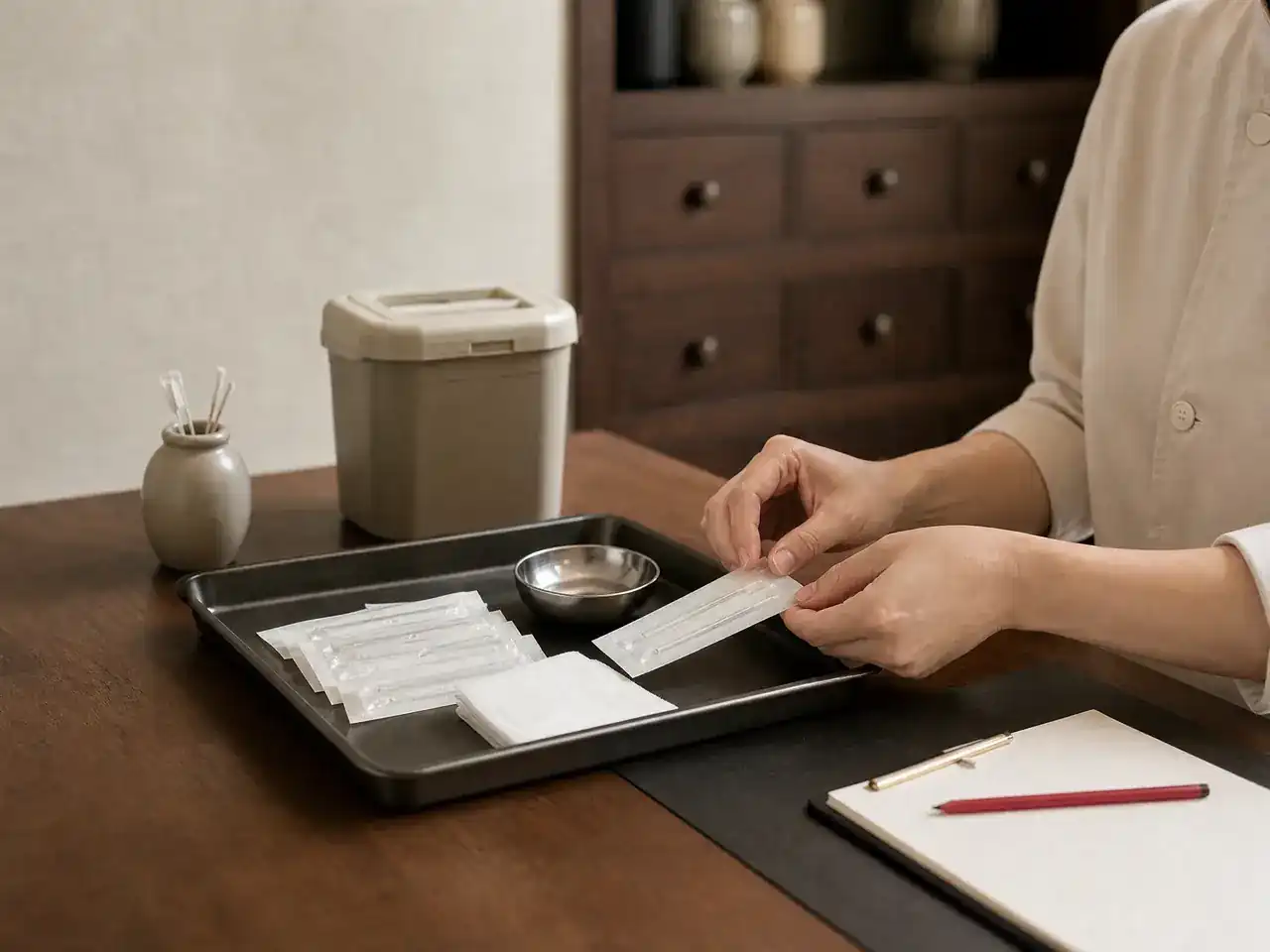
When performed by a professional registered TCM practitioner, in-home acupuncture is relatively safe. The practitioner will strictly adhere to aseptic techniques and use single-use sterile needles. However, the space and lighting in a home environment may not be as ideal as in a clinic. The practitioner will assess the environment upon arrival to ensure it is suitable for treatment. Patients should ensure the treatment area is tidy, quiet, and well-lit.
How soon after surgery can I start receiving TCM home visit rehab?
This depends on the type of surgery and the patient's recovery status. Generally, an initial TCM assessment can begin once the patient has been discharged and their condition is stable. In the early post-operative stage, the treatment focus may lean towards herbal medicine to promote the recovery of Qi and blood. Localized treatments like acupuncture or Tui Na will depend on wound healing and the attending physician's recommendations. Progressive recovery requires a step-by-step approach.
Will herbal medicine interact with the Western medications I am taking after surgery?
There is indeed a risk of interactions between TCM and Western medications, particularly with anticoagulants, painkillers, or antibiotics. Therefore, during the post-surgery home visit rehab assessment, patients must provide a complete list of their medications. The TCM practitioner will carefully select herbal prescriptions based on your medication profile and advise taking TCM and Western medicines at least two hours apart to ensure safety.
How are the fees for post-surgery home visit rehab calculated?
The fees for post-surgery home visit rehab typically include the consultation fee, treatment fees (e.g., acupuncture, Tui Na), herbal medicine costs, and a transportation surcharge for the home visit. Since each patient's location, required treatments, and duration vary, the specific costs will differ. Home-visit coverage, timing, and fees require individual clinic confirmation, and we will provide a clear quotation before confirming the appointment.
What should I do if I feel unwell during an in-home treatment session?
If you experience any discomfort during the treatment, such as dizziness, palpitations, or severe pain, please inform the TCM practitioner immediately. The practitioner will stop the treatment at once and conduct an assessment. In the event of a severe emergency (such as difficulty breathing or suspected complications), the practitioner will assist or advise family members to call an ambulance immediately to go to the emergency department. Post-surgery home visit rehab cannot replace emergency medical services.
Related topics
Sources
Learn About Post-surgery Home Visit Rehab Arrangements
If you or a family member have recently undergone surgery and wish to receive professional TCM assessment and rehabilitation support at home, please contact us. We will evaluate your situation and confirm home-visit coverage and arrangements.